(Sunday 3rd August, 2025)
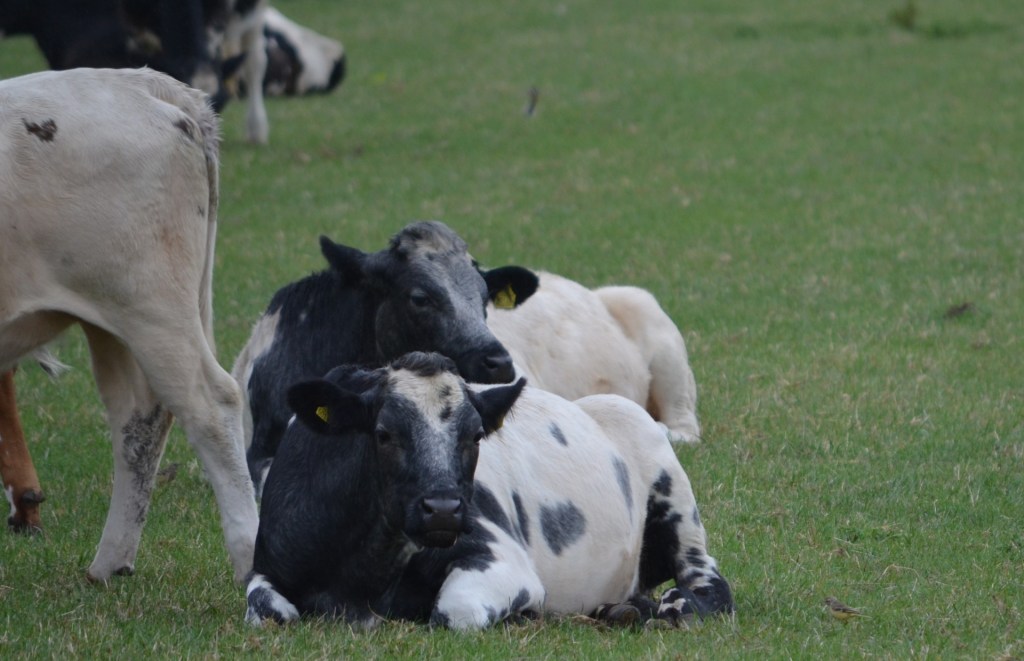
Over to RSPB Burton Mere Wetlands today and, even though we arrived shortly after 9:00 am, it was already busy. We had been informed that there was a flock of Yellow wagtails in one of the fields inland from the Bunker Hide, so we headed through the south-easterly gate and, just past the hide, we joined several folks who were each aiming cameras, binoculars or ‘scopes at a small herd of cattle in the nearby field. Of course, everyone was actually focussing on the tiny Yellow wagtails next to the cattle: these were darting about, collecting grubs and insects from around the ground that had been disturbed by the cows’ movements. Most of the cows were lying down predicting rainfall, but the wagtails were busily hopping about regardless. The birds were quite some distance away, so the photos aren’t great, but you can see the difference in scale. (The Yellow wagtail is to the bottom right of the picture).
We moved on to the picnic area but didn’t stay long as a faint drizzle began to fall, so we sought somewhere a little less exposed to the elements. Retracing our route, we headed back to the Visitor Centre, emerging at the opposite side. Several Coal tits were retrieving snacks from the feeder as we passed. The drizzle having stopped now, we took a slow amble around the mere, seeing Mallards, Northern shovellers and Canada geese here and there. As we approached the reed screen, we could see what looked like a male Marsh harrier in the distance, although he (if a ‘he’) wasn’t around long enough to clearly identify, and quickly disappeared into the distance.
There was plenty to be seen from the Border hide today, including Coots, Shelducks, Greenshanks, Moorhens, Black-tailed Godwits and Lapwings. Separately stalking the shallows on the far bank, were a Great white egret and a Grey Heron.


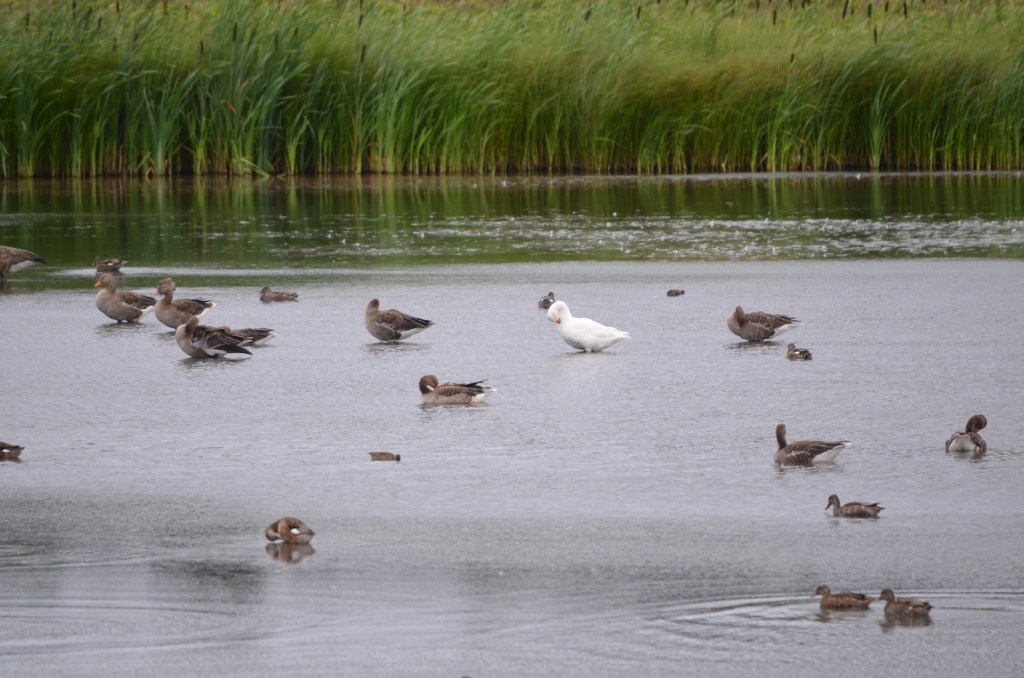
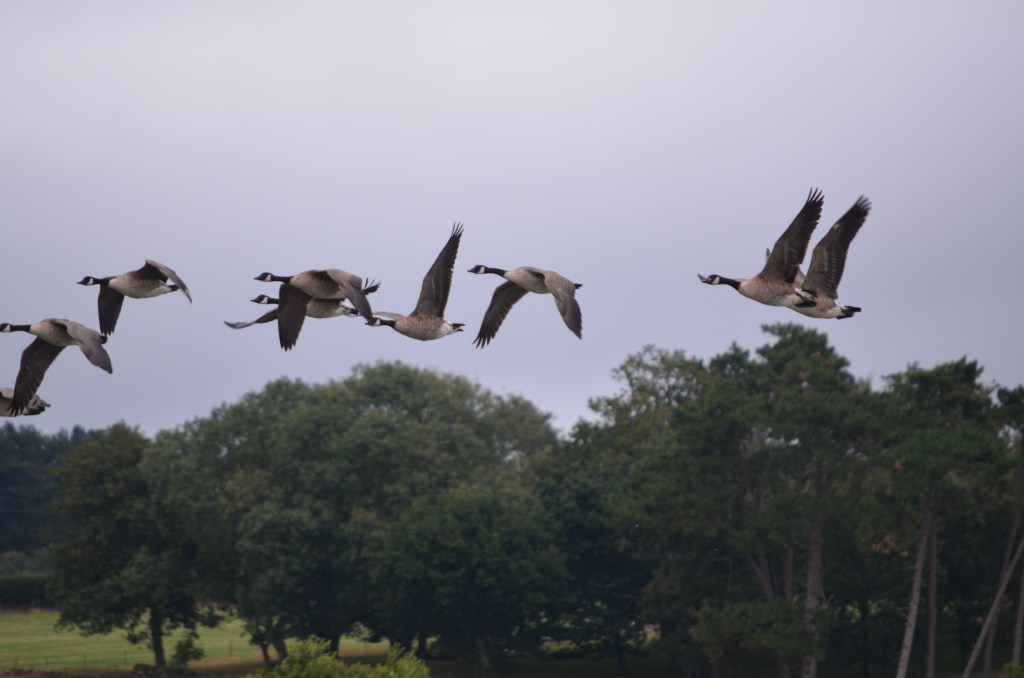
Each bird studiously examined the fringes of its section of the pool before deftly stabbing below the surface for food. A little nearer by was a large gaggle of Greylag geese, quietly relaxing on the water. We noticed a completely white goose which was happily preening itself and feeding amongst them, and this was presumably a genetic throwback: apparently, the geese that were originally domesticated by humans were derived from the Greylag. As we made our way back, we saw a skein of Canada geese flying low, presumably coming into land, and Stu got a good picture of them I reckon.
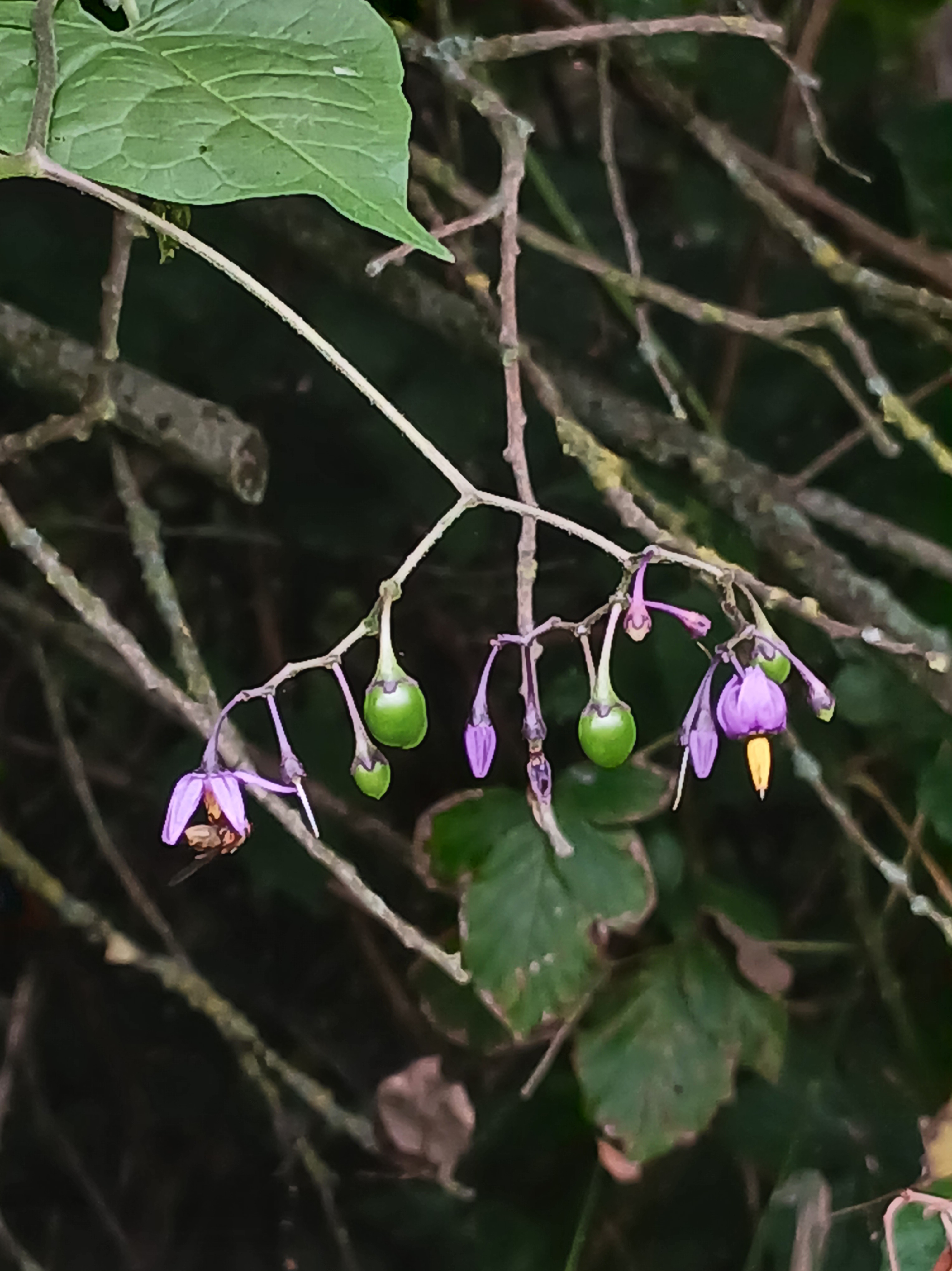
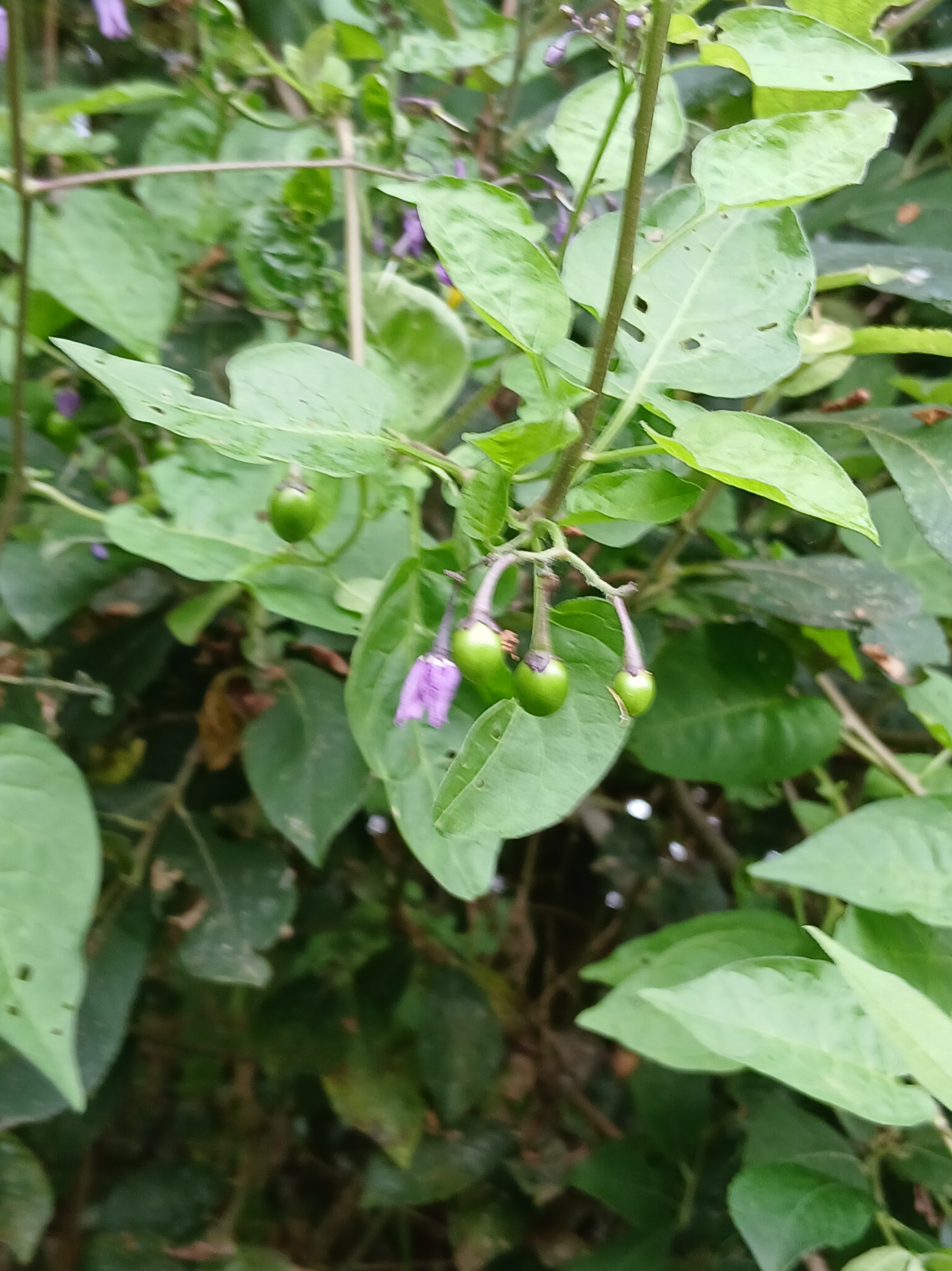
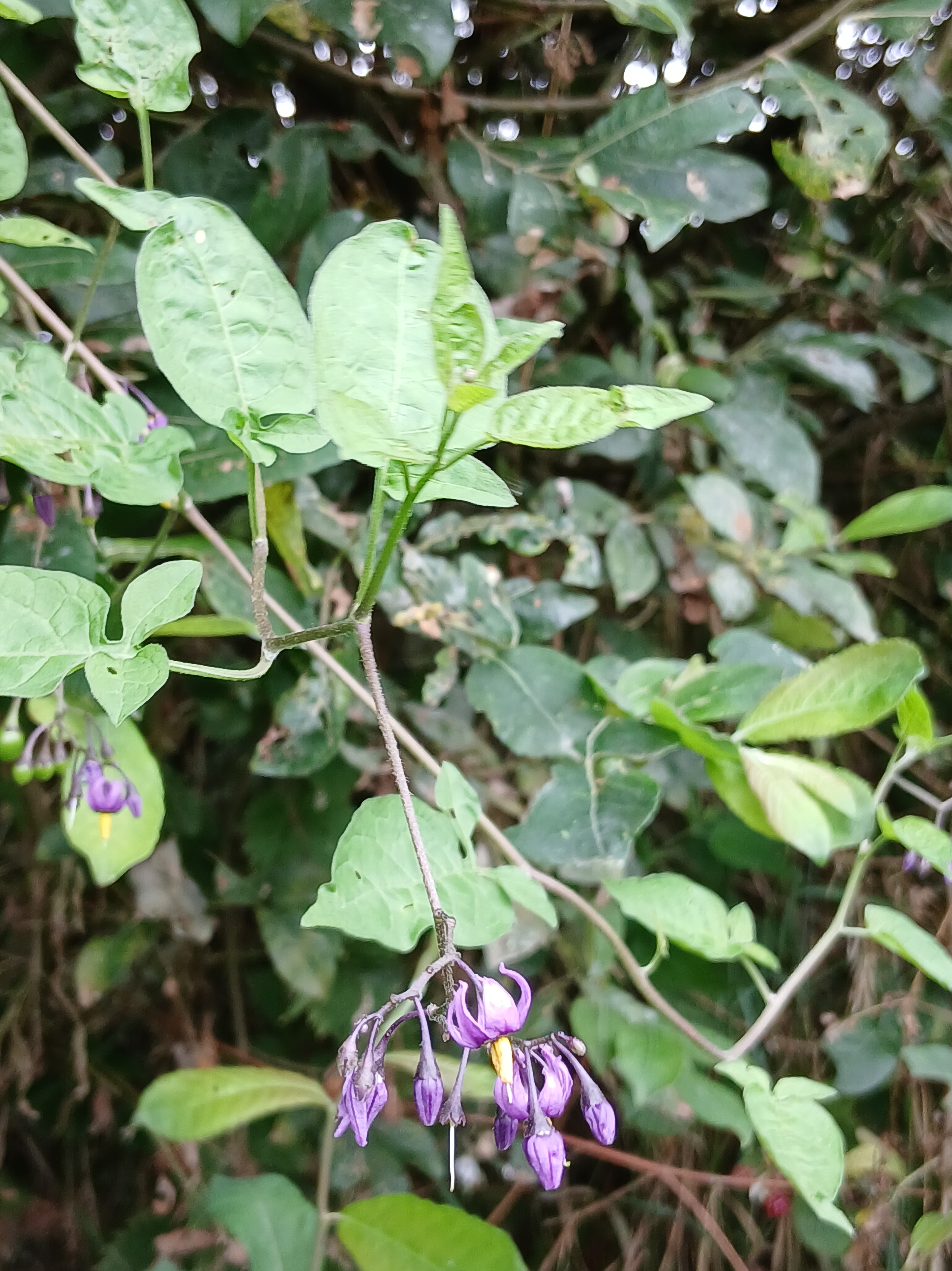
To the side of the path, we recognised the distinctive shape and colouring of a flower that we’d seen along this way previously. Its purple flowers are often swept back, which emphasises the protruding yellow stamens: to me, the flowerhead resembles a colourful throwing dart, but maybe that’s just me. I looked up the plant later and discovered that it’s called Bittersweet. The berries, while benefitting some birds such as thrushes, are poisonous to humans although historically parts of the plant were used medicinally. (The bitterness of the plant left a sweet aftertaste, hence its name). Perhaps more importantly, Bittersweet can intermingle with other climbing plants to offer dense shelter for animals and birds.
The important stuff
Back at the café, I had a toasted tea-cake with my cappuccino. Stu’s cake – a glorious pink and yellow concoction – looked unappetizingly high in sugar and saturated fats, although neither of us can remember what it was called. A mystery then, although I believe that he still went home and complained to his wife that he was hungry!

Leave a Reply