(Sunday 17th August, 2025)
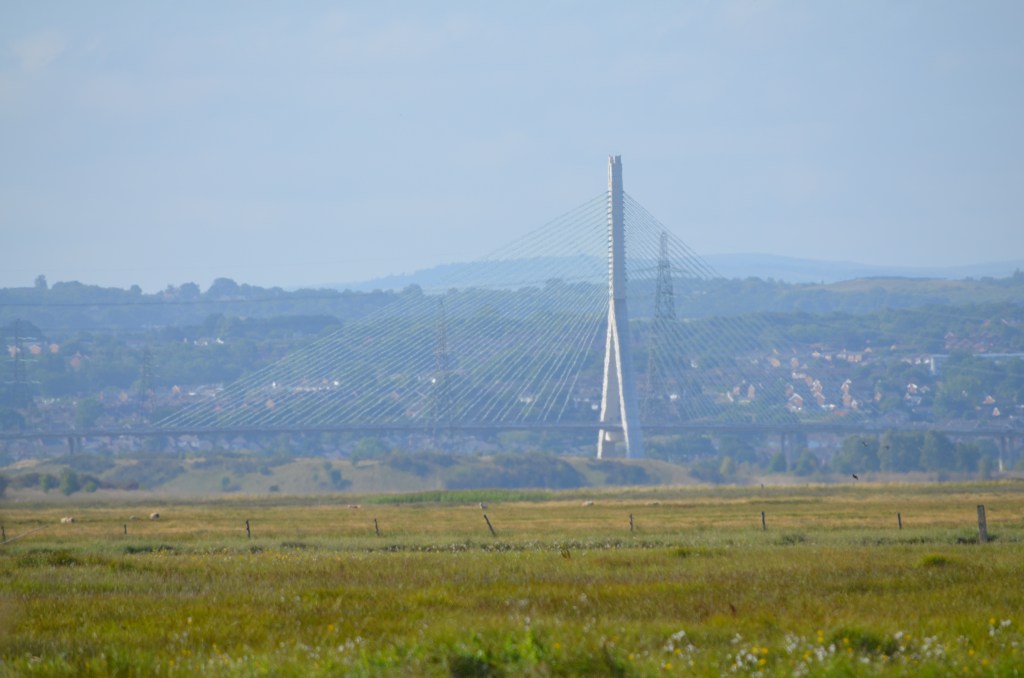
Over to Burton Marsh this morning on the western side of the Wirral peninsula. After parking up, we followed the path north-westwards towards Neston, flushing out a male Pheasant from the marsh scrub as we walked close by, although it was completely accidental. It was a little hazy looking over the marsh towards the Flintshire Bridge, but this quickly cleared during the morning.
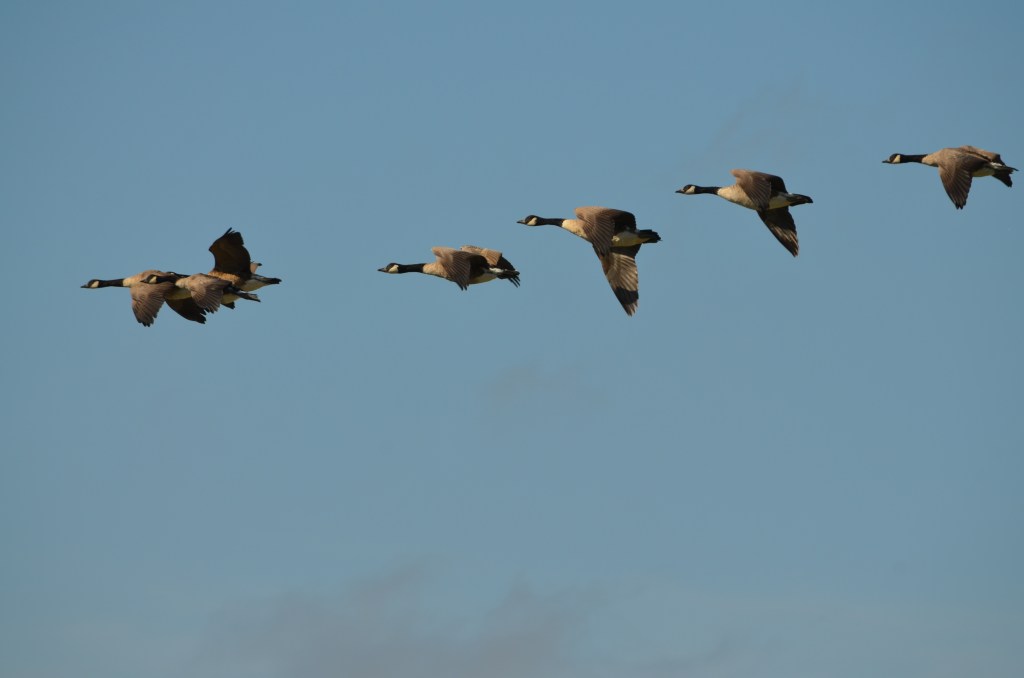
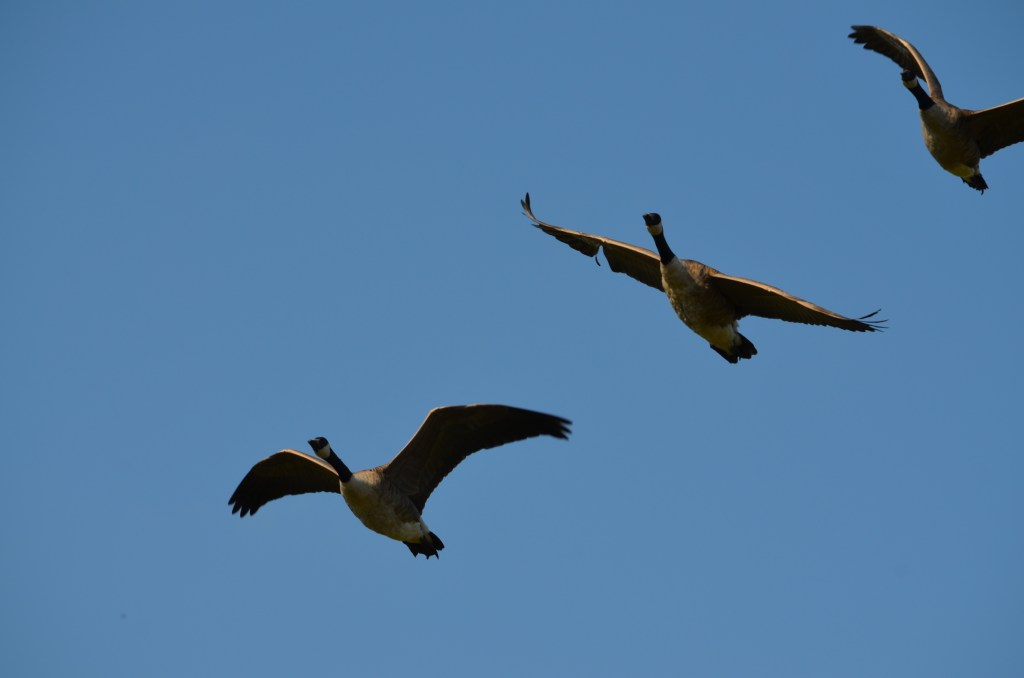
We saw several separate flocks of Canada geese flying over various sections of the marsh’s broad expanse. (I should call them ‘skeins’ of geese as they were all flying, but the term seems a little pretentious somehow). We were fortunate that one small flock passed quite close above and we witnessed two of the geese move from the rear to the front, which is something that neither of us had seen before other than on television. As the pair moved up, the flying-V formation was somehow maintained. The photograph below captures the moment just after the two Canada geese had changed positions with the rest of the birds.
I believe that Canada geese resident in the United Kingdom are viewed as non-migratory, although I can guarantee that my local golf-course pond will be absent of Canada geese and Greylag geese for the winter months again this year, so they must go elsewhere within the country. (Mind you, I think that the two pairs of Moorhens that remain here, near my home in North Wales, breathe a sigh of relief at their temporary absence!) I only mention this because I’m convinced that the numerous (let’s be pretentious) skeins of Canada geese flying over the marshes were stretching their wings to keep in trim for a longer flight to be taken soon – perhaps to the eastern part of the country? Whatever the reason, the geese were very active this morning. One group of about seven geese had two stragglers trying desperately to catch up with the rest of their companions: we immediately named them ‘Colin’ and ‘Stuart’, to nobody else’s amusement but our own!
Still chortling at our amazing wittiness, we observed lots of Swallows zipping low down over the marsh gathering and eating as many insects as they could, in order to help ready themselves for the 6,000 mile journey back to South Africa and Namibia, where they will over-winter. We saw hundreds more Swallows later, massing on the telephone lines by Net’s Café, where we inevitably ended up so as to satisfy our demanding stomachs.
Common mallow, Meadowsweet, Yellow iris, Common hemp-nettle (the leaves of which don’t carry a sting but can nevertheless be an irritant to skin) and Crab apple trees bordered the lanes. Fruits were also supplied by Hawthorns (haw berries) Blackthorns (sloes) and Dog roses (rosehips). The thorny thickets formed by these shrubs and trees are also ideal for nesting, as they help offer protection from predators.
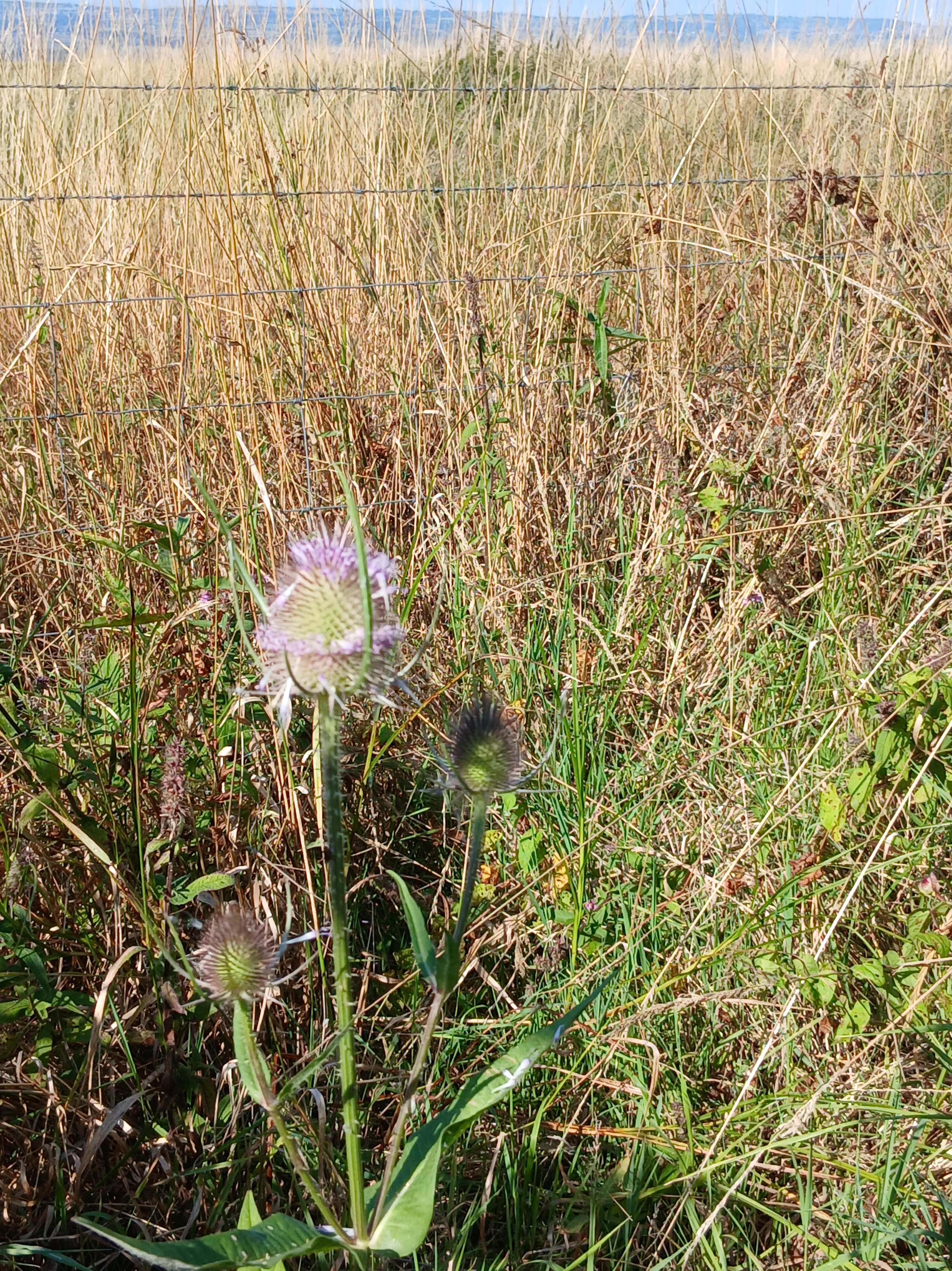
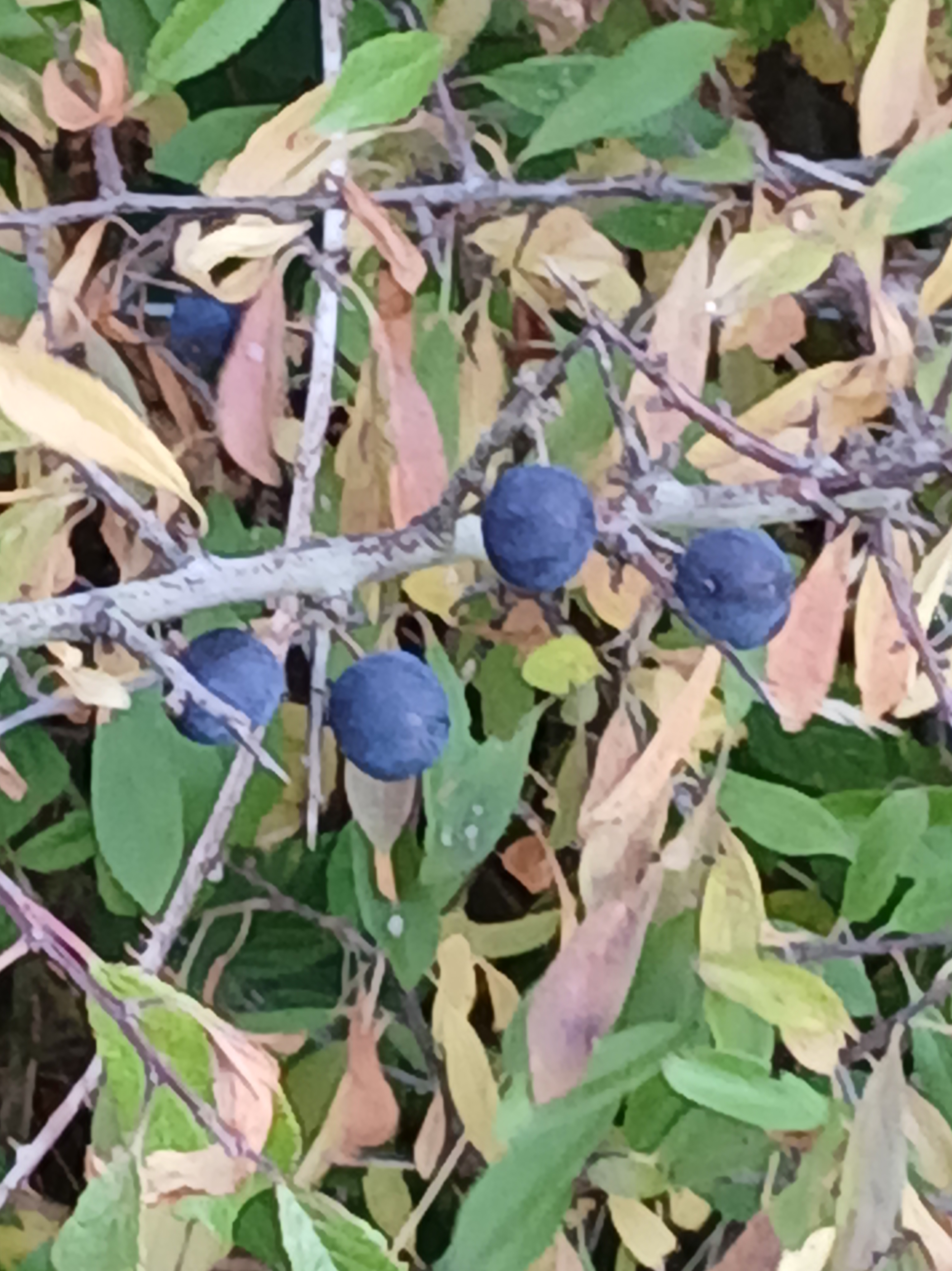
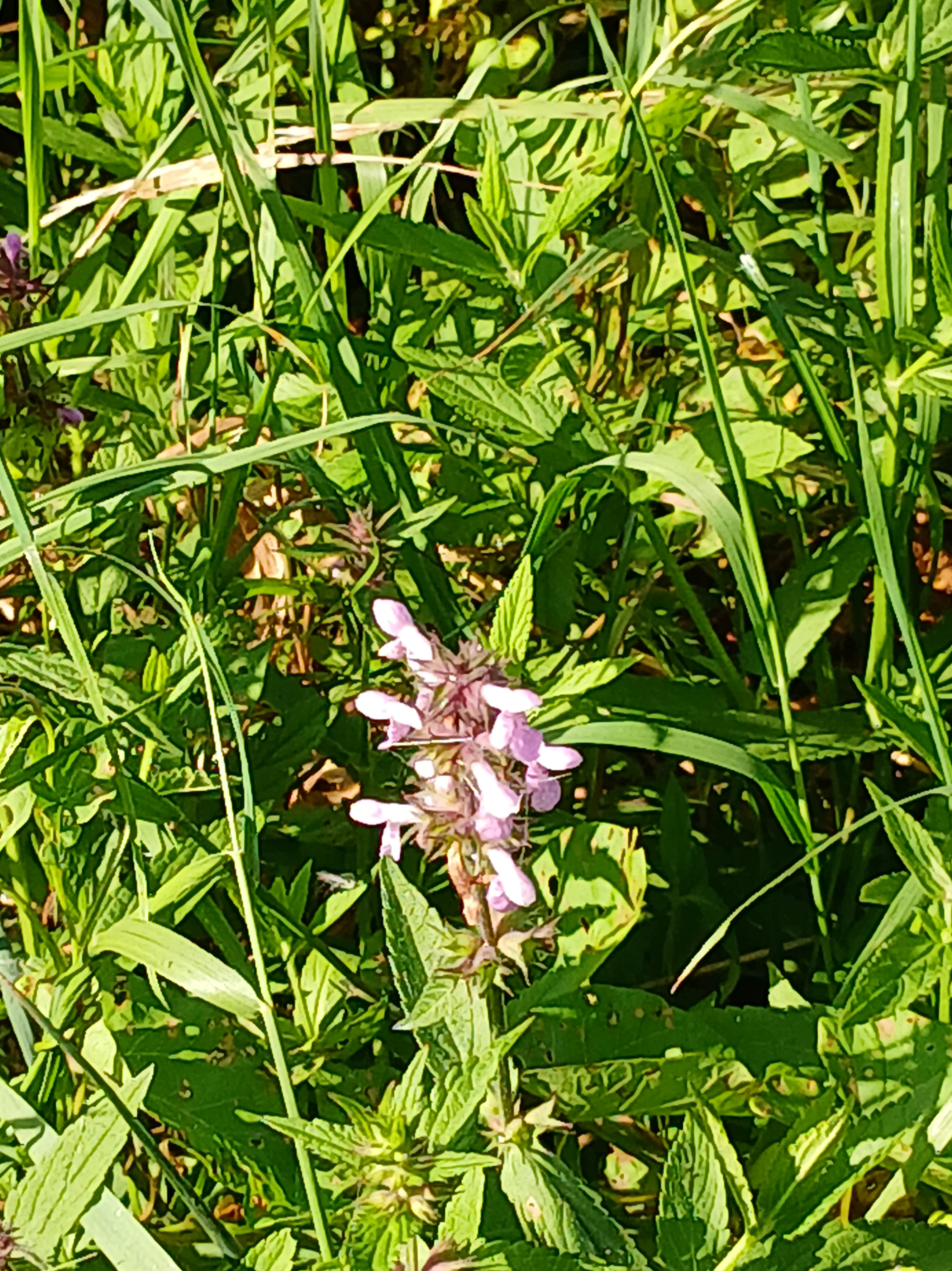
Teasel, Blackthorn, and Common hemp-nettle
The important stuff
As mentioned above, we concluded the day’s outing at Net’s Café, where we both had our usual cappuccinos – accompanied by a Chocolate Brownie (Stu) and a slice of Cinnamon and Apple cake (Col). Scrumptious!

Leave a comment