Tag: nature

  • Low tide at Thurstaston beach

    (Sunday 14th September, 2025)

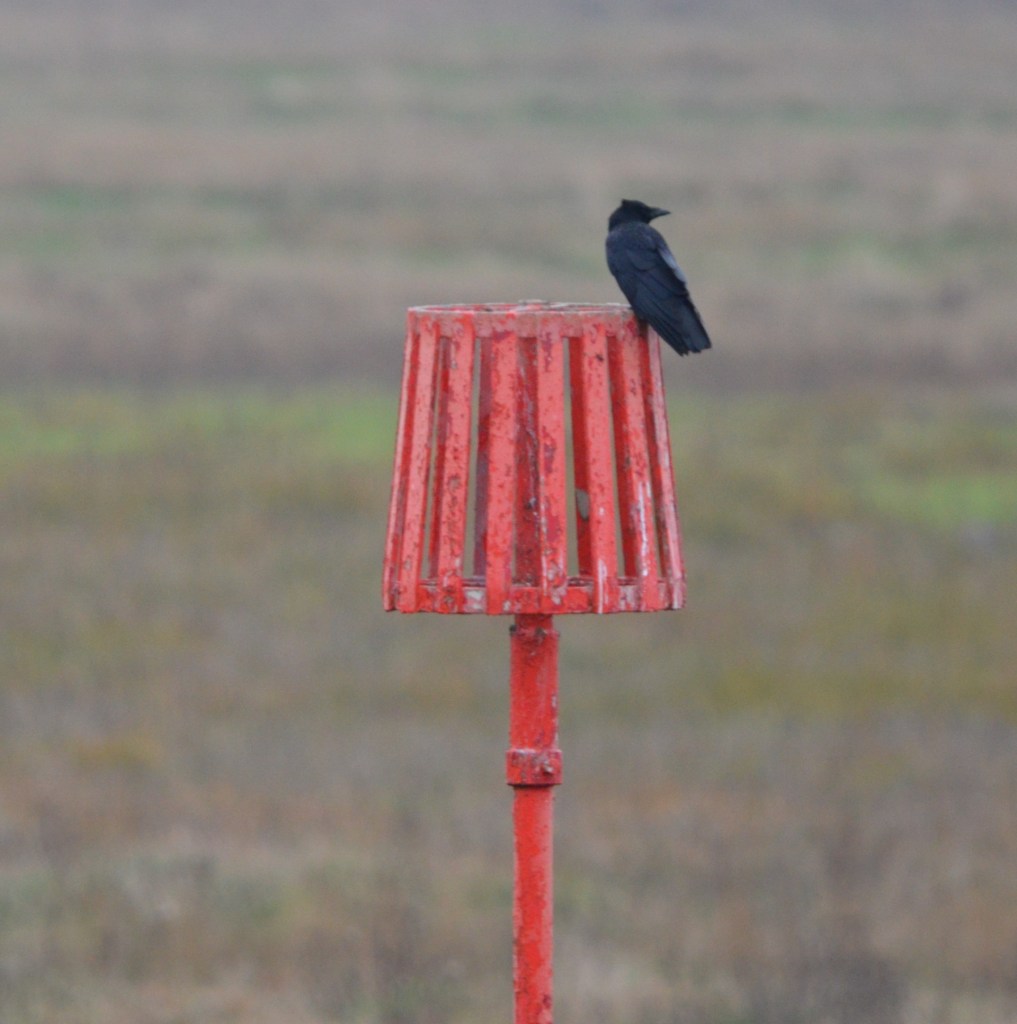
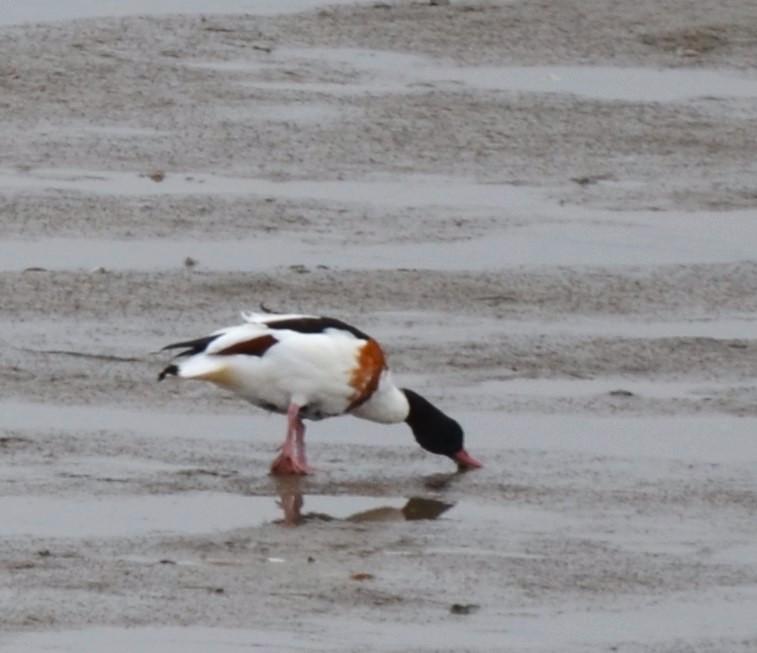
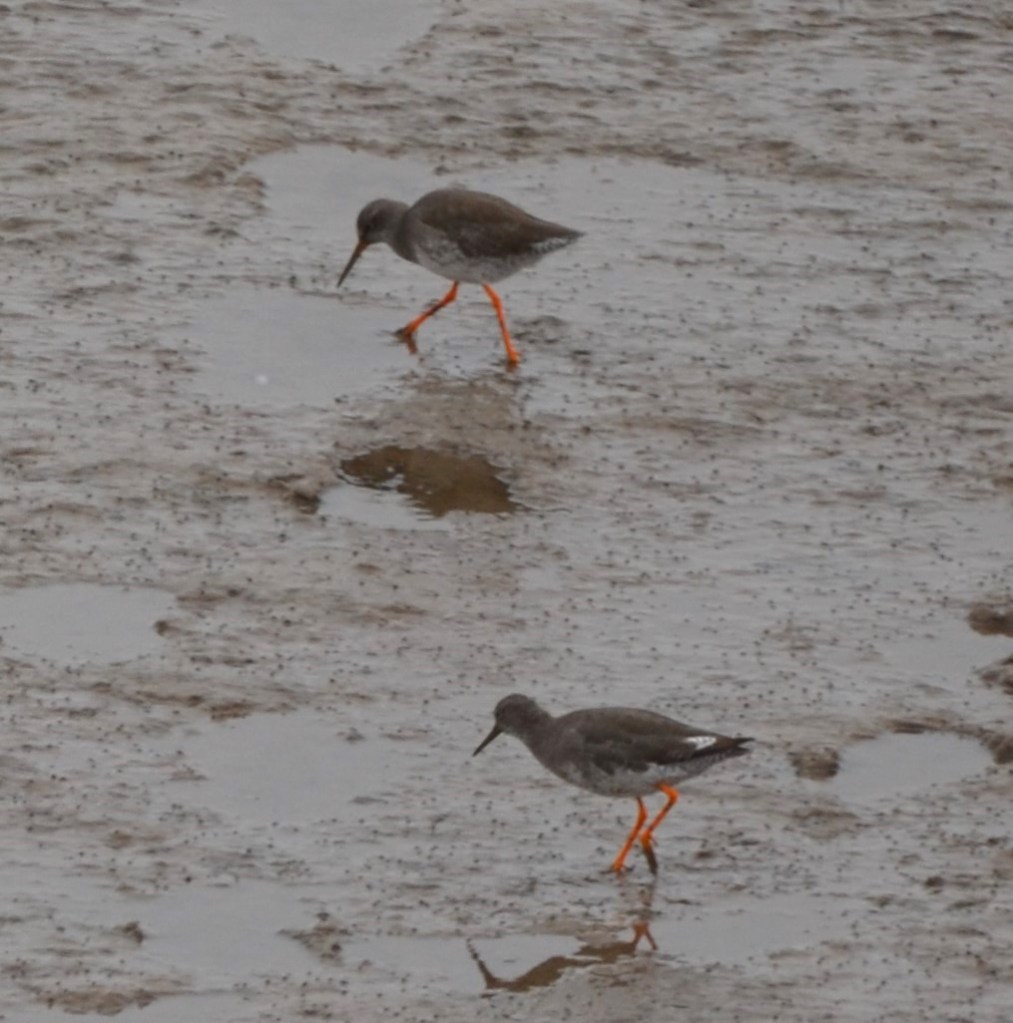
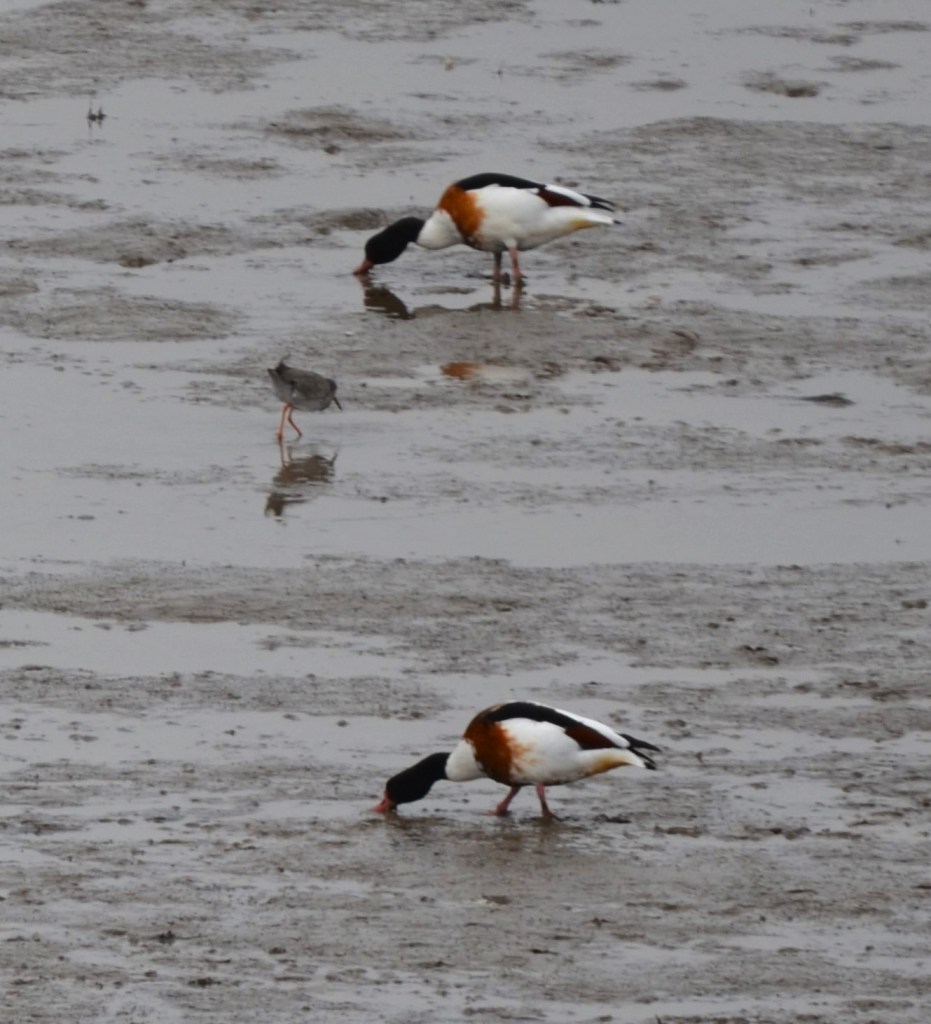
        Over to Wirral Country Park this morning. Although there was barely any wind (SSE), it was overcast and the temperature had dropped to a cold 12°C. Mind you, even at low tide when the sea had retreated, there was still activity on Thurstaston beach as various birds searched the mud and the shallow waters of the channels for pickings. There were Shelducks, Redshanks, Oystercatchers and the inevitable Carrion crows, amongst others.

    Shelducks and Redshank

     Shelducks and Redshanks

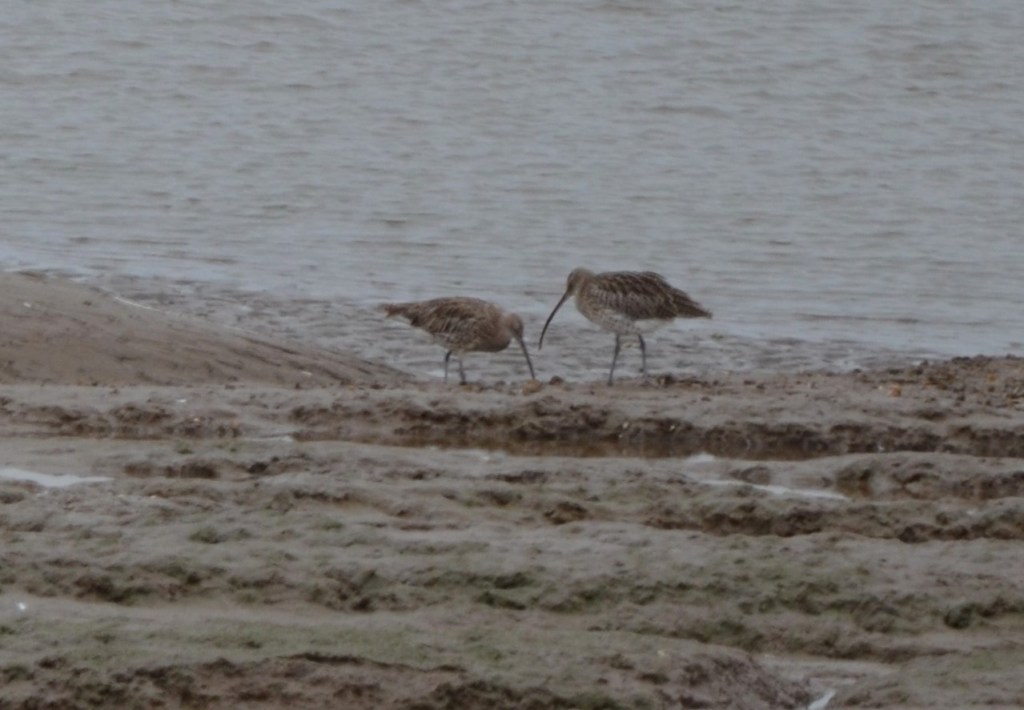
    I could hear a Curlew calling across the sands but was unable to spot it – have you ever noticed how difficult it is to pinpoint where a sound is coming from over a vast area? Luckily, though, Stu managed to capture a pair of Curlews scraping the beach for worms: the picture is a little grainy, but all the photographs today were taken from the clifftops.

    Curlews at Thurstaston

        Curlews

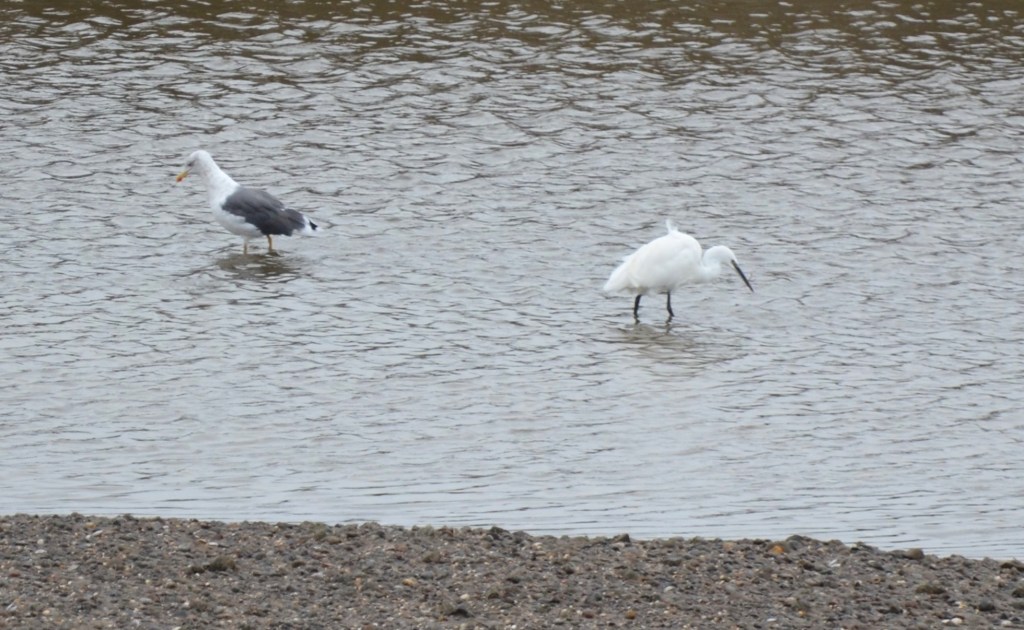
    I’m still not absolutely sure whether the gull wading in the channel near the Little egret is a Yellow-legged gull or a Lesser black-backed gull, but I’m opting for the latter. While both gulls have yellow legs, this gull’s plumage is the dark-grey which I associate with that of the Lesser black-backed gull. However, gulls are notoriously difficult to identify – well, for me they are, and that is my get-out clause, should I be wrong!

    Lesser black-backed gull and Little egret

       Lesser black-backed gull and Little egret

    The Little egret that’s moving in the opposite direction to the gull (whatever type of gull it may be) later joined up with another four Little egrets, and together they stood motionless on the banks of the channel, until occasionally one would swiftly extend its neck downwards and spear its prey in its long beak. I mention this only because I wondered, for no particular reason, what collective noun describes a group of egrets. ‘Congregation’ seems to be the preferred noun, although there are others. I suppose the term might be apt, but only for a well-behaved congregation that is not moving much. Maintaining a spiritual tone, a collection of godwits is known as a ‘prayer of godwits’, although it’s a little more difficult trying to trace where the term ‘godwit’ actually originates.

        This set me on wondering where all these names come from. Some collective nouns do make sense – a ‘murmuration of starlings’, for example. ‘Murmuration’ is described in Merriam Webster as ‘the utterances of low continuous sounds’, which perfectly describes the noise made by the beating pairs of wings of a huge Starling flock swirling around the sky. Others seem a little more obscure: ‘a committee of terns’, ‘a desert of Lapwings’, ‘a curfew of Curlews’, for instance. A ‘parliament of owls’ seems particularly incongruous, seeing as how owls are generally recognised for their sagacity, whereas Parliament, well…

        Eventually, we left the group of Little egrets and all of the other groups to it and headed back. One thing we noticed was, although there seemed to be a plentiful supply of blackberries, rosehips and sloes in the surrounding hedges, these fruits were all small, no doubt a result of the long, dry spell of weather over the last few months, when the plants have had to spread out moisture much more thinly than usual. And, while I realise that we’re now entering autumn, the leaves on many of the trees have already turned and fallen. Food for thought.

    The important stuff

    Talking of food (well, you just knew that was coming), Flissy’s café had plenty of Bakewell slices, so there was no quarrelling between your correspondents today. Highly recommended – the Bakewell, of course, and also not quarrelling!   

  • Rain stops play

    (Sunday 7th September, 2025)

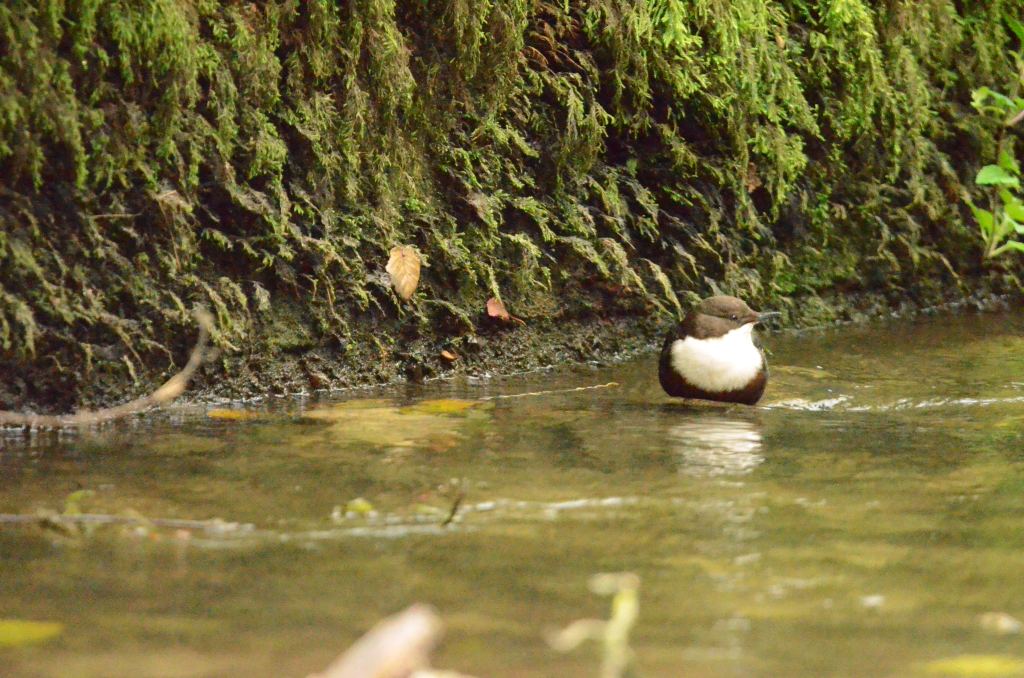
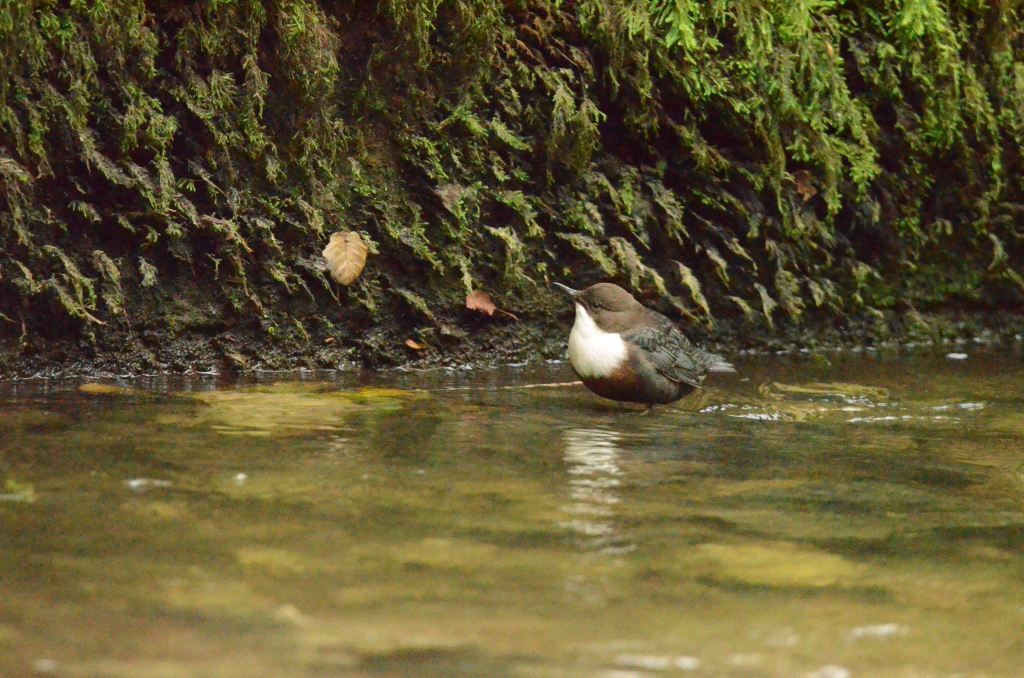
        We were at Loggerheads Country Park this morning and, although it was overcast, it was a reasonably mild 18°C, with a light south-westerly wind which was barely perceptible in the shelter of the woods. As we crossed the little bridge to the Leete path, we glimpsed a Dipper scooting upstream. We’ve seen them before along this stretch, but this was to be our only sighting today.[1]

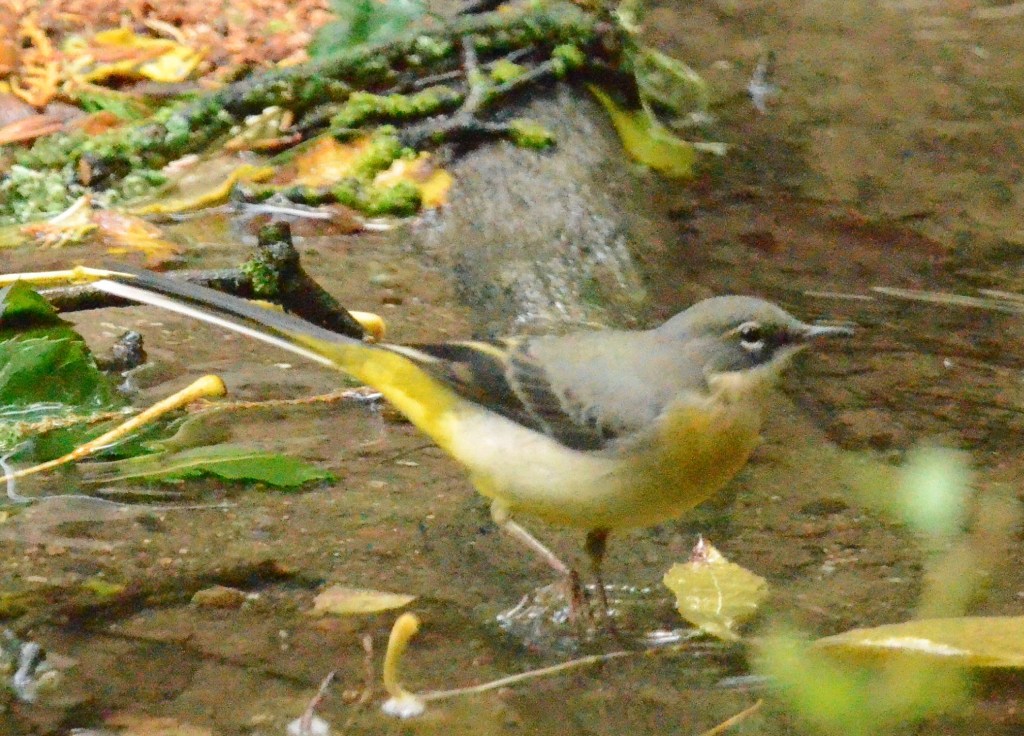
        We followed the Leete a short way, while scanning the riverside, each of us hoping to catch another sighting of the Dipper. I detected a little movement as I trailed my binoculars slowly over the landscape – or riverscape to be more accurate. Looking again, I saw that the movement was the long, see-sawing tail belonging to a Grey wagtail, which was perched on a rock as it scanned the water for food. This one was either a female or a juvenile as it lacked the distinctive black bib that males display during the summer (and I’m classing this as summer, or summer’s end, despite it being meteorological autumn). The grey, white, black, and lemony yellow form a lovely combination as you can see.

    Grey wagtail facing
    Grey wagtail side view

        Seen close-up, the Grey wagtail does strike you as being more colourful than its dullish-sounding name suggests, particularly in its underside feathers, and people often mistake it for the Yellow wagtail: the ‘Grey’ of its name refers to its grey back. The Yellow wagtail has an olive-green back and is much more yellow overall. Habitat is often a giveaway when trying to establish species, and Grey wagtails and Yellow wagtails differ from each other quite markedly in this respect. Grey wagtails are usually to be found near running water, where they can hunt for food, whereas Yellow wagtails prefer open fields and meadows, especially favouring ground that’s been disturbed by livestock, such as cattle or sheep, as this means that the birds can easily graze on the worms and grubs that are revealed as a result.

    Grey wagtail side view 2
    Grey wagtail and leaves

        We have seen Grey wagtails along the River Alyn here many times over the years and we’re fairly confident that they build their nests in the nearby cliffs that overlook the river. We were also lucky enough to see a family of Yellow wagtails quite recently in a cow field, happily scrabbling around the feet of their much larger bovine companions.[2]

    There was a little more water – or slightly less exposed river-bed – than the last time we were here. The river still disappears, but now just that little bit further downstream. However, there is still evidently enough food – aquatic and aerial – to satisfy the Dippers and Grey wagtails that share this short stretch of the Alyn. As the title of today’s post suggests we beat a hasty retreat after only an hour-and-a-half or so. The rain came down heavily and, within seconds, the ground became saturated and we were a little bit soggy ourselves.

    The important stuff

    Sadly, Caffi Florence closed its doors recently, which is such a shame. The staff were wonderful and obviously we have many happy memories. Today, though, we had to go elsewhere for our coffee and cakes and we decided on Daleside Garden Centre in Hawarden (yes, I know, it’s officially ‘Klondyke Strikes’, but we all still refer to it as ‘Daleside’). Anyway, the cappuccinos were accompanied by an Eton Mess slice (Stu) and a Raspberry Meringue (Col). Very nice!


    [1] Morning Dippers, Sunday 24th August, 2025

    [2] Bittersweet Memories, Sunday 3rd August, 2025

  • Hungry Heron

    (Sunday 31st August, 2025)

        Over to Roydon Park on the Wirral Peninsula this morning. We took a little excursion into the woods and sat on a bench underneath a beech tree, just looking and listening. Occasionally runners and walkers passed by, the walkers often with dogs accompanying them, the dogs bounding excitedly at the thousand and one aromas that assaulted their senses. Apart from the raucous rattling of one unseen Magpie in a nearby tree, however, it was generally quiet, although I would say soothingly so. One of the many benefits of getting out and about in nature is that it only takes a few moments before your anxieties begin to wash away and you adapt to the rhythm of your natural surroundings.

    Grey heron with fish in its beak

        Grey heron with its breakfast

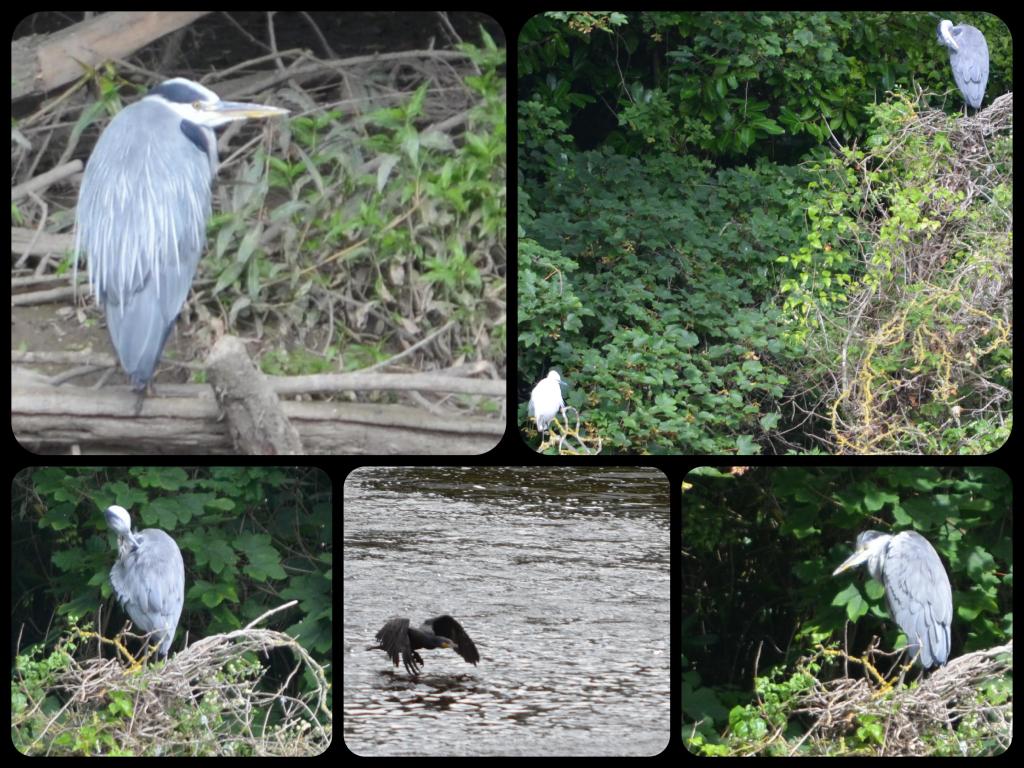
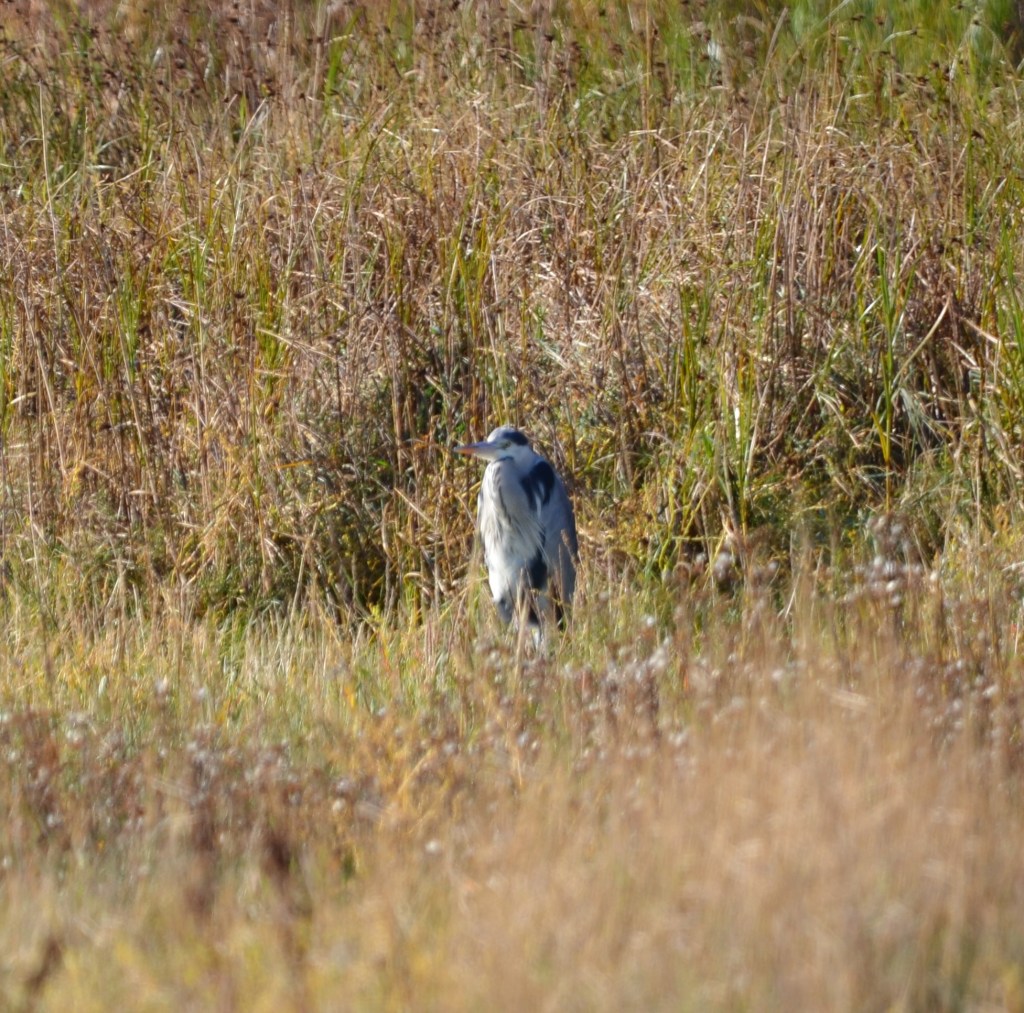
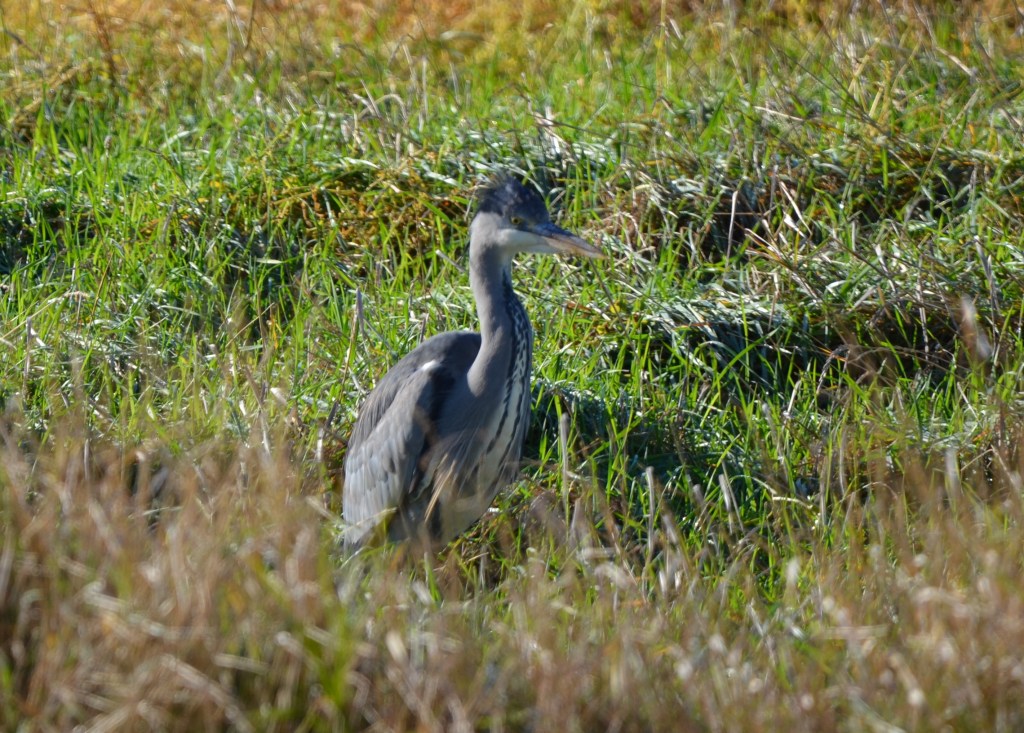
    Eventually, we exited from the woods and detoured to Roodee Mere, the lake near the miniature railway. A Grey heron was standing motionless on a raised platform in the mere, though we could see that its eyes were closely scouring the water for its breakfast. Several minutes went by when it suddenly lunged into the water and retrieved a fish. Stu managed to photograph the heron with the unfortunate fish in its beak.

    The Grey heron trying a different vantage point

    We watched a little longer, and we were amazed to see this persistent bird transfer itself to a low branch of an oak tree that was overhanging the water, then conceal itself in the foliage. As it flew to this new vantage point, it really did bring to mind a Pterodactyl. Mind you, I’ve never actually seen a Pterodactyl – I haven’t been around quite that long – but I’m sure you know what I mean.

    Moorhen chick following mother

       Moorhen chick following its mother

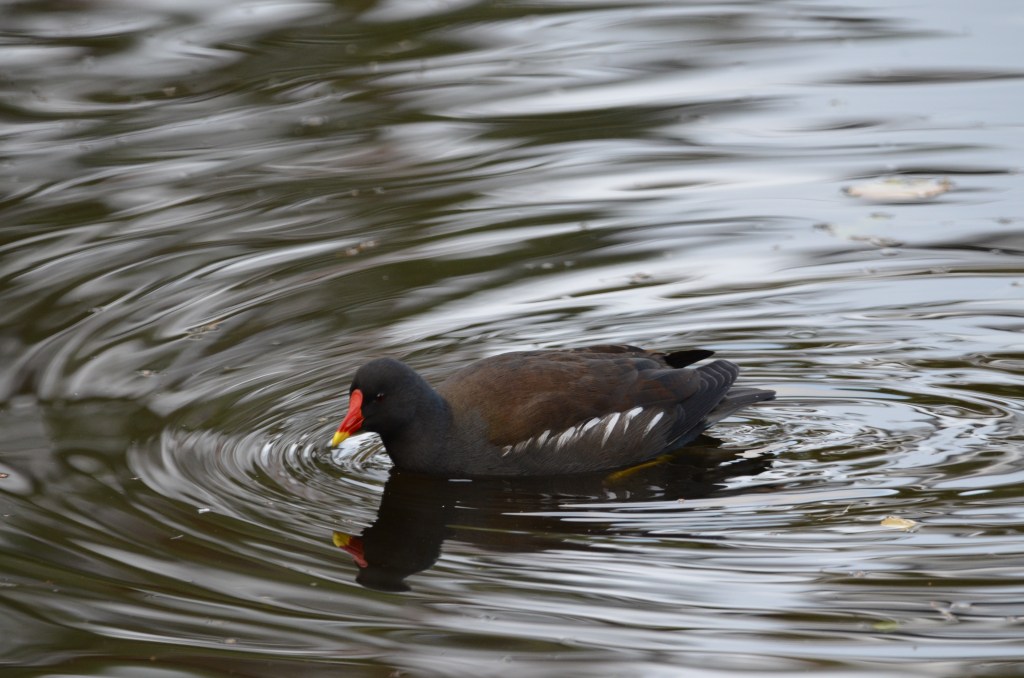
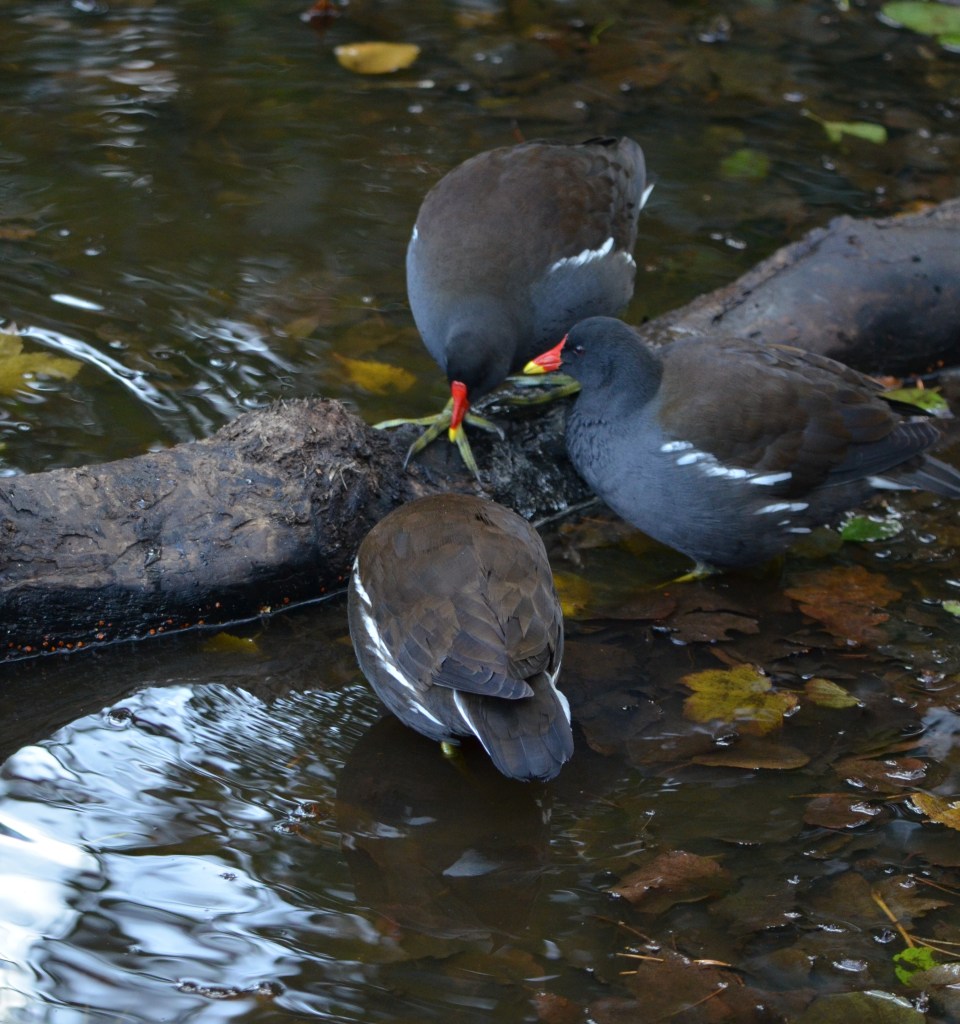
    There were quite a few Mallards swimming on the water, and Moorhens too: we watched one chick trailing its mother as she determinedly led it away from the heron.  (Grey herons will take Moorhen chicks if the opportunity is there, so the mother was right to be cautious). The far side of the mere was bedecked with lilies and other floating vegetation, and we watched in amused fascination as another family of Moorhens, chicks and parents, walked from one lily pad to another with their distinctive high-stepping gait.

    Moorhen chick solo

        Moorhen chick looking for a comb

    Despite the odd gust of wind, it was a relatively warm 19°C and we saw several butterflies flying about at the mere’s perimeter, including Meadow browns, Small whites, and Speckled woods.

    The important stuff

    Retiring to The Courtyard Café for our well-earned edibles, we very nearly came to blows as there was only one Bakewell Slice left! Fortunately, common sense prevailed and so we sat down and enjoyed Lemon Drizzle cake (Stu) and the aforementioned Bakewell (Col). Marvellous!

  • Morning Dippers

    (Sunday 24th August, 2025)


    Dipper facing

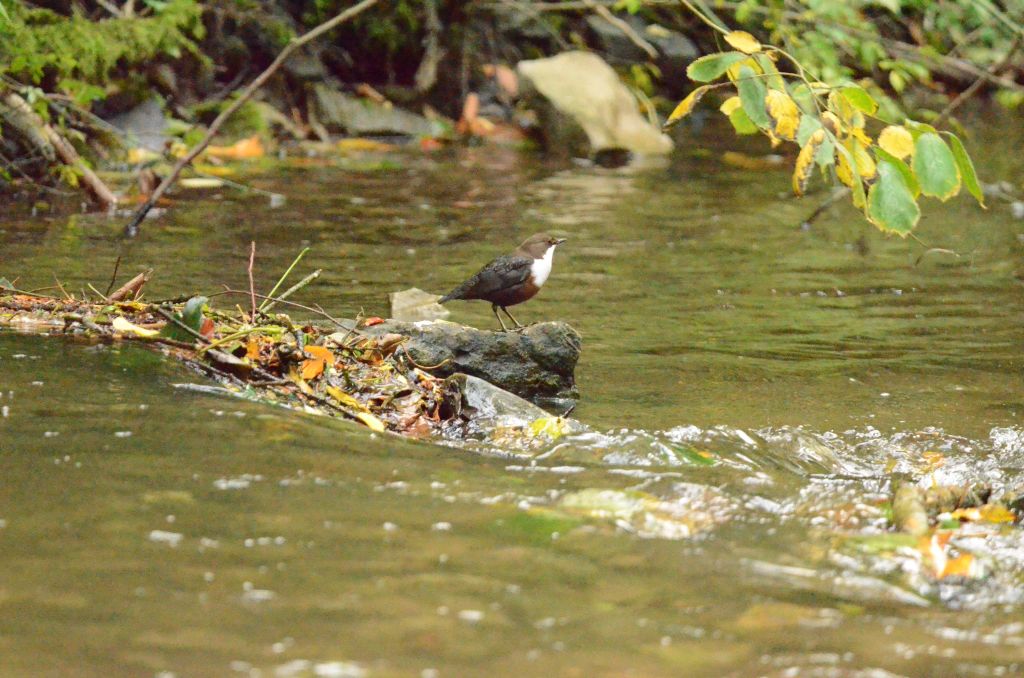
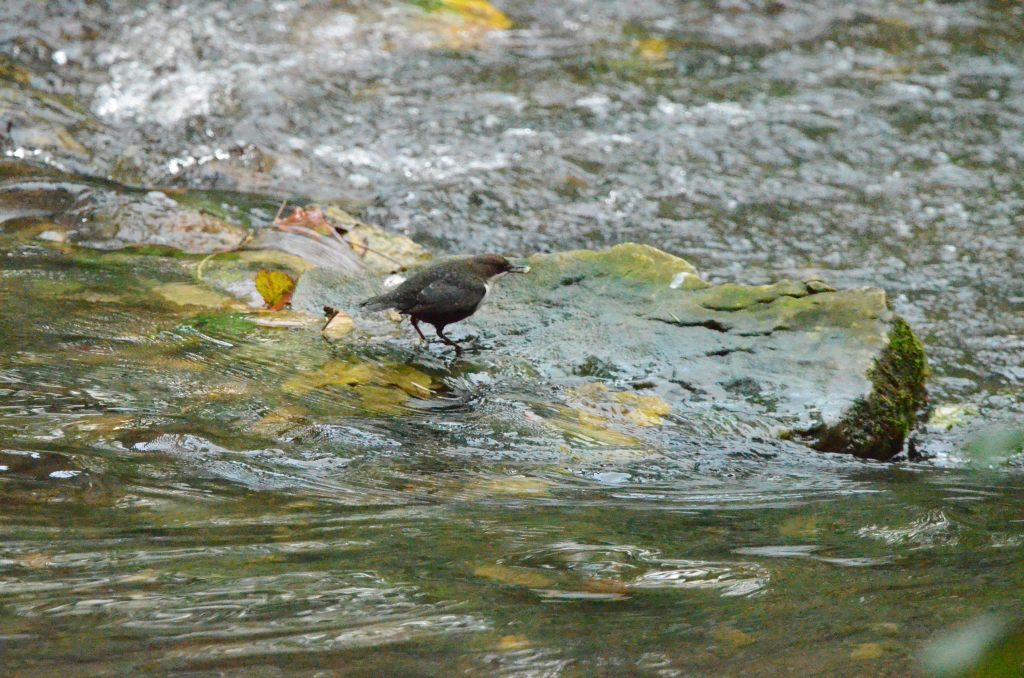
    Over to Loggerheads Country Park this still, warm morning (21°C), where we saw a pair of Dippers. As I’ve stated previously, the River Alyn disappears from the surface a short way downstream from the picnic area, but continues to flow underground.[1] Upstream, however, the water still flows sufficiently enough to attract the White-throated dippers, more commonly referred to as just Dippers. These plump, short-tailed birds are very distinctive: mature Dippers have a black back, dark brown wings and tail, and chestnut head and belly, with a completely contrasting white throat and bib. It’s very difficult to tell the sexes apart, although we suspect that these two were a pair, each patrolling overlapping stretches of the river.

    Dipper 2

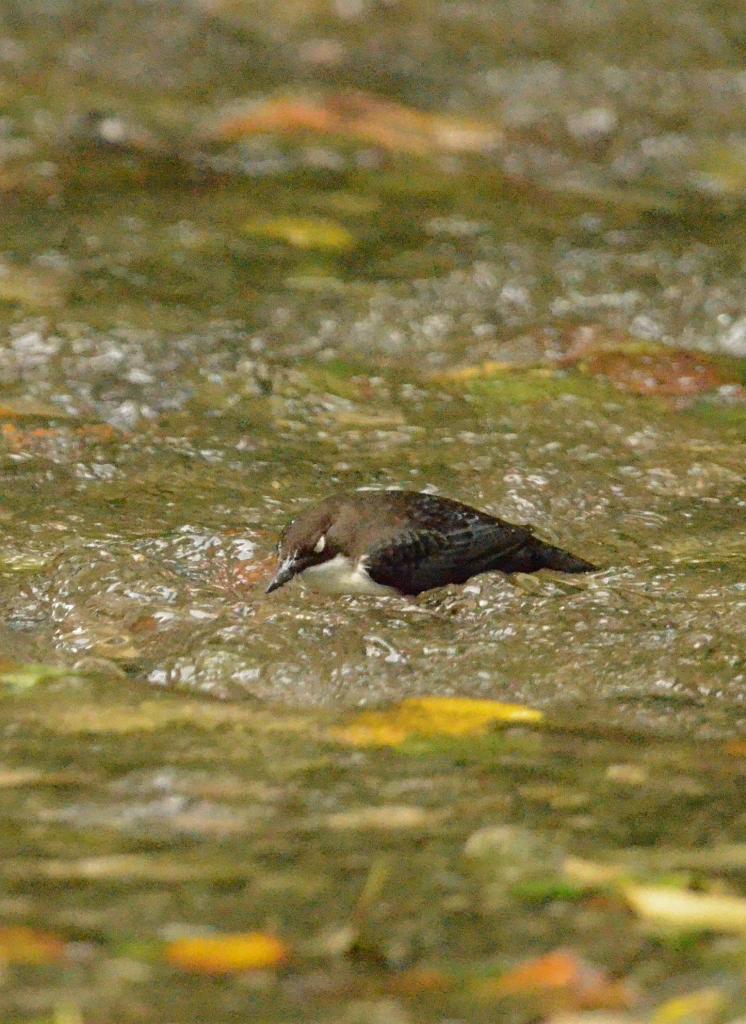
    Watching them perform their up-and-down bobbing on rocks surrounded by water was fascinating: frankly, it was comical! One of the Dippers submerged itself in the water, presumably seeking food, although I missed this as I was watching its mate further downstream.

    Dipper 3

    Wandering further down the Leete path, we saw several piled logs, which were presumably laid down deliberately to attract insects. A Wren seemed to be making the most of the grubs and larvae, skipping quickly along the rotting branches and in the undergrowth.

    Wren 3

    Male and female Wrens look very similar, so we’re not sure which sex this was, but what a lovely bird. The Wren is rotund (not unlike the Dipper) and brown, but with very distinctive markings: note the brown and white barring on the wings and the short tail, which is often held erect. At one point, a Robin appeared nearby, probably guarding its territory from the Wren’s incursion, though I’m pleased to say that there was no squabbling!


    We sat at the benches which are a little further along the path, where we saw several Small white butterflies collecting nectar from the numerous Great willowherb flowers in the woods. As we returned to the picnic area, through the tree canopy we saw a Common buzzard floating high above the cliffs – we’d heard its high-pitched mewling before we saw it. At the wild garden, a (female) Green-veined white butterfly posed for the camera – the females usually have two spots on their cream-coloured forewings.

    Green-veined white

    The important stuff

    After the morning’s exhaustions, we were in dire need of nourishment so, luckily for us, the café – Caffi Florence – was handily situated nearby. Customary cappuccinos were accompanied by a Strawberry and Almond slice (Col), and Coffee and Walnut cake (Stu). Suitably fortified, we were heading back to the car when we noticed a pair of House martins darting in and out from under the roof of the end building. We looked up and saw two well-constructed nests, although only one appeared to be in use. Stu pointed his camera lens upwards and got a couple of shots of the chicks that the parent birds were delivering food to.

    House martin chicks 2

    [1] See The River Vanishes, Sunday 27th July

  • Birds, Butterflies and Belugas

    (Thursday 21st August, 2025)

        Over to the RSPB wetlands at Burton on the Wirral peninsula today with my mother, my youngest brother, Michael, and his eldest daughter, Sophie. None of them had visited here before. The sun came out from time to time, but it was otherwise overcast. When we arrived, we were told that a Bittern had been seen at the reedbed: it showed itself twice during the time that we were there, but not in our presence I’m afraid!

        A Greenfinch and a Great tit were taking it in turns to visit the feeder, just beyond the visitor centre. While absorbed in this sight, we noticed movement in the undergrowth, and after a few moments we saw several rats shuffling along stealthily: they looked very well-fed and were obviously regular visitors to the ground beneath the feeder, capitalising on all that the birds habitually spilled.

    Mallard on tree trunk

        Above: Mallard on tree trunk (Photo: Sophie)

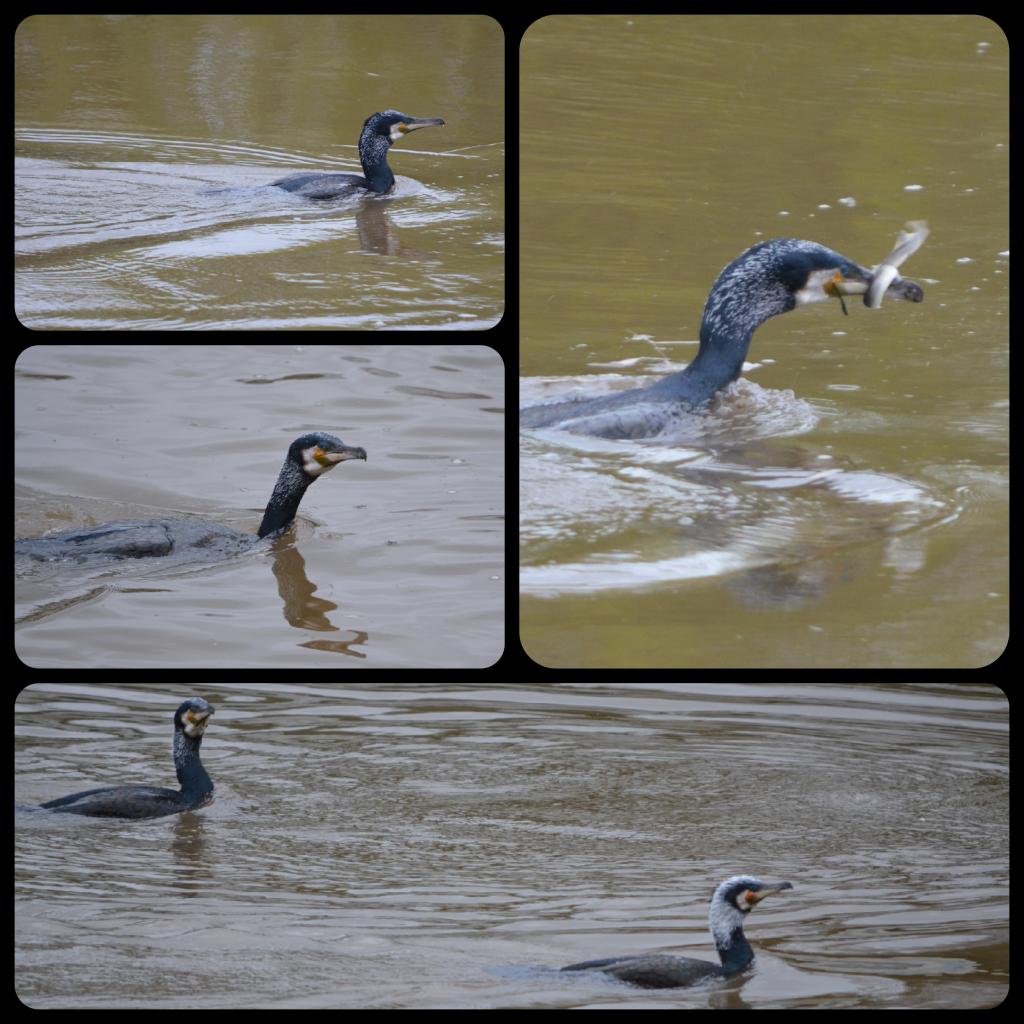
    We meandered around the mere, noting a Mallard squatting on the upper part of a tree-trunk that was half-in, half-out of the water, and a pair of Moorhens that were investigating the edge of the shore for food. While we were looking over at some Canada geese that were swimming at the northern part of the mere, there was a commotion in the water nearby: a Cormorant surfaced, took a few breaths, and then dived in search of fish again. A chance now-you-see-me-now-you-don’t sighting which we were all happy to have witnessed.

    Left: Comma – note the distinct white mark that gives the butterfly its name, and Right: Speckled wood (Photos: Sophie)

    There were plenty of butterflies today, including Small whites, Green-veined whites, and lots and lots of Speckled woods. In fact, as my niece, Sophie, was focussing her camera-phone on one Speckled wood that was stretching out its wings atop a leaf, a pair of them were spinning around each other as they passed. Sophie also managed to photograph a Comma, its wings upright, and another butterfly which we suspect is a Dark-green fritillary, though we can’t be sure. This is guesswork really, as camera-phones are limited in the photographic detail that they capture, so the resultant picture isn’t exactly pristine. However, given the area that we were in – ancient oaks predominantly – and the fact that the commonest fritillary in the United Kingdom is the Dark-green, we’ll plump for that. (Please let us know if you have other thoughts).

    Fritillary

        Above: Dark green fritillary? (Photo: Sophie)

    Regular readers will remember that on Sunday just gone (17th August), we reported lots of small flocks of Canada geese orbiting the marshes nearby. Judging by the amount of Canada geese at the wetlands today, they had all ended up here! They were by far the most numerous bird species to be seen from the main Reception area and also from the Bunker hide, and now looking from the Marsh Covert hide, it seemed that all we could see was Canada geese. However, as if to dispel this idea, Sophie suddenly drew our attention to a Common buzzard that she’d spotted circling to the south, and which rapidly rose in the air on the thermals. We all watched it through the windows, noting its large size even at a distance.

        A number of orange-red dragonflies shadowed us along the paths between the Marsh Covert and Border hides and seemed, at times, to be leading us onwards. These are Common darters, and we even saw one pair mating while they were in flight. A Marsh harrier crossed close overhead and, while we didn’t manage to photograph it, we did have a clear view of its underwing, which was the distinctive grey, fringed with black outer feathers, of the male.

        From the Border hide we could see lots of Greylag geese, Lapwings, and Black-tailed godwits, and we also observed a couple of Redshanks on the far bank and some Teal on the isle nearby, just visible amongst another group of Greylags. On the return journey, just as we emerged from the small copse, a Kestrel flew across our path.

    Common reed

       Above: Common reed

    Sophie and I detoured to the reedbed to see if the Bittern was there, but sadly not. As I mentioned at the very beginning of this article, the Bittern was only eluding us – it seems that everybody else saw it that day! A lucky few also saw a Kingfisher and a Hobby. Maybe another time, but I do know that Michael, Sophie and my mother were thrilled to have seen so much during their visit. As we emerged from the reedbed viewing spot, my mother, who was waiting with Michael, said: ‘Did you see the big bird, then?’ I thought we’d missed a Heron or an Egret or another large bird, but she meant the Airbus Beluga which had just flown past. Very amusing!

    The important stuff

    All four of us had cappuccinos, accompanied by Blueberry muffins (Sophie, Michael, and my mother) and a very tasty vegetarian pastie (Col). Awesome!

  • Geese on the Wing

    (Sunday 17th August, 2025)

       Over to Burton Marsh this morning on the western side of the Wirral peninsula. After parking up, we followed the path north-westwards towards Neston, flushing out a male Pheasant from the marsh scrub as we walked close by, although it was completely accidental. It was a little hazy looking over the marsh towards the Flintshire Bridge, but this quickly cleared during the morning.

    Flintshire Bridge in the haze

    We saw several separate flocks of Canada geese flying over various sections of the marsh’s broad expanse. (I should call them ‘skeins’ of geese as they were all flying, but the term seems a little pretentious somehow). We were fortunate that one small flock passed quite close above and we witnessed two of the geese move from the rear to the front, which is something that neither of us had seen before other than on television. As the pair moved up, the flying-V formation was somehow maintained. The photograph below captures the moment just after the two Canada geese had changed positions with the rest of the birds.

    Canada geese switching positions

        I believe that Canada geese resident in the United Kingdom are viewed as non-migratory, although I can guarantee that my local golf-course pond will be absent of Canada geese and Greylag geese for the winter months again this year, so they must go elsewhere within the country. (Mind you, I think that the two pairs of Moorhens that remain here, near my home in North Wales, breathe a sigh of relief at their temporary absence!) I only mention this because I’m convinced that the numerous (let’s be pretentious) skeins of Canada geese flying over the marshes were stretching their wings to keep in trim for a longer flight to be taken soon – perhaps to the eastern part of the country? Whatever the reason, the geese were very active this morning. One group of about seven geese had two stragglers trying desperately to catch up with the rest of their companions: we immediately named them ‘Colin’ and ‘Stuart’, to nobody else’s amusement but our own!

    Still chortling at our amazing wittiness, we observed lots of Swallows zipping low down over the marsh gathering and eating as many insects as they could, in order to help ready themselves for the 6,000 mile journey back to South Africa and Namibia, where they will over-winter. We saw hundreds more Swallows later, massing on the telephone lines by Net’s Café, where we inevitably ended up so as to satisfy our demanding stomachs.

    Common mallow, Meadowsweet, Yellow iris, Common hemp-nettle (the leaves of which don’t carry a sting but can nevertheless be an irritant to skin) and Crab apple trees bordered the lanes. Fruits were also supplied by Hawthorns (haw berries) Blackthorns (sloes) and Dog roses (rosehips). The thorny thickets formed by these shrubs and trees are also ideal for nesting, as they help offer protection from predators.   

        Teasel, Blackthorn, and Common hemp-nettle

    The important stuff

    As mentioned above, we concluded the day’s outing at Net’s Café, where we both had our usual cappuccinos – accompanied by a Chocolate Brownie (Stu) and a slice of Cinnamon and Apple cake (Col). Scrumptious!

    Canada geese on the turn
  • Bird-ringing at Ness Gardens

    (Wednesday 13th August, 2025)

        Over to Ness Botanical Gardens today for the bird-ringing demonstration being held by the Merseyside Ringing Group. The team had set up mist nets between poles on known or suspected flight paths earlier in the morning, and these nets enable the birds to be caught safely. Each bird is identified by species, sexed (although this is often quite difficult with young birds), weighed, measured from shoulder to wing-tip, and tagged with a unique identifying ring, which is placed around one of their legs. Similar data is recorded for those birds that have been ringed previously and, in this way, a picture can be built up of the behaviours, migratory patterns, population size and general health of the various species of birds.

        Above: Greenfinch and Great tit being held prior to release

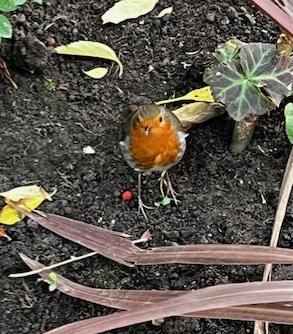
    Quite a variety of birds were captured, including Blue tit, Great tit, Greenfinch, Chaffinch, Blackcap, Chiff-chaff, Dunnock, Blackbird and a Robin. The Ringing Group were all very knowledgeable and engaging, each patiently instructing various members of the audience on how to safely hold the birds and to safely release them back into their habitat. Sometimes, a bird may be temporarily disorientated, which is why you’re advised to offer a supporting hand beneath them, in case they should fall. When I released the Robin, for example, it remained in my supporting hand for a few seconds before eventually flying off. It was great to see the pleasure on people’s faces – young and old – as they held the birds then released them. Pure joy, really!

        Above: Chaffinch and Robin

    If you do get the chance to attend a bird-ringing demonstration, you’ll find that not only do you get to see birds in close-up, but that you learn more about them through this close attention. For instance, I didn’t know how fond of blackberries the Blackcap is, until one of the bird-ringers smoothed back a male Blackcap’s feathers on its belly: this revealed the dark stain of blackberries on the bird’s skin beneath, and we could see the evidence on the bird-ringer’s fingers as well!

        Above: Blackcap (male)

    Although we did go up to the viewing point for a few minutes, to look across at the Welsh hills, it was a very hot and sunny day (26°C). This was fine while we were in the shade, but not so bearable out in the open.

    The important stuff

    The café was very busy here today – there were several other events on at the same time (it was Celebrating Nature Day at Ness Gardens today) – and the extra bodies were adding to the general heat. We decided to chance it and drove down to Burtons at the Manor in Burton village. We managed to park and we sat outside, sipping our cappuccinos and chomping on Orange Clementine Cake (Stu) and Victoria Sponge (Col). Marvellous!   

  • The Delights of the Donkey Stand

    (Sunday 10th August, 2025)

        Over to Parkgate this morning, parking at the Old Baths Car Park. Today is the last day to submit data for the 2025 Big Butterfly Count, so perhaps we were looking more closely than usual, but we saw lots of Small white butterflies and Large white butterflies flying in the warm sunshine and at Parkgate Marsh this morning. This year shows much more promise than last year, which was a bit of a wash-out due to the wet spring, and hopefully this will be reflected in healthier numbers once the 2025 butterfly count comes in.

        A lovely day today with very little breeze, and one of the delights here on such days is the expansive view: the green grasses of the marsh itself seem to go right across to the Welsh side of the Dee, the river barely visible; and the vast blue sky over which a giant watercolour brush has swept and left its marks…well, let’s be honest, I can only do a disservice to the beauty of it all, so I’ll stop there – but you get the idea!

    Small white butterfly female

        A female Small white butterfly very obligingly presented itself for a picture just at this moment. We sauntered down to The Donkey Stand, which is so named because it was where, in former times, children climbed aboard the donkeys that would take them from here to The South Slip and back (where the Old Quay pub is now). We usually head to The Donkey Stand as, not only are there benches on which to rest one’s personality, but it’s also a great viewpoint for the nearby stretch of water (or ‘flash’ as it’s sometimes called), which attracts birds even on quiet days. As we arrived at the benches, we spotted a pair of juvenile Moorhens trying, not very successfully, to move surreptitiously towards their much better-concealed parents on the marsh.

    Godwits, Avocets and Greenshanks
    Reflective Little Egret

        There was an abundance of birds on the flash: Black-tailed Godwits, many with their lovely, burnished undersides, Avocets and Greenshanks were all wading in the shallows. On the isle in the middle of the water, a Little egret preened itself while a pair of Oystercatchers kept an eye on it. There were in fact three Little egrets that seemed to alternate between preening and suddenly marching through the water in search of food: the abruptness of their actions caused a little consternation with the other birds, who moved out of the way just as abruptly. Away from the main body of birds were two Lesser black-backed gulls, and it was noticeable that the egrets automatically avoided getting too close to these large gulls! (Later, all three Little egrets were on the distant shore when a Great white egret flew in. They scattered in different directions and I’m guessing that it was the suddenness of the Great white’s arrival that startled them, and not outright fear of being attacked).

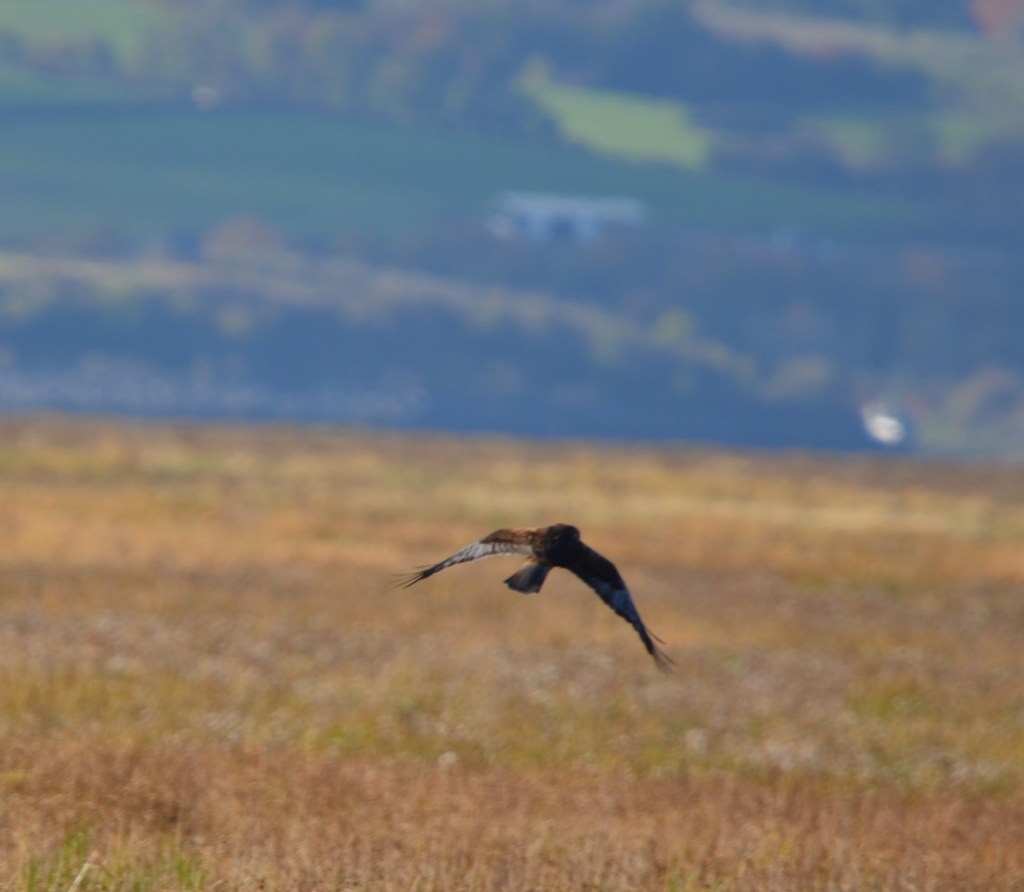
        Stu brought my attention to a Marsh harrier that appeared out of nowhere, flying over the water. It continued its low flight, sweeping across large swathes of the marsh until just as quickly disappearing from sight. We’d seen a Marsh harrier last week at Burton Wetlands, although only briefly. This one returned twice again and stayed around long enough for a photograph – it looks like a female, though I may be wrong. One of its appearances caused the Bar-tailed godwits and the Avocets to take to the air.  

    The important stuff

    After all this hard work, we sat on the bench outside Nicholls of Parkgate, on the opposite side of the road, and sipped our Cappuccinos, munching on Borders chocolate ginger biscuits. Ah! Bliss!      

  • Bittersweet Memories

    (Sunday 3rd August, 2025)

        Over to RSPB Burton Mere Wetlands today and, even though we arrived shortly after 9:00 am, it was already busy. We had been informed that there was a flock of Yellow wagtails in one of the fields inland from the Bunker Hide, so we headed through the south-easterly gate and, just past the hide, we joined several folks who were each aiming cameras, binoculars or ‘scopes at a small herd of cattle in the nearby field. Of course, everyone was actually focussing on the tiny Yellow wagtails next to the cattle: these were darting about, collecting grubs and insects from around the ground that had been disturbed by the cows’ movements. Most of the cows were lying down predicting rainfall, but the wagtails were busily hopping about regardless. The birds were quite some distance away, so the photos aren’t great, but you can see the difference in scale. (The Yellow wagtail is to the bottom right of the picture).

    Yellow wagtail and cattle

        We moved on to the picnic area but didn’t stay long as a faint drizzle began to fall, so we sought somewhere a little less exposed to the elements. Retracing our route, we headed back to the Visitor Centre, emerging at the opposite side. Several Coal tits were retrieving snacks from the feeder as we passed. The drizzle having stopped now, we took a slow amble around the mere, seeing Mallards, Northern shovellers and Canada geese here and there. As we approached the reed screen, we could see what looked like a male Marsh harrier in the distance, although he (if a ‘he’) wasn’t around long enough to clearly identify, and quickly disappeared into the distance.     

        There was plenty to be seen from the Border hide today, including Coots, Shelducks, Greenshanks, Moorhens, Black-tailed Godwits and Lapwings. Separately stalking the shallows on the far bank, were a Great white egret and a Grey Heron.

    Each bird studiously examined the fringes of its section of the pool before deftly stabbing below the surface for food. A little nearer by was a large gaggle of Greylag geese, quietly relaxing on the water. We noticed a completely white goose which was happily preening itself and feeding amongst them, and this was presumably a genetic throwback: apparently, the geese that were originally domesticated by humans were derived from the Greylag. As we made our way back, we saw a skein of Canada geese flying low, presumably coming into land, and Stu got a good picture of them I reckon.

    White Greylag
    Skein of Canada geese


    To the side of the path, we recognised the distinctive shape and colouring of a flower that we’d seen along this way previously. Its purple flowers are often swept back, which emphasises the protruding yellow stamens: to me, the flowerhead resembles a colourful throwing dart, but maybe that’s just me. I looked up the plant later and discovered that it’s called Bittersweet. The berries, while benefitting some birds such as thrushes, are poisonous to humans although historically parts of the plant were used medicinally. (The bitterness of the plant left a sweet aftertaste, hence its name). Perhaps more importantly, Bittersweet can intermingle with other climbing plants to offer dense shelter for animals and birds.

    The important stuff

    Back at the café, I had a toasted tea-cake with my cappuccino. Stu’s cake – a glorious pink and yellow concoction – looked unappetizingly high in sugar and saturated fats, although neither of us can remember what it was called. A mystery then, although I believe that he still went home and complained to his wife that he was hungry!

  • The River Vanishes

    (Sunday 27th July, 2025)

        We were at Loggerheads Country Park on what turned out to be quite a dullish day. Apart from a single Common crow, the park was absent of any avian sightings. In fact, there wasn’t any birdsong during the morning, which leads me to suspect that ‘moulting season’ has begun, which is when birds renew their feathers. Even if a bird is only partially shedding feathers, it’s flying ability can still be hampered, leaving it vulnerable to predators, so it won’t want to attract attention by making any noise while waiting for its new feathers to grow. It does seem unusual that every bird would moult at the same time, so perhaps they were all having a lazy day in the nest watching (muted) telly. Anyway, it was quiet.

        A contributory factor to the silence of the woods was the River Alyn which seemed to abruptly stop flowing just beyond the wooden bridge. No water, no insects – aquatic or aerial – and so no birds. We have witnessed this before[1] and it is peculiar to this area: the riverbed is limestone and has a lot of ‘swallow holes,’ and underground caves into which the water pours. From as far back as medieval times the area was being mined for lead, although the amount extracted greatly increased during the 1700s: the Leete Path takes its name from the artificial water course – or ‘leat’ (also spelled ‘leet’ or ‘lete’) which originally conducted water from the Alyn to the waterwheels that were used to power the mining machinery. During prolonged dry spells and high temperatures the Alyn appears to, well, disappear. It does resurface, so to speak, further downstream, ultimately discharging into the Dee Estuary near Bagillt. I highly recommend the Afonydd Cymru website, which has some fascinating information on the rivers of Wales, including the River Alyn:  https://afonyddcymru.org

    The important stuff

    After a while, we realised that it wasn’t just the Alyn’s riverbed that was dry, and we proceeded to Caffi Florence where we indulged in our usual cappuccinos and cakes. I had Orange Drizzle cake and Stu had a Chocolate Brownie. Lovely!

    [1] See Along the Leete 14th April, 2024