(Sunday 29th March, 2026)
There was a south-westerly blowing this morning, although we escaped the worst of the gusts by virtue of being in the woods at Loggerheads Country Park in Denbighshire. It was still a bit chilly (8°C) but I think we’re all becoming accustomed to this topsy-turvy ‘spring’ weather. At least it was dry.
Just as we joined the Leete path from the little stone bridge near the mill, we saw a Song thrush fly in and settle on a high branch of one of the trees upstream from us. We’ve seen both Song thrushes and Mistle thrushes in these woods over the years but we’re seeing them less and less as time passes – nationally, both are in decline.
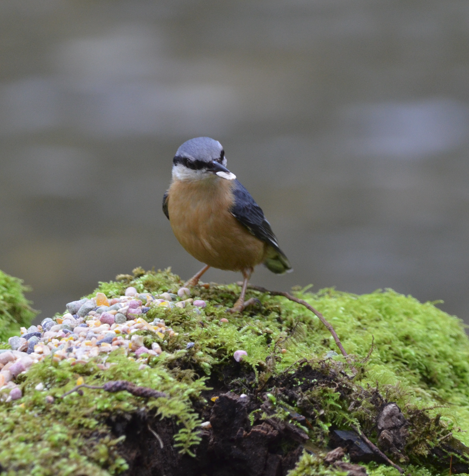
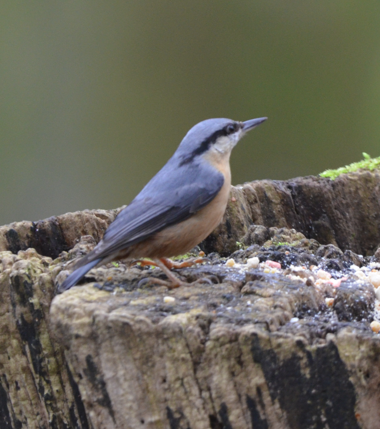
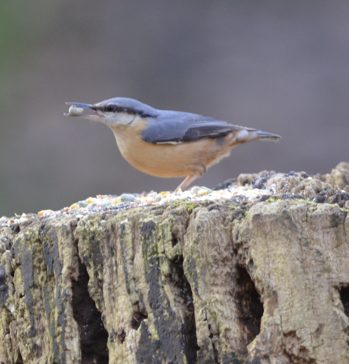
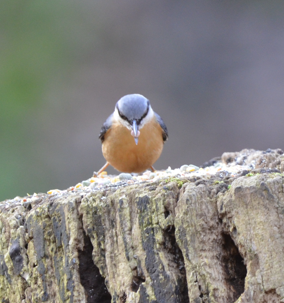
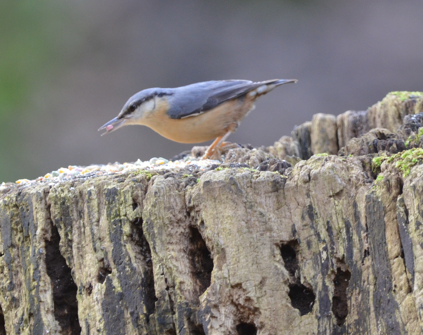
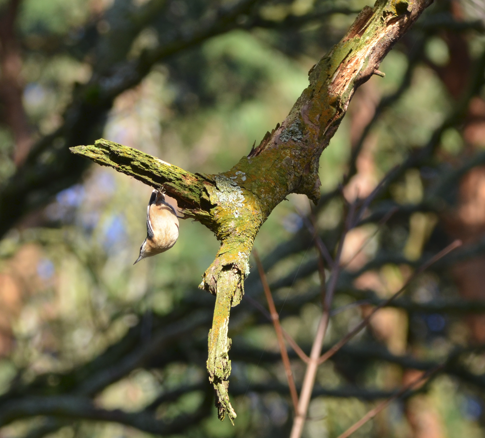
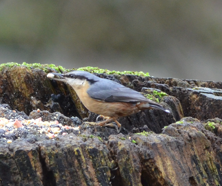
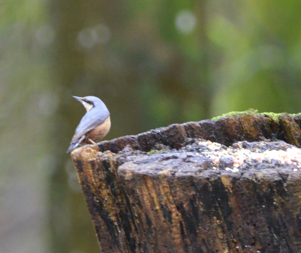
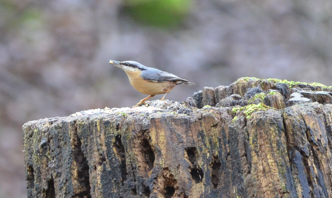
Nuthatches, on the other hand, have greatly increased their numbers since the 1970s and we often see them hopping up and down tree trunks, or flitting about filching nuts and seeds.
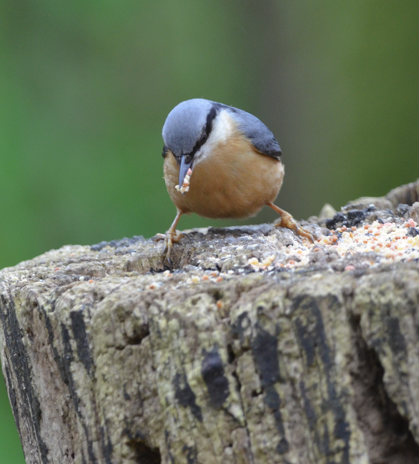
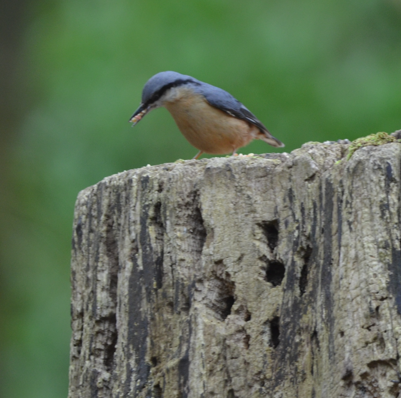
This Nuthatch used ‘diversionary’ tactics to conceal its food source…
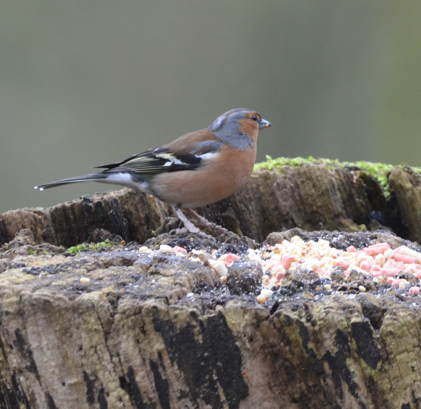
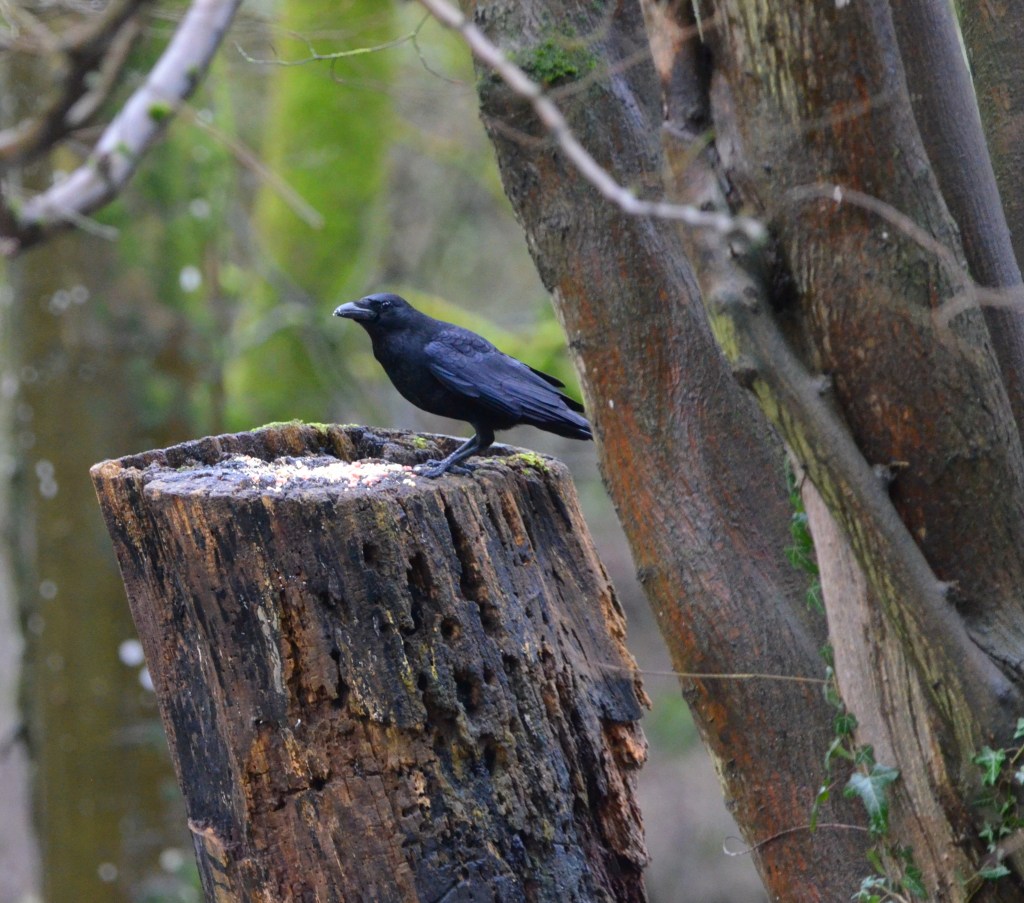
Today was no exception and it is amusing to watch them fly from tree to tree, executing a sort of diversionary route – presumably to foil either predators or, more probably, to avoid revealing their food source to other birds. Mind you, there was little they could do once the Carrion crow discovered their source!
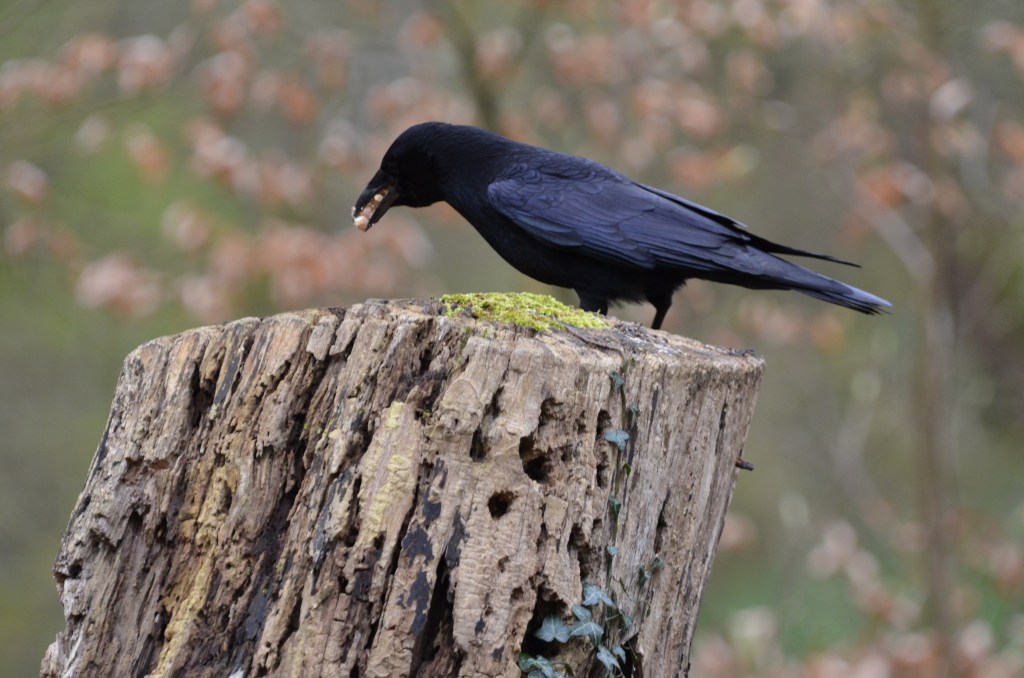
…but the Carrion crow discovered it anyway!
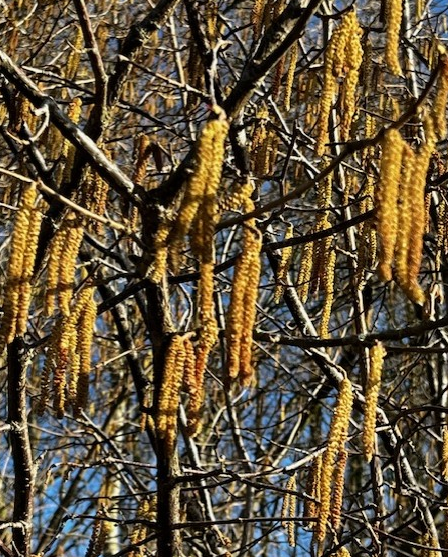
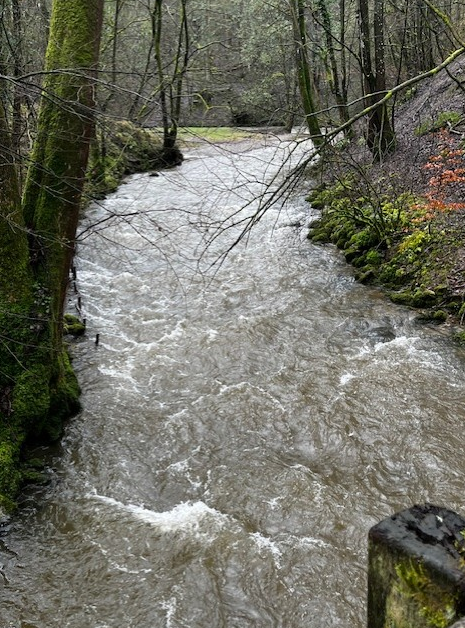
Apart from the odd bit of hawthorn blossom here and there, the trees are generally free of any foliage (well, not counting the evergreens). But I don’t think it will be too long before everything begins to flourish. We noticed, for example, the aroma of wild garlic which reached us when the occasional gust of wind pushed through the woods. There is an abundance of garlic leaves to be seen on either side of the River Alyn, but no sign of the plant’s distinctive white flowers just yet.
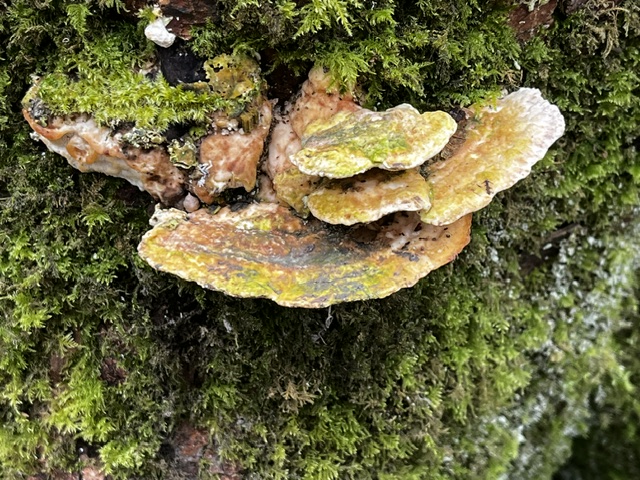
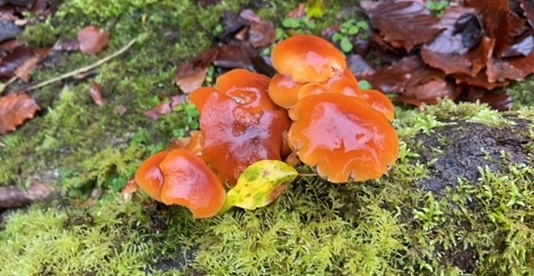
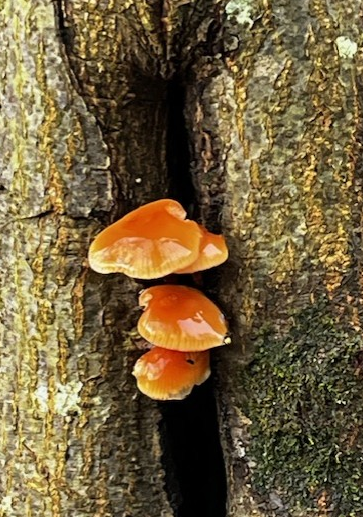
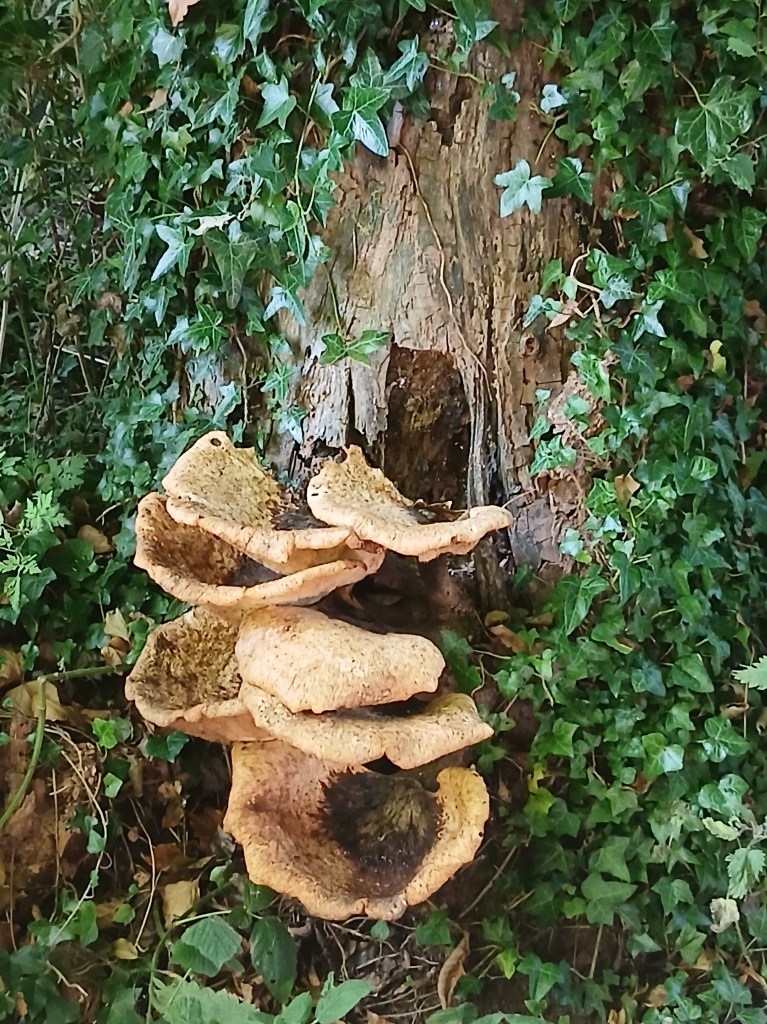
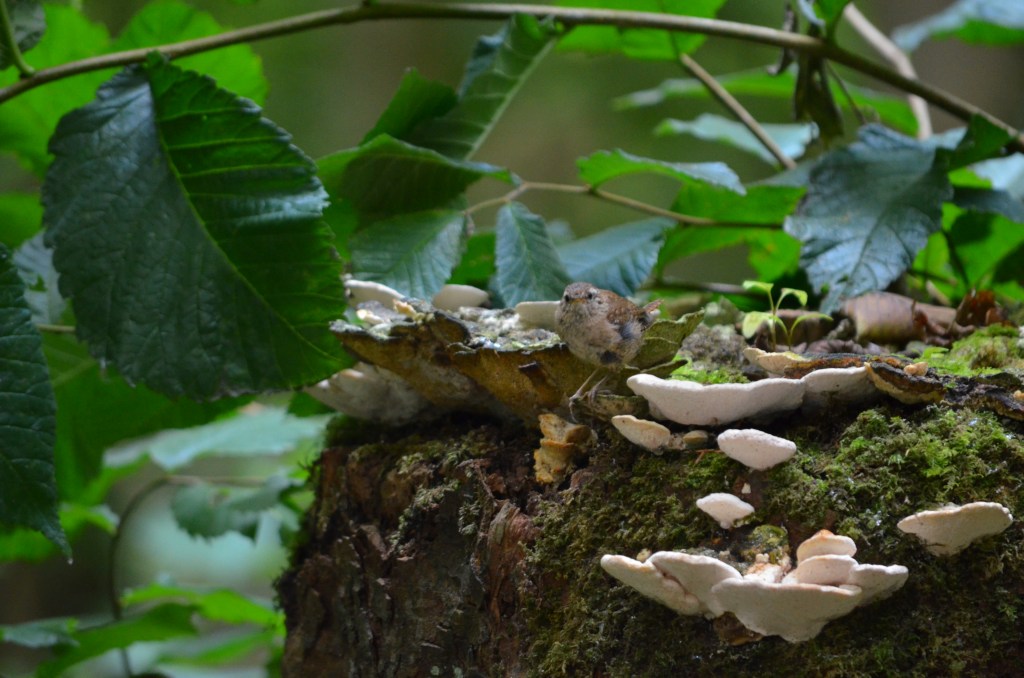
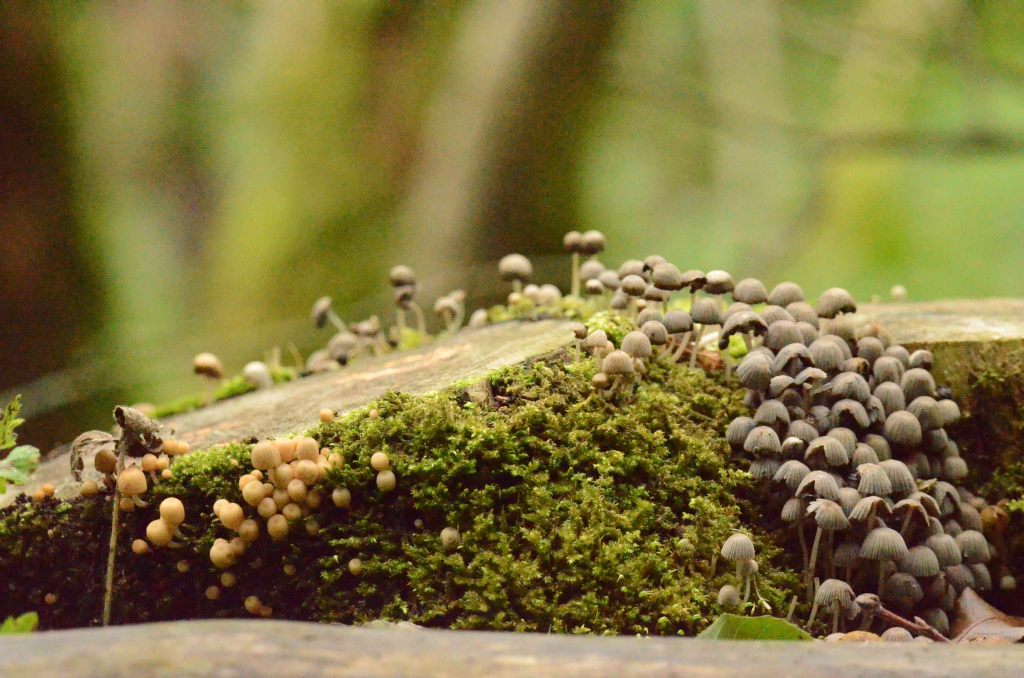
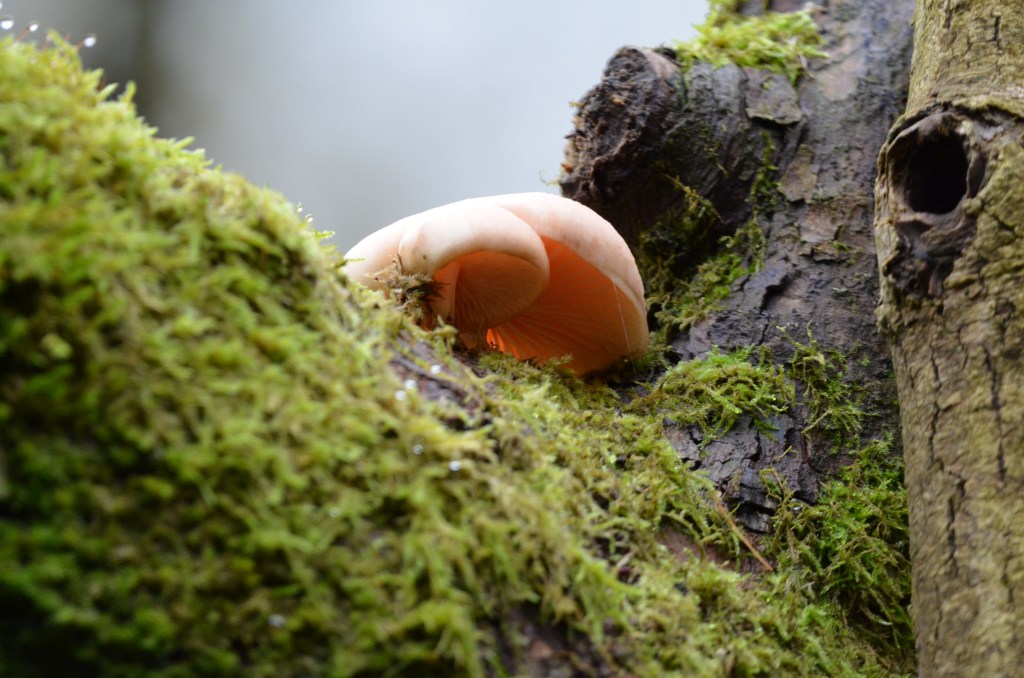
False turkey-tail (we think!)
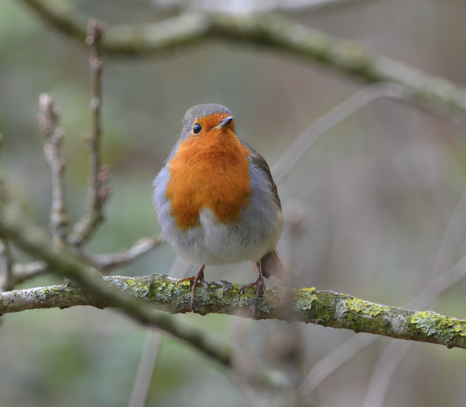
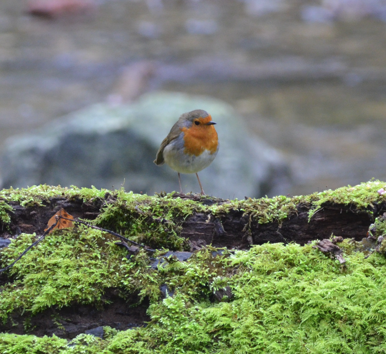
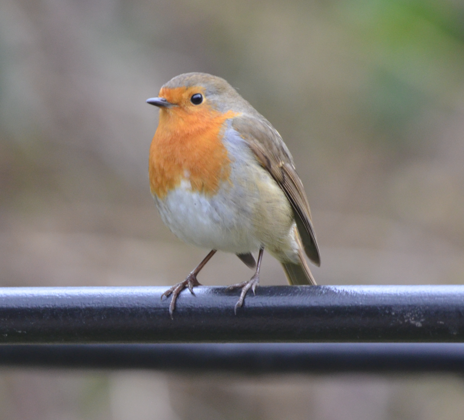
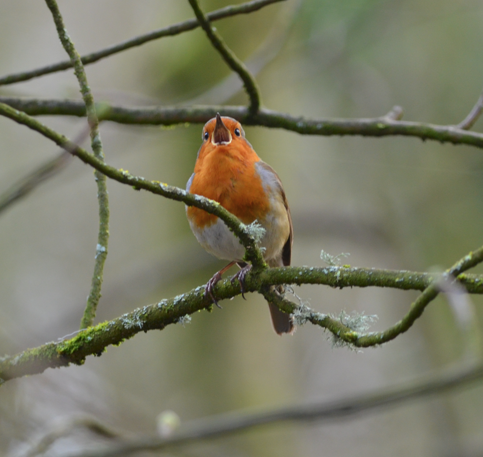
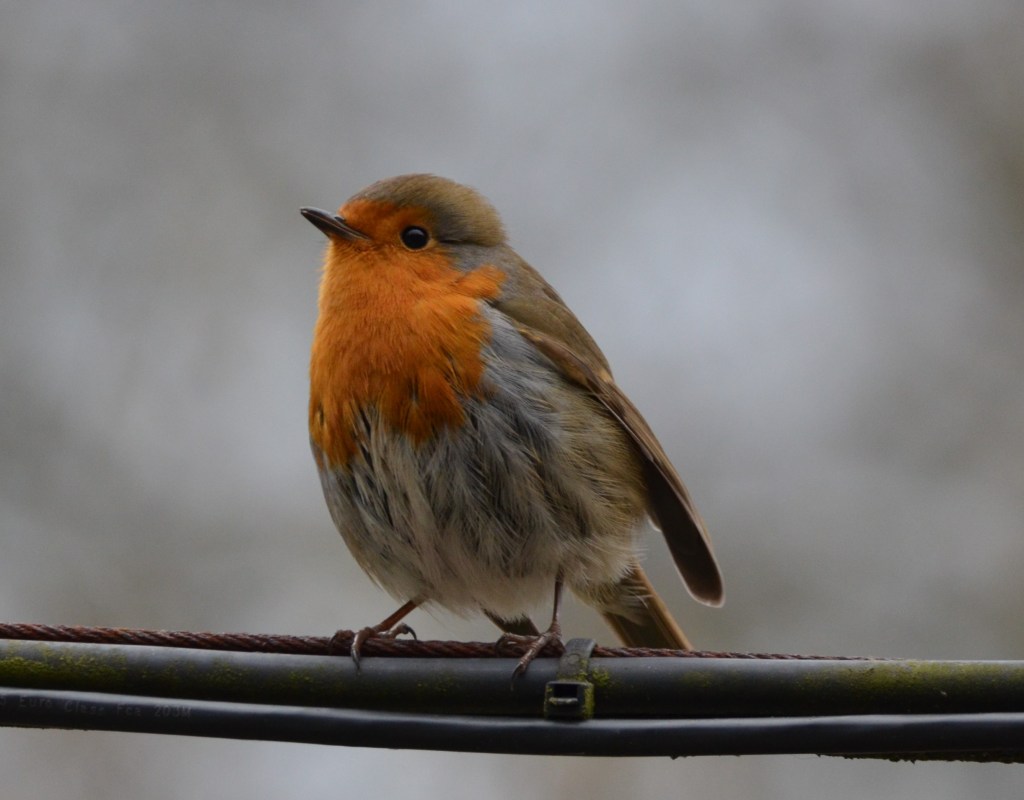
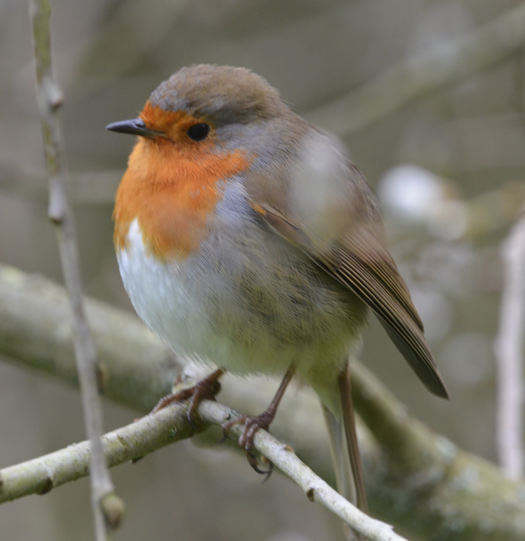
There are other signs that spring (or should that be summer?) is finally on the way. We watched, transfixed as two Robins circled around us, flying close to the ground, disappearing then re-emerging from the undergrowth. Male and female Robins look very similar and are difficult to sex but, as neither of these birds was acting in the typical territorial mode that Robins usually display, we’re fairly confident that we were watching a male and female. One of them posed for the camera, as you can see below!
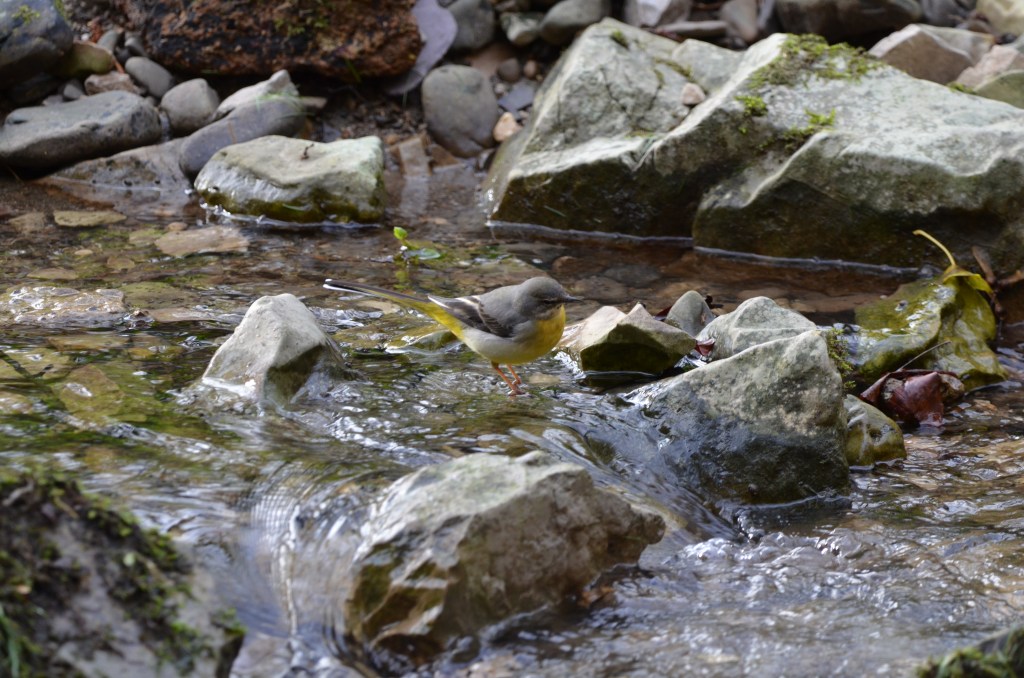
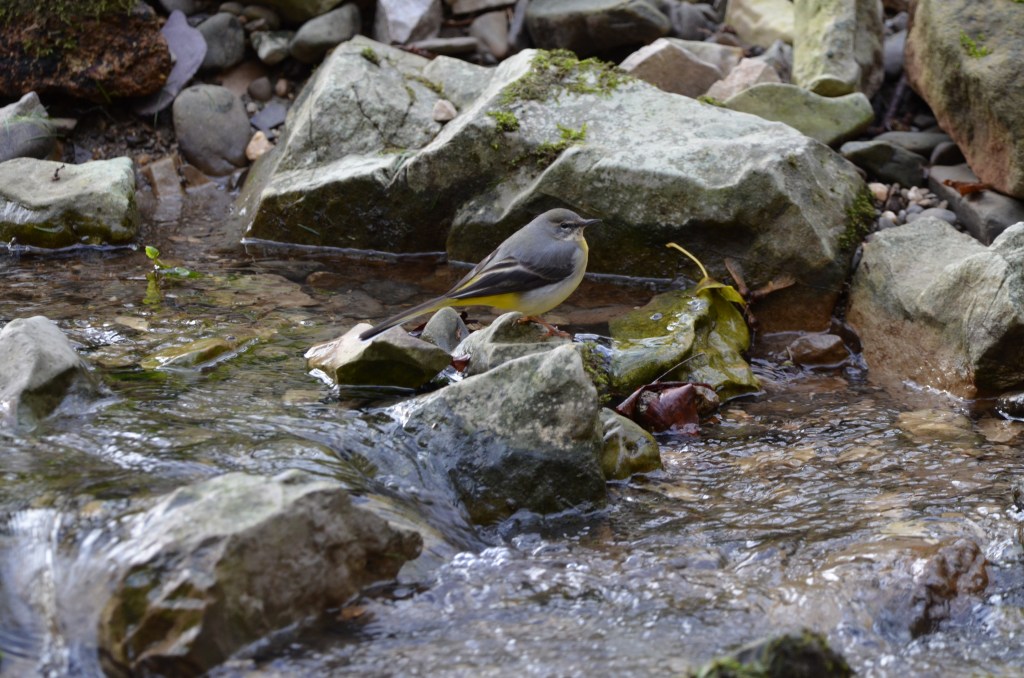
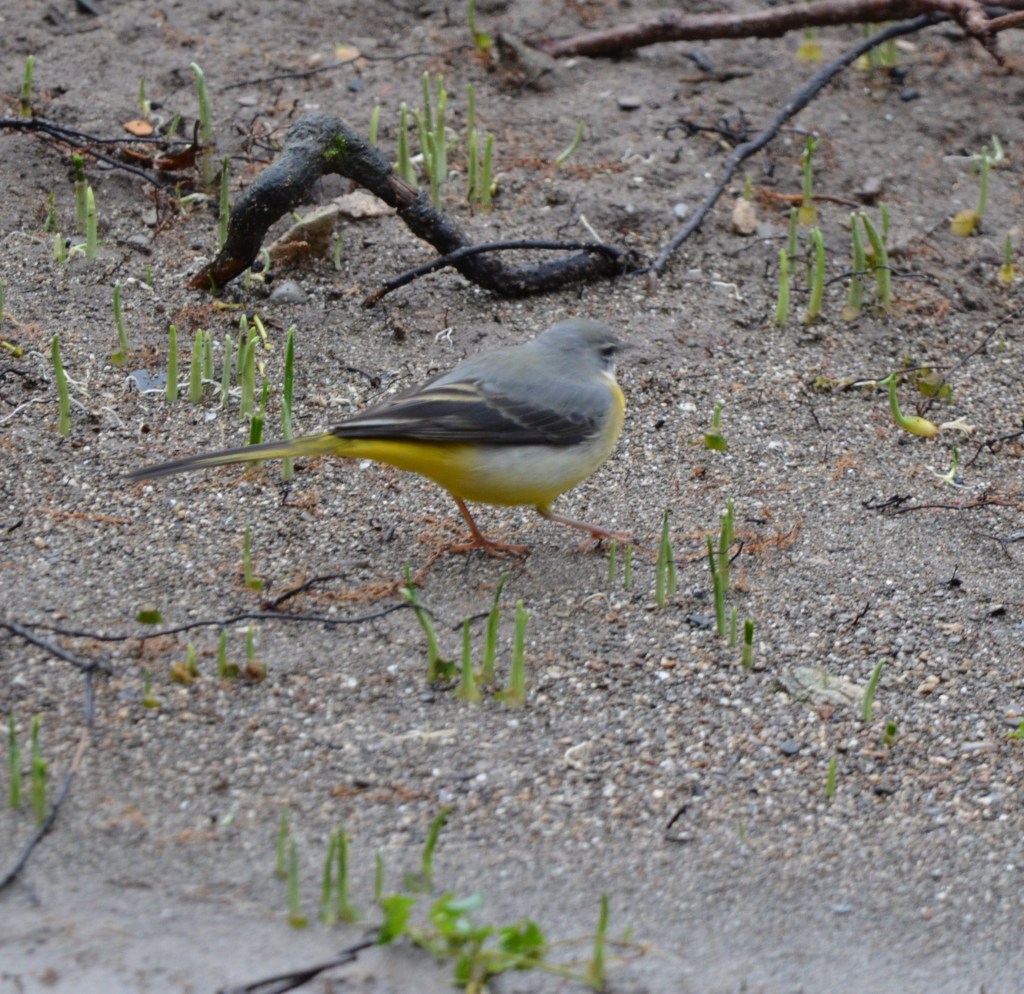
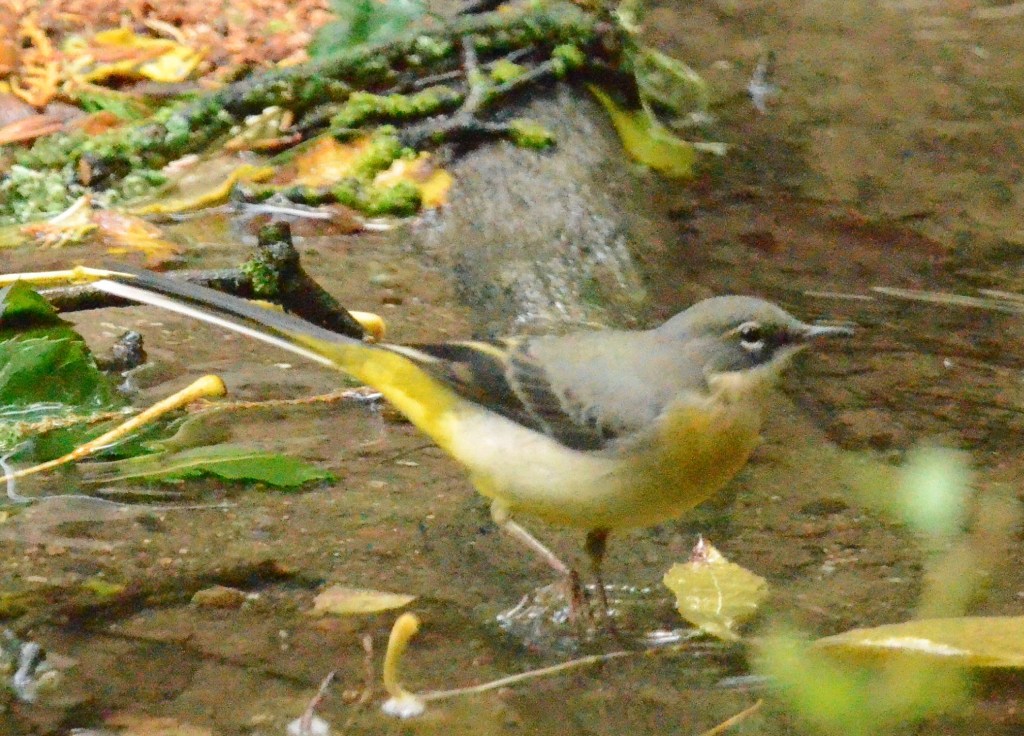
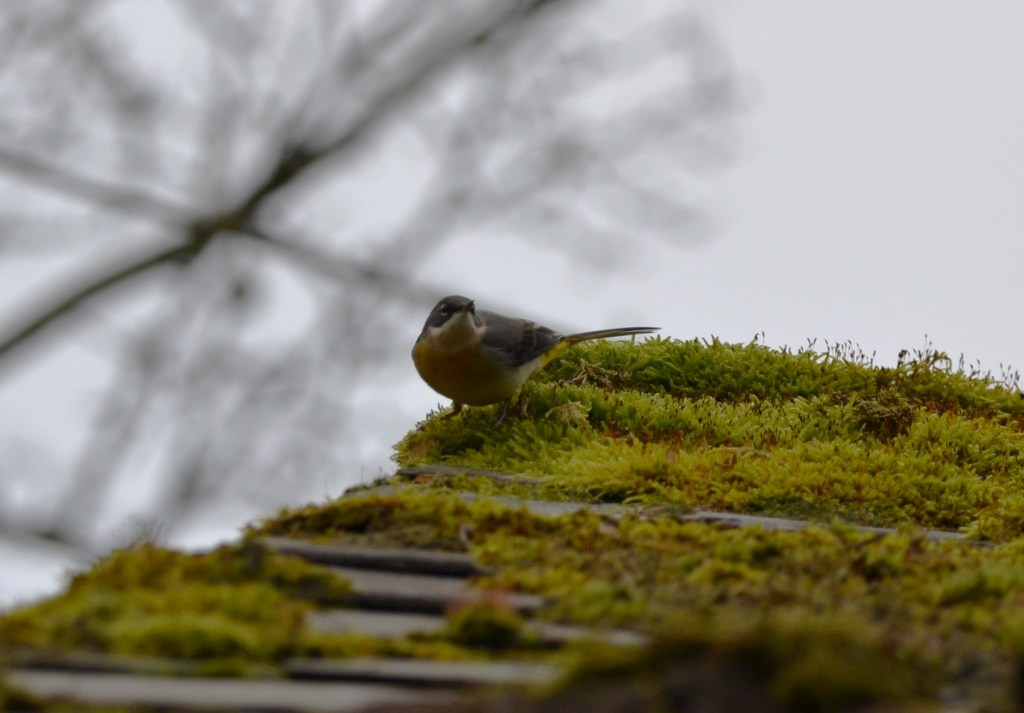
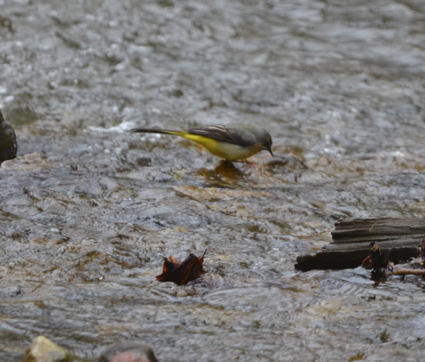
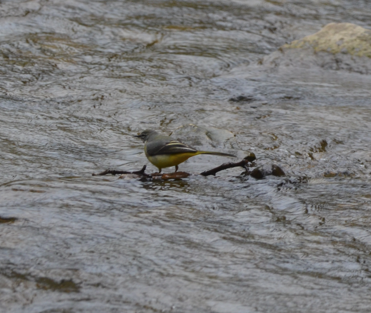
We saw another pairing shortly afterwards: on a few of our visits to Loggerheads over the last few months, we’ve spotted a single Grey wagtail at various stretches of the river. Today we saw two together, although they’d separated before Stu managed to get a photograph of both of them simultaneously. It was encouraging to see though, and hopefully they’ll manage to breed successfully.
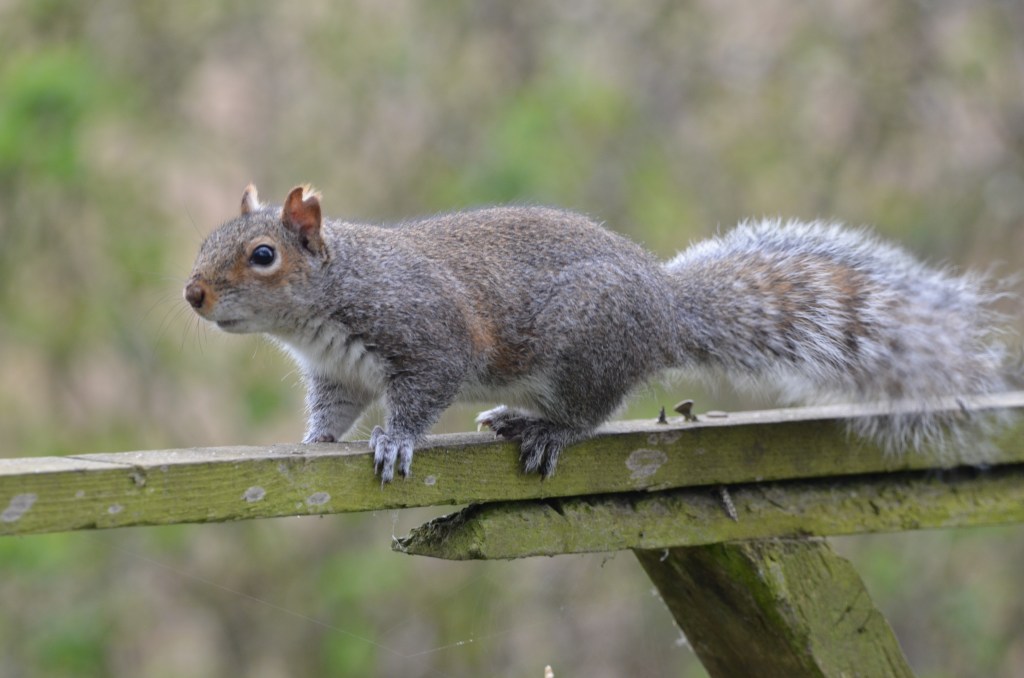
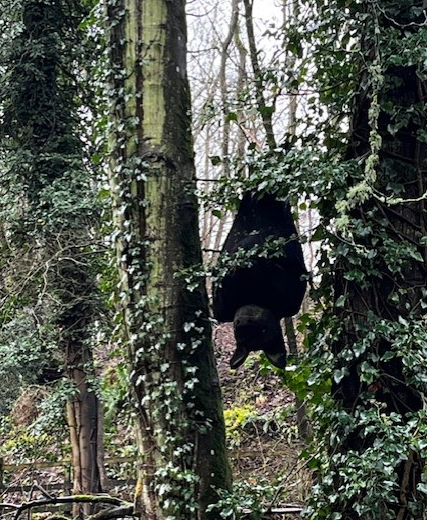
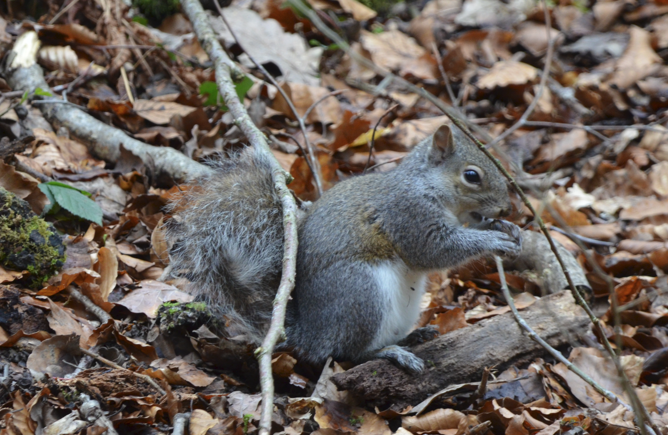
After last week’s success at Burton Wetlands, Stu managed to capture another Grey squirrel on film – it seems like they’ve finally grown tired of hiding from him!
The important stuff
Over to The Mill House café (Tŷ’r Felin) for a cappuccino each and a Blondie Jammie-dodger (Col) and Millionaire’s shortcake (Stu). Scrumptious!