(Thursday 6th August, 2026)
Today, I was over in Parkgate on the Wirral Peninsula – for the second time this week. On this occasion I was accompanied by my mother, my brother, Michael, and my niece, Sophie. Regular readers will know that our chief cameraman is Stu but he had to go to work today and help keep the British economy ticking over, so all photographs were taken by Sophie today. Thanks very much Sophie!
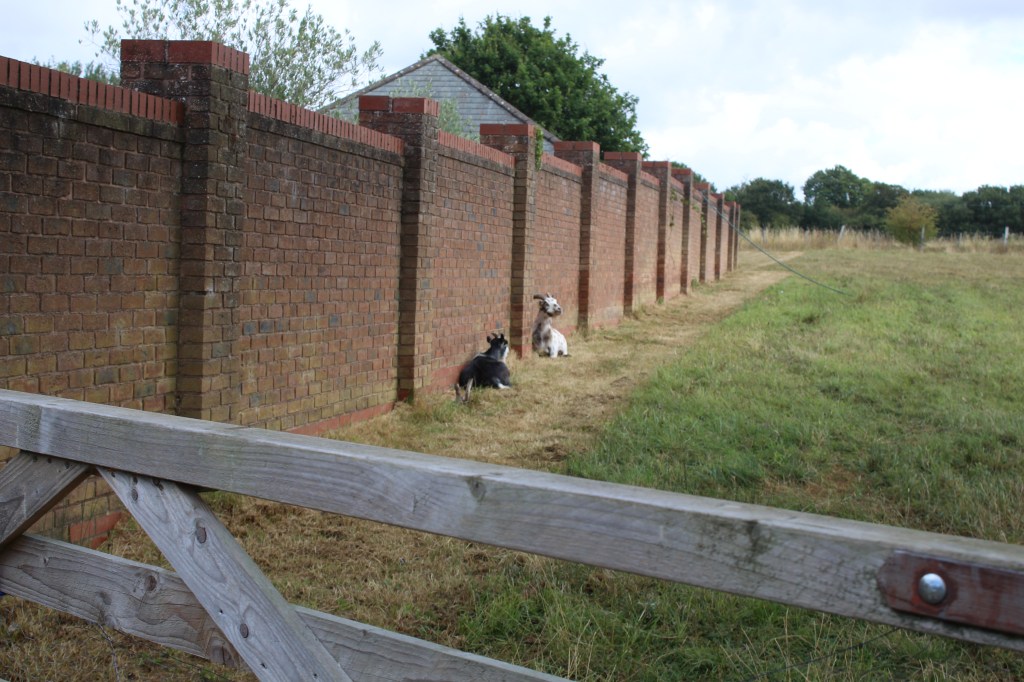
Goats near the Old Baths carpark
Parkgate village lies on the English side of the Dee Estuary and is a great place to visit for birdwatching. The expansive salt marsh is 100 square kilometres and all sorts of bird species can be found here: it’s home to waders, wildfowl, herons and egrets, birds of prey, warblers…the list goes on. During today’s visit, for example, we saw several people excitedly watching a group of Spoonbills out on one of the flashes (shallow ponds). There was also a Marsh harrier patrolling low over the marsh and, later, a Kestrel hovered, facing into the wind, eyeing the ground below.
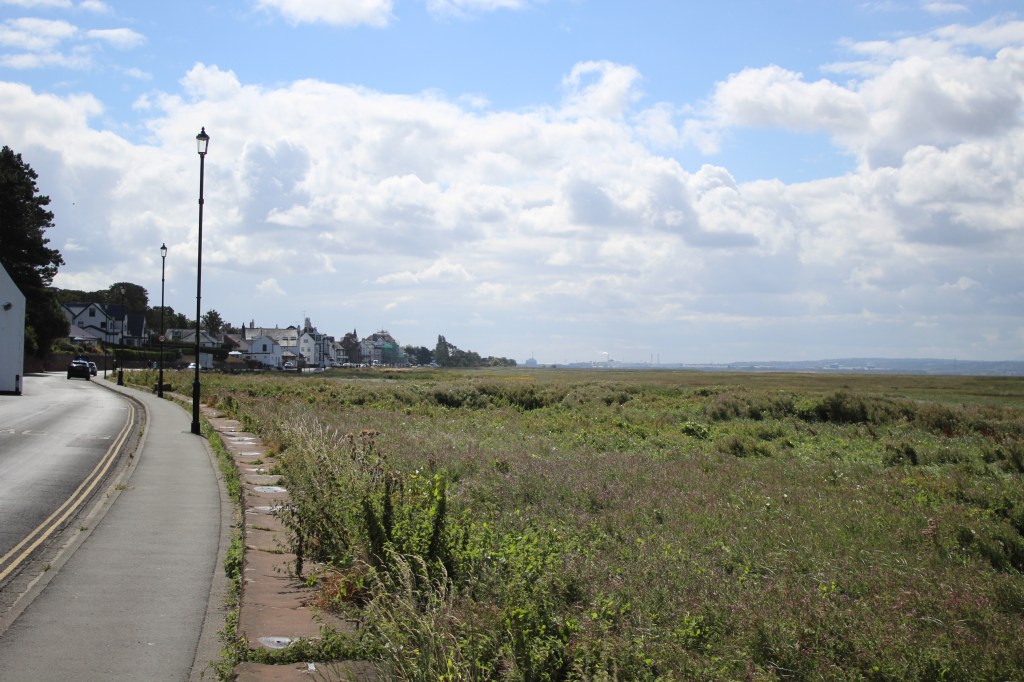
Looking southwards along The Parade
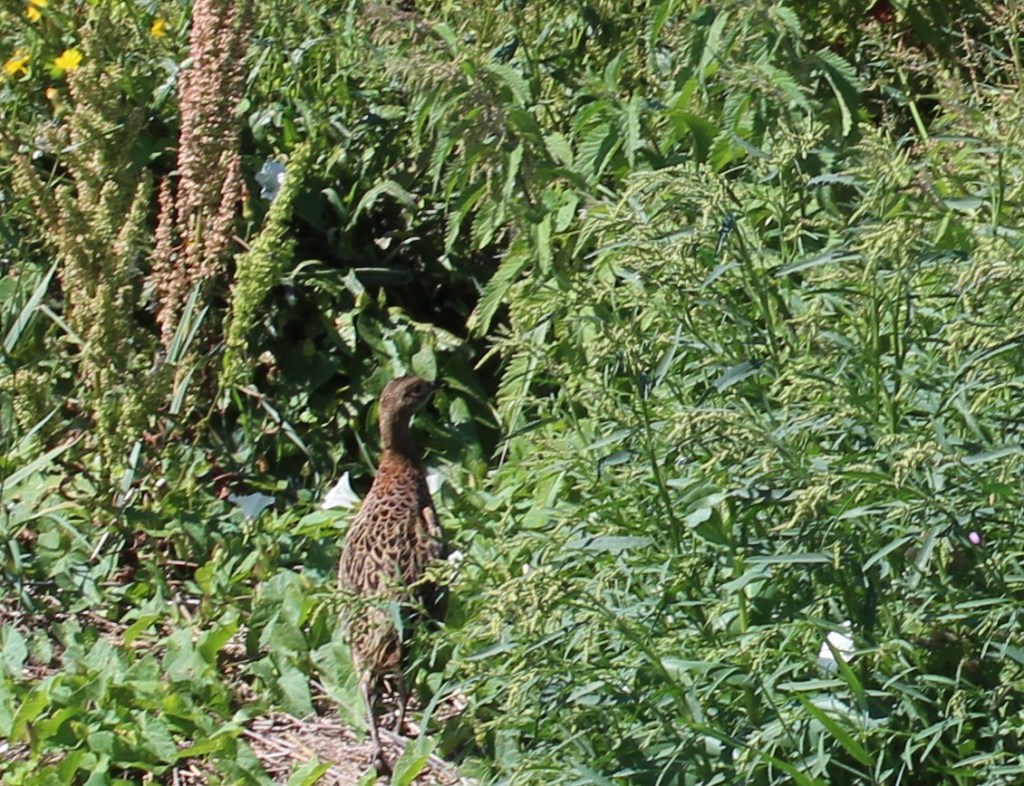
Female Pheasant
However, Parkgate is more than a destination for birders and wildlife-lovers and I was reminded of this as I went through Sophie’s photos later. Often, when we visit places, we can be so intent on a particular purpose that we overlook other aspects that might be just as interesting – both to others as well as to ourselves. So it was refreshing to see Parkgate through a different perspective.
For the benefit of those who are unfamiliar with Parkgate and might be considering a visit, here’s a little bit of information about its history.
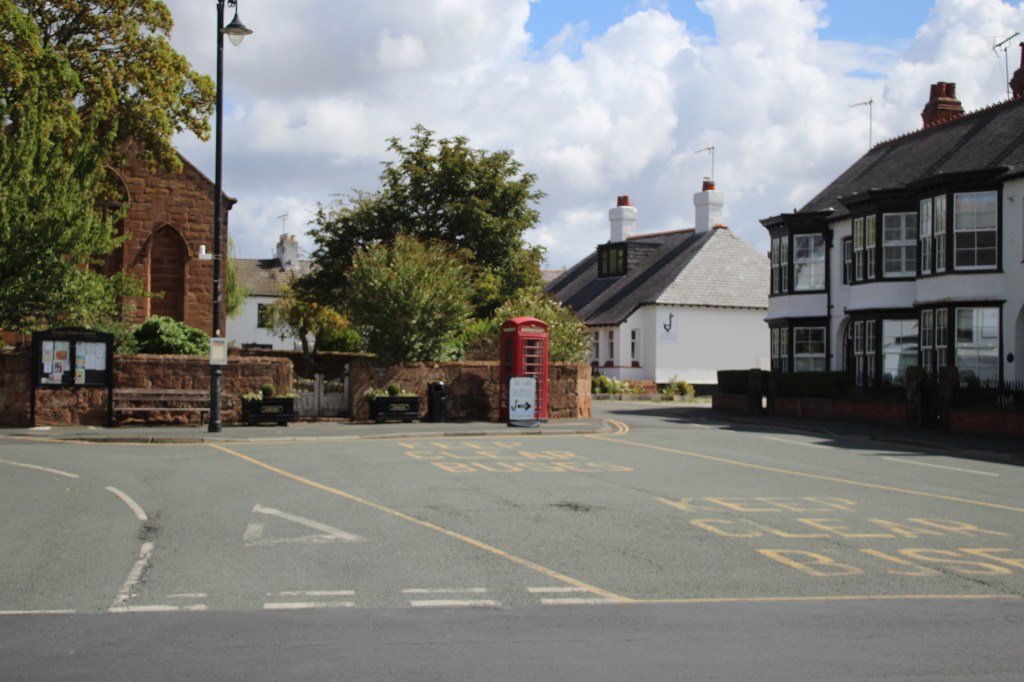
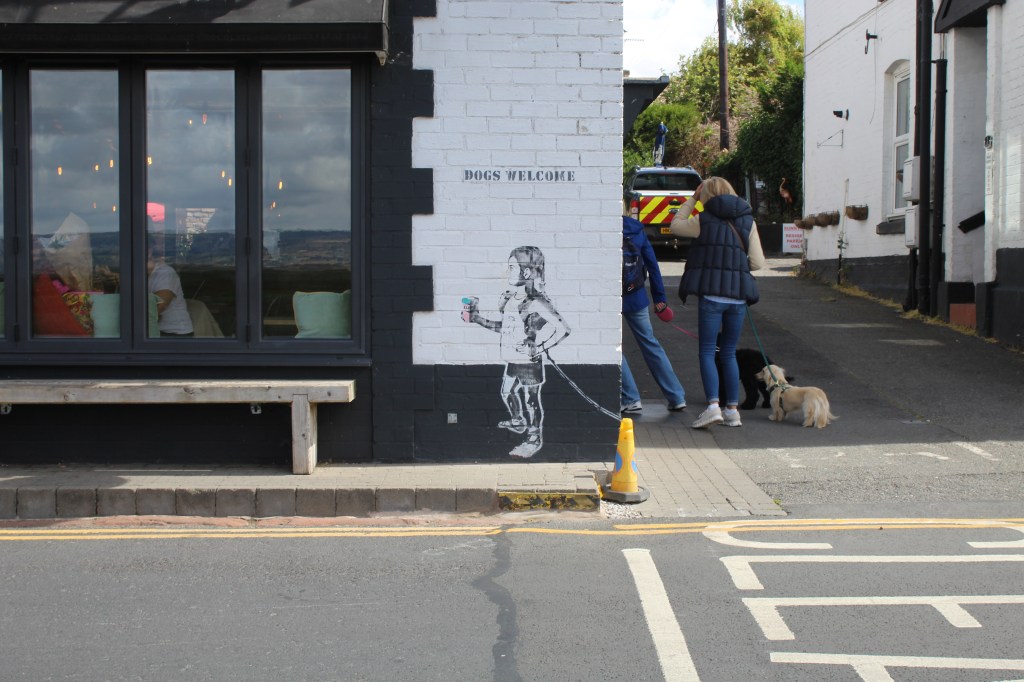
Above: School Lane (St. Thomas’ Church is on the left); below: Girl with traffic cone on lead
Lady Emma Hamilton (originally Amy Lyon) was born in the nearby village of Ness – and raised in Hawarden in Flintshire – and composer George Frideric Handel sailed back from Ireland via Parkgate which, at the time, in 1742, was a busy port. Towards the end of the eighteenth century the accumulating silt on the River Dee meant that Parkgate could no longer function as a port and was supplanted by the port of Liverpool on the River Mersey.
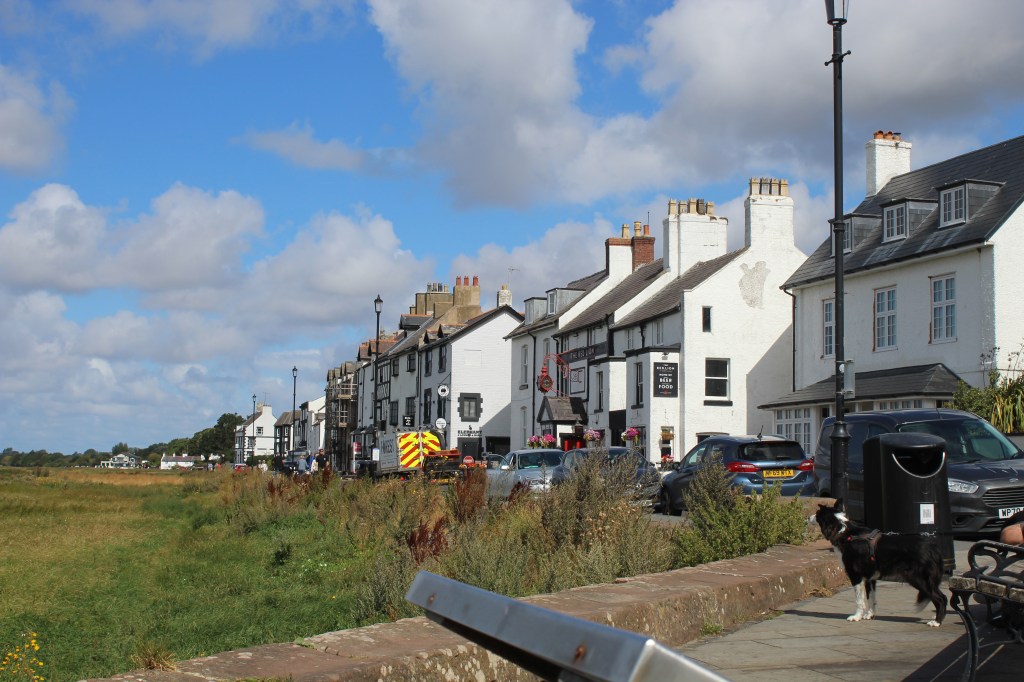
View from the Donkey Stand
Parkgate then switched to being a seaside resort and successfully drew people in to take the fashionable salt waters. Open-air baths were built during the 1920s which became very popular and helped Parkgate maintain its status as a resort right up until the late 1930s. Sadly, not a lot remains of the baths now except the odd section of wall at the Old Baths carpark which lies beyond the Boathouse pub.
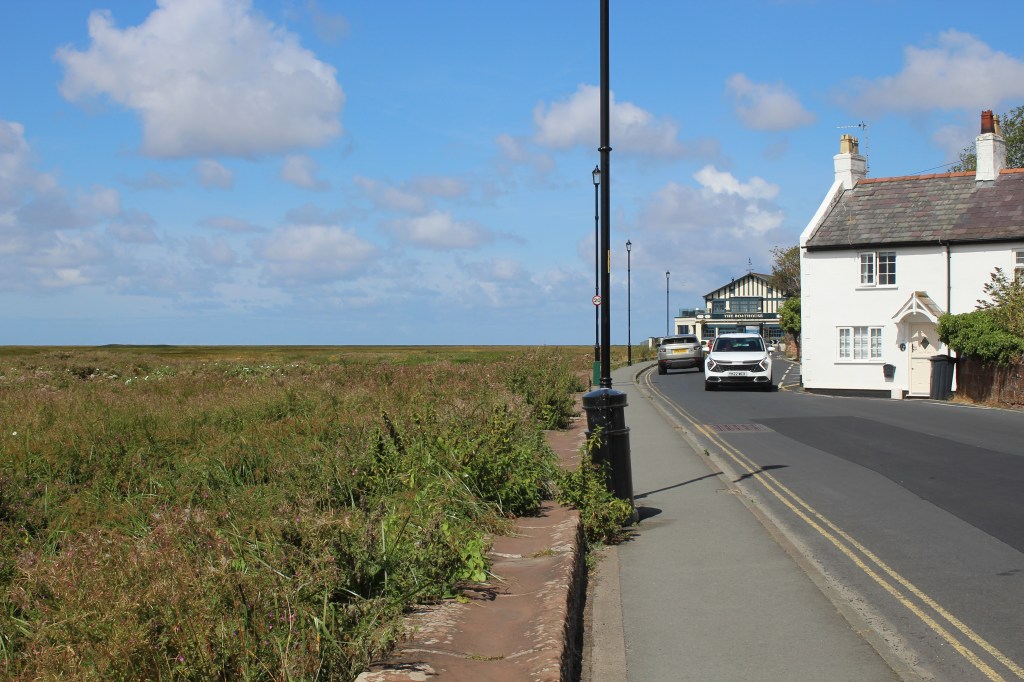
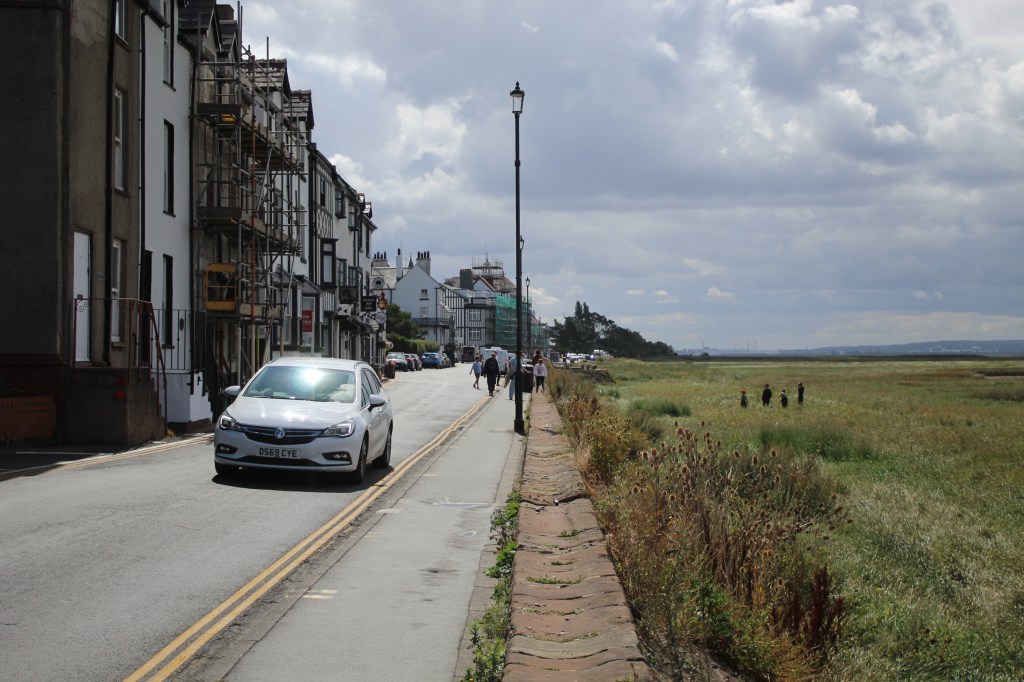
Looking northwards along The Parade
Parkgate is well worth a visit and you don’t have to be a birder to enjoy it either.
