Tag: fungi

  • Dippers at Loggerheads

    (Sunday 27th September, 2026)

    Over to Denbighshire this morning to Loggerheads Country Park. There were a few drops of rain as we arrived but, luckily, the shower quickly passed. The temperature was a reasonably mild 17°C, but the sun was determined to stay away, so it was quite gloomy.

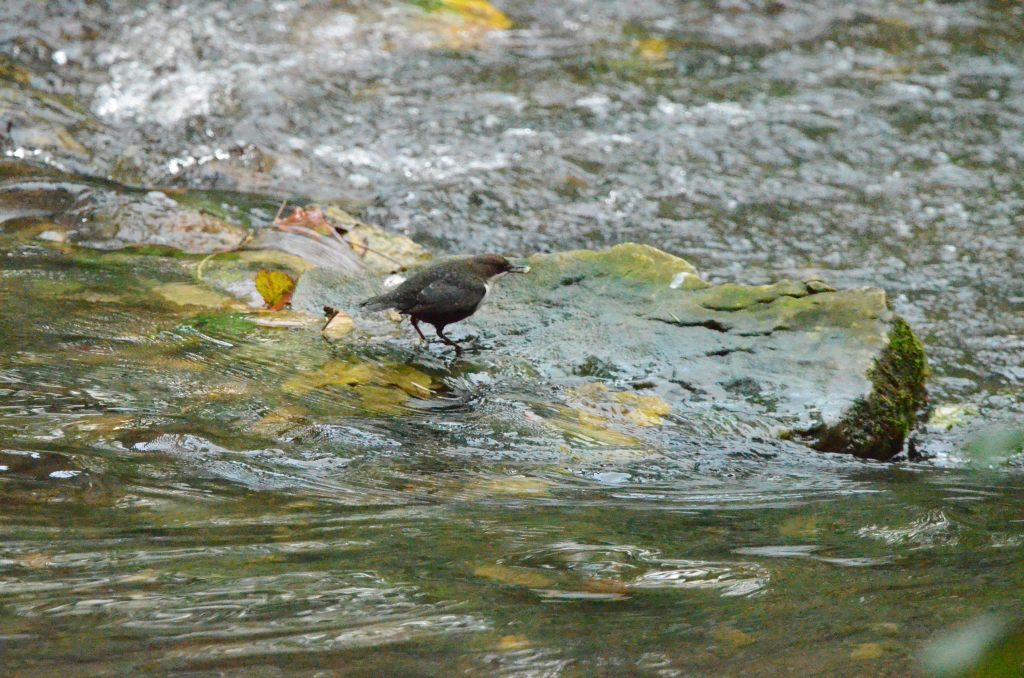
        Before we entered the woods we thought we’d take a quick look from the wooden bridge opposite the visitor shop, just on the off-chance that we might spot something. We were in luck: a White-throated dipper (Cinclus cinclus) was just a few metres downstream from us. Perched on a rock mid-river, the Dipper bobbed up and down in its characteristic fashion as it surveyed the fast-flowing water for food.
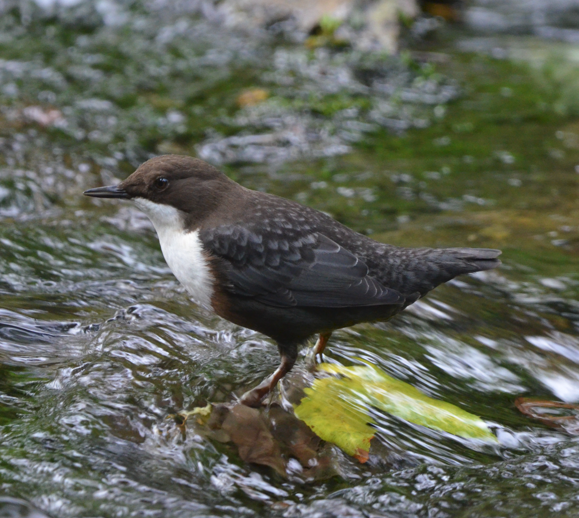
    Dipper by wooden bridge

    White-throated Dipper

        As we watched, a Grey wagtail (Motacilla cinerea) flew upstream and very close over the Dipper’s head before landing on the stones nearby. I’m sure that this ‘buzzing’ was done playfully – certainly the Dipper was unperturbed and carried on searching for food as if nothing had happened. Both species of bird share the same habitats – fast-flowing water through rocky or stoney terrain – although their differing feeding habits mean that they don’t have to compete with each other for food. The Dipper feeds on caddisfly larvae and other invertebrates like freshwater shrimps, which it retrieves from underwater, whereas the Grey wagtail feeds on insects that it finds on rocks and stones or by plucking flying insects from the air. We often see both bird species along this stretch of the River Alyn.
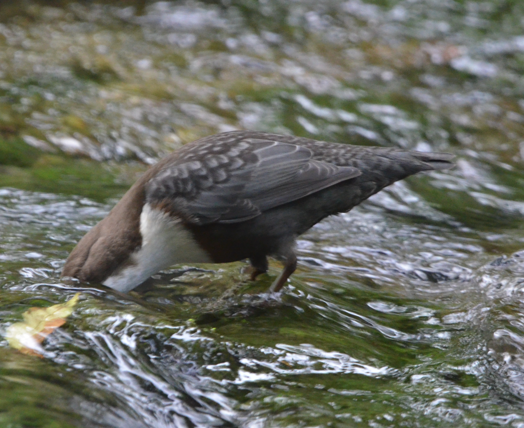
    Dipper dipping by wooden bridge

    Dipper searching underwater for food

        The wagtail quickly departed downstream again so no photographs today. We did register that it was a male – the last time we saw them, there were three altogether, which we think were two adult birds and one juvenile. The juvenile has obviously fledged and will have established its own territory elsewhere along the river and it looks like the female parent has also gone. Outside of the breeding season, the Grey wagtail is quite solitary.

        The Dipper, on the other hand, will stay with its mate. We can’t be sure if the bird we saw today was male or female, as both sexes are very similar, but there’s a very good chance that its partner is still around!  
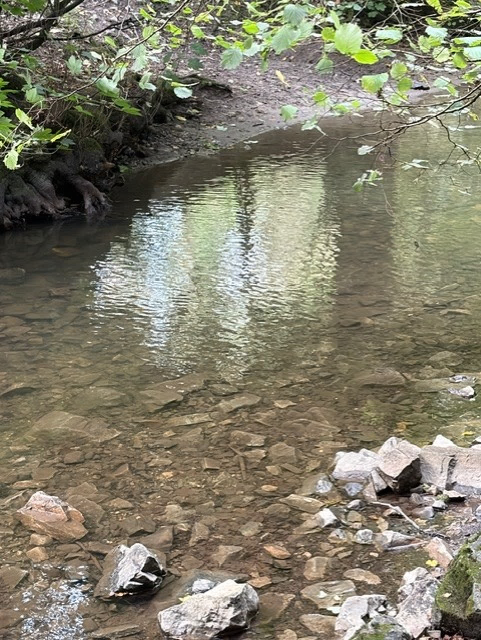
    Clear water Alyn

    The clear water of the River Alyn at Loggerheads

        The presence of Dippers and Grey wagtails is always a good indication of the water quality of the rivers or streams which they inhabit. If the water is of poor quality due to agricultural run-off or some other form of pollution, then the food chain on which both species’ depend will be affected, which will in turn affect the birds’ ability to feed and ultimately to breed. So, this stretch of the River Alyn is in reassuringly good condition. However, both White-throated dippers and Grey wagtails are currently on the Amber list of Birds of Conservation Concern, so we need to remain vigilant.

        We carried on into the woods where we saw a pair of Robins (Erithacus rubecula) hopping on and around an old, rotting log. I suppose that we’re so used to seeing Robins in the United Kingdom that we almost take them for granted, but they’re bold, cheerful little birds that sing throughout the year and it’s always a pleasure to encounter them when we’re out and about.  
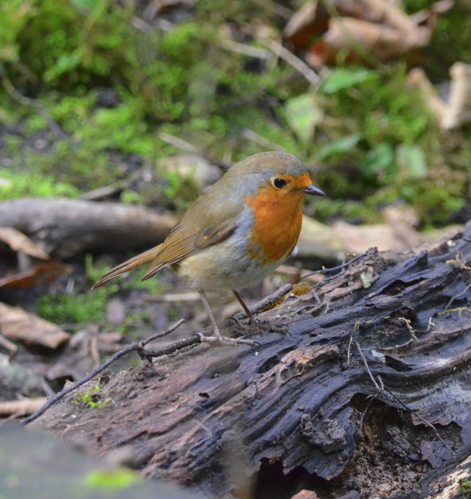
    Robin on rotting log

    Robin

        Despite North Wales still being officially in drought status, there has been some recent rainfall here as confirmed by the little bursts of mushrooms at the base of trees and on decaying logs. The mushrooms in the photographs are Hypholoma fasciculare, commonly known as sulphur tuft. You can see that they are a pale creamy colour on the outer edge, then go from yellow to orange-red in the centre, creating a sort of sunburst effect. They are quite lovely, though highly poisonous, and they certainly stood out in the gloom of the woods. [Incidentally, while we’re reasonably good on birds and wildflowers, I must point out that neither of us has suddenly become an expert mycologist – we cheated by consulting an app!]
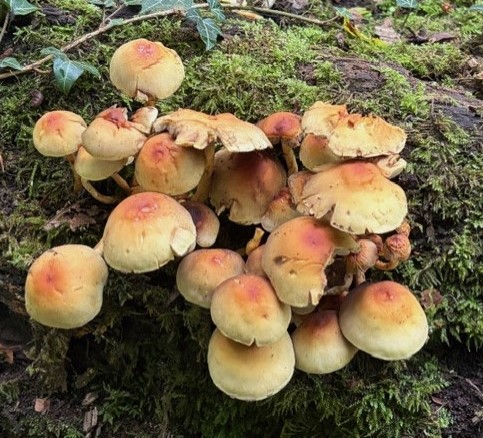
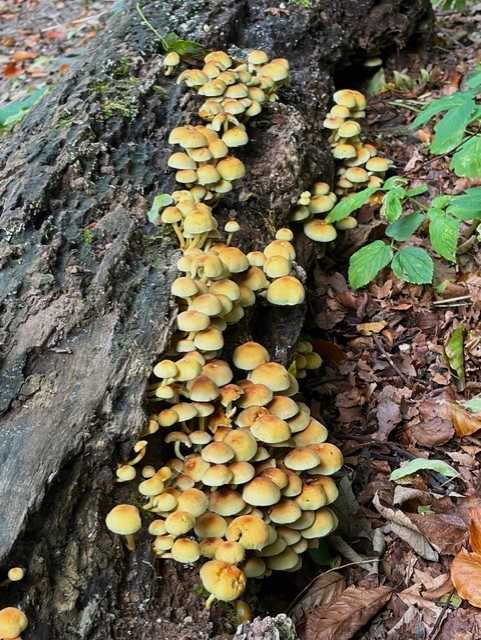
    Sulphur tuft 2
    Sulphur tuft Loggerheads

    Sulphur tuft mushrooms

        As we made our way back, the Dipper turned up again for a second photocall – we really were honoured today!
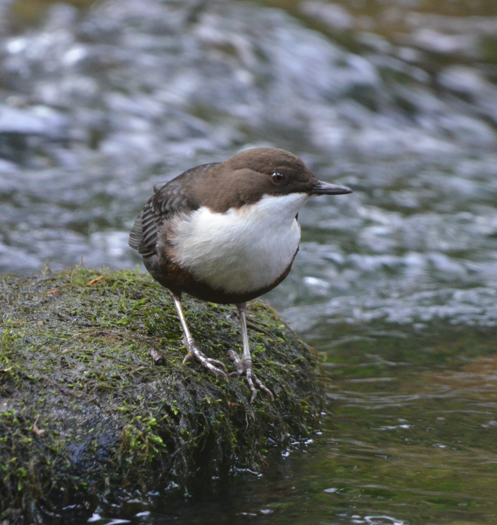
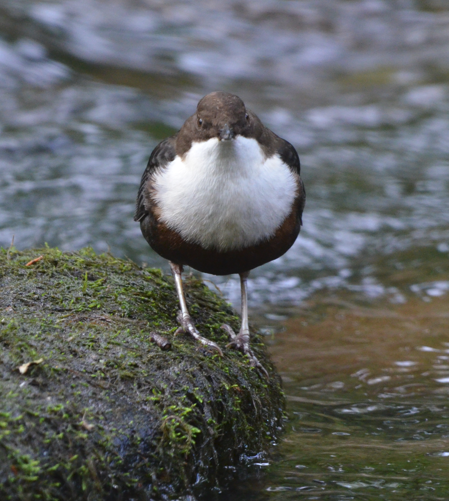
    Dipper returns
    Dipper returns 2

    The important stuff

    To The Mill House café (Tŷ’r Felin) for a cappuccino each, accompanied with a Caramel Biscoff (Stu) and a Vegan Cookie (Col). Scrumptious!  
  • Old Year, New Year

    (Sunday 4th January, 2026)

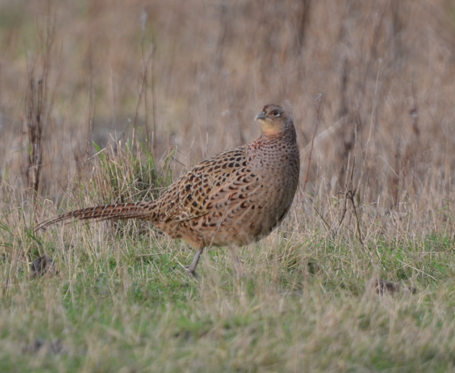
        Our journey to Burton Marsh this morning was somewhat curtailed by a huge smothering of snow that blew in from the mouth of the Dee estuary. It was a crisp 2°C when we set off, with a sharp north-westerly drifting in, and we saw flocks of Canada geese and Pink-footed geese out on the marsh. Nearby, we detected several Pheasant hens moving stealthily through the undergrowth and, as we scanned the ground with binoculars and cameras, we sensed the vast sky around us beginning to darken. Seconds later we were retreating towards the car, thoroughly covered in snow! At least it wasn’t snowing inside Ness Gardens café though!

    Pheasant female

    Pheasant (female), Burton Marsh, 4th January 2026

        As a consequence of our brief outing, there wasn’t a great deal to report. This weekend doesn’t look a great deal better: the birds are out, but not the birders! However, we’ve been inspired to post this selection of photographs from 2025, after receiving an e-mail notification from fellow blogger Bob Ramsak who posted his favourite bird photographs of 2025 https://bobramsak.com/my-25-best-bird-photos-of-2025/ Please take a look at Bob’s site – you won’t be disappointed.

        Anyway, back to The Dee and Thereabouts and we hope you enjoy this week’s post, which is really a selection of photographs of our 2025 discoveries. We only started the blog in June but even in this short space of time we’ve encountered quite a variety of fauna and flora (and fungi) on our travels, as well as the variety in terrain that our area holds. We’ll continue to try and entertain you with our ramblings (in both senses of the word) throughout 2026!

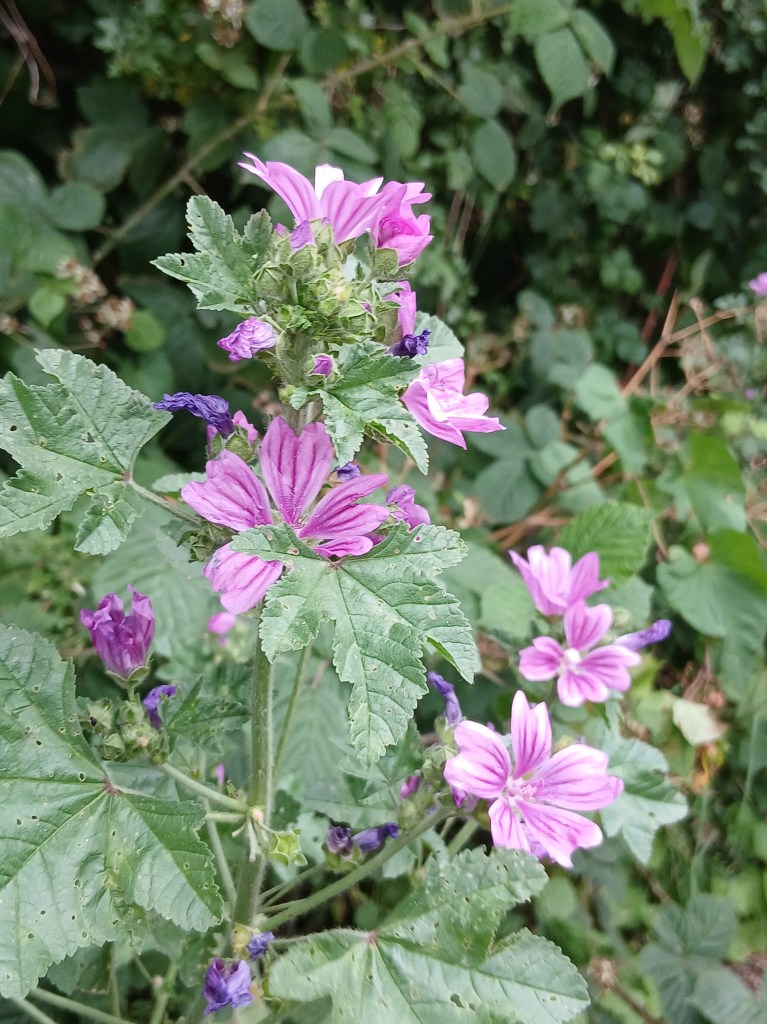
    Common mallow

    Common mallow, Burton Marsh, 22nd June

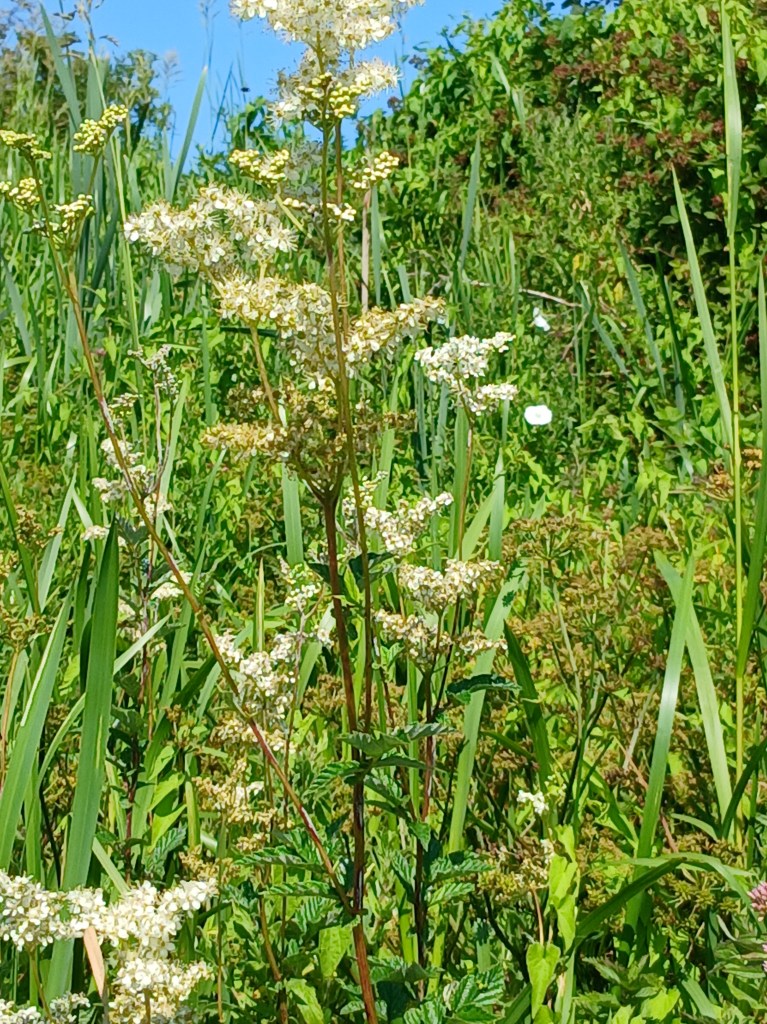
    Meadowsweet

    Meadowsweet, Burton Mere Wetlands, 13th July 2025

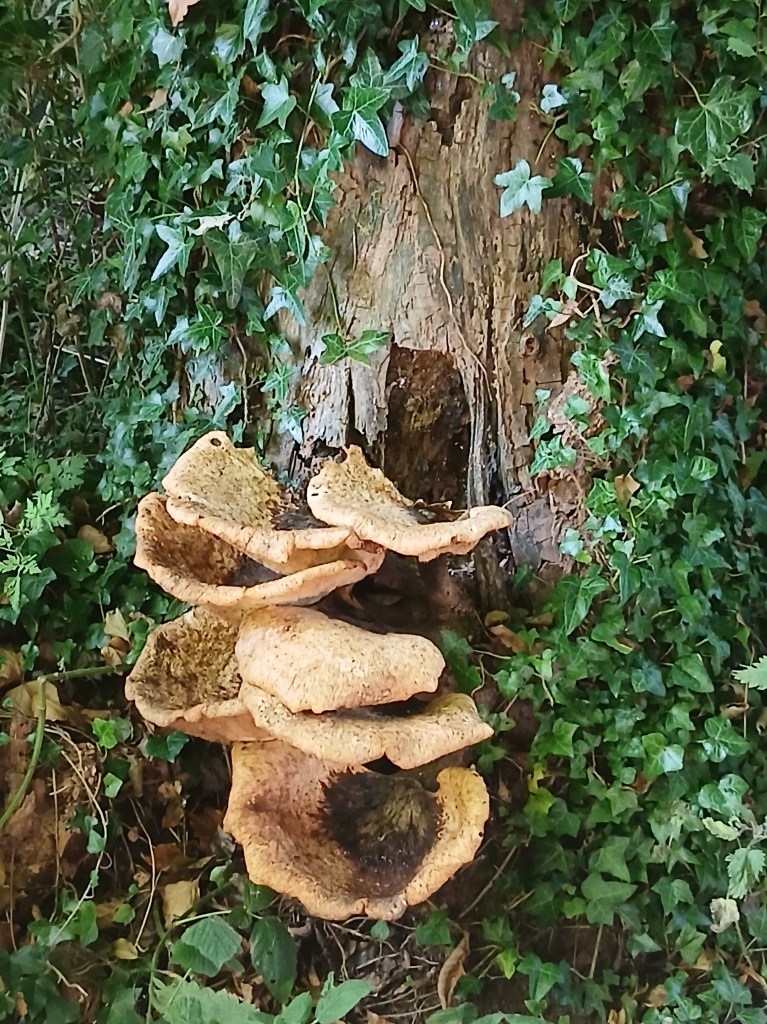
    Dryad's saddle

    Dryad’s saddle, Burton Mere Wetlands, 13th July 2025

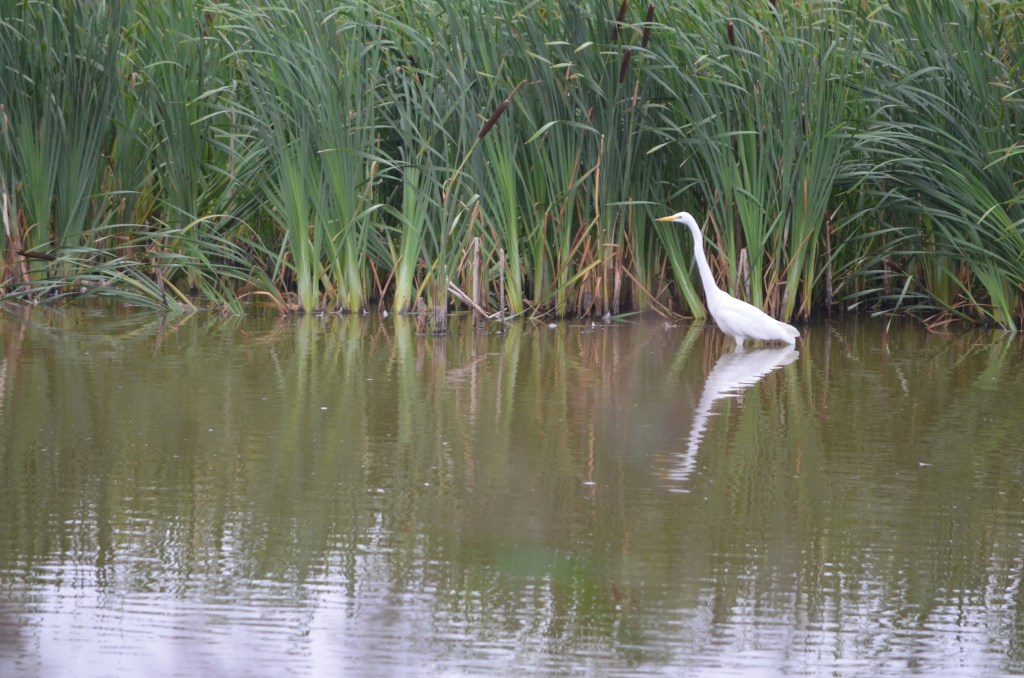
    Great white egret

    Great white egret, Burton Mere Wetlands, 3rd August 2025

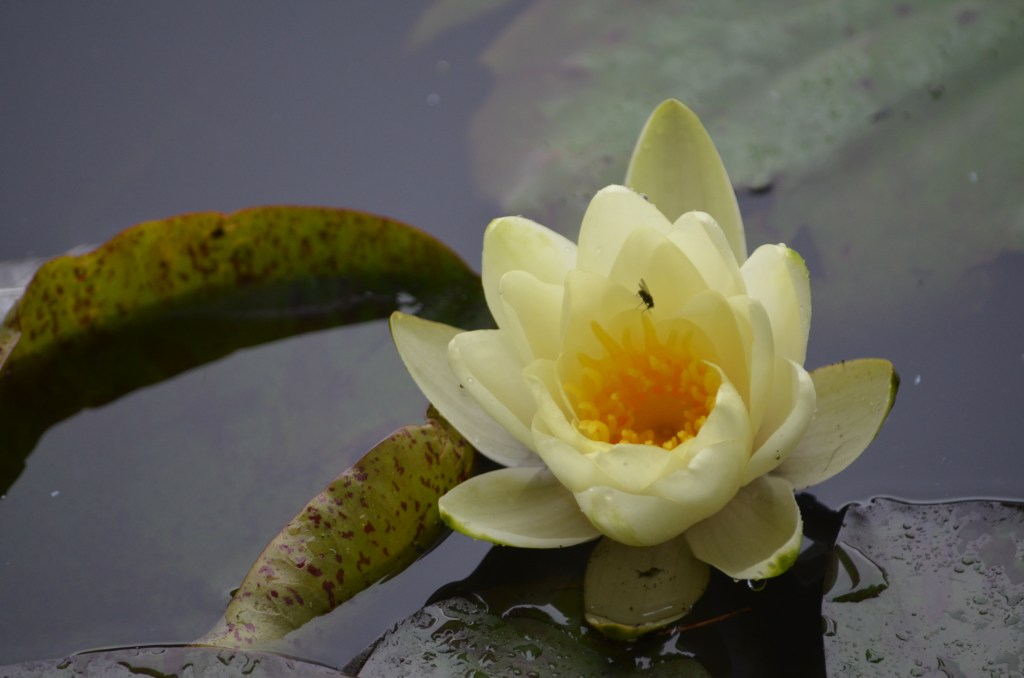
    Water lily

    Water lily, Burton Mere Wetlands, 3rd August 2025

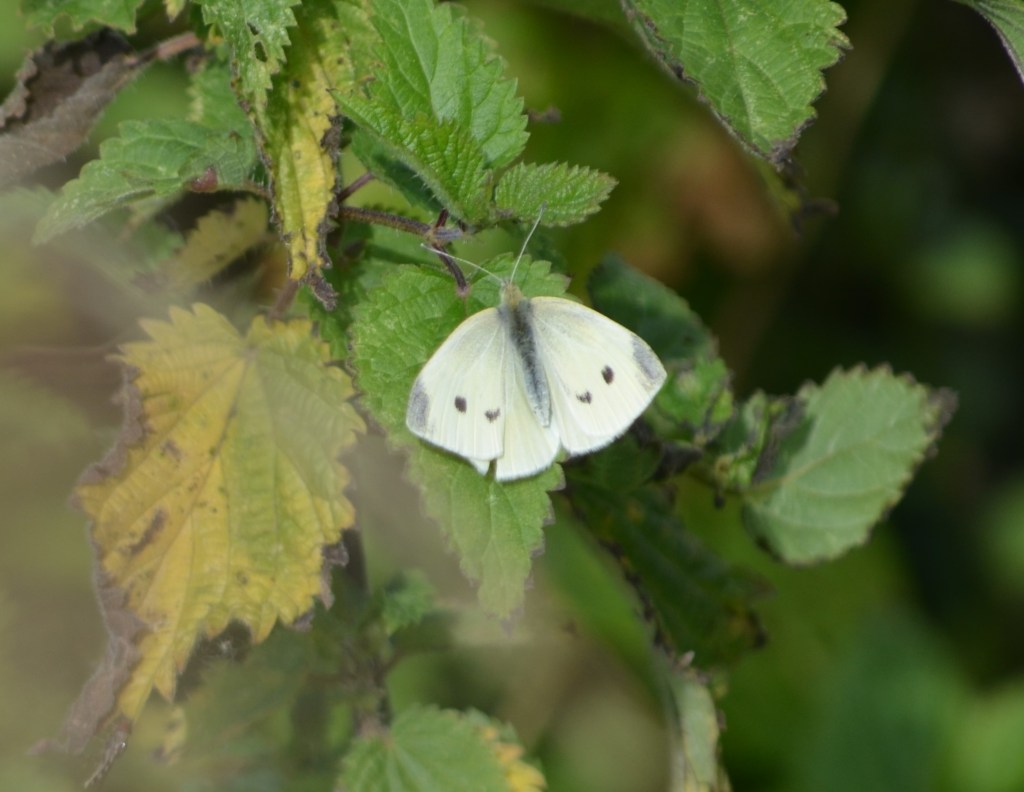
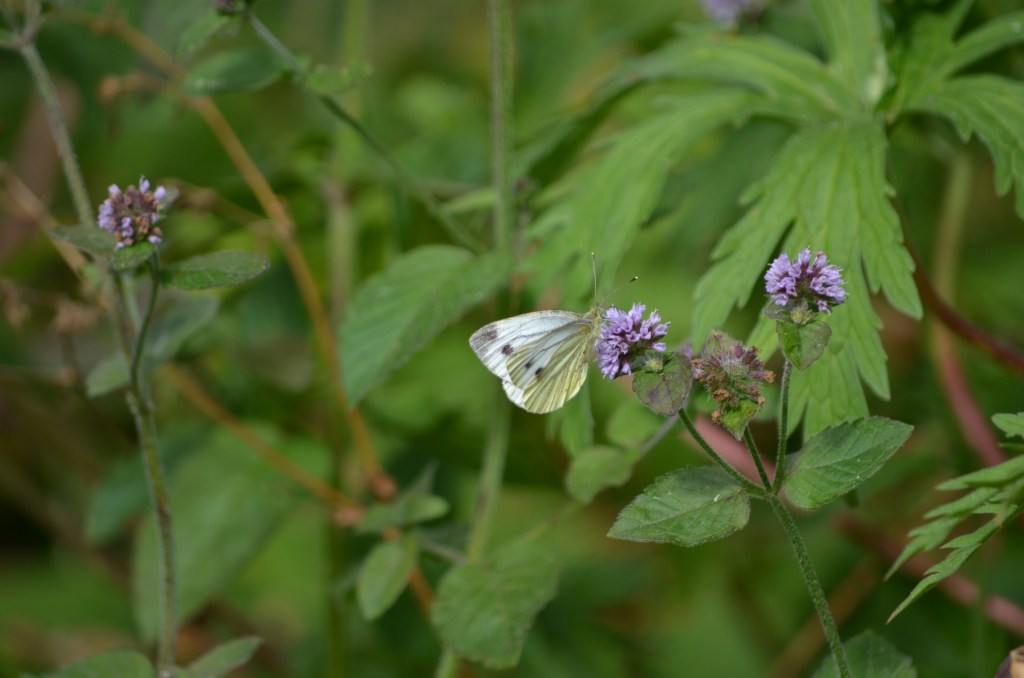
    Small white butterfly female

    Small white butterfly (female), Parkgate, 10th August 2025

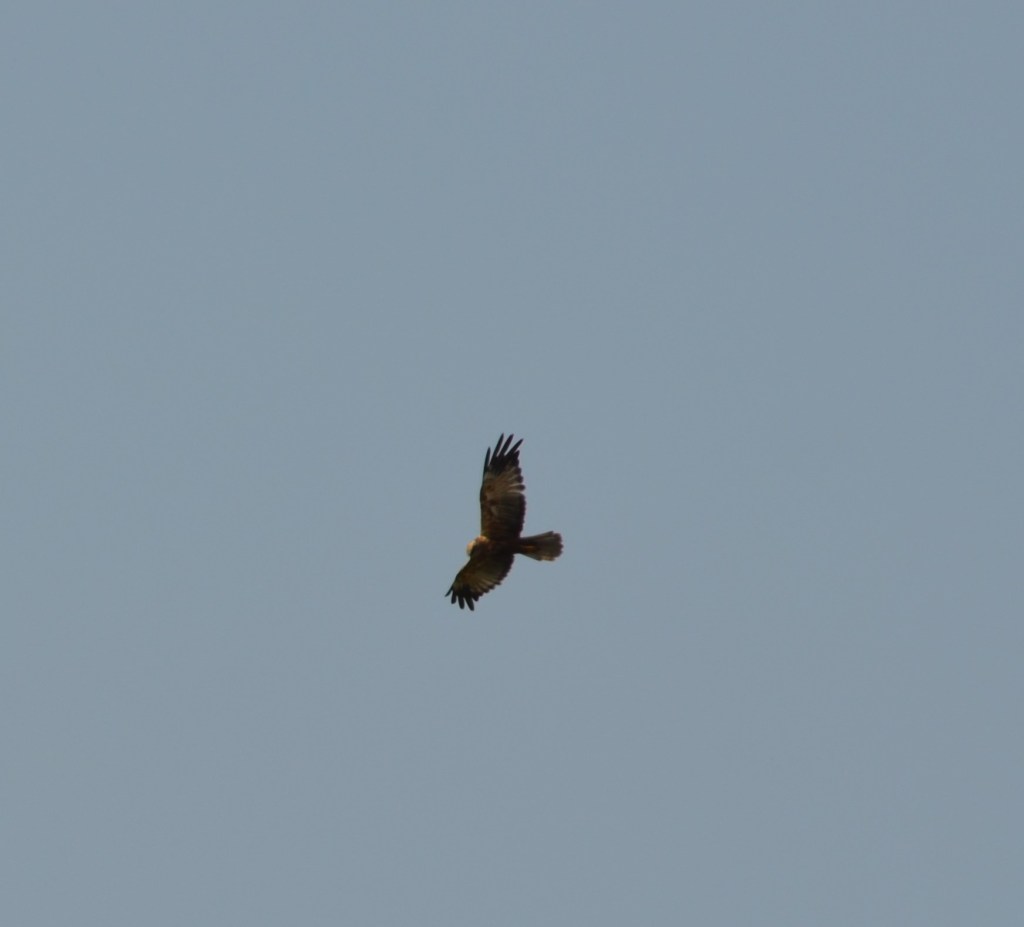
    Marsh harrier female

    Marsh harrier (female), Parkgate, 10th August 2025

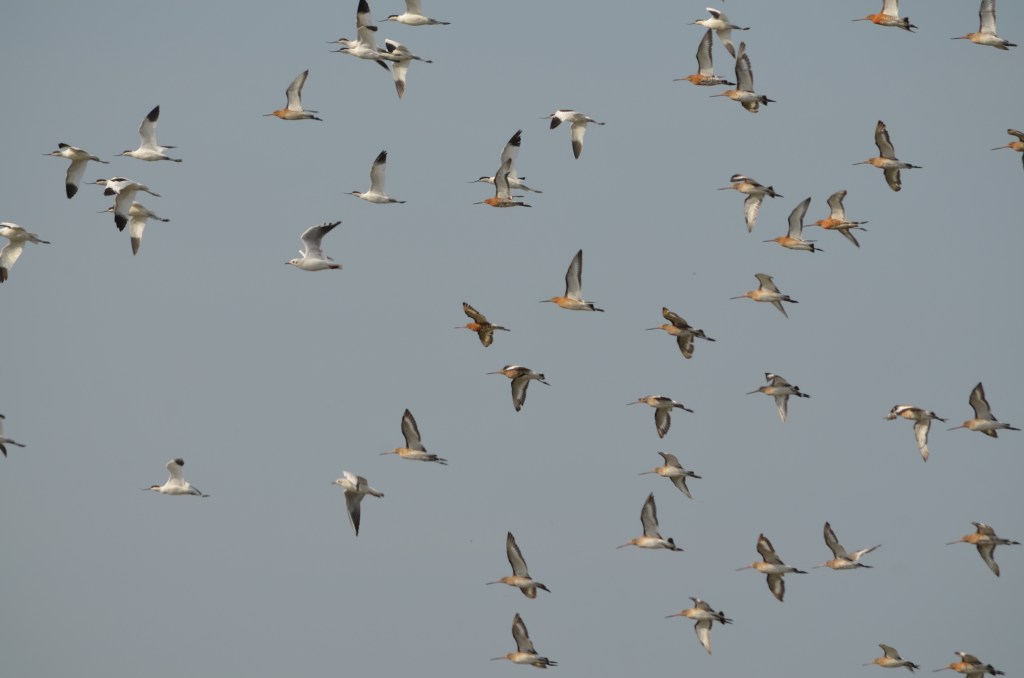
    Black-tailed godwits and Avocets in flight

    Avocets and Bar-tailed godwits spooked by Marsh harrier, Parkgate, 10th August 2025. (Bar-tailed godwits in summer ‘breeding’ coats).

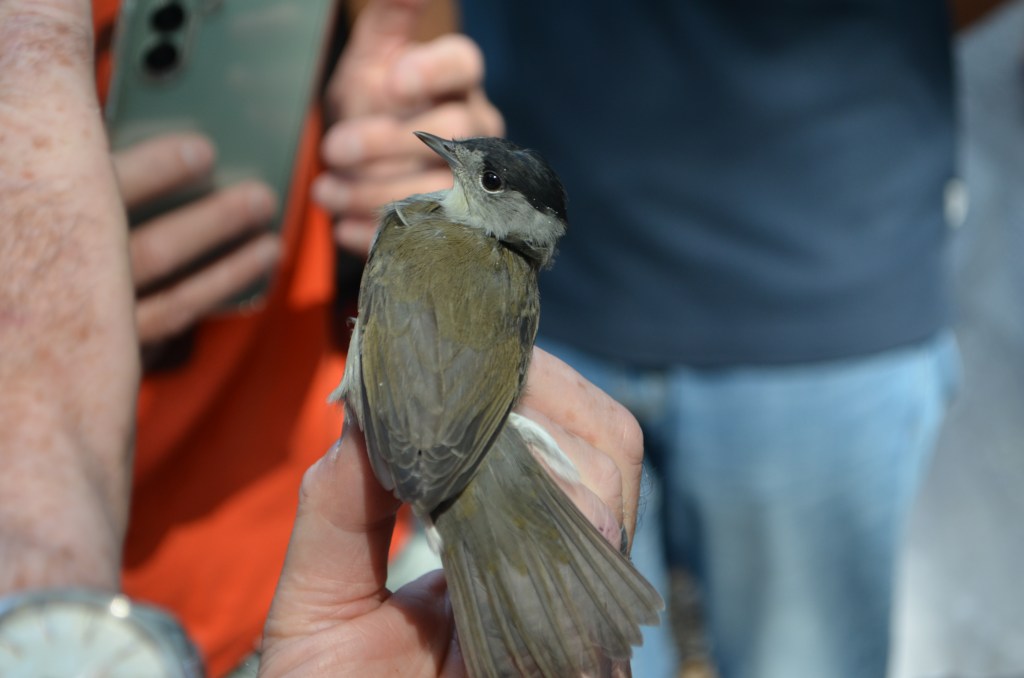
    Blackcap in hand

    Blackcap, Ness Gardens, 13th August 2025

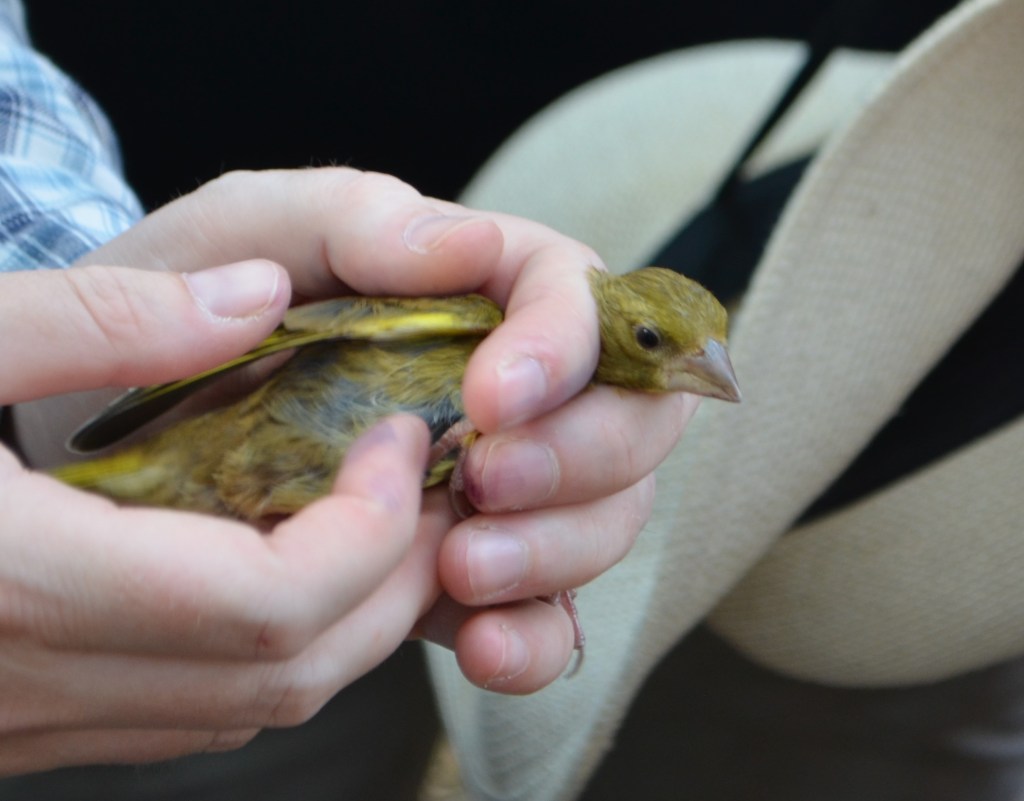
    Greenfinch being held

    Greenfinch, Ness Gardens, 13th August 2025

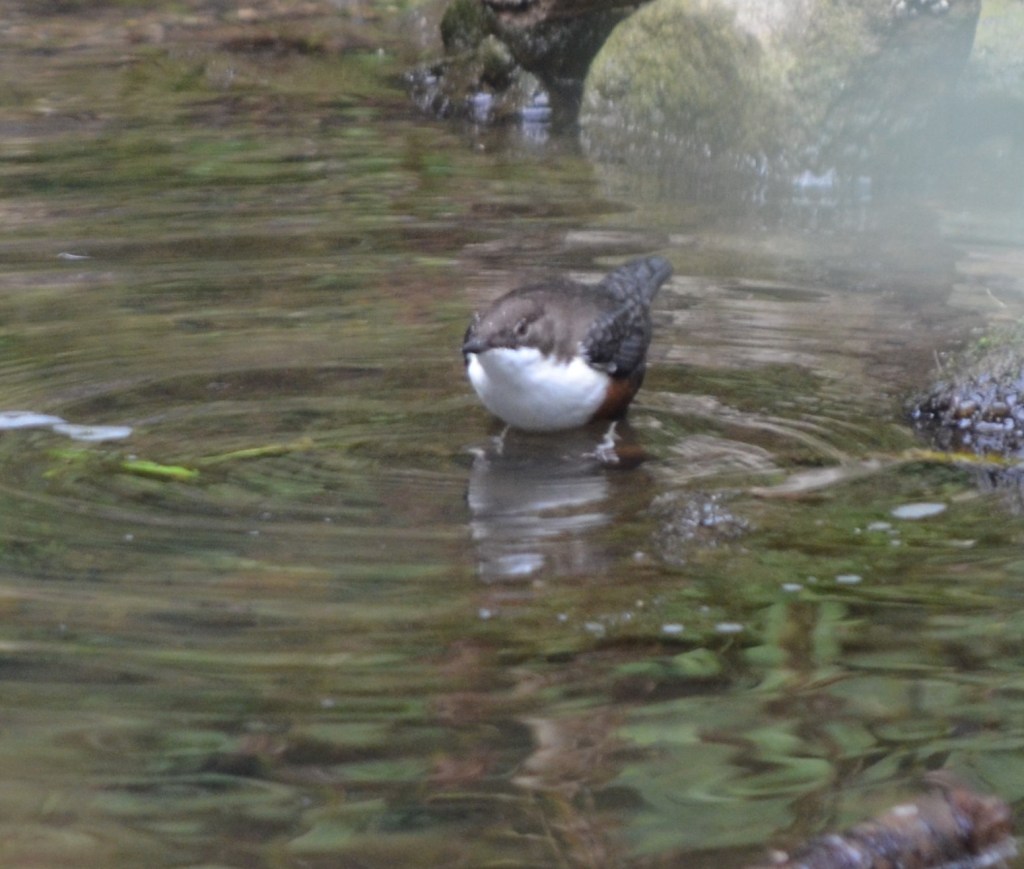
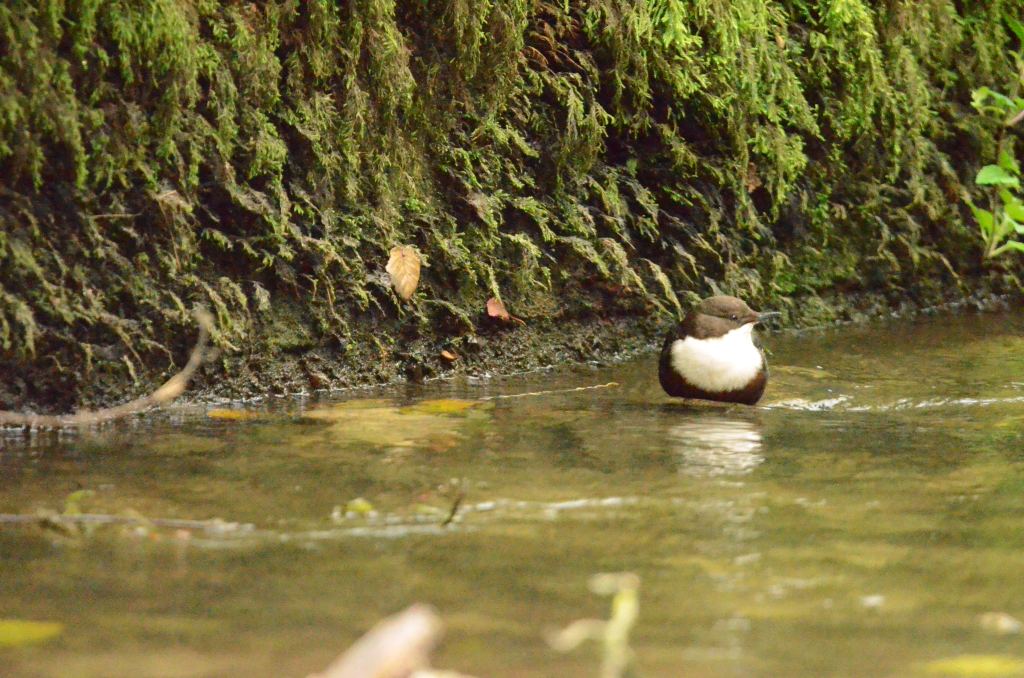
    Dipper facing

    White-throated dipper, Loggerheads Country Park, 24th August 2025

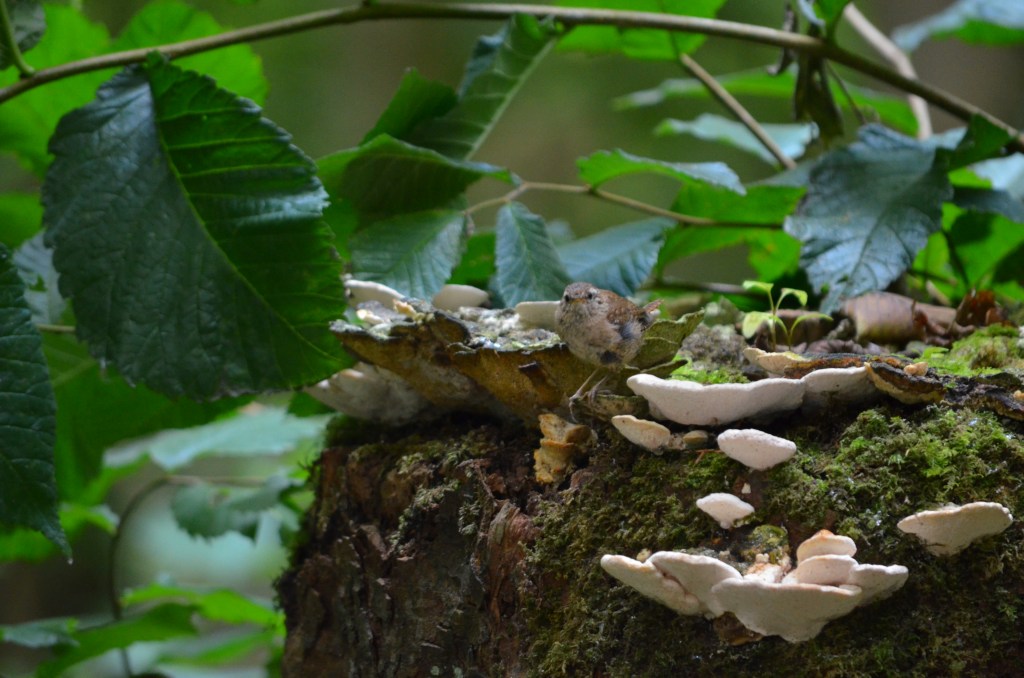
    Wren facing

    Wren, Loggerheads Country Park, 24th August 2025. You can see how tiny it is in comparison to the mushrooms and hazel leaves nearby.

    Green-veined white

    Green-veined white butterfly (female), Loggerheads, 24th August 2025

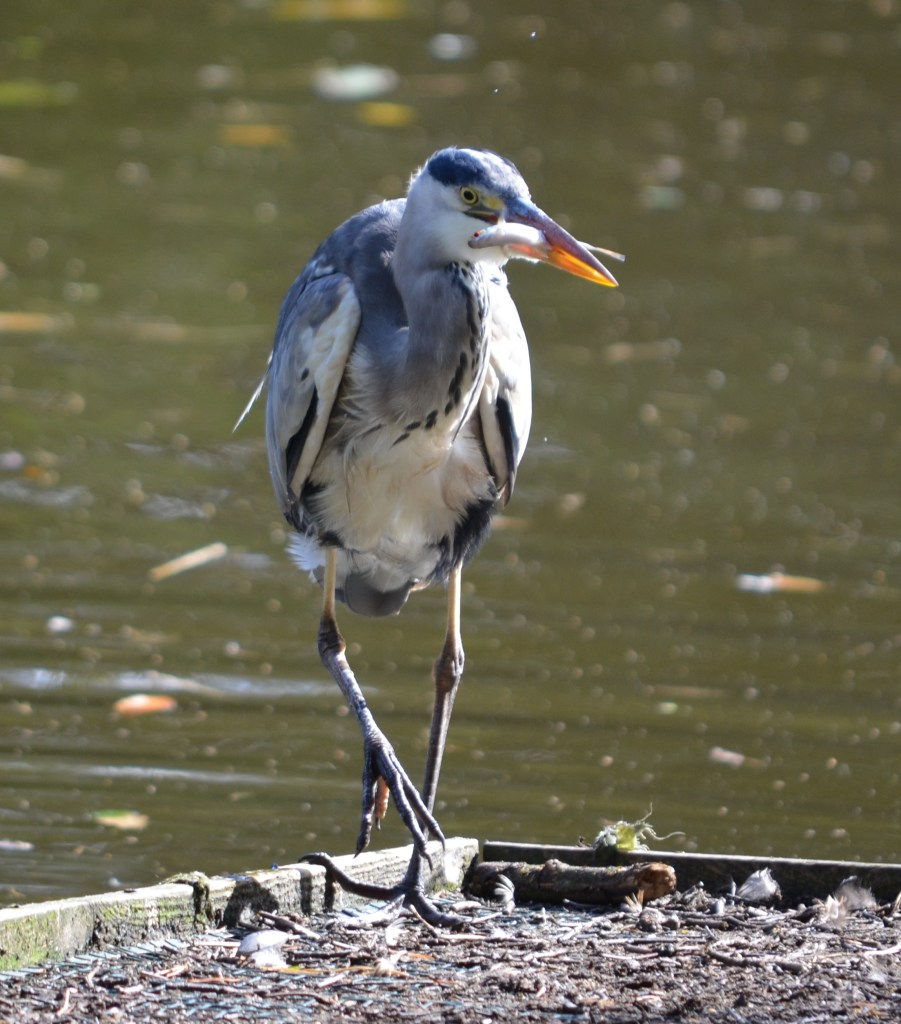
    Grey heron, Royden Park, 31st August 2025

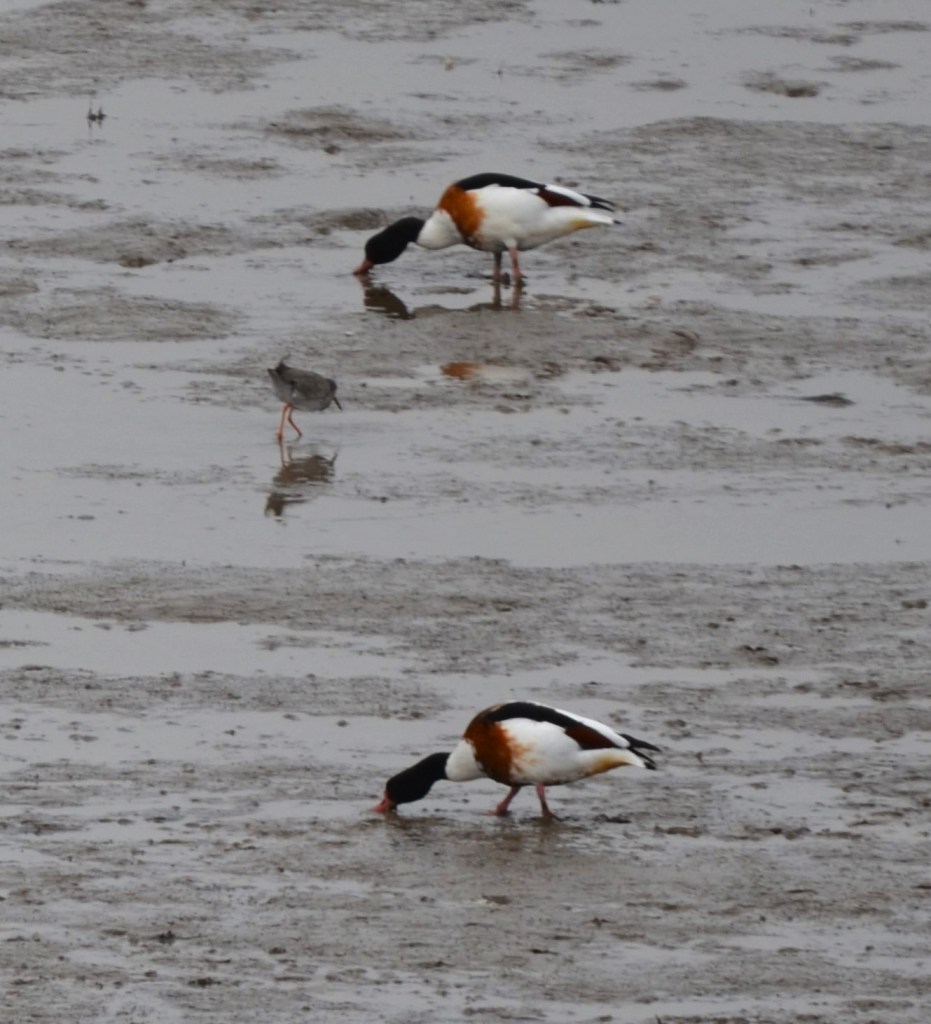
    Shelducks and Redshank

    Shelducks and Redshank, Thurstaston Beach, 14th September 2025

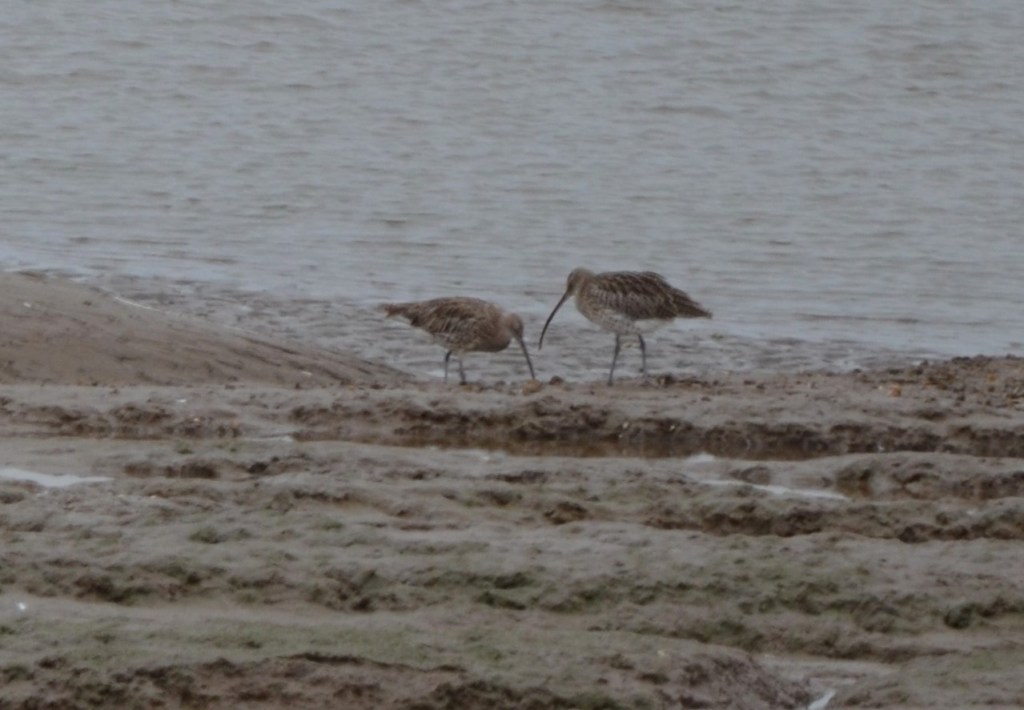
    Curlews at Thurstaston

    Curlews, Thurstaston Beach, 14th September 2025

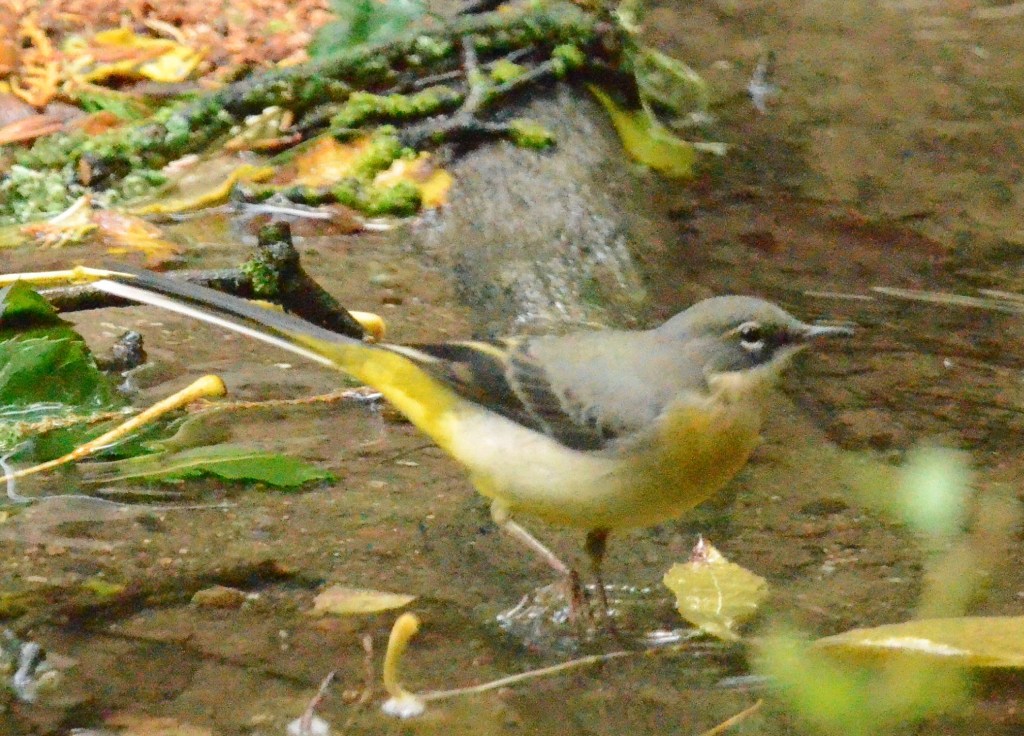
    Grey wagtail (female)

    Grey wagtail, Loggerheads Country Park, 5th October 2025

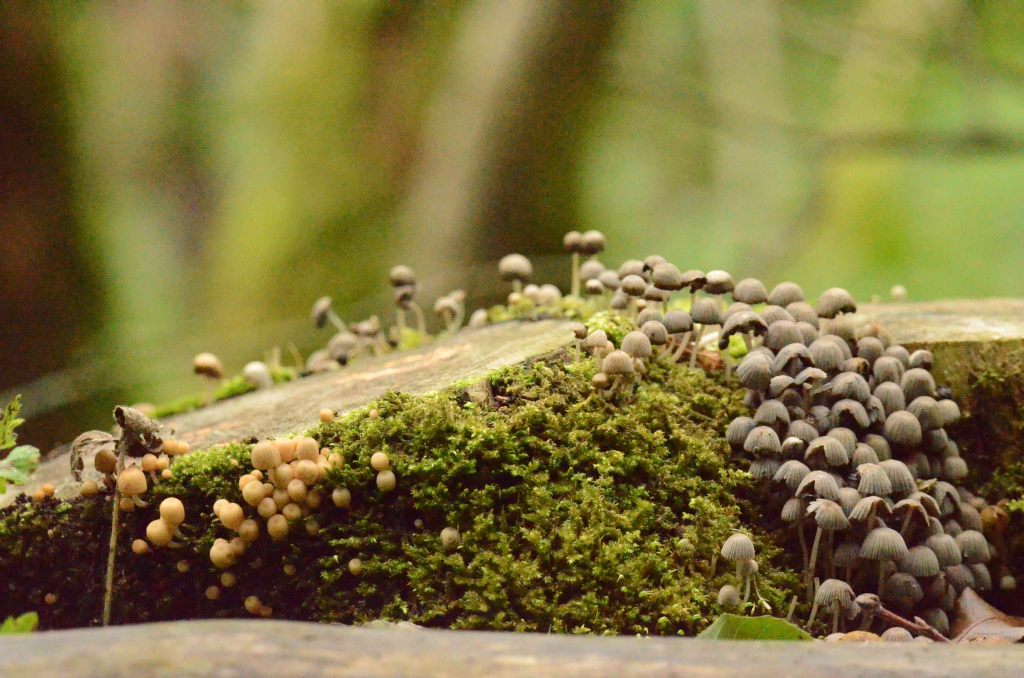
    Fairy inkcaps

    Fairy inkcaps, Loggerheads Country Park, 5th October 2025

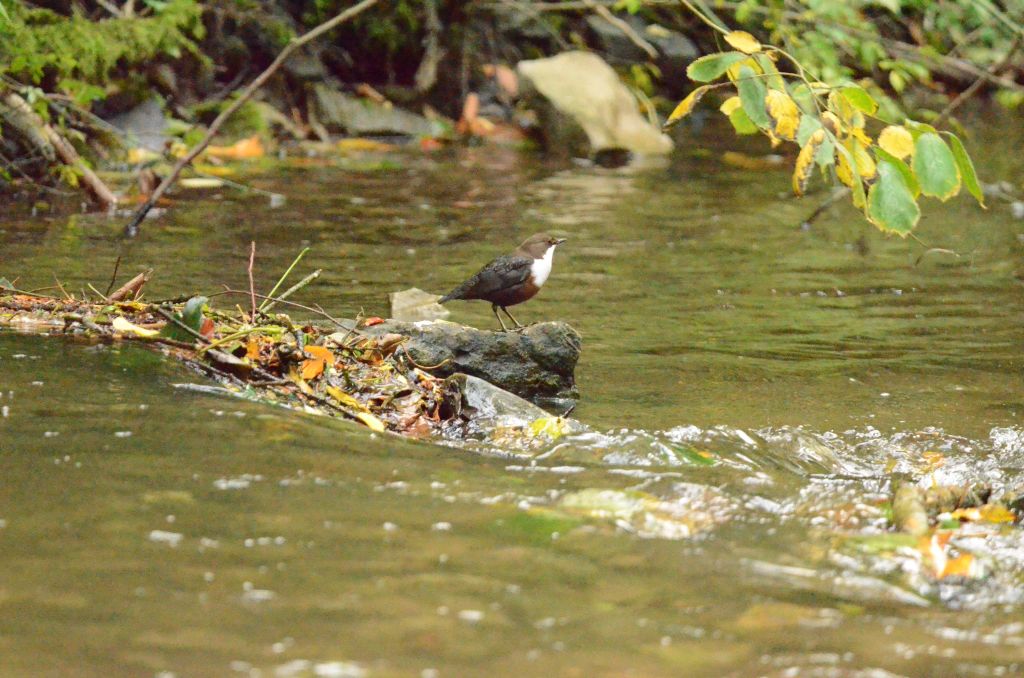
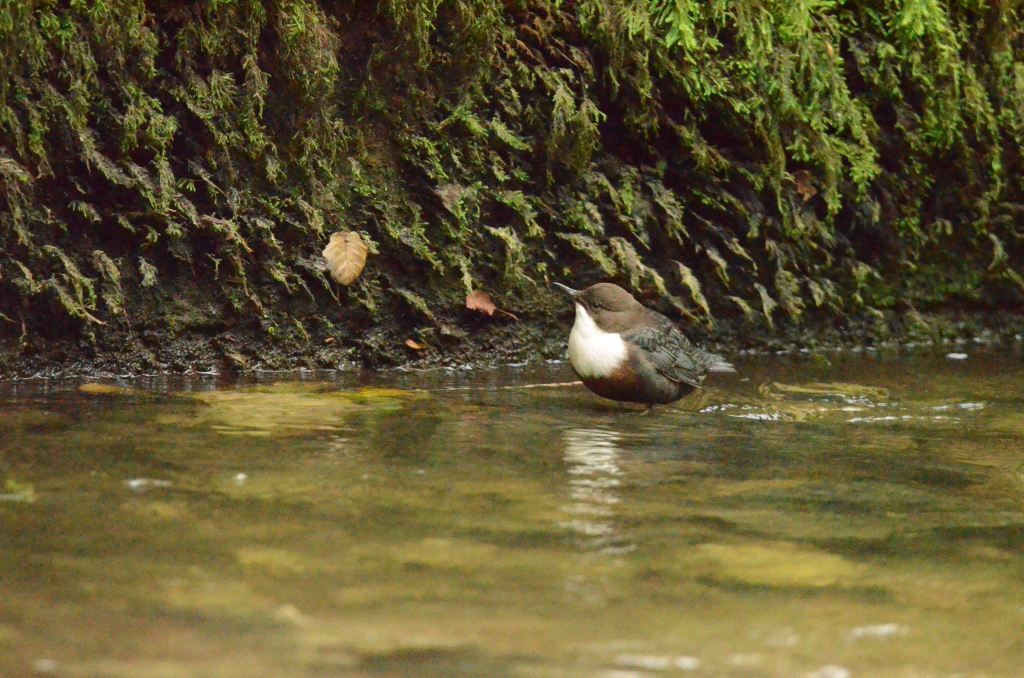
    Dipper mid-stream

    White-throated dipper, Loggerheads Country Park, 5th October 2025

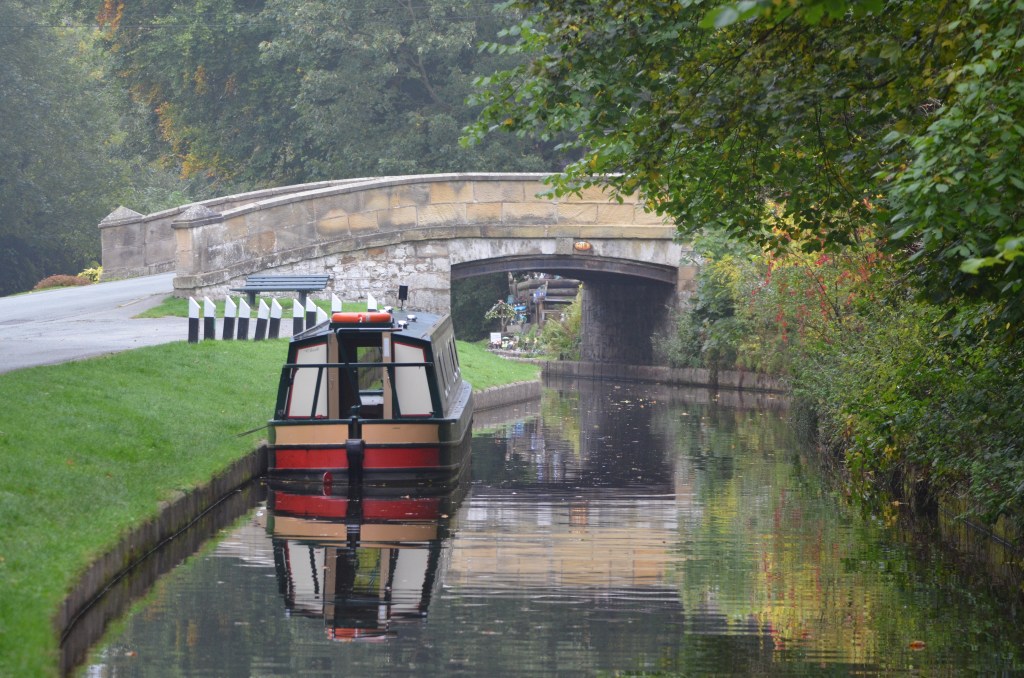
    Moored houseboat at Chirk

    Narrowboat at Chirk Bank, 12th October 2025

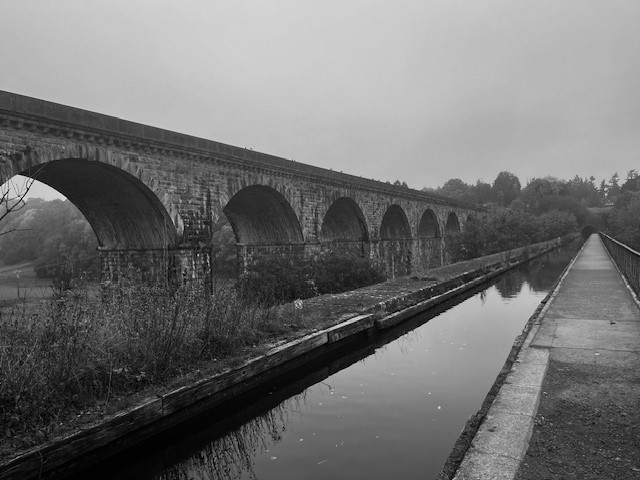
    Chirk Aqueduct and Viaduct

    Aqueduct and Viaduct, Chirk, 12th October 2025

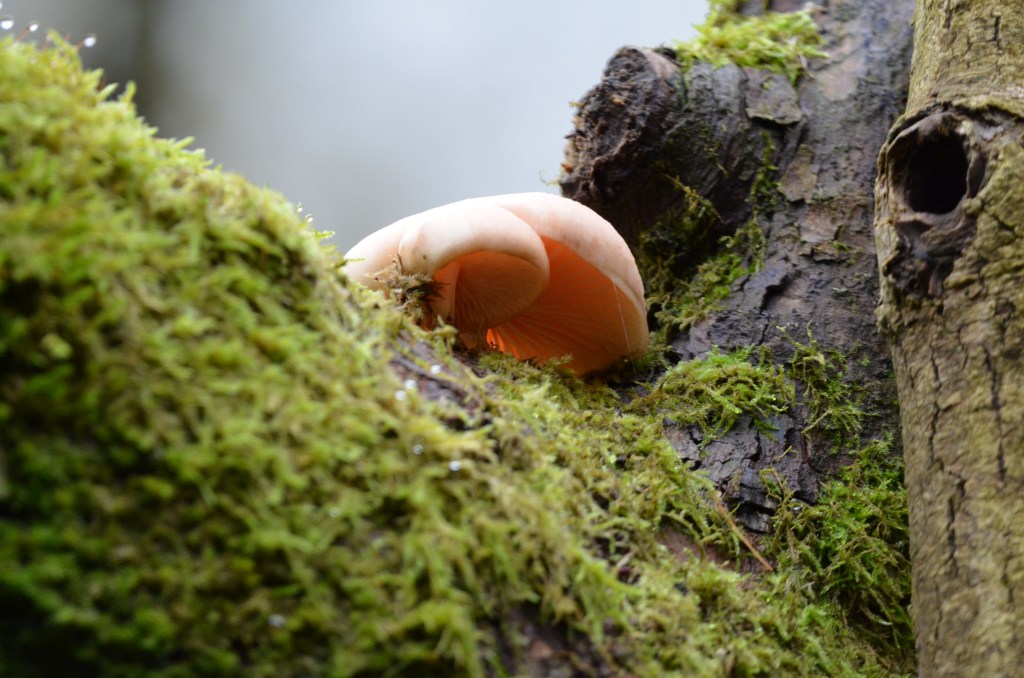
    Velvet shank

    Velvet shank, Loggerheads Country Park, 16th November 2025

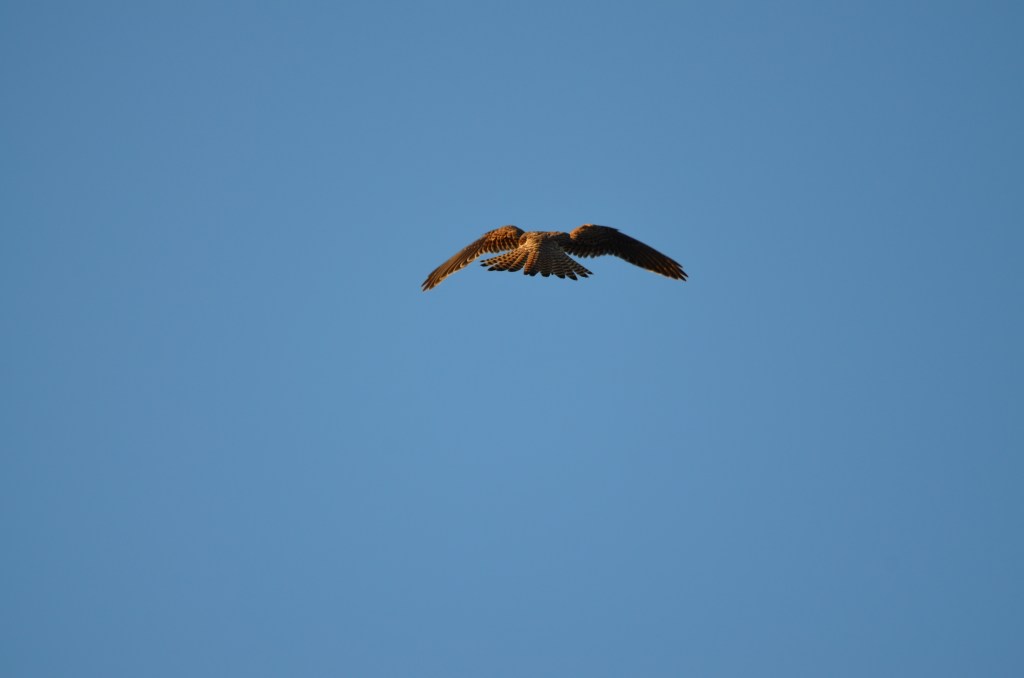
    Female Kestrel facing into the wind

    Kestrel (female), facing into the wind, Parkgate, 2nd November 2025

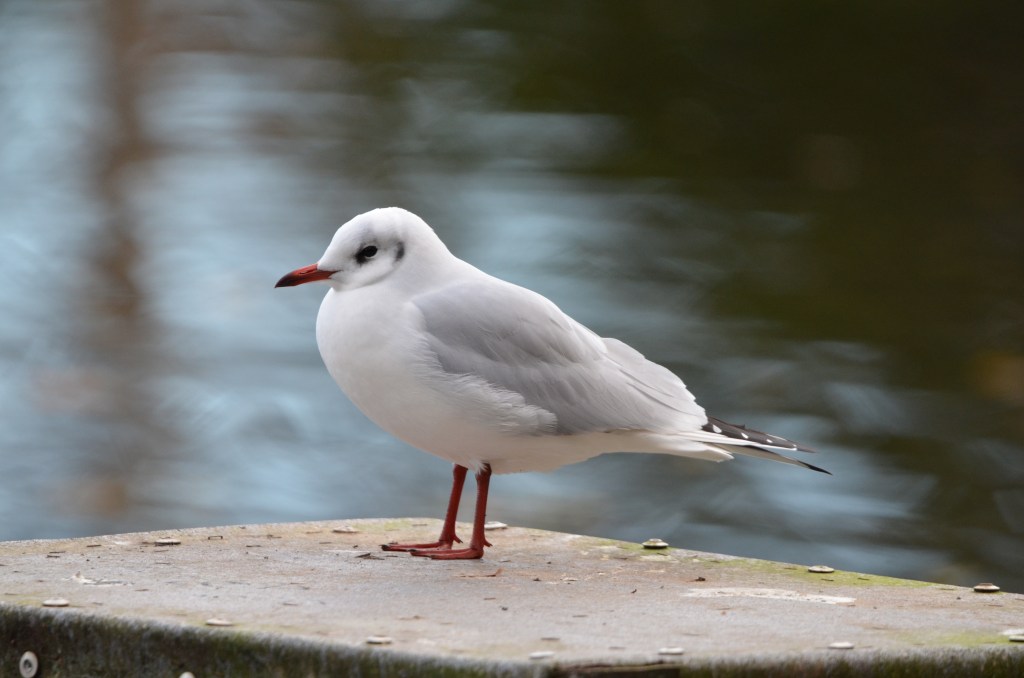
    Black-headed gull winter plumage

    Black-headed gull (winter plumage), Royden Park, 30th November 2025

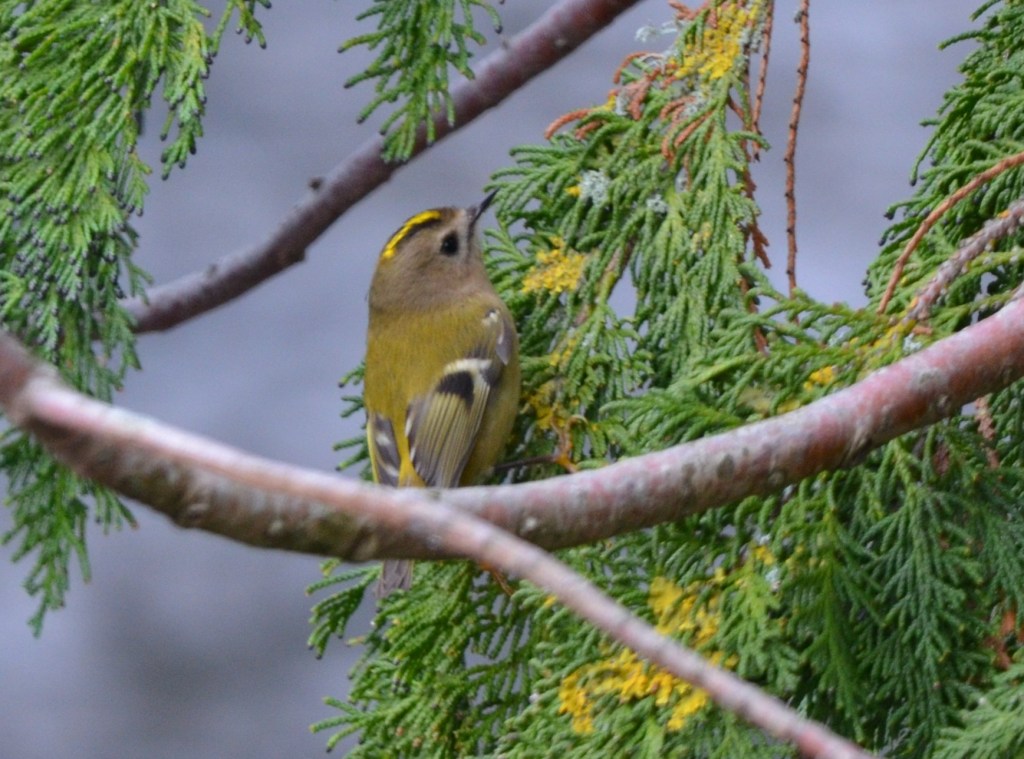
    Goldcrest in conifer

    Goldcrest, Loggerheads Country Park, 28th December 2025

  • The River Returns

    (Sunday 5th October, 2025)

        Over to Loggerheads Country Park in Denbighshire this morning. It was 12°C with occasional westerly gusts of wind, although we were pretty much sheltered by the trees either side of the Leete path. In stark contrast to our recent visits when the riverbed ran dry after just a short distance, this time the River Alyn was in full spate and flowing strongly after all the recent rain. We’ve reported elsewhere in the blog seeing Grey wagtails and White-throated Dippers along this stretch of water and, today, we were fortunate enough to witness individuals of both species here, happily sharing the same habitat while exploiting the surge in water.

    Grey wagtail (female)

        Grey wagtail

    First to arrive was a Grey wagtail – female, judging by the absence of the black bib. She may have been collecting for her brood, or maybe just herself (we saw no sign of a male today). She re-appeared further downstream a little while later, flying low to land on a rock mid-stream from where she scanned the water, her long tail steadily moving up and down as she did so.

        We moved further through the woods, noticing varieties of fungi as we went. The clusters of fungi decorating the moss-strewn tree trunks appear to be Fairy inkcaps, which are quite common mushrooms throughout Britain. I don’t know what type of mushrooms the bracket fungi are, though: initially I thought Dryad’s saddle, but I’m not so sure now. Until further notice, this shall remain a mystery!

    Fairy inkcaps
    Bracket fungi

      Fairy inkcaps (top) and bracket fungi (bottom) 

    We pressed on through the woods always with an eye on the river. Our patience and peering paid off as very soon we saw a brown blur approach from the far bank and land in the water, half-submerging itself. Yes, this was a White-throated Dipper.

    Pleasantly plump Dipper
    Dipper facing upstream

    White throated Dipper

    The bird shifted to a small rock to the side of a naturally formed weir and began its comical, characteristic bobbing. It’s apparently this action that gives the bird its name, as it ‘dips’ up and down: and there was I thinking it earned its name because it enjoyed dipping itself underwater! Trying to identify the sex of a Dipper is very difficult as there is little to distinguish between males and females. On the whole, though, males are larger: looking at this one (and we’re sure that it was the same Dipper that we saw put in a couple of separate appearances), I’d say it was male.   

    Dipper mid-stream

    There are a couple of photographs where Stu caught the Dipper with its eyes closed as it was blinking: you can see the white feathers of the eyelids contrast strikingly with its brown head and face.

    Dipper eyes closed
    Dipper eyes closed 2

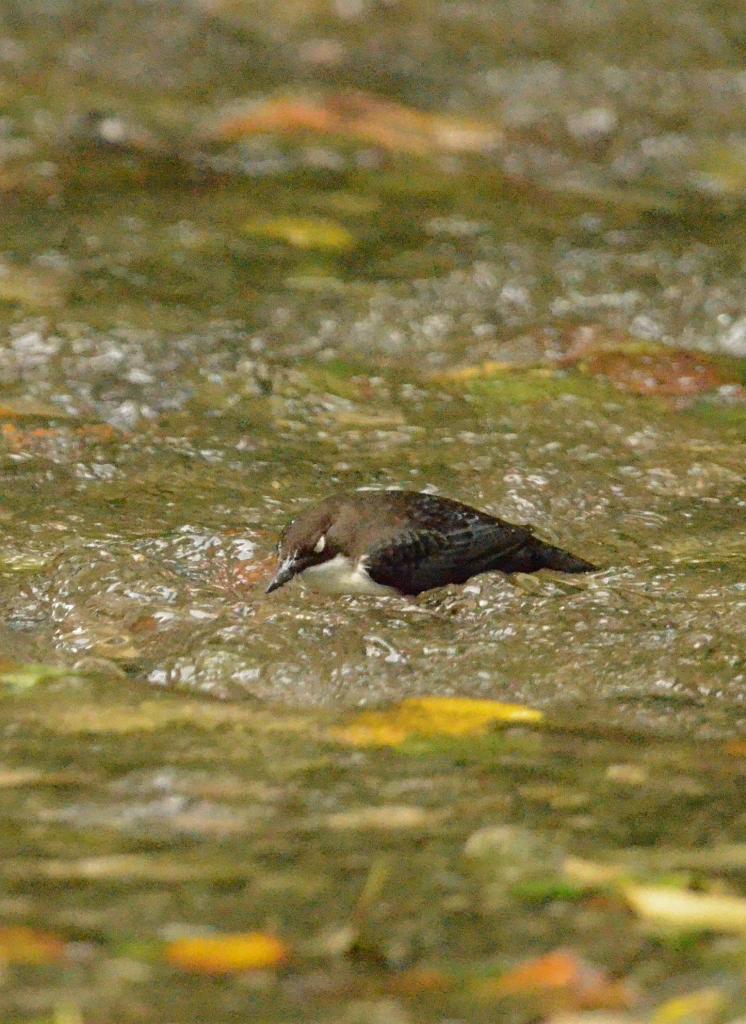
    We watched the Dipper plunge into the water in search of food, which it did tirelessly again and again – in fact, you can see in one of the photographs that it has caught something in its beak. Dippers have a taste for the larvae of Caddisfly but will eat aquatic insects and worms, crustaceans and even small fish, although I can’t identify this particular appetiser here.

    Dipper inspecting

       The pleasantly plump Dipper with its beak full

    While their solid appearance could be described as ‘pleasantly plump’, their squatness helps make them strong swimmers – they beat their wings rapidly both in and out of the water. Mesmerising. We were exceptionally lucky to have seen both a Grey wagtail and a Dipper along the same stretch of water on the same day.

    The important stuff

    While building work continues at Loggerheads, this doesn’t mean that travellers like us have to remain hungry and thirsty – oh no! You can get refreshments from The Mill House café (Tŷ’r Felin) next to the mill at the visitor centre, so we had our customary cappuccinos and Bakewell slices as we sat in the lee of the stone wall. Lovely!