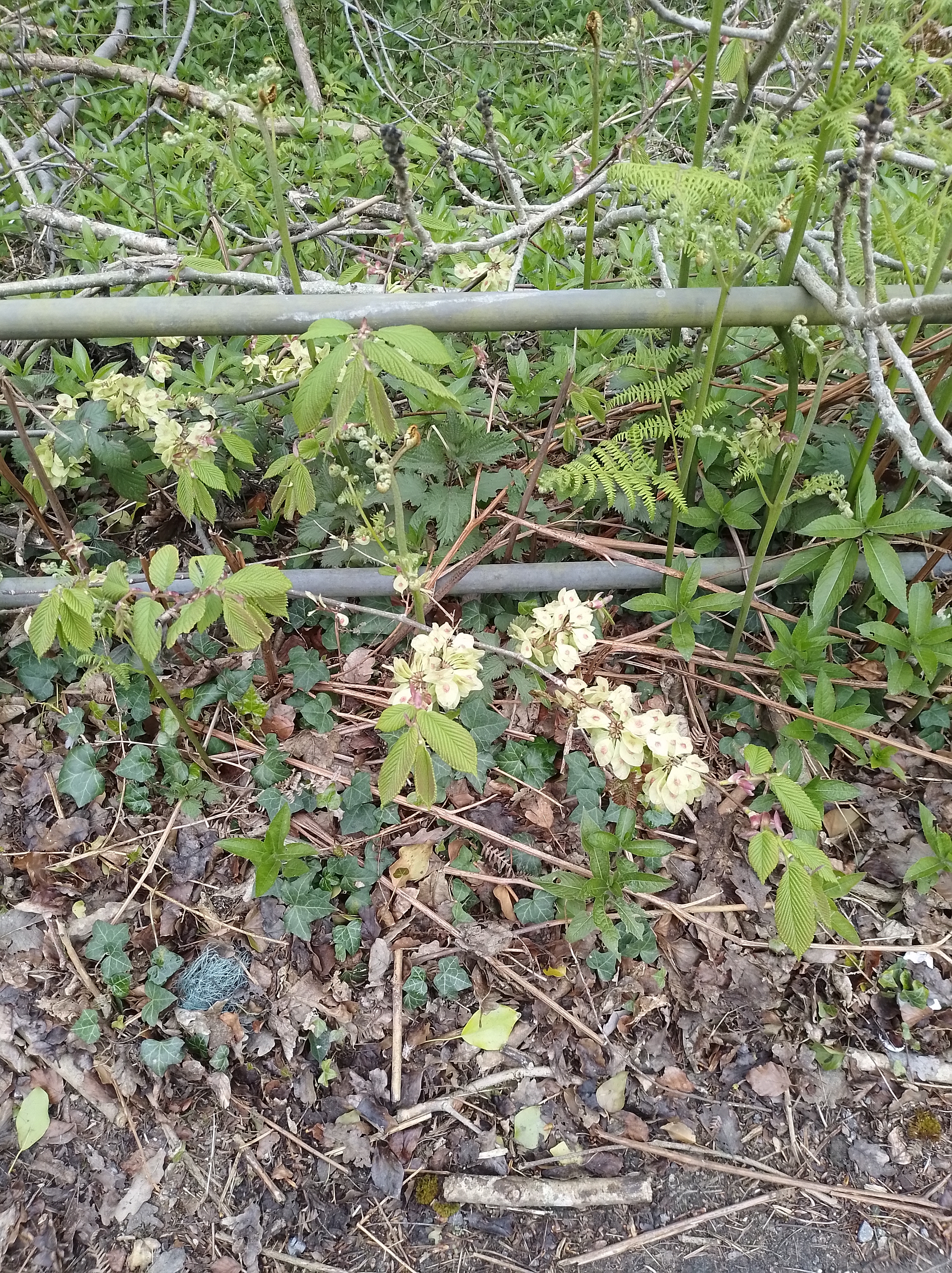
Tag: flowers

  • Morning Dippers

    (Sunday 24th August, 2025)


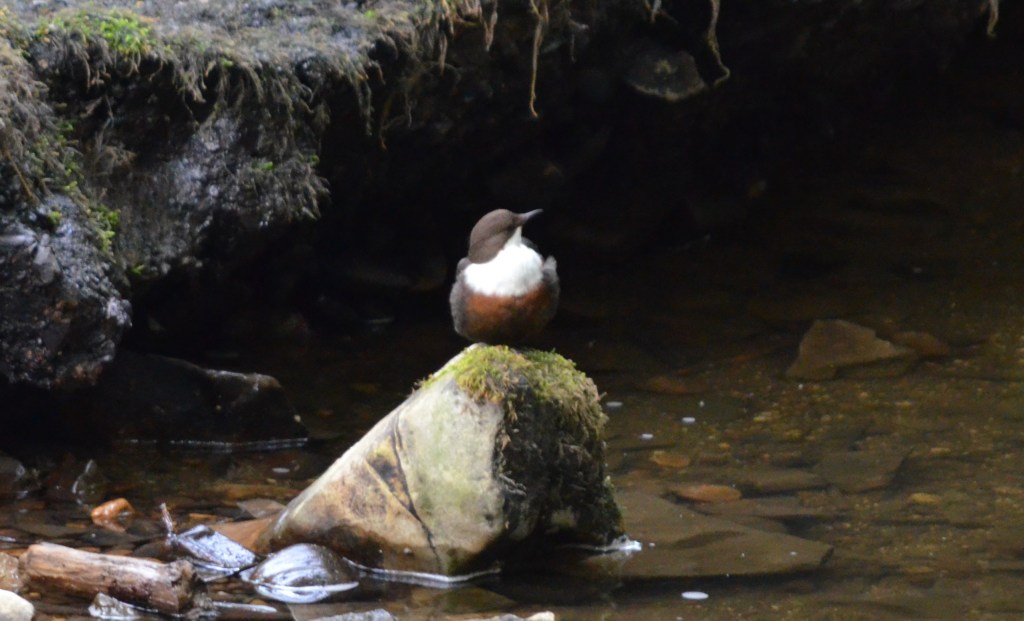
    Dipper facing

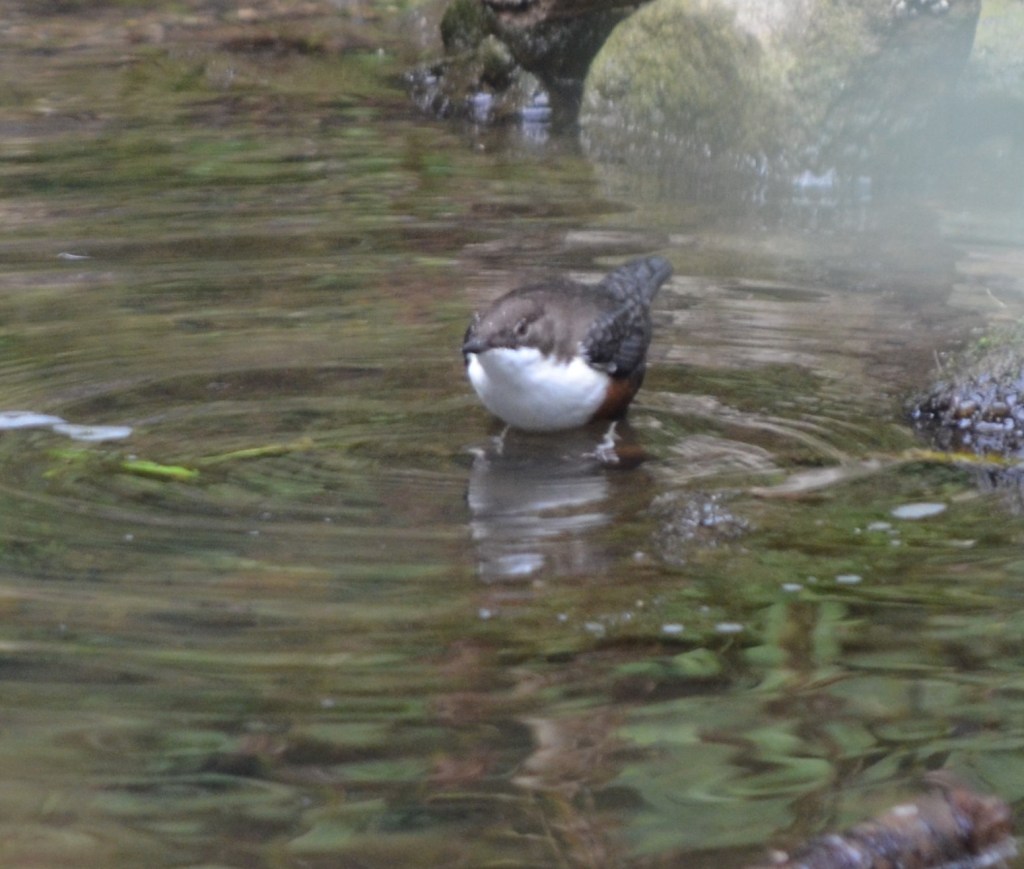
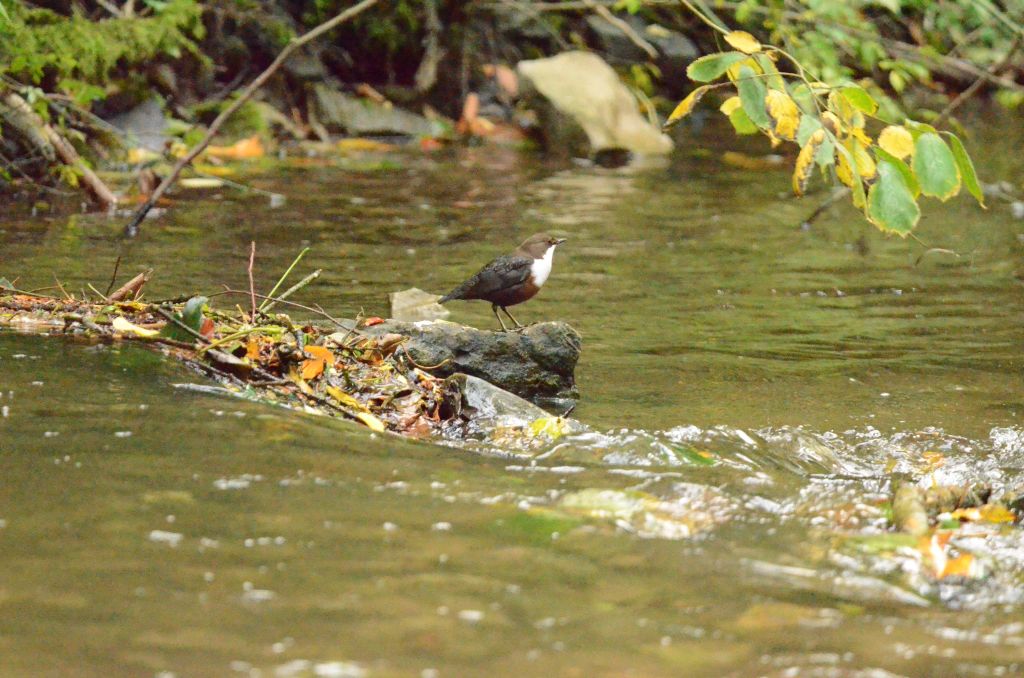
    Over to Loggerheads Country Park this still, warm morning (21°C), where we saw a pair of Dippers. As I’ve stated previously, the River Alyn disappears from the surface a short way downstream from the picnic area, but continues to flow underground.[1] Upstream, however, the water still flows sufficiently enough to attract the White-throated dippers, more commonly referred to as just Dippers. These plump, short-tailed birds are very distinctive: mature Dippers have a black back, dark brown wings and tail, and chestnut head and belly, with a completely contrasting white throat and bib. It’s very difficult to tell the sexes apart, although we suspect that these two were a pair, each patrolling overlapping stretches of the river.

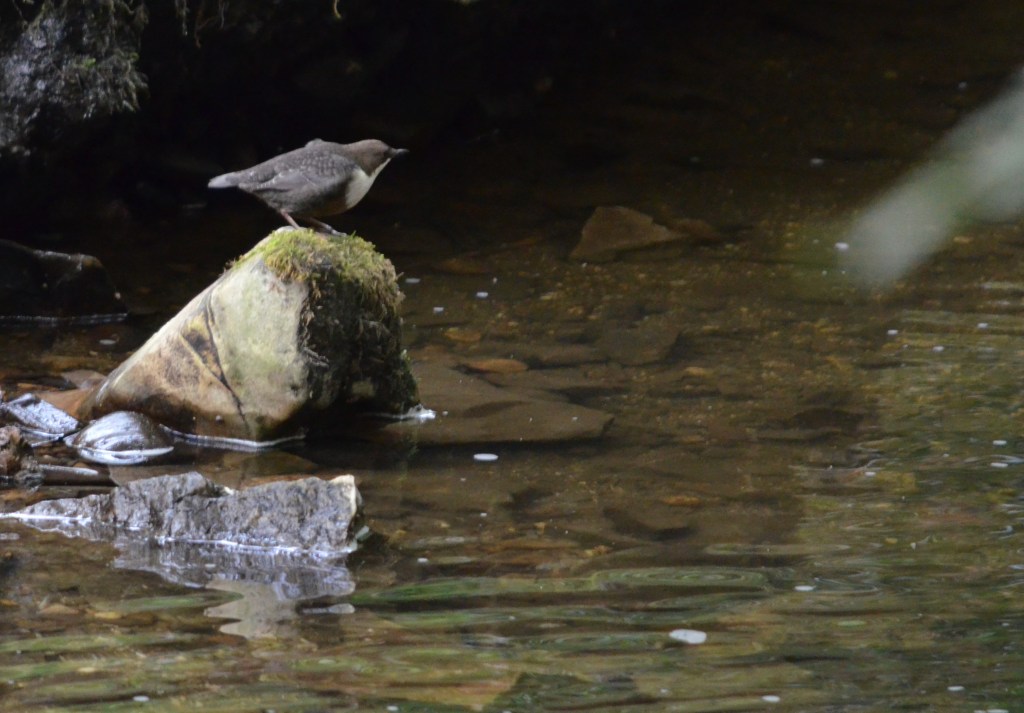
    Dipper 2

    Watching them perform their up-and-down bobbing on rocks surrounded by water was fascinating: frankly, it was comical! One of the Dippers submerged itself in the water, presumably seeking food, although I missed this as I was watching its mate further downstream.

    Dipper 3

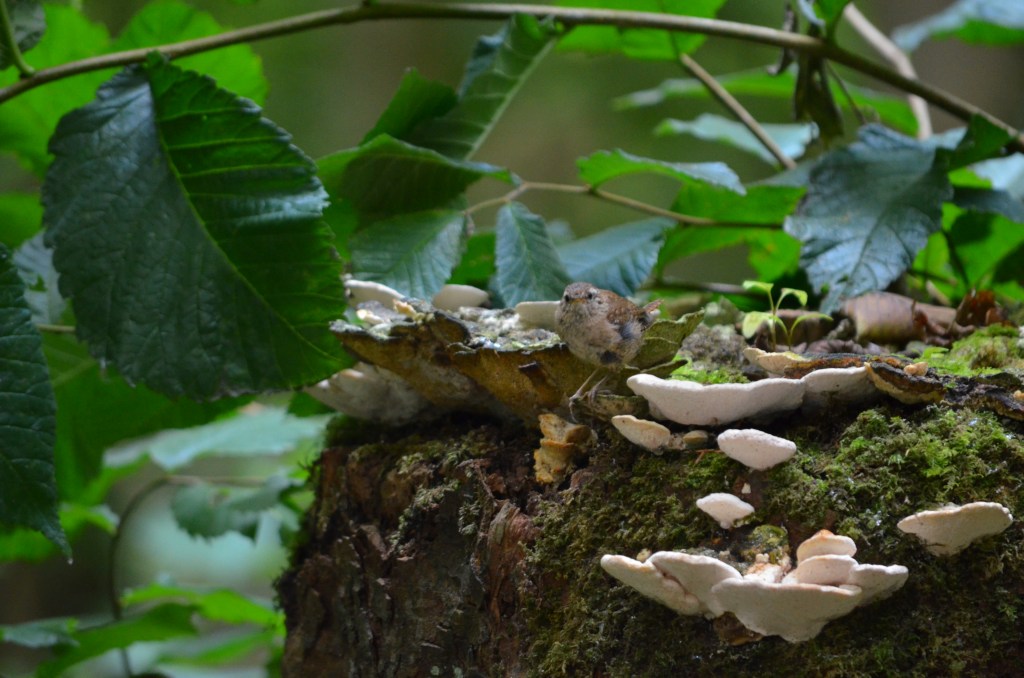
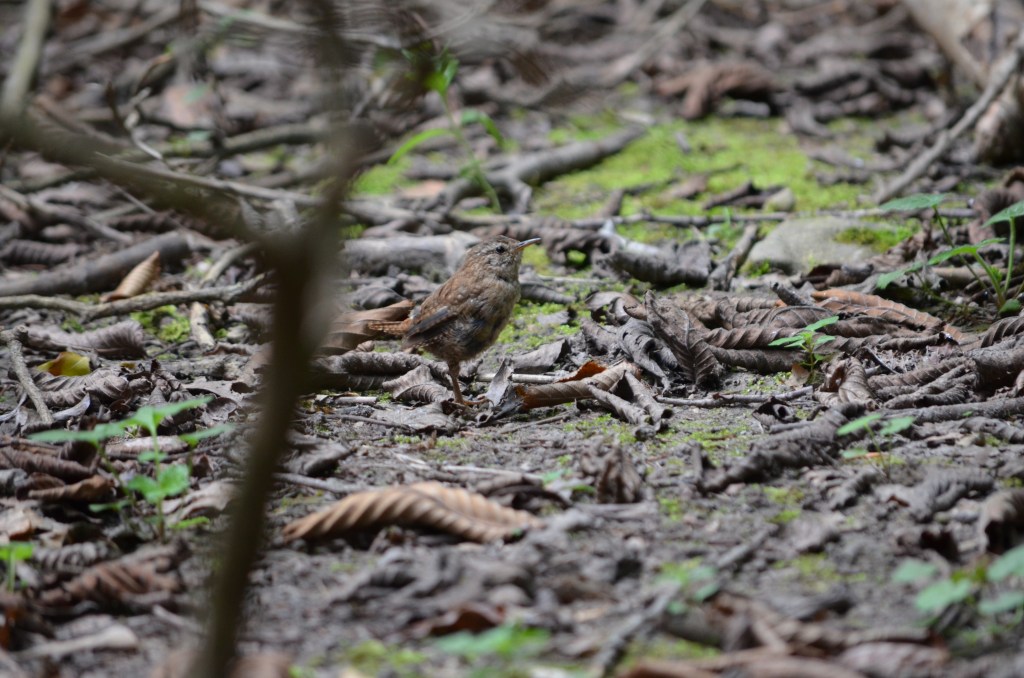
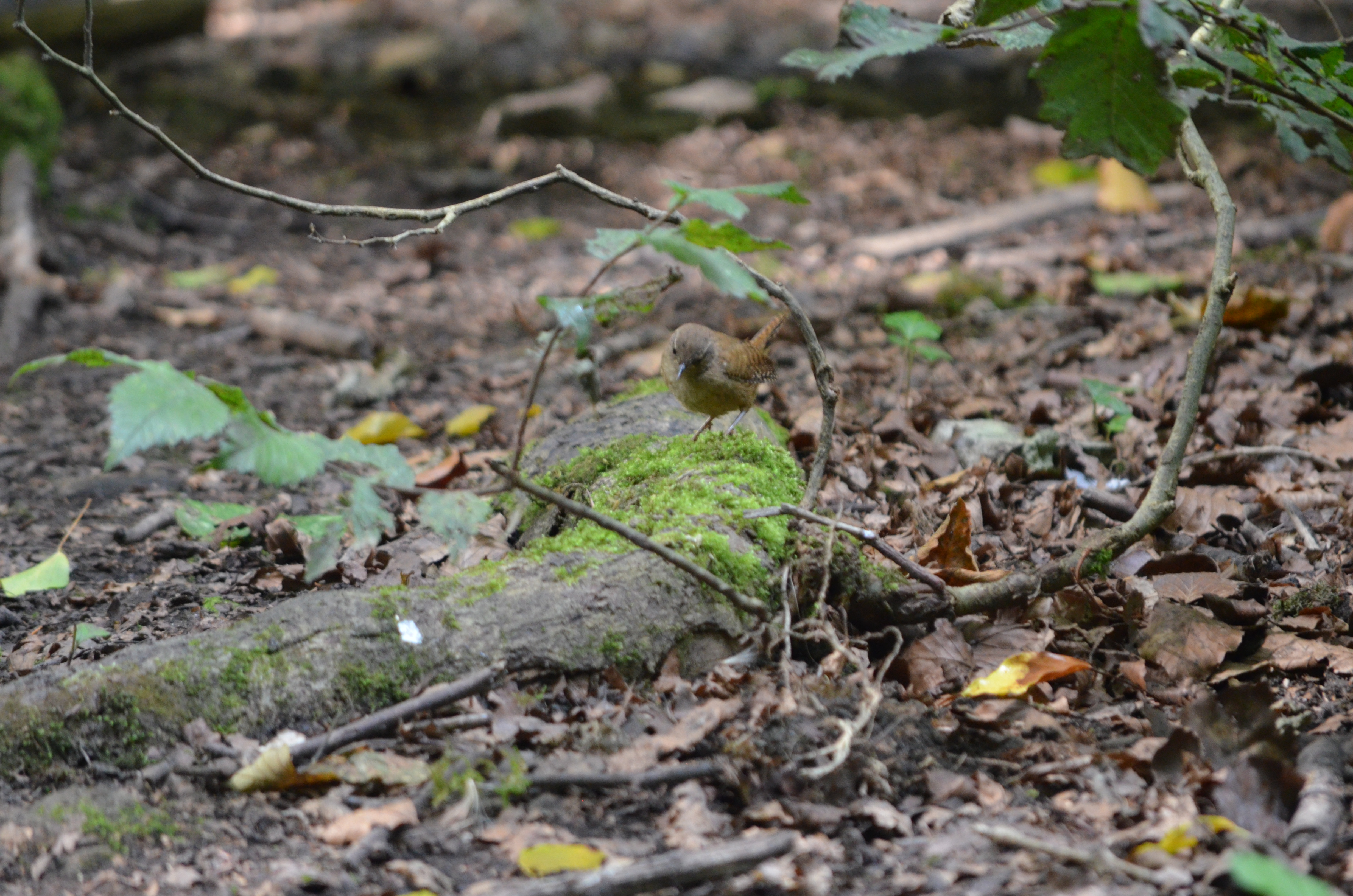
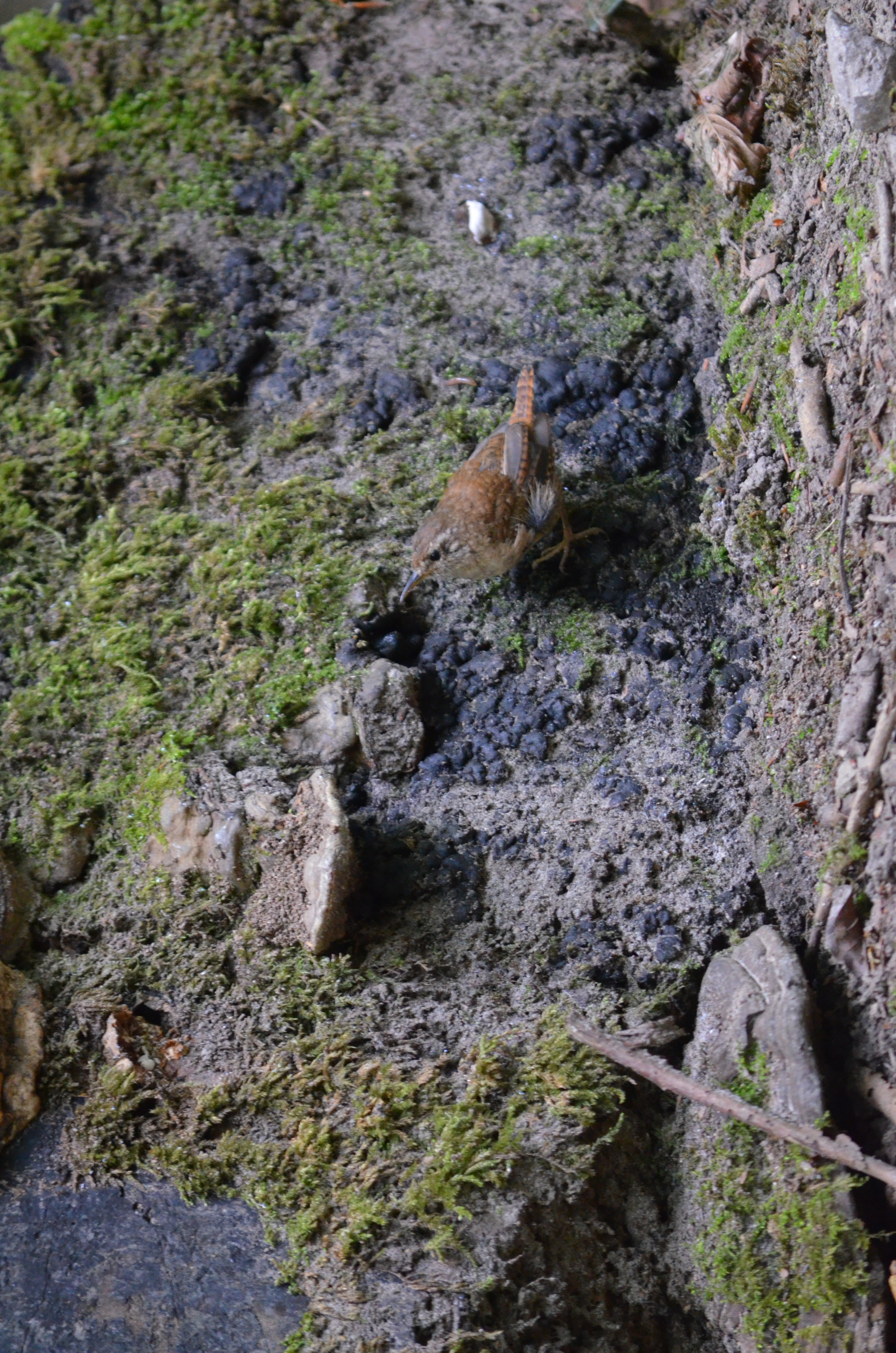
    Wandering further down the Leete path, we saw several piled logs, which were presumably laid down deliberately to attract insects. A Wren seemed to be making the most of the grubs and larvae, skipping quickly along the rotting branches and in the undergrowth.

    Wren 3

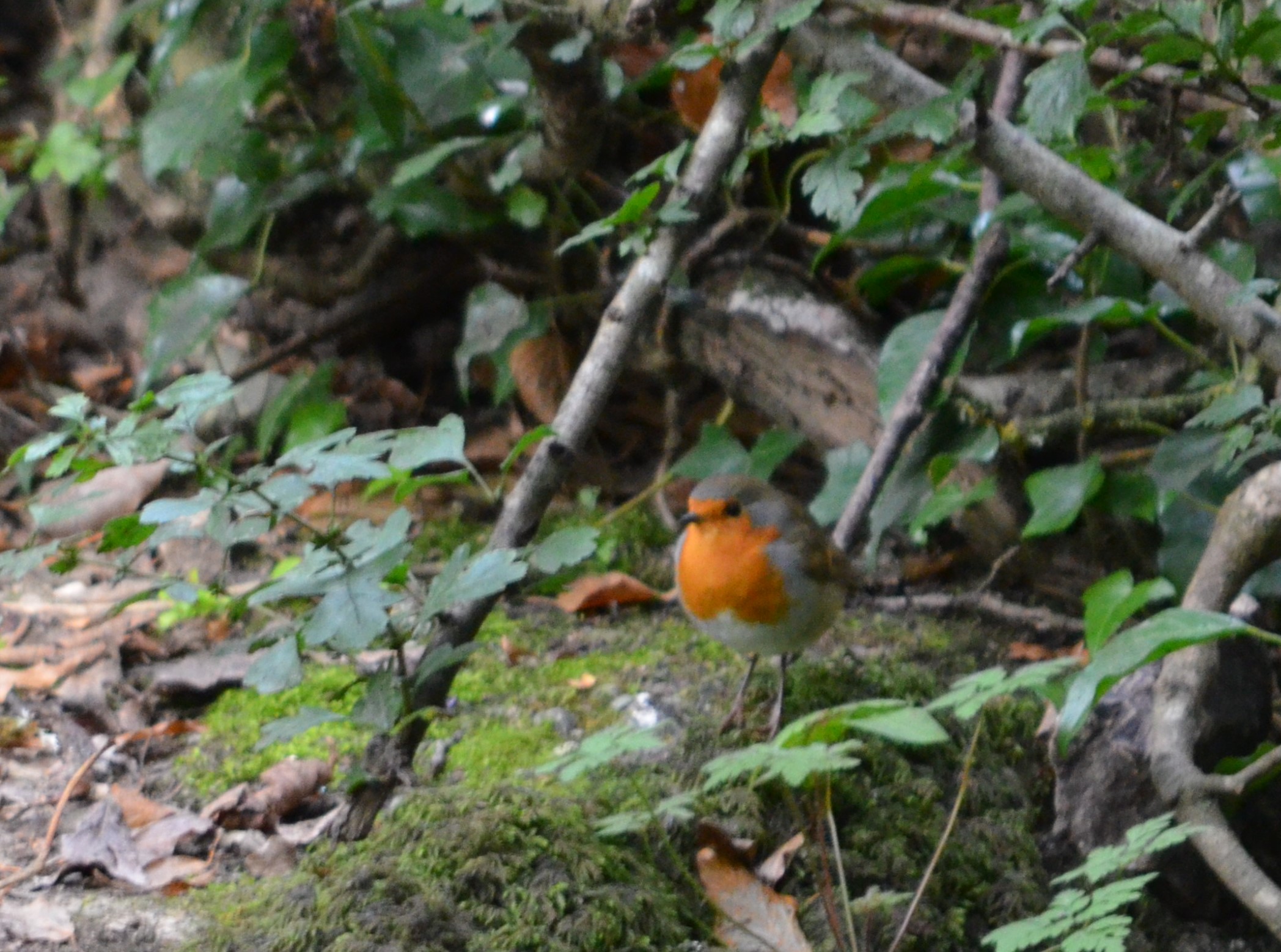
    Male and female Wrens look very similar, so we’re not sure which sex this was, but what a lovely bird. The Wren is rotund (not unlike the Dipper) and brown, but with very distinctive markings: note the brown and white barring on the wings and the short tail, which is often held erect. At one point, a Robin appeared nearby, probably guarding its territory from the Wren’s incursion, though I’m pleased to say that there was no squabbling!


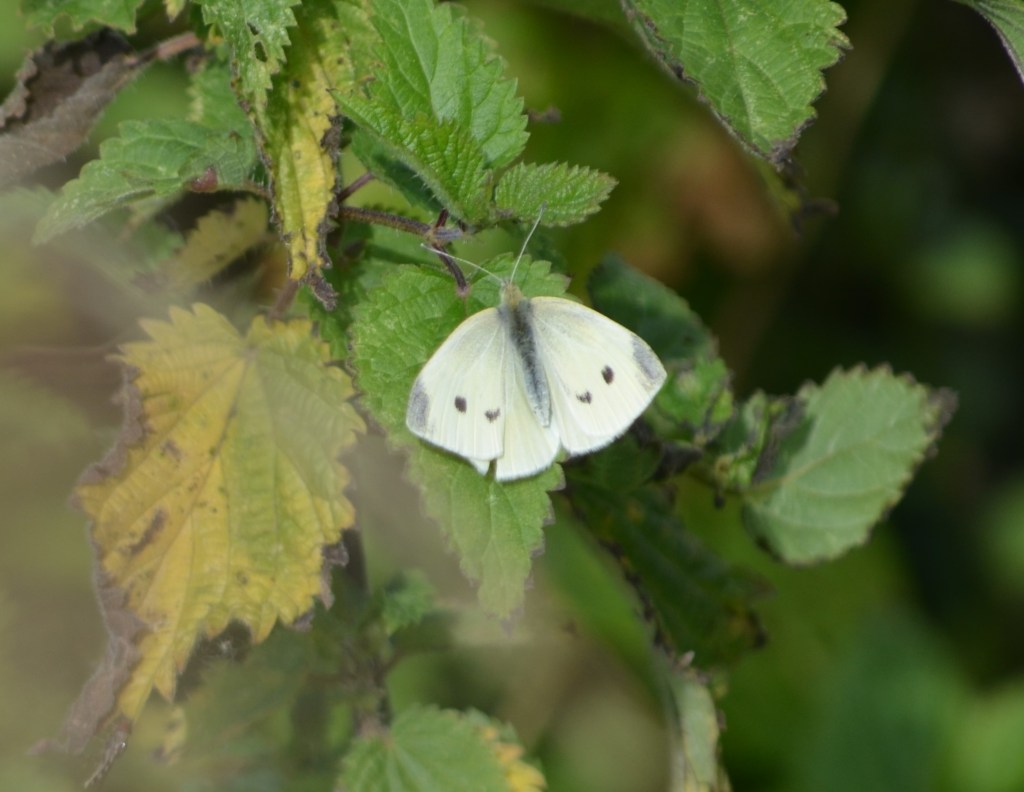
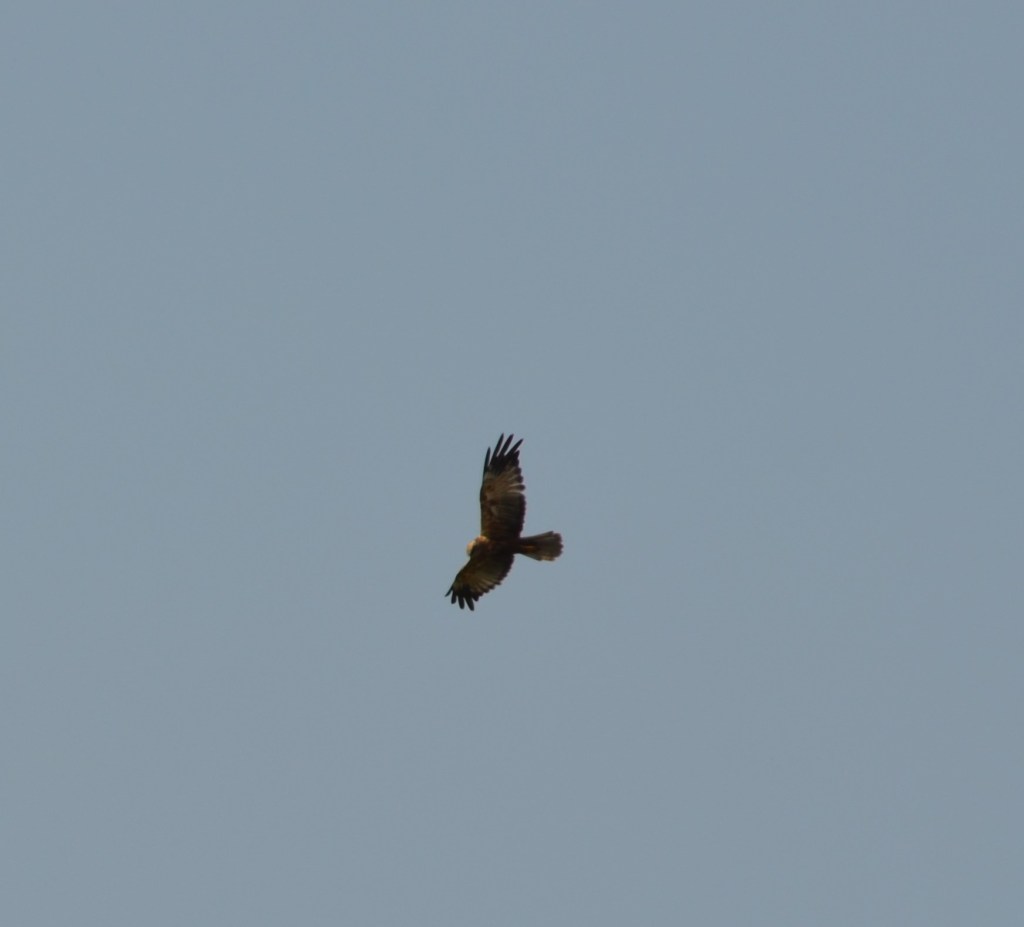
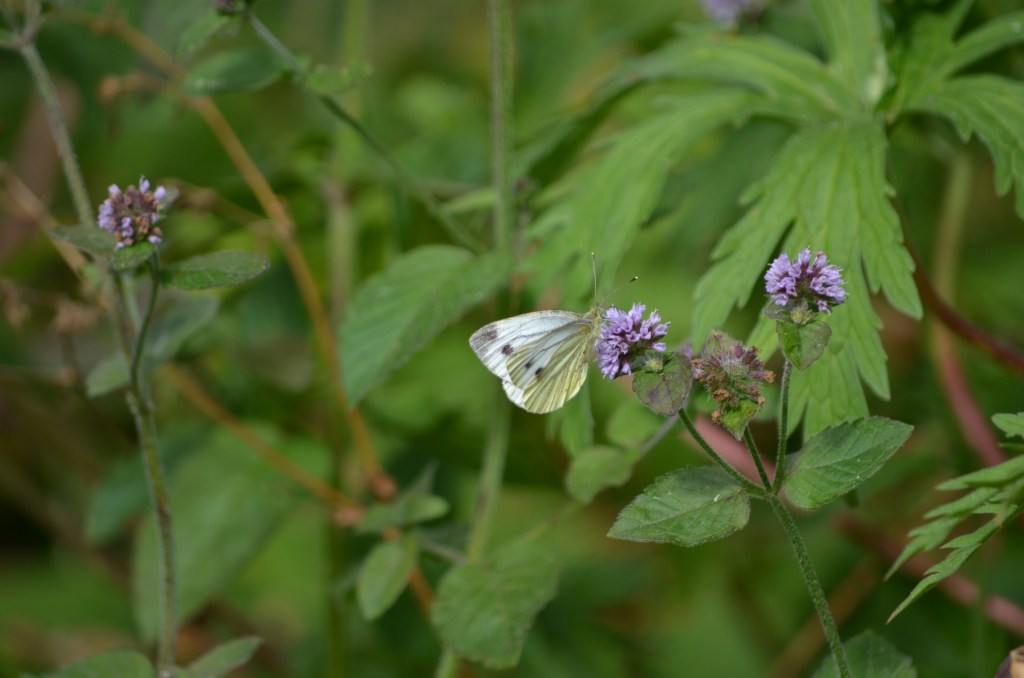
    We sat at the benches which are a little further along the path, where we saw several Small white butterflies collecting nectar from the numerous Great willowherb flowers in the woods. As we returned to the picnic area, through the tree canopy we saw a Common buzzard floating high above the cliffs – we’d heard its high-pitched mewling before we saw it. At the wild garden, a (female) Green-veined white butterfly posed for the camera – the females usually have two spots on their cream-coloured forewings.

    Green-veined white

    The important stuff

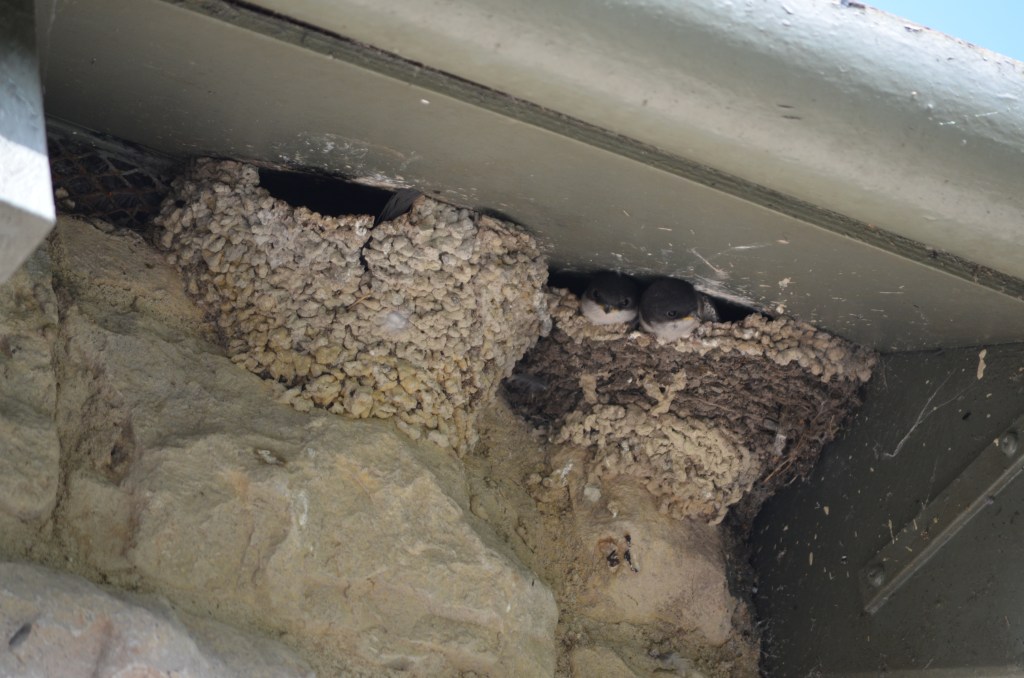
    After the morning’s exhaustions, we were in dire need of nourishment so, luckily for us, the café – Caffi Florence – was handily situated nearby. Customary cappuccinos were accompanied by a Strawberry and Almond slice (Col), and Coffee and Walnut cake (Stu). Suitably fortified, we were heading back to the car when we noticed a pair of House martins darting in and out from under the roof of the end building. We looked up and saw two well-constructed nests, although only one appeared to be in use. Stu pointed his camera lens upwards and got a couple of shots of the chicks that the parent birds were delivering food to.

    House martin chicks 2

    [1] See The River Vanishes, Sunday 27th July

  • Geese on the Wing

    (Sunday 17th August, 2025)

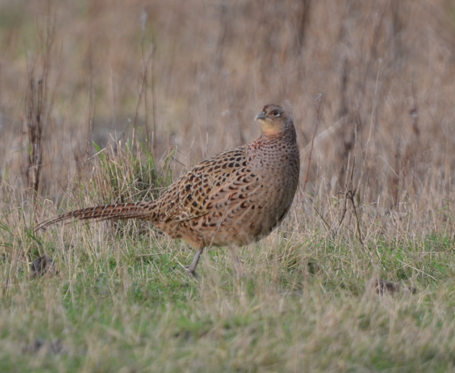
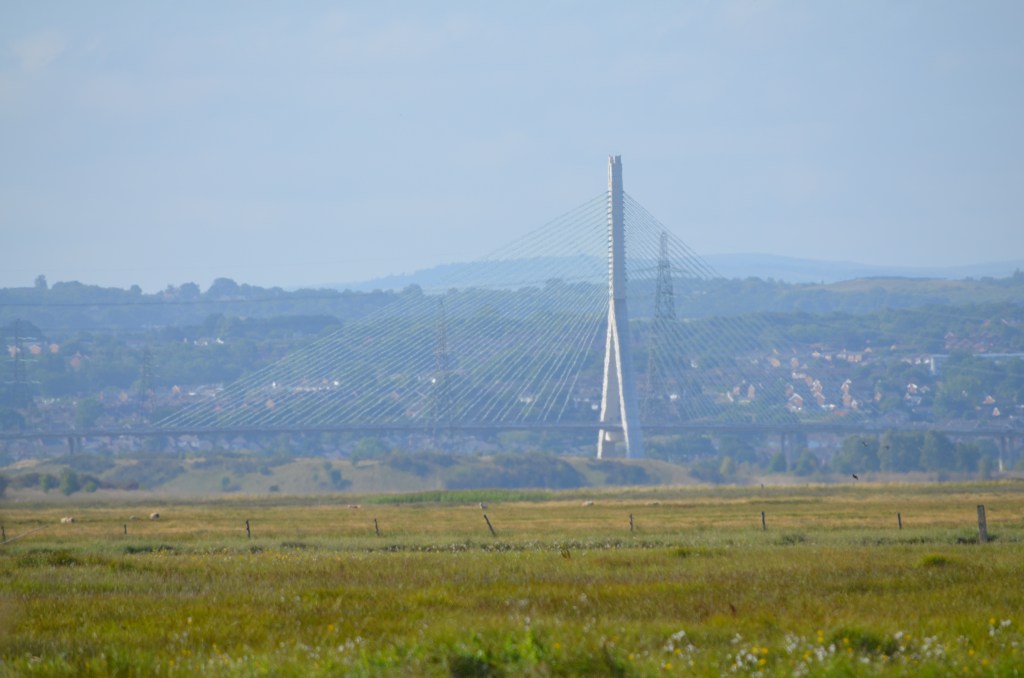
       Over to Burton Marsh this morning on the western side of the Wirral peninsula. After parking up, we followed the path north-westwards towards Neston, flushing out a male Pheasant from the marsh scrub as we walked close by, although it was completely accidental. It was a little hazy looking over the marsh towards the Flintshire Bridge, but this quickly cleared during the morning.

    Flintshire Bridge in the haze

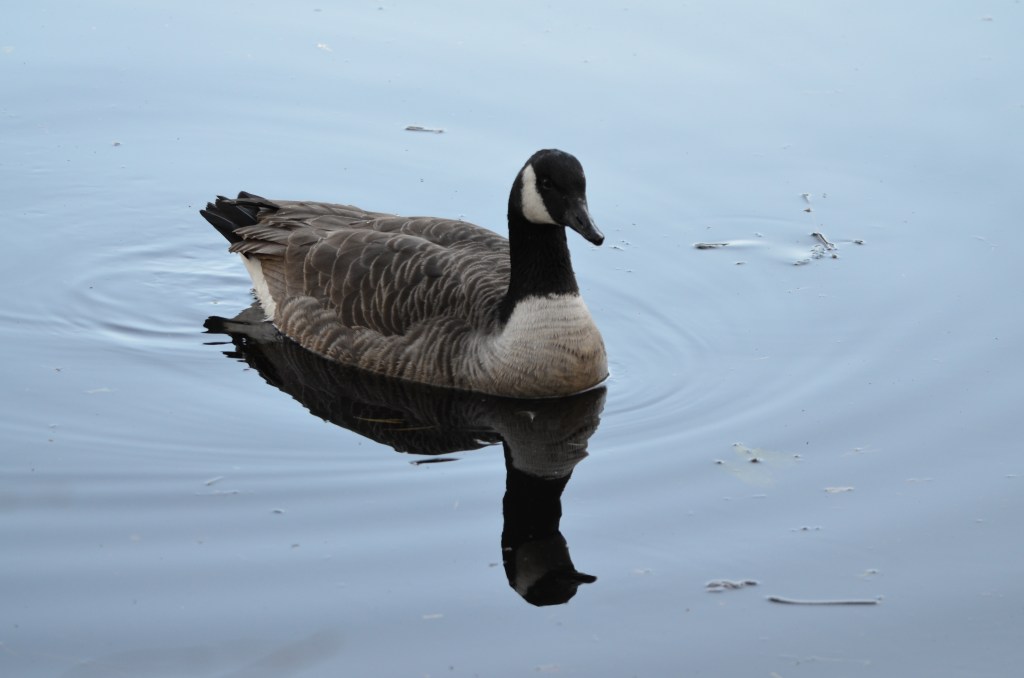
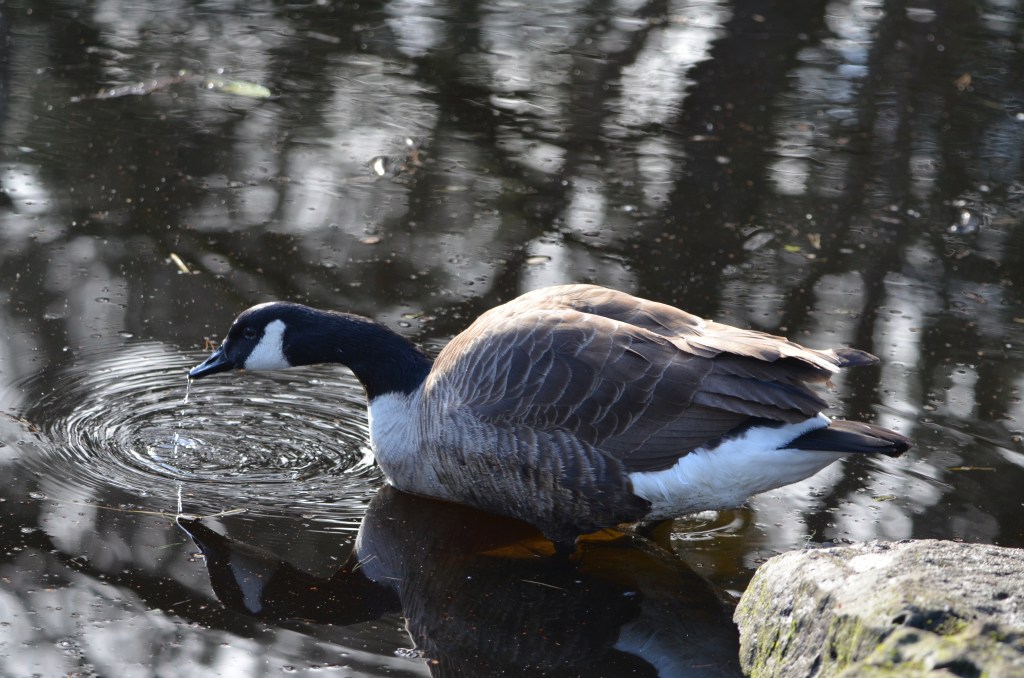
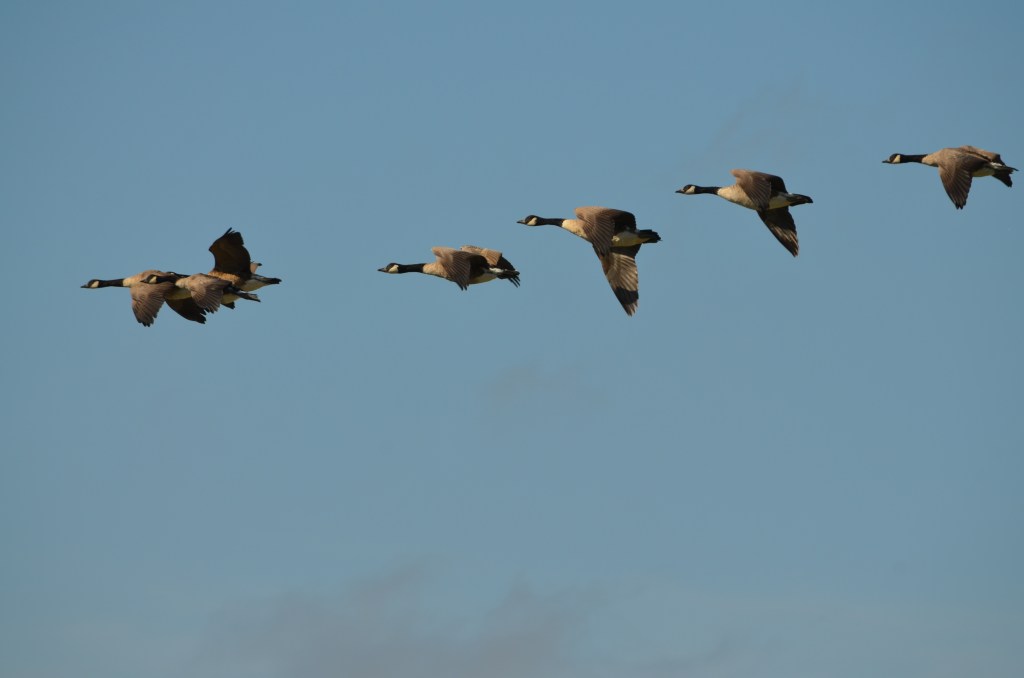
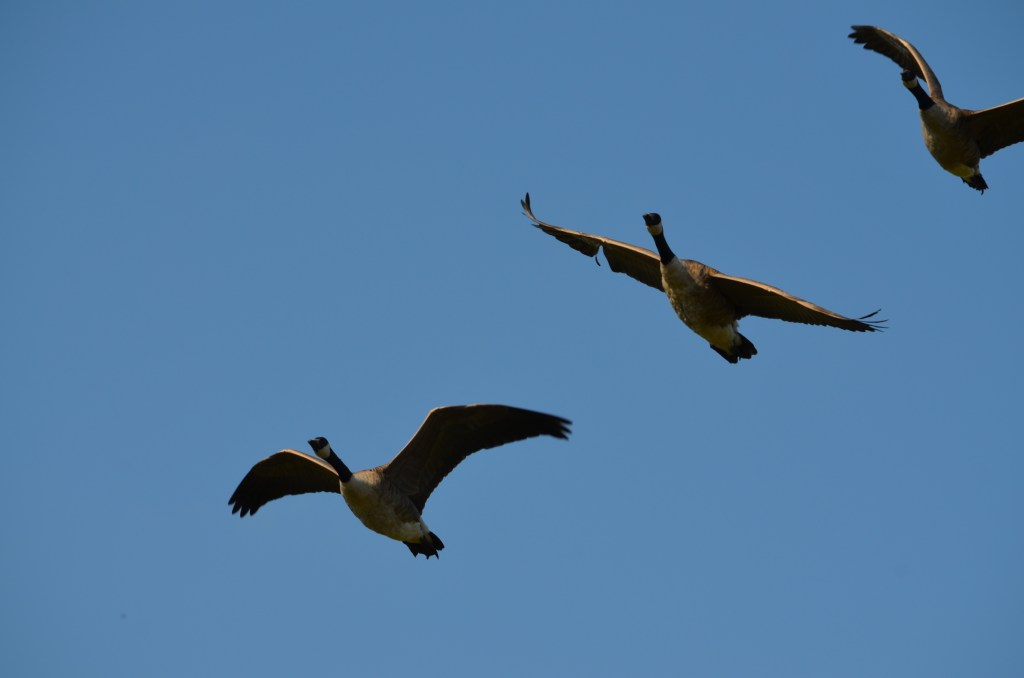
    We saw several separate flocks of Canada geese flying over various sections of the marsh’s broad expanse. (I should call them ‘skeins’ of geese as they were all flying, but the term seems a little pretentious somehow). We were fortunate that one small flock passed quite close above and we witnessed two of the geese move from the rear to the front, which is something that neither of us had seen before other than on television. As the pair moved up, the flying-V formation was somehow maintained. The photograph below captures the moment just after the two Canada geese had changed positions with the rest of the birds.

    Canada geese switching positions

        I believe that Canada geese resident in the United Kingdom are viewed as non-migratory, although I can guarantee that my local golf-course pond will be absent of Canada geese and Greylag geese for the winter months again this year, so they must go elsewhere within the country. (Mind you, I think that the two pairs of Moorhens that remain here, near my home in North Wales, breathe a sigh of relief at their temporary absence!) I only mention this because I’m convinced that the numerous (let’s be pretentious) skeins of Canada geese flying over the marshes were stretching their wings to keep in trim for a longer flight to be taken soon – perhaps to the eastern part of the country? Whatever the reason, the geese were very active this morning. One group of about seven geese had two stragglers trying desperately to catch up with the rest of their companions: we immediately named them ‘Colin’ and ‘Stuart’, to nobody else’s amusement but our own!

    Still chortling at our amazing wittiness, we observed lots of Swallows zipping low down over the marsh gathering and eating as many insects as they could, in order to help ready themselves for the 6,000 mile journey back to South Africa and Namibia, where they will over-winter. We saw hundreds more Swallows later, massing on the telephone lines by Net’s Café, where we inevitably ended up so as to satisfy our demanding stomachs.

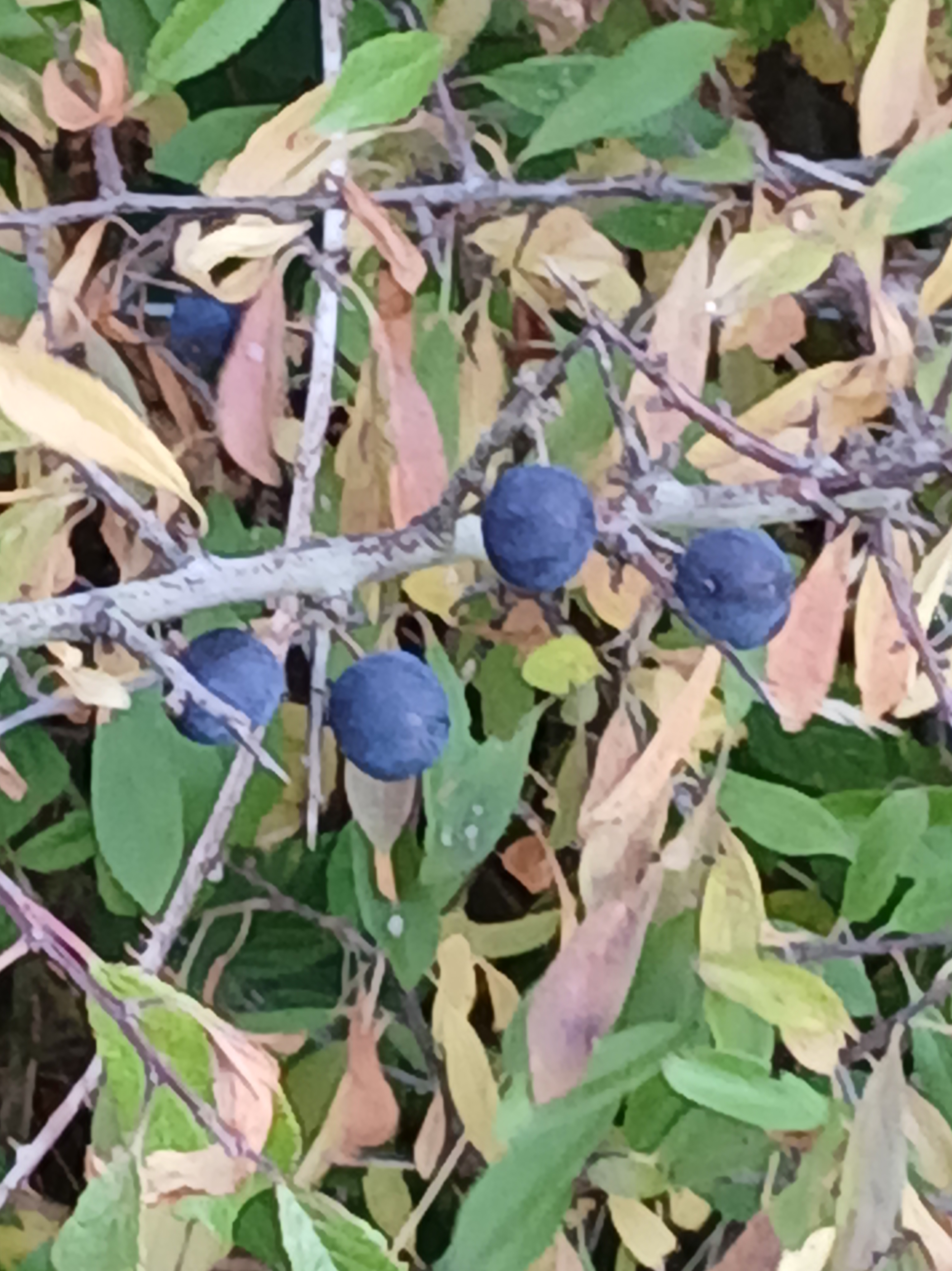
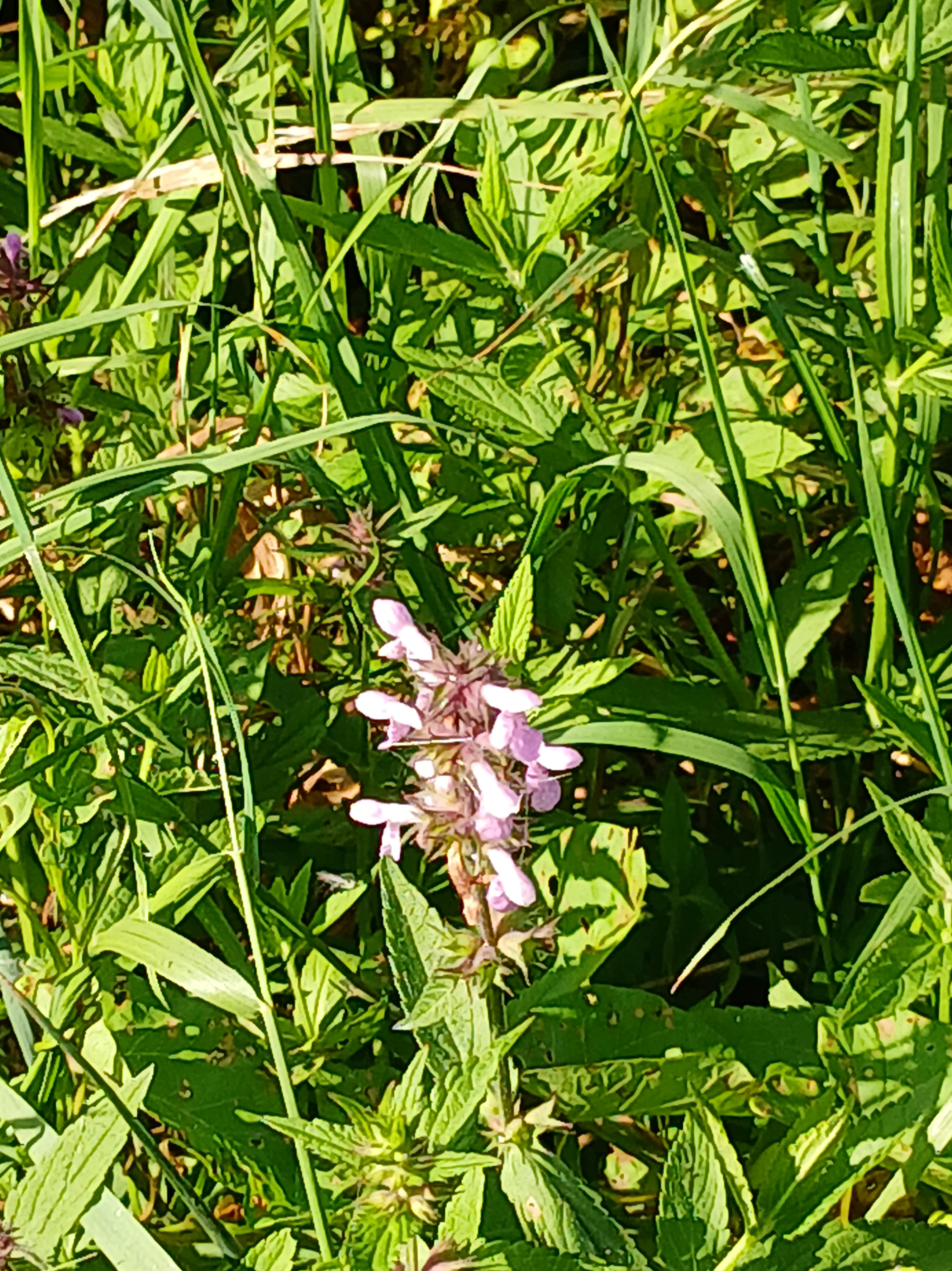
    Common mallow, Meadowsweet, Yellow iris, Common hemp-nettle (the leaves of which don’t carry a sting but can nevertheless be an irritant to skin) and Crab apple trees bordered the lanes. Fruits were also supplied by Hawthorns (haw berries) Blackthorns (sloes) and Dog roses (rosehips). The thorny thickets formed by these shrubs and trees are also ideal for nesting, as they help offer protection from predators.   

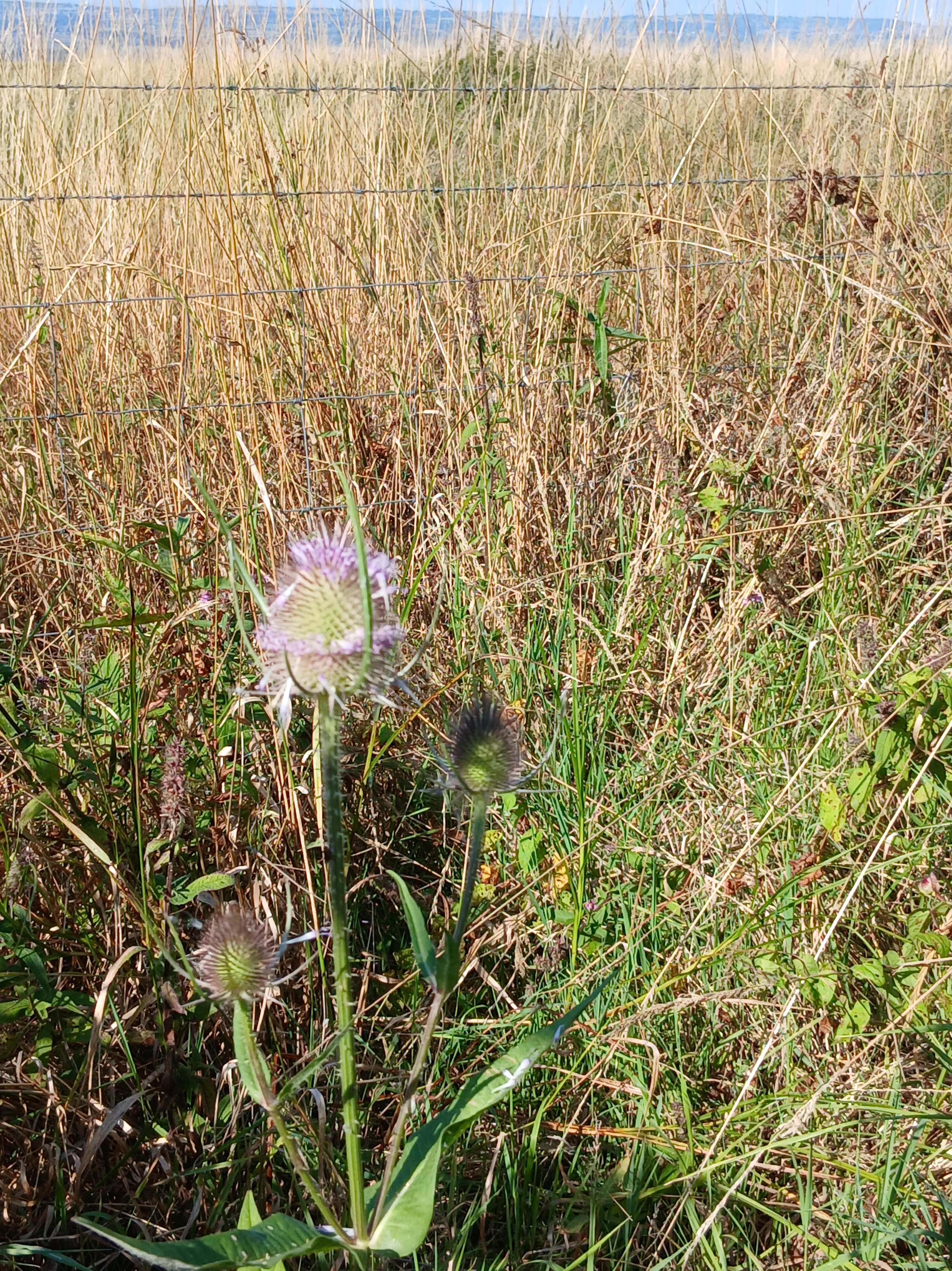
        Teasel, Blackthorn, and Common hemp-nettle

    The important stuff

    As mentioned above, we concluded the day’s outing at Net’s Café, where we both had our usual cappuccinos – accompanied by a Chocolate Brownie (Stu) and a slice of Cinnamon and Apple cake (Col). Scrumptious!
    Canada geese on the turn
  • Purple and Scarlet

    (Tuesday 17th June, 2025)

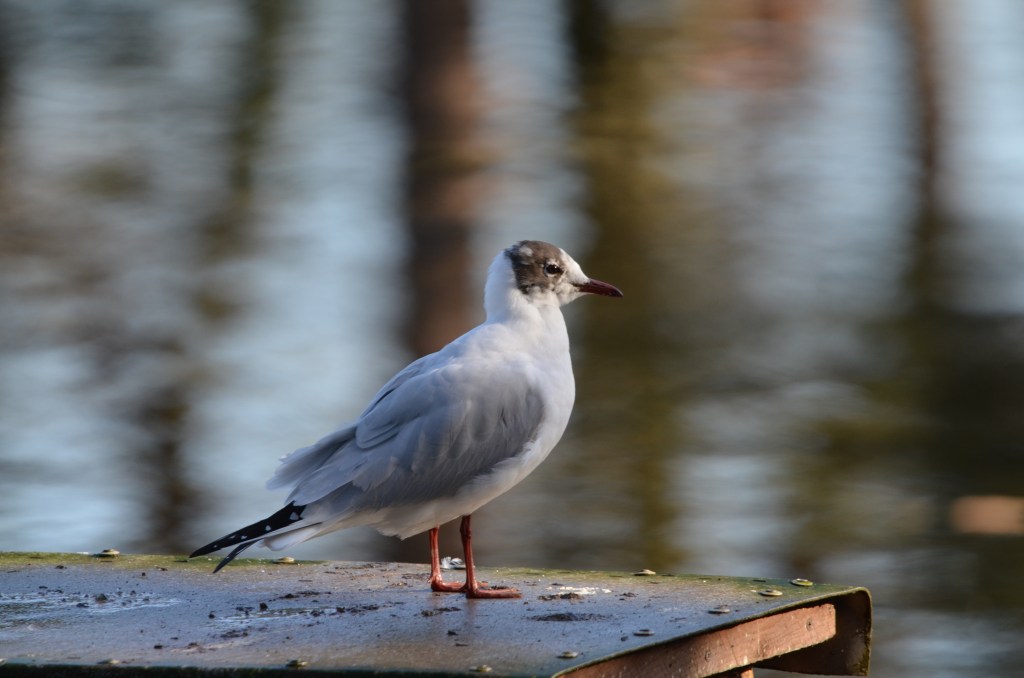
        My brother and I went to RSPB Burton Mere today, on the Wirral Peninsula. From the huge reception window, looking out to the Scrape, we saw lots of Avocets with their young and perhaps even more Black-headed gulls. Closer towards us, in the relative quiet of the inlet, we saw a Tufted duck watching its brood with its distinctive yellow eyes.

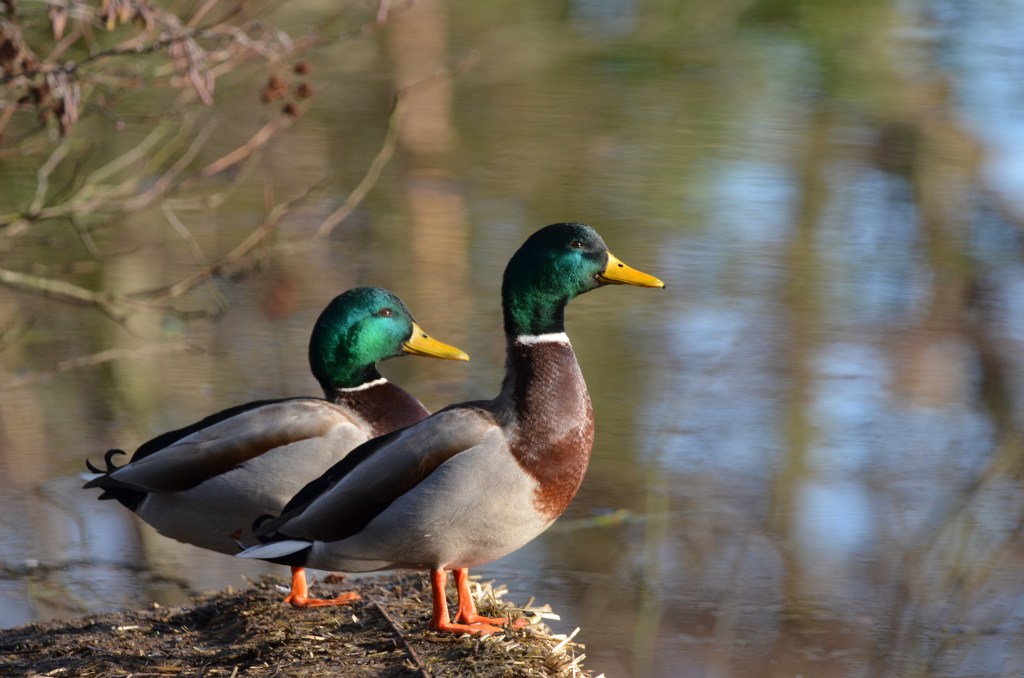
        As we passed the feeder at the beginning of the trail, we saw Coal tits taking food away to dine in secret, which seems to be their habit. There was a single Northern shoveller at the Mere, and a pair of Mallards further beyond it, half-concealed by overhanging foliage. We disturbed a Grey heron, which flew away from the treetops in its ungainly manner: the branch on which it was resting must have been sturdy!
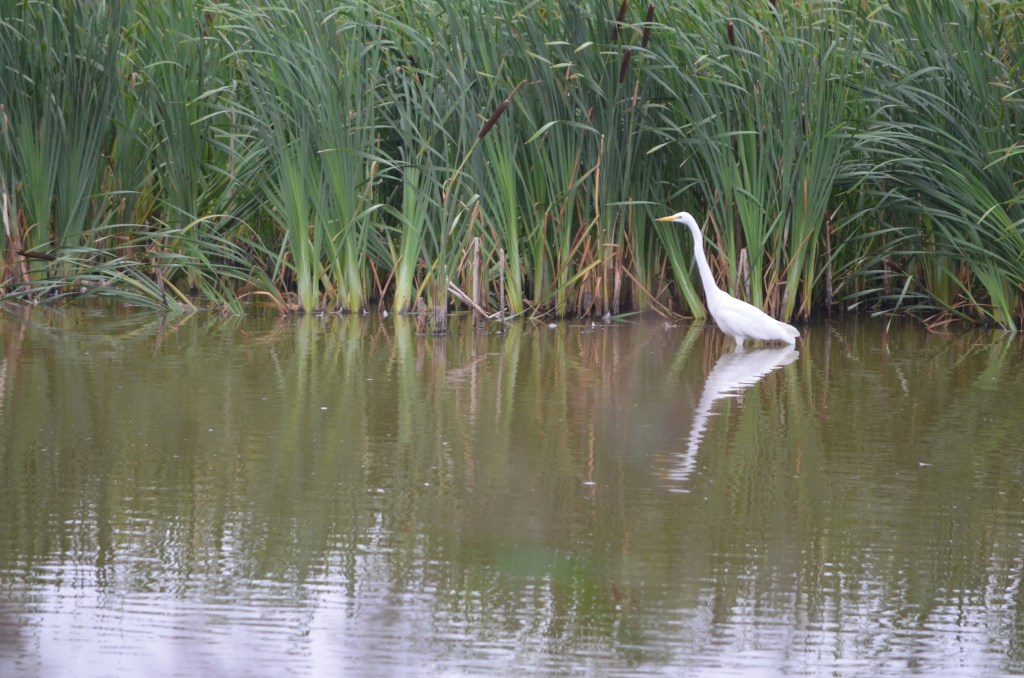
        At the reed hide we saw a Great white egret, elegantly patrolling the waters. There were a couple of keen photographers that had set up here, and I’m sure that they were rewarded with some great shots. As we continued along the trail, a Spoonbill flew over us carrying what looked like a long twig in its beak, which we guessed might be nesting material. It was flying in the direction of the Mere.

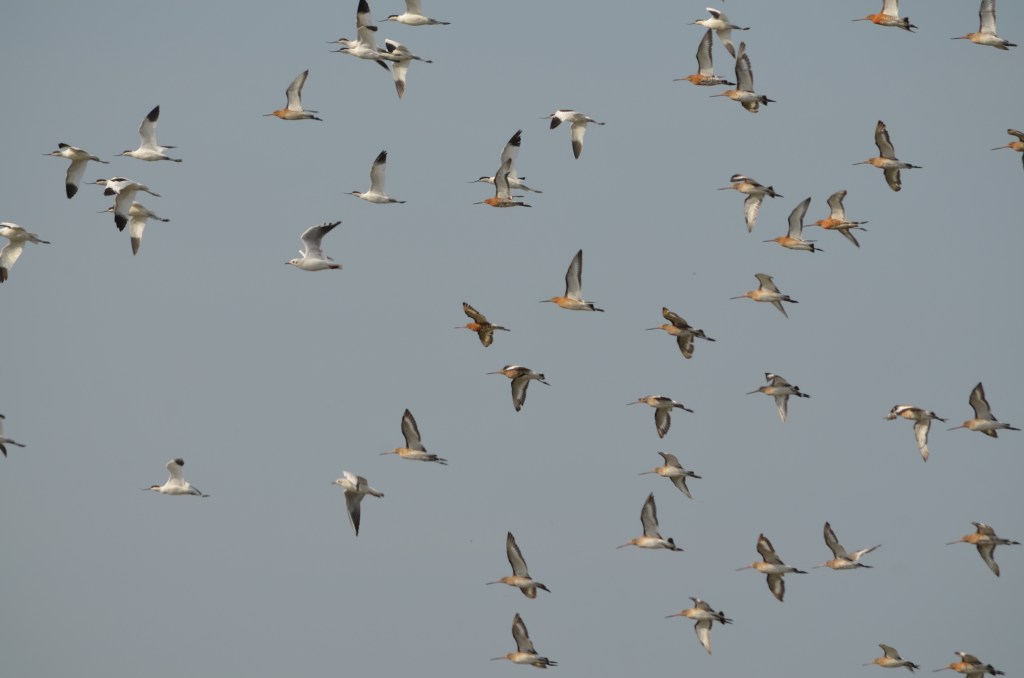
        At Marsh Covert were Coots, Moorhens, Canada geese, Lapwings, Redshanks and one Little egret probing the edge of the pool. At Border Hide, amongst the species already mentioned, we saw a small group of Black-tailed godwits, a huge colony of Knots, many of which had their lovely red-orange breeding plumage, Jackdaws, Crows, and Magpies. A first for me was seeing some Teal – there were just the three – and I must admit I felt quite chuffed!

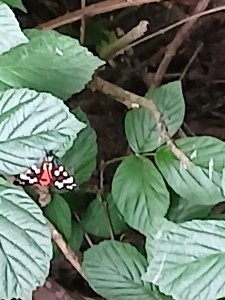
        Although we visited Burton Mere primarily to see birds, there are other non-avian attractions to pique your interest. There were Common blue damselflies and White-tailed bumblebees, and we saw three Small whites, a Red admiral, and a courting couple of Gatekeepers. Most impressive, though, was the Scarlet tiger moth, wings unfurled to regenerate in the sun, which my eagle-eyed brother spotted.

    Scarlet tiger moth

    The moth is diurnal and quite exotic looking and, on returning to the visitor centre later, we saw that somebody else had reported seeing it: yes, the Scarlet tiger moth was listed on the whiteboard alongside all the birds, so my brother was very pleased!

        Amongst the flora were several Spotted orchids and some other orchids with dark purple flowers, which I confess I didn’t recognise. While there are obviously much more plants than recorded here, there were Buttercups, Daisies, Tufted vetch, Red dead-nettle, Teasel, Hogweed, Hedge parsley, Herb robert, Red clover, Red campion, and Bulrushes. (Apparently the Bulrush is properly known as Great reedmace, which is something I have recently learned. But I know what I mean!)

        We had a quick look from Bunker Hide, which offers a different perspective of the Scrape. It was actually the picnic area further on that we enjoyed: this offers a wide, open vista and a male Stonechat obligingly flew across in front of us and perched atop a small tree. House martins or Sand martins circled at speed, but to be frank I wish that occasionally these birds would slow down, not least so that I could actually identify them!

        As ever, a rewarding place to visit.

  • Fresh after the heatwave

    (Sunday 22nd June, 2025)

        Over to Burton Marsh this morning with Stu. We’ve just had temperatures above 25° C for three consecutive days both sides of the Dee estuary – i.e. North-east Wales and West Wirral). Although the sunshine was welcome, the heat was sultry. This morning there was a stiff WSW wind blowing, and the odd drop of rain, which together had driven away the sun. Unsurprisingly, not many of the birds was willing to come out and play – the change in the conditions felt more like spite than respite!

        We did see a Little egret shadowed by its partner. Both birds disembarked in a long channel of water some distance out, which was mostly occluded by marshland. Even through binoculars, we were unable to see any other activity. The egrets didn’t stay long and soon returned north-eastwards towards Neston.

        There were some Blackbirds, a Robin, and the usual indefatigable Crows. (I caught a glimpse of what I thought might have been a Cetti’s warbler, but it was too brief a glimpse for me to be certain – I shall look out next time).

    Despite the absence of the birds, there was still plenty to see.

    ""

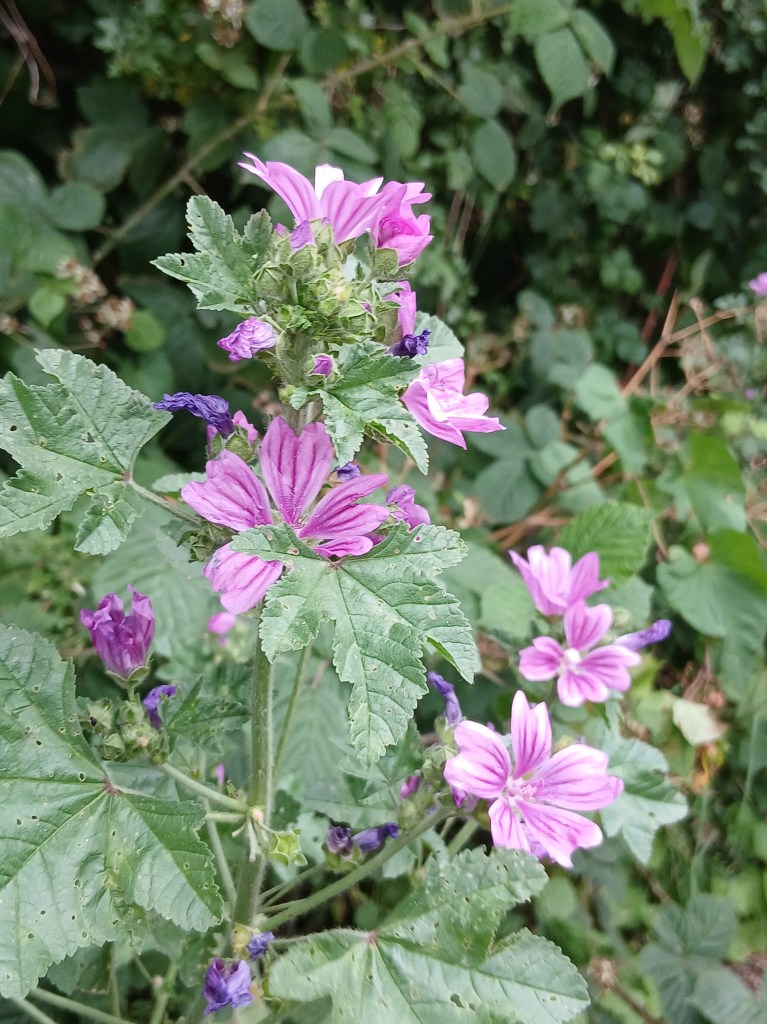
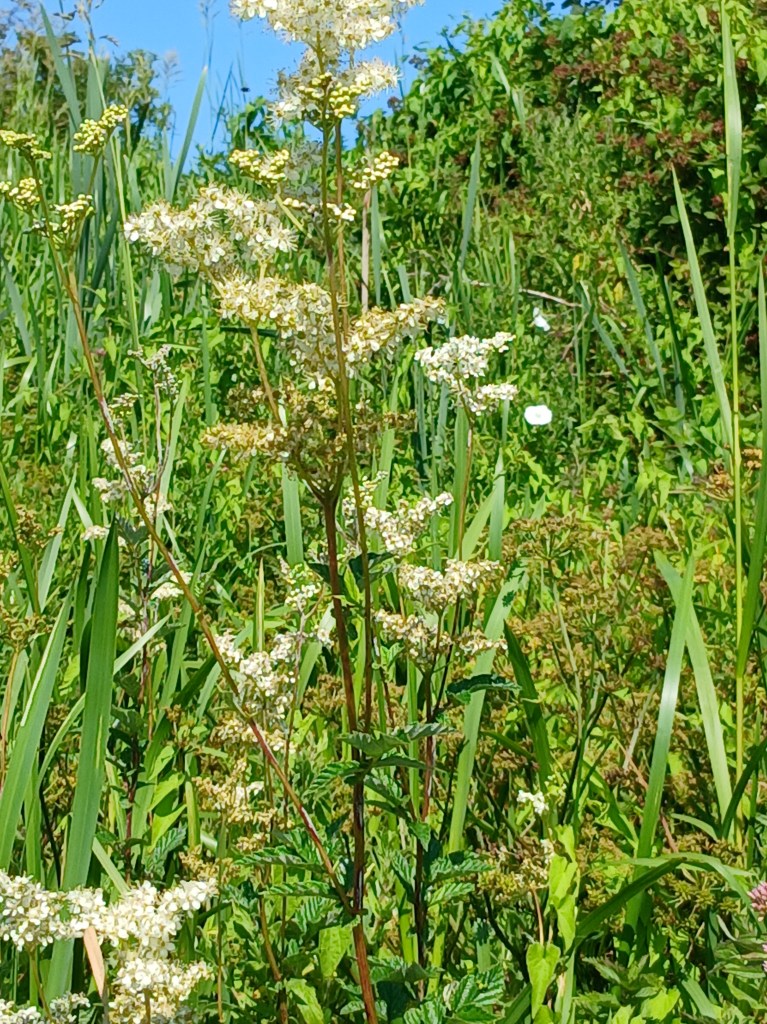
    Meadowsweet abounded and we did the obvious and held the creamy yellow flowers to our noses – oh, what a lovely smell, as the name says really. The Common mallow is a quite lovely plant too, I think, with its tall stem and large flower-heads. The five grooved petals are lilac-pink with dark stripes.

    There was Tufted vetch, splashes of Dandelion, and Field bindweed. I had to look up the latter when I got home. Although the flower shape is obvious on reflection, it was the pale pink and white colours of the petals that threw me. One flower that I did recognise was the Yellow iris, which are also known as Yellow flag (but not by me). These flowers were all a little further out on the marsh and I suppose that they are an indicator of where the water channels and pools lie.

    The important stuff

        After all this hard work, Stu and I retired to Nets Café to sample the cakes on offer: I had a lovely slice of Bara Brith to go with my cappuccino, while Stu had Coffee and walnut cake with his. Very pleasant.

  • Along the Leete

    (Sunday 14th April, 2024)

            Stu and I were at Loggerheads this morning. ‘But they get on so well together!’ I hear you say. So, to avoid any misunderstanding, we were both at Loggerheads Country Park in Denbighshire, which is a popular wooded area through which the river Alyn flows. (Actually, when I say flow…well, I will come back to that later).

    It was virtually mud-free on the path now, and: in fact, this was the first time we walked the full length of the Leete for quite some time. It was a refreshing change to not get bogged down!

        We saw blue tits, great tits, robins, blackbirds and what Stu thought was a chaffinch, and what I thought was a stonechat – I was convinced the bird had a black head but it only appeared fleetingly so its identity will remain forever unknown. The forest floor was bedecked with a range of flowering plants: there were creamy-yellow primroses, bluebells, dandelions, daisies, wood violets, celandines, campion, and the odd residual clump of daffodils. We also spotted a single group of wood anemones on the far bank before crossing the bridge to join the Leete path. Colour was everywhere and such a contrast to earlier visits in the year when, apart from the few conifers, everything was a dull and neutral shade.

        Towards the end of the Leete path at the Cilcain end, we saw that many of the trees had been coppiced. Not only does this allow in more light due to the clearing of the canopy, but it also opens up the views down to the valley floor and across to Moel Famau and the Clwydian range. Coppicing is carried out regularly to encourage plant and tree growth and sustainability.

        Today the river Alyn was in full spate. As I intimated at the beginning, the Alyn’s water flow is not always constant and can vary considerably; this being most noticeable during prolonged dry weather spells, when the level drops and the bed runs dry particularly at the far end of the Leete Path. ‘Leat’ (also spelled ‘lete’ and ‘leet’) is defined in the Merriam-Webster dictionary as ‘an artificial water trench leading to or from a mill’, and there is indeed an old mill by the Visitor Centre which was a corn mill and later a sawmill in its working life. River levels drop of course, but the Alyn also flows underground quite extensively at certain points because of natural gaps in the limestone bed which swallows a lot of the water, much of which is also carried into an underground cave system to the north of the park. Often, as you travel the Leete path in a north-westerly direction, the bare stones of the riverbed are the only markers of the river. I must point out though that this is mainly during prolonged dry spells, and when the temperature has risen.