Tag: birding

  • Big Pool Wood

    (Sunday 9th August, 2026)

    Over to Big Pool Wood in Gronant, Flintshire this morning. This was our first time here and what a little gem of a place it is! The site is a woodland and reed bed nature reserve that lies adjacent to the Bridlewood Equestrian Centre.

       The reserve is small, comprising just four hectares (roughly 5 football pitches) but this smallness offers an intimacy not often experienced at larger sites and the reserve’s three hides provide close observation at different points of the reed bed. (The hides also have bird identification books inside if you don’t have your own).

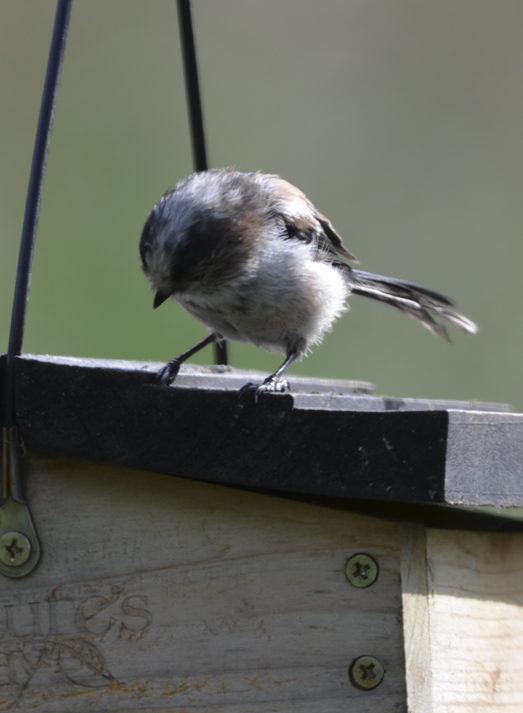
    Long-tailed tit Big

    Long-tailed tit

        The whole reserve, which is overseen by the North Wales Wildlife Trust, has been well thought out. The site is well-maintained and has a circular walk with wooden boardwalks interspersed with hard surface paths making it accessible for wheelchair users. The feeders in front of the hides must have been recently stocked when we got there as several birds were greedily feasting!

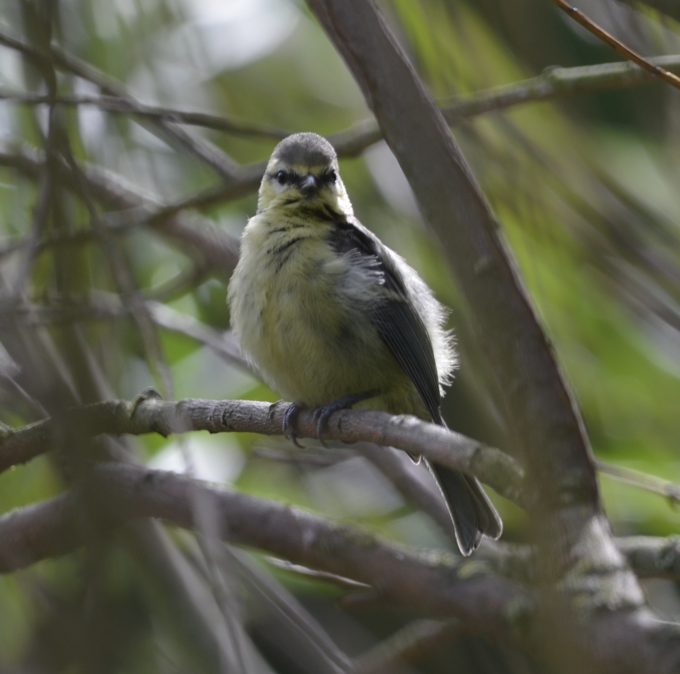
    Blue tit 3 Big Pool
    Blue tit Big Pool
    Blue tit 2 Big Pool

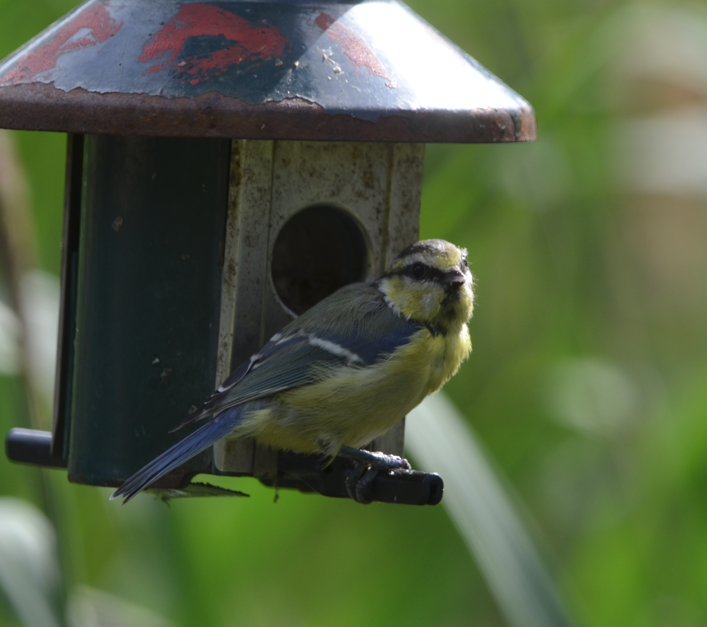
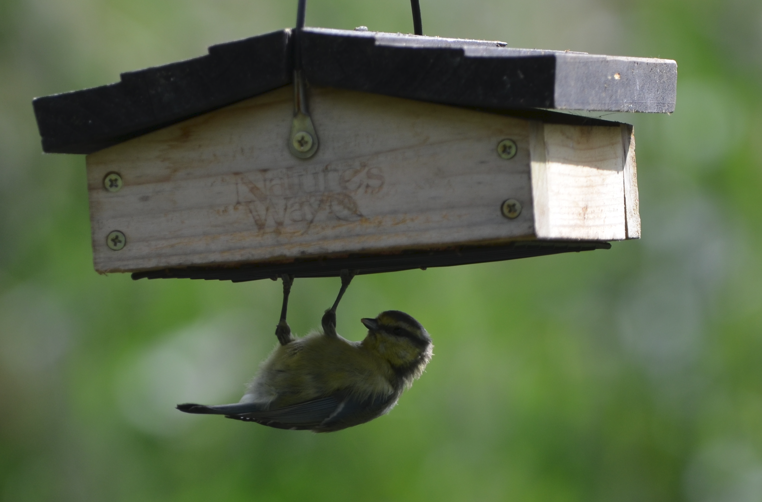
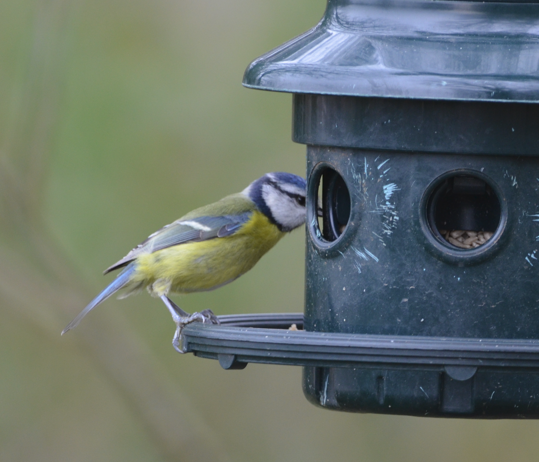
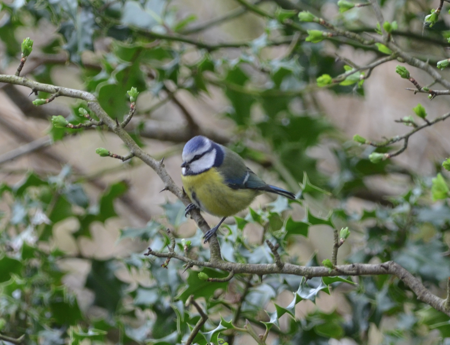
    Above: These Blue-tits are juveniles – note the yellow cheeks rather than the white of the adults and the crowns that are more grey than blue

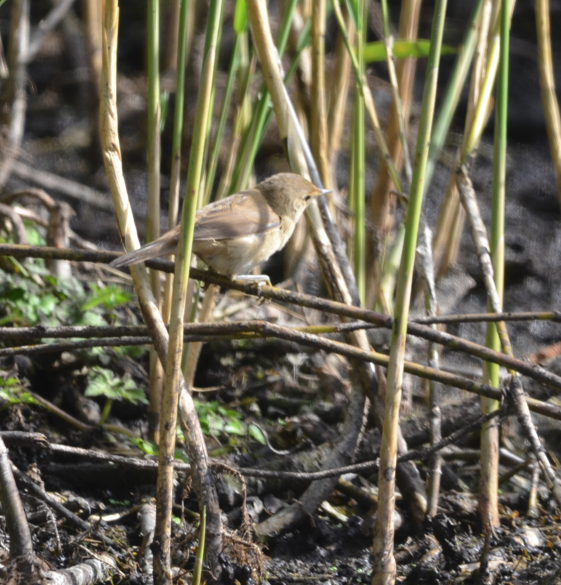
        We saw Blue tits, Long-tailed tits, Great tits, Greenfinches, Chaffinches and several Reed warblers. We also caught a brief glimpse of a Moorhen before it quickly disappeared into the undergrowth. Further around the main pathway, we followed a side path that led into the reed bed. While we paused to look out we saw the tops of the reeds moving, disturbed by whatever bird or animal was stealthily creeping below! It might have been the Moorhen.

    Reed warbler Big Pool

    Reed warbler

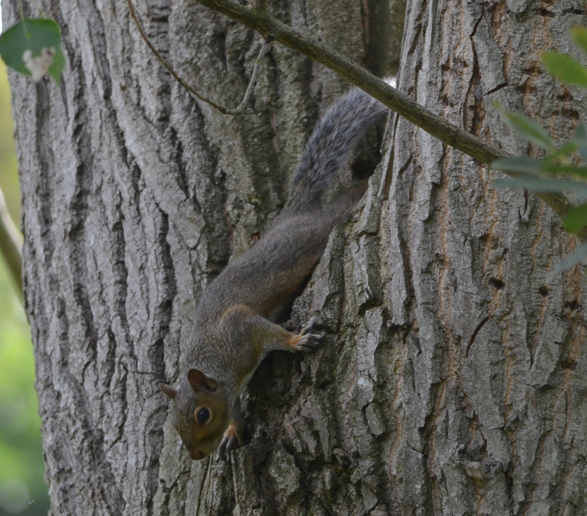
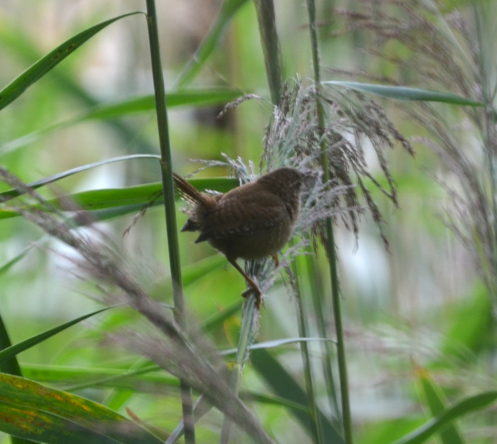
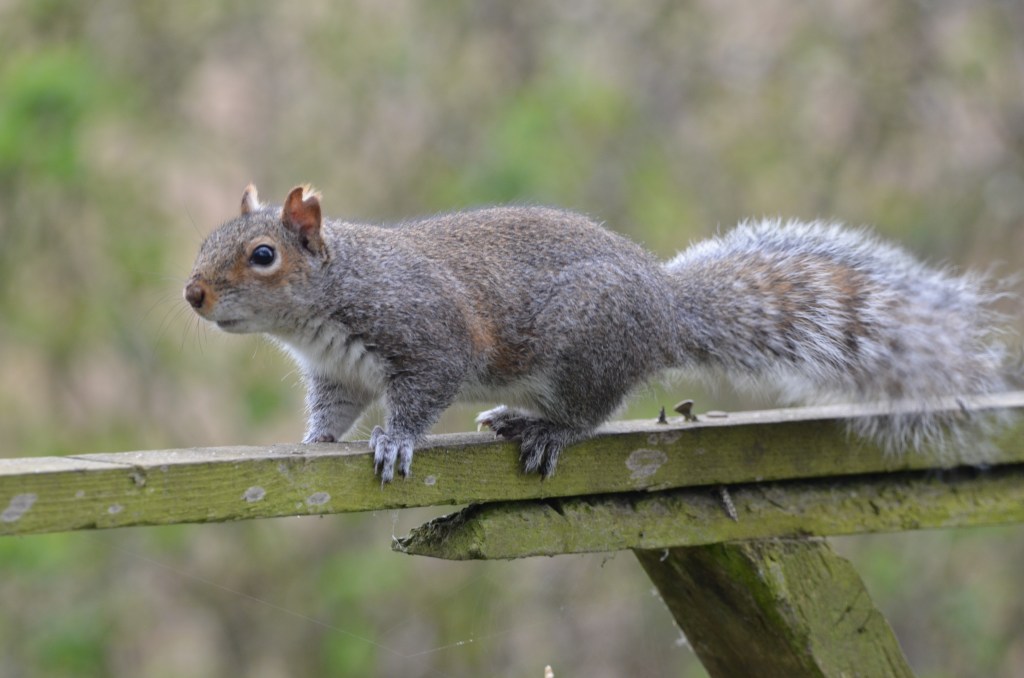
        There was activity on the opposite side to the reed bed too: ringing the outside of the main path is a small woodland where we were entertained by show-off squirrels and where much more timid Wrens made fleeting appearances. We also saw a small, mixed flock of Greenfinches and Chaffinches scooting from one tree to another.

    Squirrel Big Pool Wood
    Wren Big Pool Wood

    Top: Show-off squirrels were quite a common sight; bottom: unlike the much shyer Wren

    Actually, we were grateful for the shelter of the woods as, although the temperature was just 22°C, which should have been quite comfortable, the lack of wind and humidity was noticeable out in the open stretches.

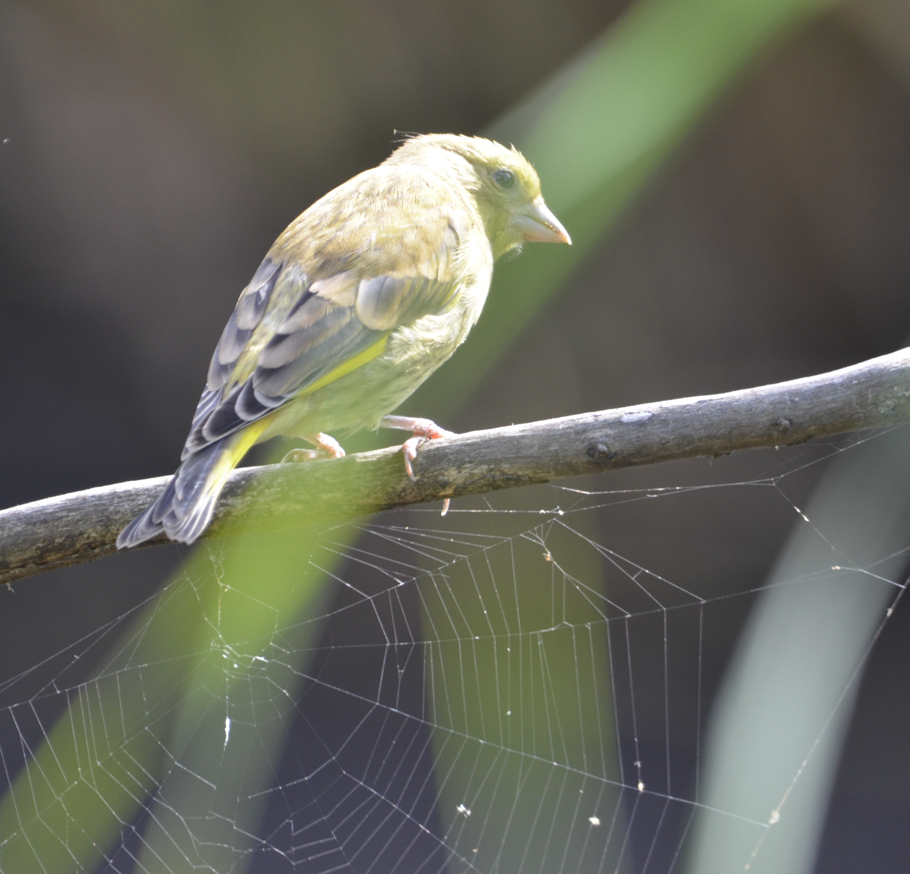
        There were a couple more Greenfinches at the feeders, separate from those in the mixed flock. We’ve seen increasing amounts of these birds in several different areas on both the English and Welsh side of the Dee this year. Greenfinches were particularly afflicted by the trichomoniasis disease and hopefully they’ve come through the worst of it. It’s probably too early to say yet, I suppose, but the signs are encouraging.

    Greenfinch Big Pool Wood

    Greenfinch

        The pool itself was virtually dry with just a little layer of mud at the base of the reeds, although there were lots of alder and willow on the fringes. Both species of tree favour saturated land and actually thrive in water, which is a sign of how wet this area can be. However, it seems that nowhere has escaped the recent prolonged dry spell.

        The nature reserve is in a lovely setting and is quiet and tranquil (we saw only five other people all morning). Well worth a visit.   

    The important stuff

    There’s no café at Big Pool Wood but not to worry: one thing we are both confident of is our refreshment-spot expertise, which we’ve amassed over many years’ experience! So we called in at the café at Abakhan on our way back. We accompanied our cappuccinos with White Chocolate and Cranberry (Col) and Caramel Biscoff (Stu) – at least I can claim mine constitutes one of my ‘five-a-day’ fruits!

  • A Trickle of Water

    (Sunday 26th July)

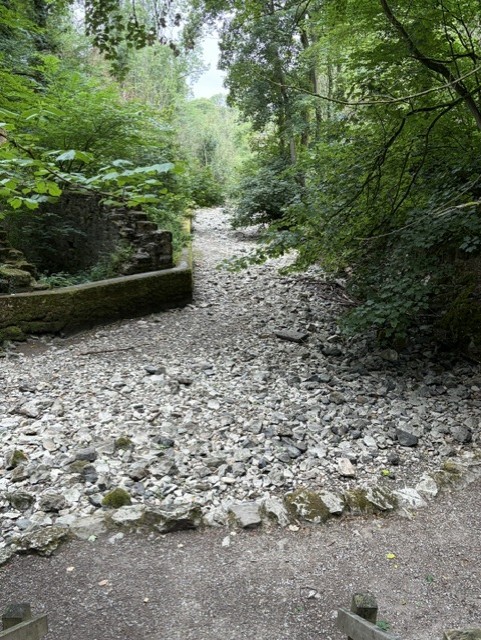
    Over to Loggerheads Country Park in Denbighshire this morning. A westerly wind blowed the odd gust but, as ever, we were pretty much sheltered down in the woods. The 16°C temperature was much cooler than it had been in the last few days, but there hadn’t been any rainfall for quite some time – in fact, North Wales had officially been declared as being in a drought only days earlier.

        The pond just beyond the old sluice gate was completely dried up and the exposed earth resembled crazy paving. Admittedly, this is just a shallow area of water – a ‘spillover’ if you like – and we quite often see insects such as dragonflies and damselflies roaming over it and, on occasion, a solitary Heron. But not today.

        Halfway across the stone bridge leading into the woods, we paused to look upstream: the River Alyn was still flowing reasonably well, but when we looked downstream, after just twenty or so metres, the river became a mere trickle of water before disappearing altogether. I should point out that the Alyn does naturally disappear underground at Loggerheads into the limestone swallow holes and caves before the river reappears further downstream, a phenomenon that is more noticeable during prolonged spells of dry weather in the summer months. But even taking this into account, this was the lowest we’d ever seen the Alyn at Loggerheads.

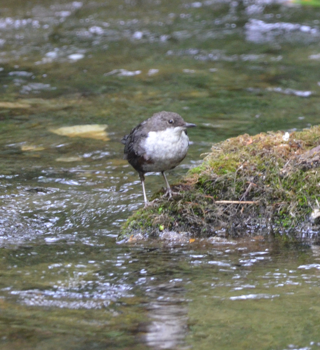
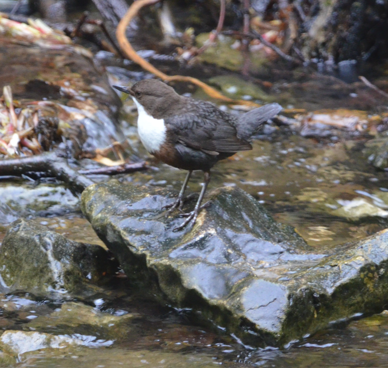
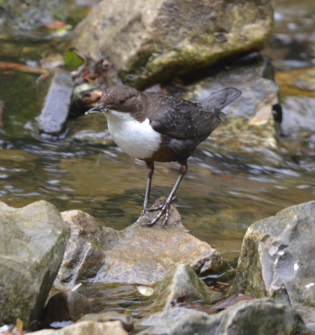
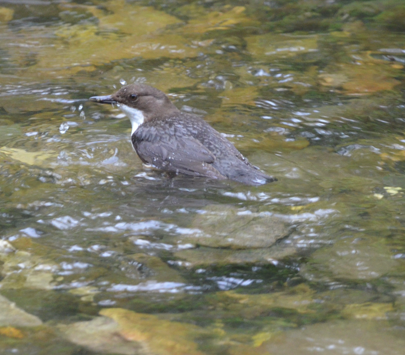
        We weren’t expecting to see much in the way of birds or wildlife at all, given the lowness of the river, to be honest. However, we often see White-throated dippers along this stretch of the river and we know they don’t tend to stray far from their habitat, so we crossed our fingers. We were in luck – before long we saw, perched on a rock mid-stream, a Dipper perform the familiar bobbing action that gives the bird its name. We watched for a while as the Dipper submerged itself in the water searching for food before it eventually flew off upstream.

    Dipper dry

    White-throated Dipper

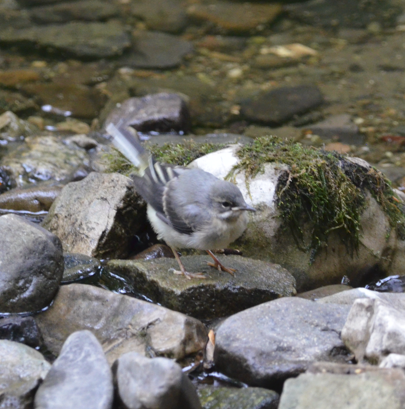
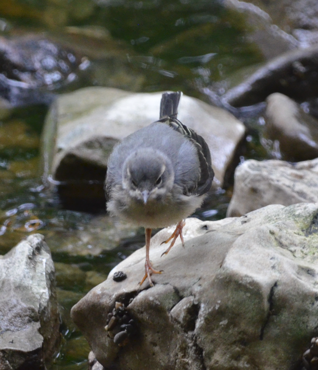
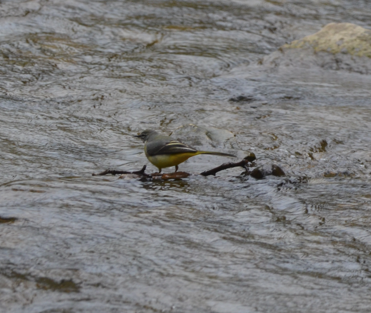
        Moments later, we were surprised to see three Grey wagtails – two adults with a much duller-coloured juvenile. When we were last here at Loggerheads six or seven weeks ago, there was the same family set-up – that is, two adults and one juvenile. Although Grey wagtails will carry on feeding their young and staying close by them after they leave the nest – monitoring their progress, if you like – this is typically for about two weeks. So, the juvenile that we saw back then should already have become independent and have had to find its own territory, which means that the juvenile we saw today is probably from the adults’ second brood.

    Grey wagtail dry river
    Grey wagtail dry river 3

    Grey wagtail

        We carried on along the Leete path beyond the wooden ‘bat’ bridge (the bridge has a carving of a bat suspended above the centre of it). Looking down at where the river usually flows, we could see only the dry rock of the riverbed.

        There was a distinct absence of birdsong too, everywhere eerily quiet. This is probably due to many of the birds not wanting to draw the attention of predators as they go through their summer moult: replacing feathers compromises the birds’ ability to fly well, leaving them vulnerable. (Some birds, such as ducks, shed all their flight feathers at once, leaving them completely flightless for the three or four weeks it takes for them to be replaced).  

    River Alyn stone dry

    The dried up River Alyn by the ‘bat’ bridge

        Besides the Grey wagtails and the Dipper, there were still one or two birds about today. We saw a couple of scruffy-looking Robins skipping through the undergrowth and we watched several Nuthatches darting from tree to tree. None of them made any noise though!

        The morning had remained largely overcast although under the protection of the trees this didn’t really matter. But now it started to rain. Well, it wasn’t really rain, which would have been very welcome, but more a thin spray of the faintest vapour which disappeared almost immediately.

    The important stuff

    Over to Tŷ’r Felin (The Mill House café) which has moved from the small room right next to the mill and now sits in the much larger area in one of the main buildings at the entrance to the park. We sat outside under the tree sipping our Cappuccinos and savouring the delights of a slice of Bara Brith, with full butter of course (Col), and a slice of Cherry Cake (Stu). Marvellous!

  • Egrets and Ditches

    (Sunday 28th June, 2026)

    We were at Mostyn this morning where the 21°C temperature offered a pleasant change from the recent heatwave that we endured in the UK earlier this week. The breeze (WSW) was barely noticeable as we made our way from the path behind Abakhan and headed towards the shore at Mostyn.

        Several Housemartins flew over the cornfield to our left, gathering insects on the wing. Bare only a matter of weeks ago, this field now has an impressive crop of corn flourishing in it.

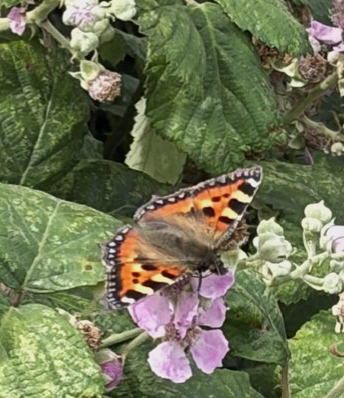
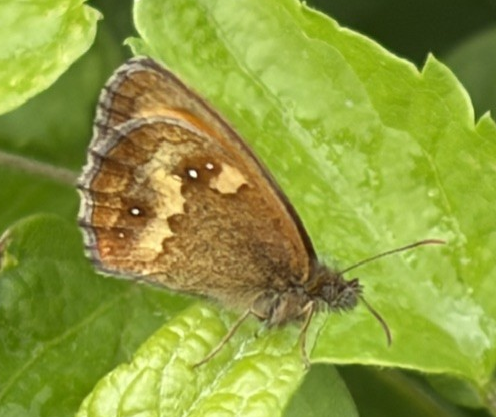
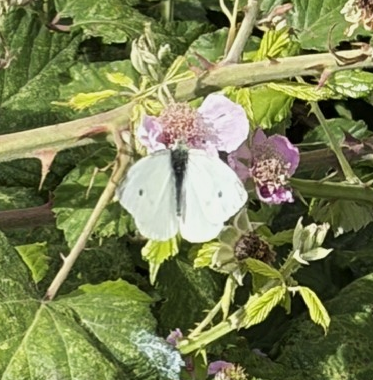
        Encouragingly, we saw an abundance of butterflies during the walk. Primarily, these were Small whites and Green-veined whites, although there were other species making an occasional appearance such as Small tortoiseshells and Gatekeepers. We weren’t sure if the large number was a consequence of the recent hot weather or if this just happens to be a particularly good place for butterflies. Certainly the area does appear to be flourishing at the moment with trees, hedges and undergrowth all looking verdantly leafy, although some rain might be welcome.

    Small tortoiseshell Mostyn
    Gatekeeper Mostyn
    Small white Mostyn

    Top: Small tortoiseshell; middle: Gatekeeper (underwing); bottom: Small white butterfly

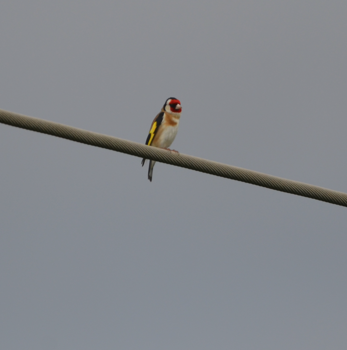
        There were several Goldfinches merrily chirruping away as they stop-started along the treetops. One of them strayed from the rabble and tooted out a tune from its perch on a telephone wire.

    Goldfinch Mostyn

    Goldfinch

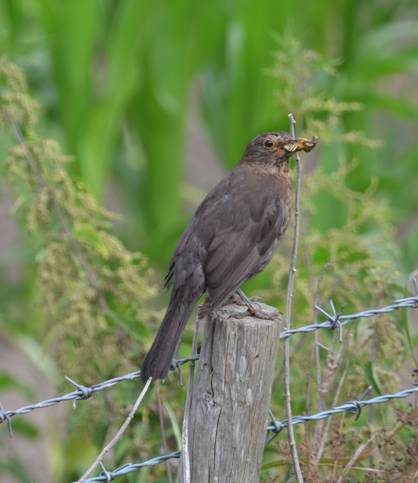
        A male Blackbird was perched on a post with something in its beak, though we couldn’t quite make out what this was (we were a bit confused by the long branch but this is actually behind the bird). The bird’s feathers looked a little bit bedraggled and, as it’s a little bit too early for the annual moult, I think this can be put down to two things. Adult Blackbirds that are rearing young chicks can have a ragged or even bald appearance as they can be susceptible to parasites that might have infested their nests. Also their feathers are probably not being preened as often as they perhaps ought to be either: parent birds can easily neglect to carry out their regular self-care due to the need to find and deliver food for their offspring.

    Blackbird Mostyn

    Male Blackbird looking a bit bedraggled

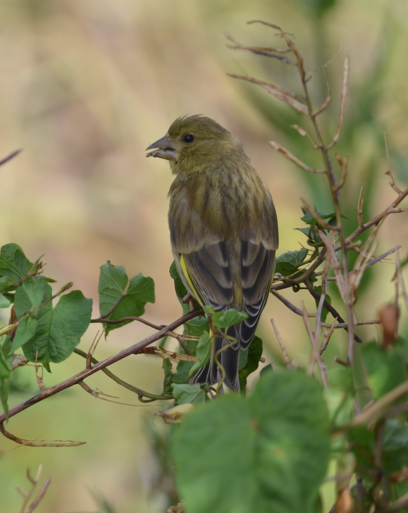
        A little further along from the Blackbird, we saw a Greenfinch contentedly sitting low on a branch, seemingly just letting the world go by. This one is male as you can see from the olive green feathers on his back – the females and juveniles tend to be  much more muted in colour overall.

    Mostyn Greenfinch

    Male Greenfinch

        As we came to the end of the path, we scanned the irrigation ditch which lies parallel to the estuary shore. We were looking for the Kingfisher that we’d seen the last time we were here, a month ago but we didn’t manage to see it this time.

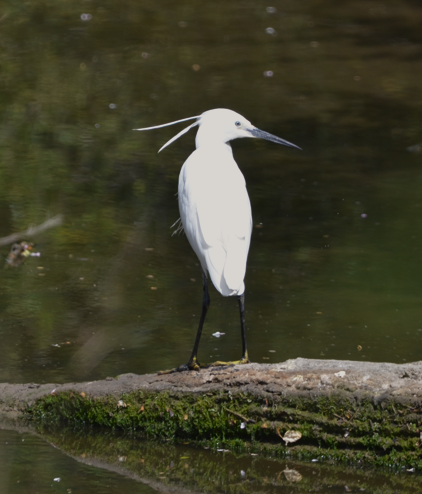
        What we did see, though, were two Little egrets. Each bird was in a different stretch of the water and each of them seemed to be staying within its own particular territory, although I suspect that they were only adapting temporarily while they waited for the tide of the nearby Dee Estuary to recede once again, at which point they would migrate to the mud and sand to feast on what the water uncovered.

    Little egret Mostyn

    Little egret – note the two crest plumes and the chest feathers of the breeding plumage. You can also see the egret’s yellow feet

        Each of the Little egrets had long plumes at the back of their heads and on their chests. These are typically seen during the breeding season but, as both males and females grow breeding plumages, it’s very difficult to tell the sexes apart. The male is slightly larger in size but this is only a useful indicator if the two sexes are standing next to each other. Though we usually get a good look at the black bills and black legs of Little egrets, we don’t ordinarily get a decent view of their feet, as they’re usually submerged in water or otherwise difficult to see. However, this time we could clearly see their yellow feet which make a distinct contrast to their black legs.

    We looked along the shore but, probably because the tide was high and almost reaching the boulder breakers, there were no sea birds to be seen at all today. Apart from one angler who was putting away his fishing gear as we were returning from the shore, we saw nobody else on the entire walk. A lovely spot.

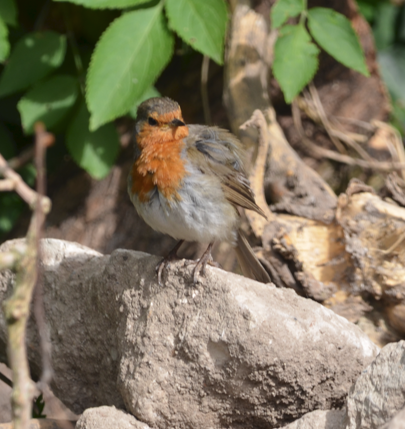
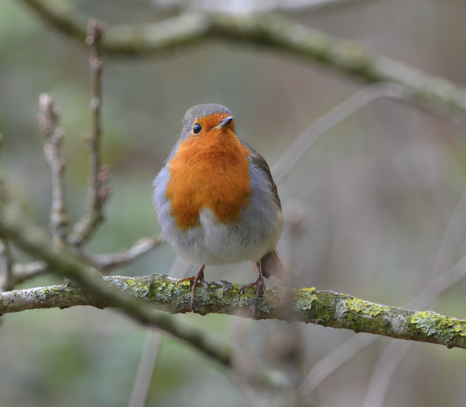
    Robin Mostyn

    An old friend

    The important stuff

    We retraced our footsteps and went to the Café at Abakhan for a cappuccino each, which were accompanied by a Raspberry Bakewell slice (Col) and a Cranberry and white chocolate slice (Stu). Naturally, we were both very pleased to have achieved one of our ‘five a day’ healthy fruit portions!

  • Treecreeper at Royden Park

    (Sunday 21st June, 2026)

    Over to Royden Park on the Wirral Peninsula this morning. It was sunny with a very light north-easterly breeze, the temperature a comfortable 21°C, though it climbed higher after midday.

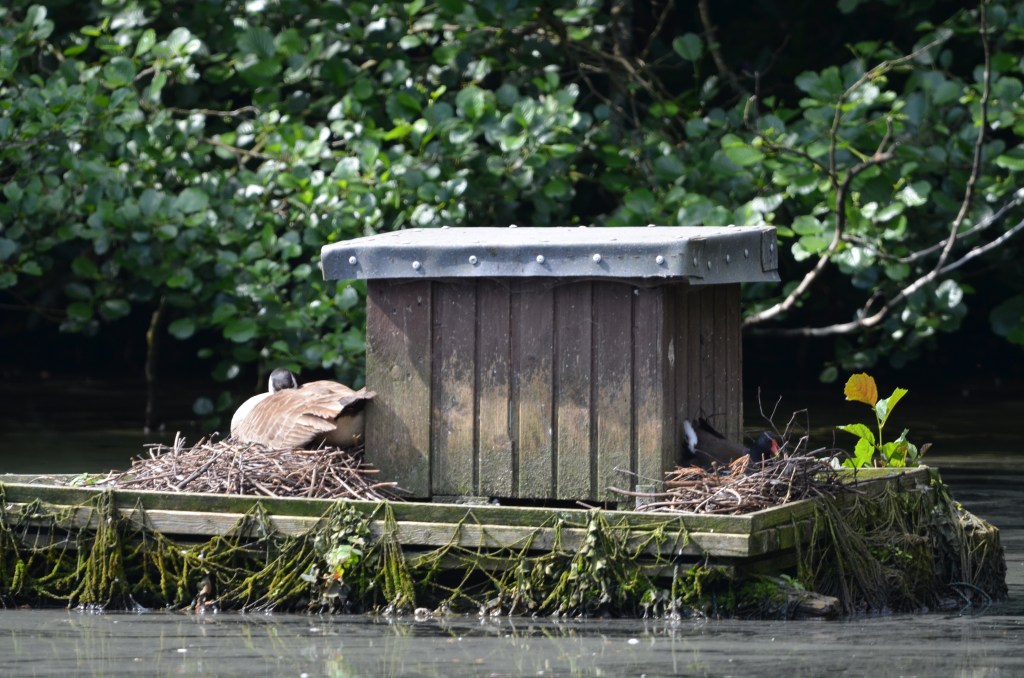
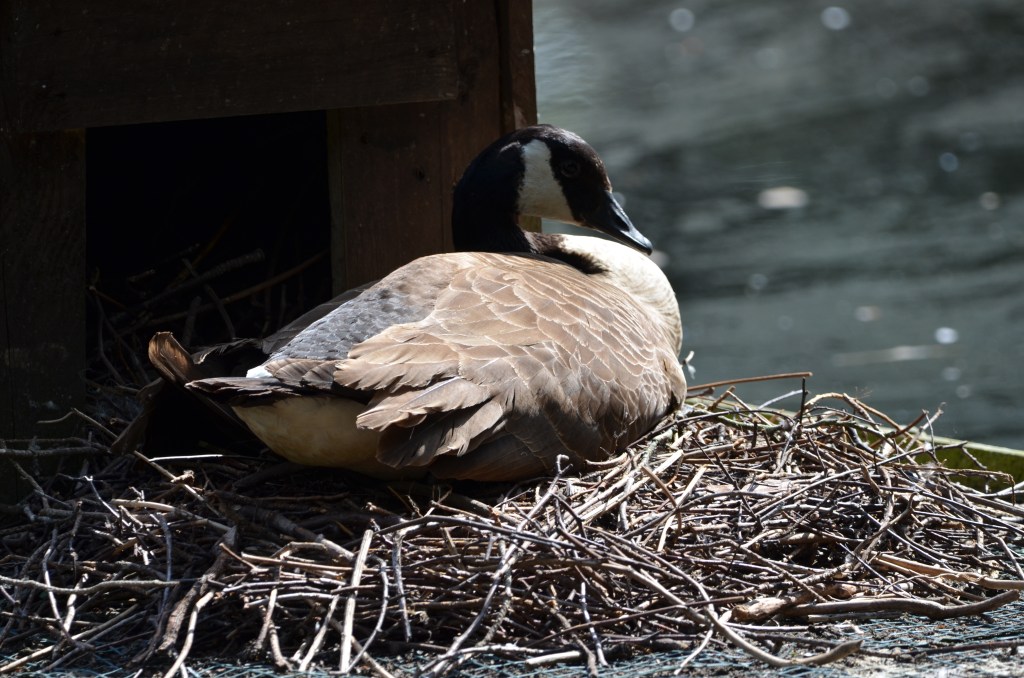
        We followed the path from the car park and cut through the woods to Roodee Mere. Here, there is a nesting platform in the water on which we often see a Grey heron perching while it surveys the mere for food. This time, however, the space was being shared by a Canada goose and a Moorhen. As you can see, each bird has a nest either side of the central box.

    Sharing nest space
    Canada goose on nest

        Judging by the number of chicks present in and around the water, many of the Moorhens had already produced their first broods. Moorhens might have two or even three broods during the breeding season and chicks from the first brood will often help their parents with feeding the later broods. While this obviously helps the parent birds, it’s also useful practice for when these first-brood chicks go on to have their own offspring the following year.

    Skipping on lily
    Welcome to the jungle

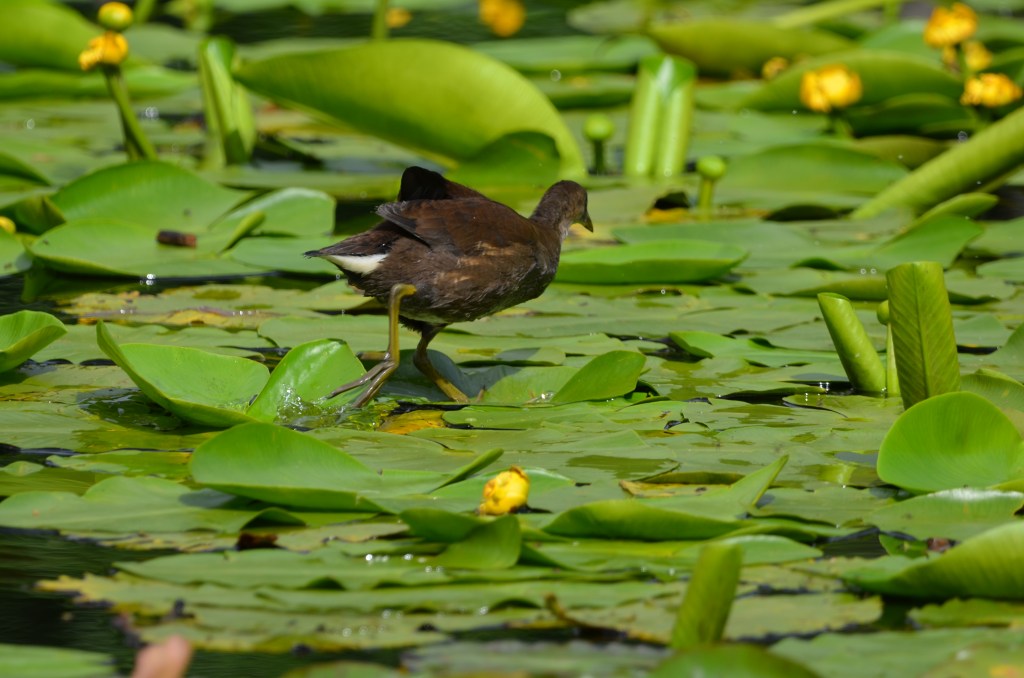
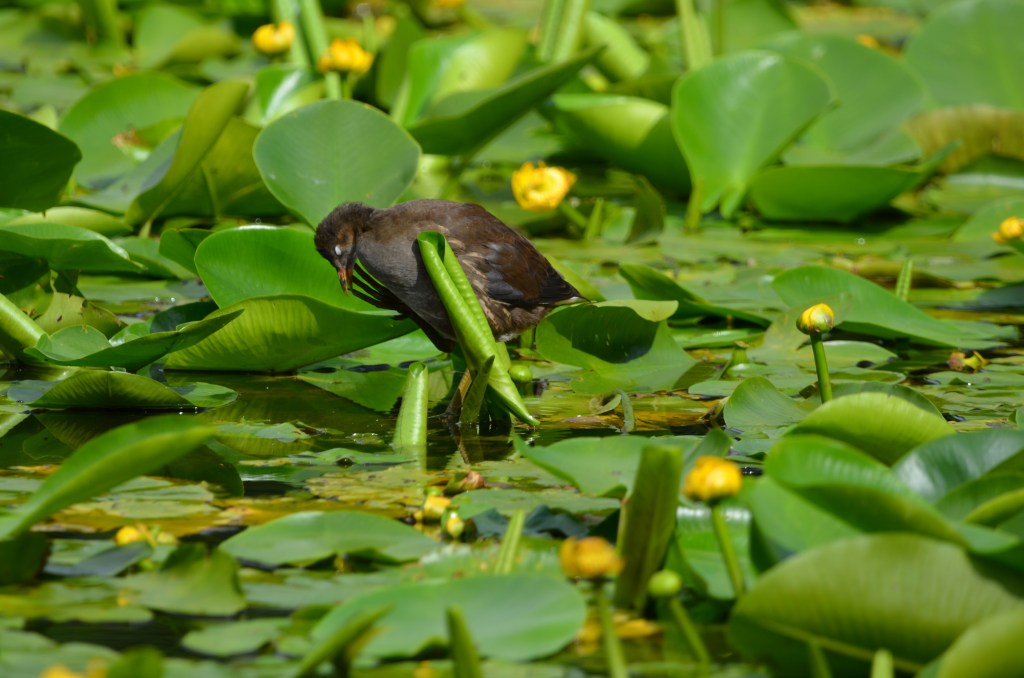
    Moorhen juveniles negotiating the lily-pads …

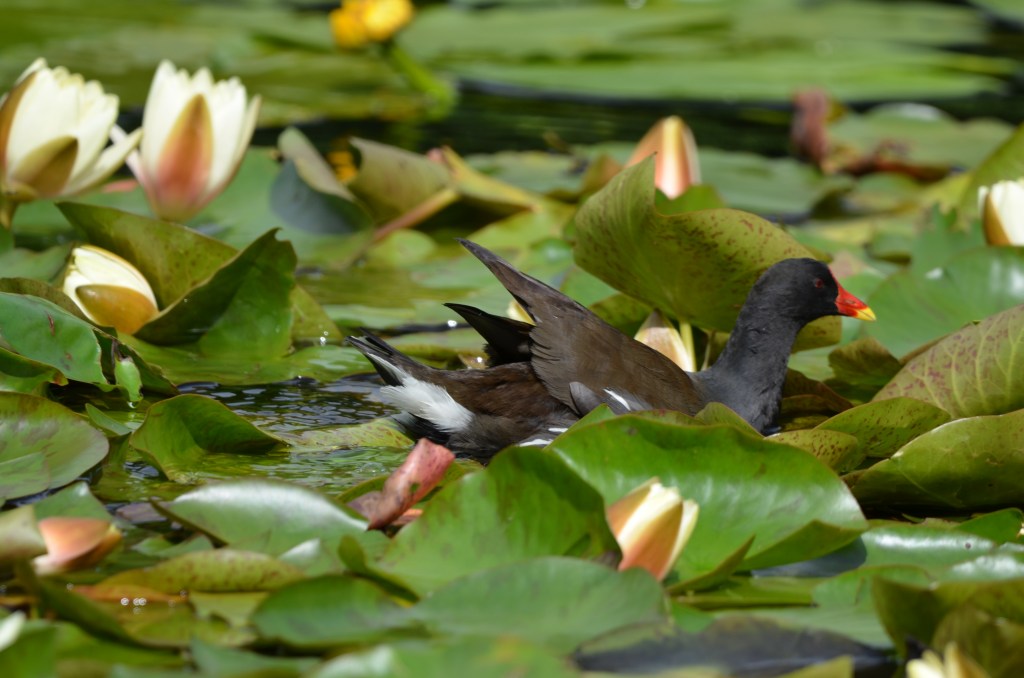
        Water-lilies were plentiful on one section of the mere and several young Moorhens took obvious delight in agilely skipping across the lily pads: they seemed to be doing this purely for the sake of it. The more responsible parents – who were probably too heavy now – simply swam through the pads, although this didn’t appear to be half as much fun!

    Moorhen swimming

    …while the heavier adult has to swim

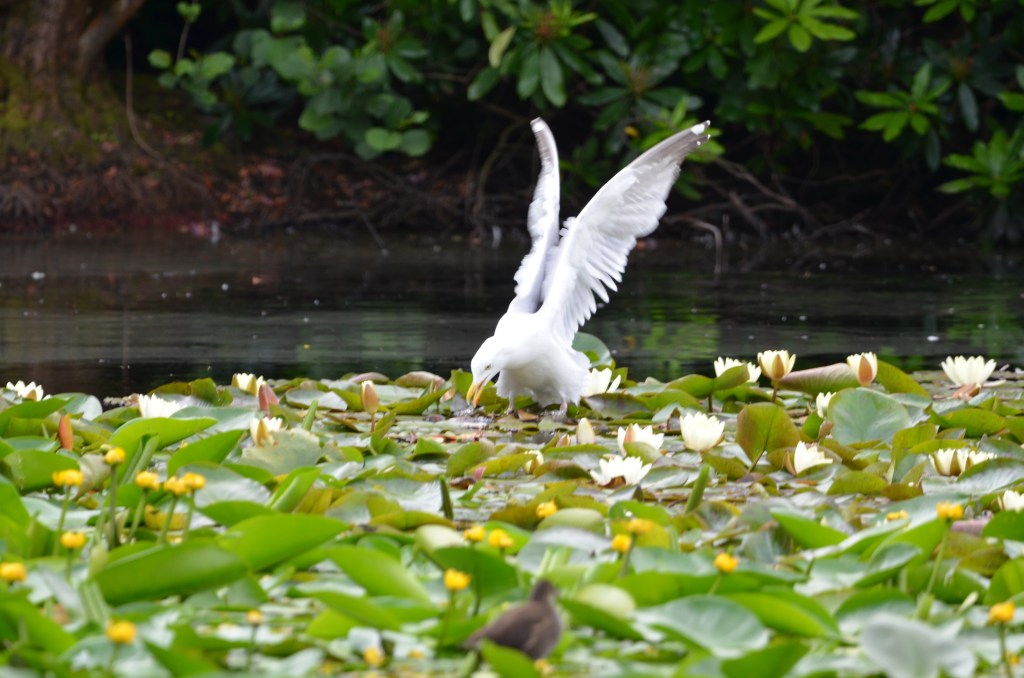
        A Herring gull circled above the mere and dropped down amongst the lily pads: at first, we were a little concerned in case it was after one of the chicks but it seemed to have spotted something under the water. The gull made a couple of attempts to retrieve whatever fish or amphibian it had seen but eventually gave up and flew off.

    Herring gull fishing

    It wasn’t clear what drew the Herring gull to the water (above), although this mystery fish appeared soon after (below)

    Mystery fish

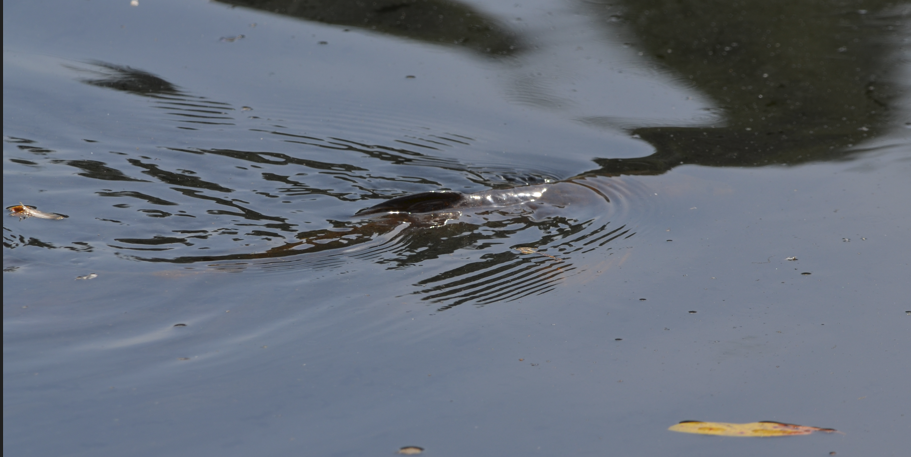
    By coincidence, we did see a large fish that was swimming close to the surface – you can’t really tell what fish it is, though it’s size might indicate a carp. It’s possible that this was what had interested the Herring gull but we can’t say for sure. In turn, the fish might have been interested in one of the many dragonflies that were zipping around the mere today.

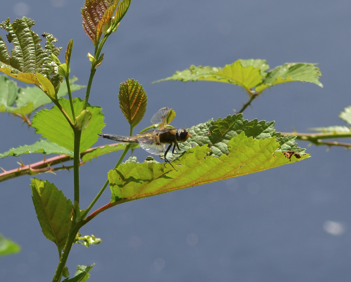
    Dragonfly 4

    A four-spotted chaser dragonfly resting on a hazel leaf

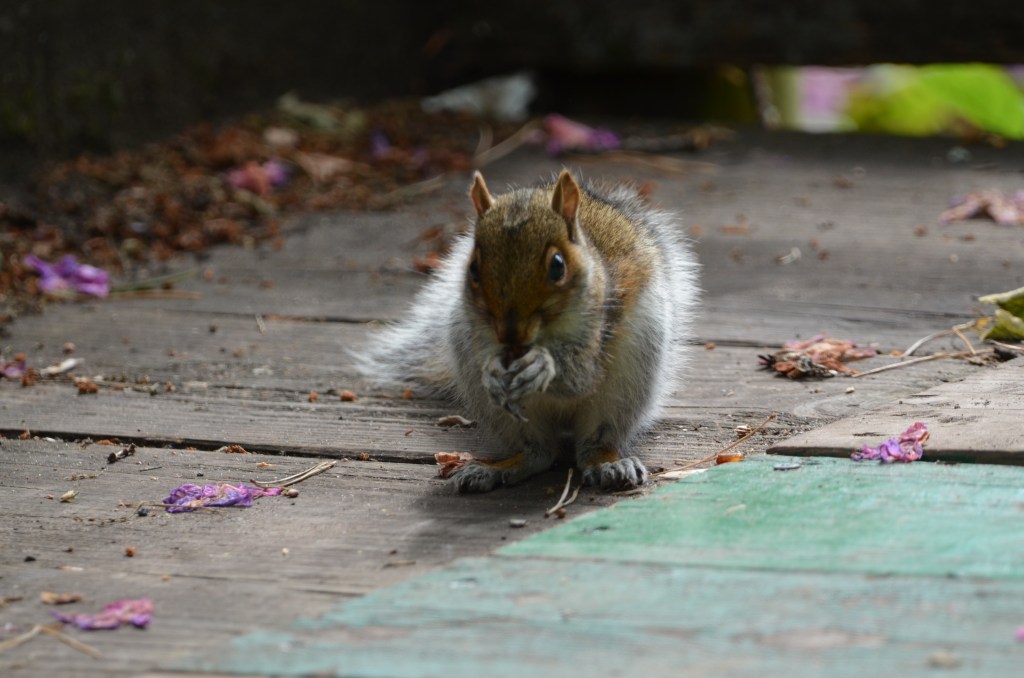
        There were one or two Grey squirrels out and about, demonstrating their acrobatic skills. One in particular entertained us as it descended head-first from a nearby tree before jumping across the path in front of us and disappearing in the undergrowth. Moments later another squirrel appeared on the wooden jetty at the side of the mere, where it nibbled at some bird food that presumably had been left for the Moorhens.  

    Squirrel at Royden
    Squirrel at Royden 2

    Shameless squirrel

        While we were stood there watching this scrounging squirrel, a small bird flew across from the surrounding wood and landed low on a tree just in front of us. It was a Treecreeper and we watched as it scaled the tree then fluttered down to the second trunk of the same tree and climbed again before repeating this procedure for a third and final time, after which we lost sight of it.

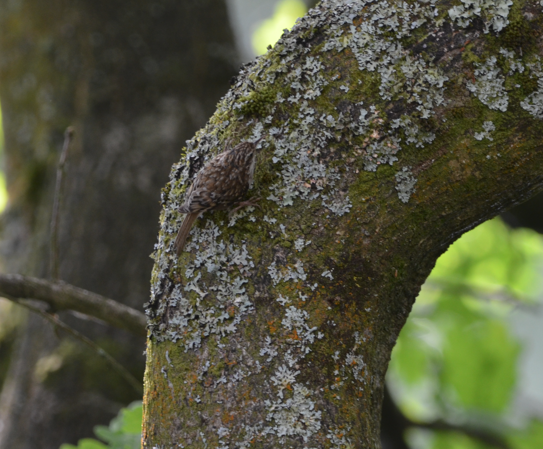
        Although the Treecreeper is quite common throughout the United Kingdom, we were lucky to have seen it as its mottled brown back and wing feathers act as great camouflage against the bark of trees. It has a white underbelly that is generally hidden from view as it climbs, but we happened to catch a glimpse as it flew in front of us.   

    Treecreeper

    Treecreeper blending in against the lichen and bark

        The tree was a common alder with its distinctive round leaves and it looked like it had been coppiced at some point in the past, which would explain the three trunks radiating from it. As it climbs, the Treecreeper uses its long, curved beak to probe cracks in the bark for insects to feed on. I reckon we were lucky here too in that the Treecreeper didn’t fly off to another tree but simply dropped down, enabling us to keep sight of it.

        Treecreepers use their strong toes to grip the bark and they have very stiff tail feathers which offer extra support when pushed against the tree and this helps to reduce strain on their legs as they climb. Most references describe the Treecreeper as spiralling upwards around the trunk as it climbs and this is what I remember from the two previous occasions that I’ve seen them. However, this particular Treecreeper climbed vertically up the same side of the trunk without looping round until it was quite high up the tree. A fascinating little bird to see,

    The important stuff

    On to the Courtyard Café for cappuccinos and a slice each (or should I say ‘doorstop’ each) of Caramel biscoff cake (Stu) and Carrot cake (Col). Scrumptious!

  • The Lush Woods

    (Sunday 3rd May, 2026)

    Over to Loggerheads Country Park in Denbighshire this morning. despite the low temperature (9°C), it was dry and the air was full of birdsong. In fact, even as we left the car park we heard a Chiffchaff singing from a nearby tree: we caught a brief glimpse of the bird before it climbed out of view.

        As we approached the stone bridge that leads onto the Leete path, a stoat sprinted across our route. It was gone in the blink of an eye and, for a brief moment, I was the only one who seemed to have seen it. However, another walker confirmed he’d seen it too which was reassuring!

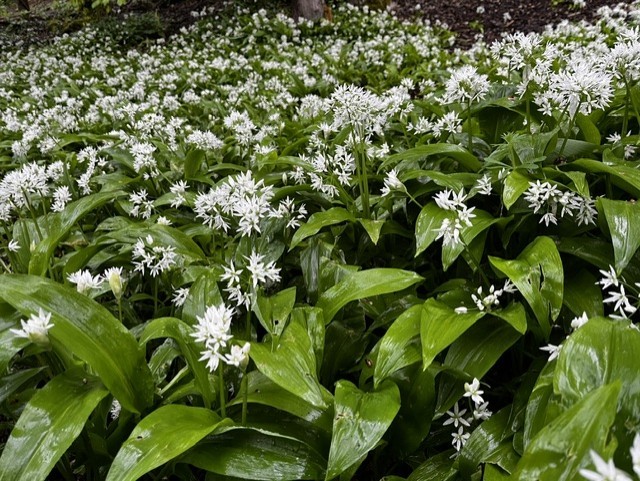
    garlic Loggerheads

    Wild garlic in full flower

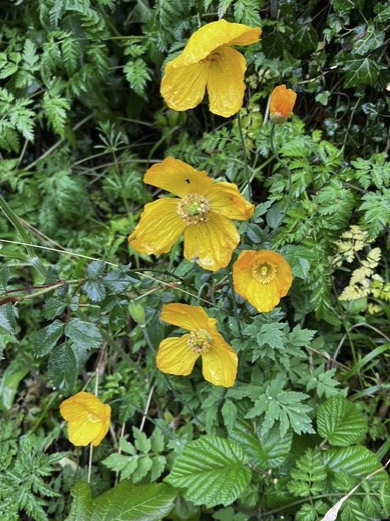
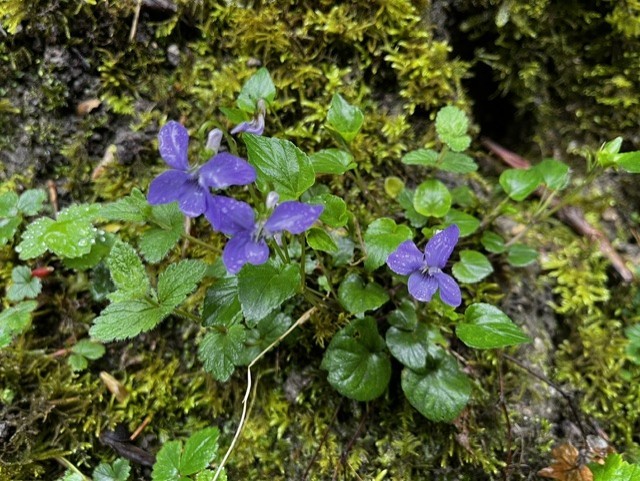
        We were last here at the end of March when most of the trees were still leafless and there were very few flowers growing, but what a difference we saw today. Welsh poppies, primroses and dog violets offered splashes of colour on each side of the path. The white flowers of the wild garlic were carpeting the undergrowth from the edges of both banks of the river now, and the mild aroma was just lovely.

    Welsh poppies Loggerheads
    dog violets Loggerheads

    Welsh poppies and dog violets

        The ash, hazel, and sycamore trees that line the path are all in leaf now, as are other trees such as beeches and birches that lie deeper in the woods. Together with the ferns and mosses (and evergreens!), everywhere you look there are vibrant shades of green. It was such a visual contrast to our last visit.  

    Dipper on another rock

    White-throated Dipper

        We were very pleased to see that the White-throated dipper was back at Loggerheads – we hadn’t seen any Dippers here since early February, although they might simply have been exploring another part of the river. This particular Dipper watched the waters from a rock, bobbing up and down in characteristic fashion. Every so often it walked into the river, submerging itself to collect aquatic invertebrates or whatever else it might find edible. It then took its food across to what we’re certain is its nest: the Dipper kept going to the same place and coming back with its beak empty. We suspect that the female might have already laid her eggs inside the nest, so we’ll keep watch and may have more to report at a future date.

    Dipper on rock
    Dipper in Alyn

    Top: Dipper, mid-bob and, bottom: Going for a dip. (If you look closely at each picture, you can see it has caught some food in its beak).

        A constant patroller of this stretch of the River Alyn is the Grey wagtail. We usually see just the one bird, but today we saw two of them keeping each other company. We’ve mentioned before on this blog that Dippers and Grey wagtails share very similar habitats and, while we quite often see both species at the same time, I don’t think we’ve ever seen them so close to each other before. At one point, one of the Grey wagtails was feeding only a metre or so away from the Dipper, which was also feeding. Each bird nonchalantly continued to concentrate on its own little section of water as if this was all perfectly normal.

    Grey wagtail 3rd May

    Grey wagtail

        The freshwater invertebrates and flies that Dippers and Grey wagtails both feed on does depend on there being good water quality. Considering all the negative reports on the state of UK rivers, the fact that both of these bird species are present on this stretch of the Alyn – and are breeding here – is a good sign of the river’s condition. Let’s hope it stays that way.

        All along the Leete path we seemed to have been followed by the same Song thrush today, although I suppose there may actually be more than one thrush at Loggerheads – who knows? Anyway, just as we regained the path and began to wend our way towards the café, ‘the’ (or maybe ‘a’) Song thrush landed on a branch overhanging our path and gave us a terrific solo rendition of its repertoire. Brilliant!

    Song thrush Loggerheads

    Song thrush

    The important stuff

    To The Mill House café (Tŷ’r Felin) for some of life’s little essentials: the usual cappuccinos with a Lemon curd blondie for Col and a Biscoff brownie for Stu. Very enjoyable!   
  • Down in the Woods

    (Sunday 29th March, 2026)

    There was a south-westerly blowing this morning, although we escaped the worst of the gusts by virtue of being in the woods at Loggerheads Country Park in Denbighshire. It was still a bit chilly (8°C) but I think we’re all becoming accustomed to this topsy-turvy ‘spring’ weather. At least it was dry.

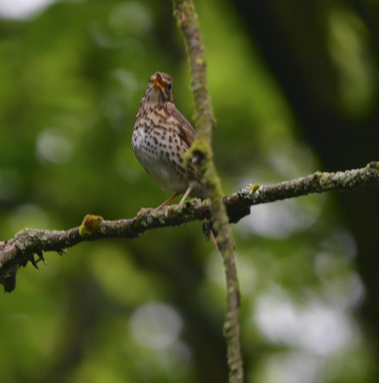
        Just as we joined the Leete path from the little stone bridge near the mill, we saw a Song thrush fly in and settle on a high branch of one of the trees upstream from us. We’ve seen both Song thrushes and Mistle thrushes in these woods over the years but we’re seeing them less and less as time passes – nationally, both are in decline.

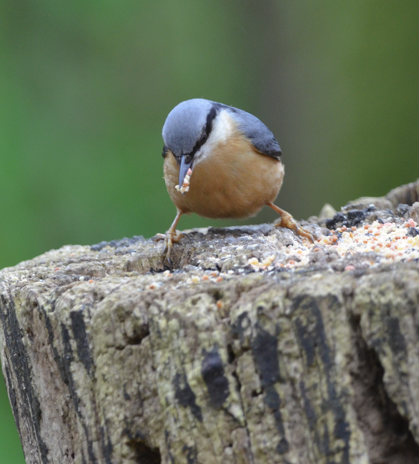
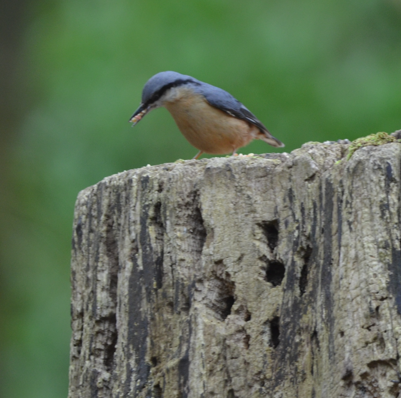
        Nuthatches, on the other hand, have greatly increased their numbers since the 1970s and we often see them hopping up and down tree trunks, or flitting about filching nuts and seeds.

    Another Nuthatch 29 March
    Nuthatch 29 March

    This Nuthatch used ‘diversionary’ tactics to conceal its food source

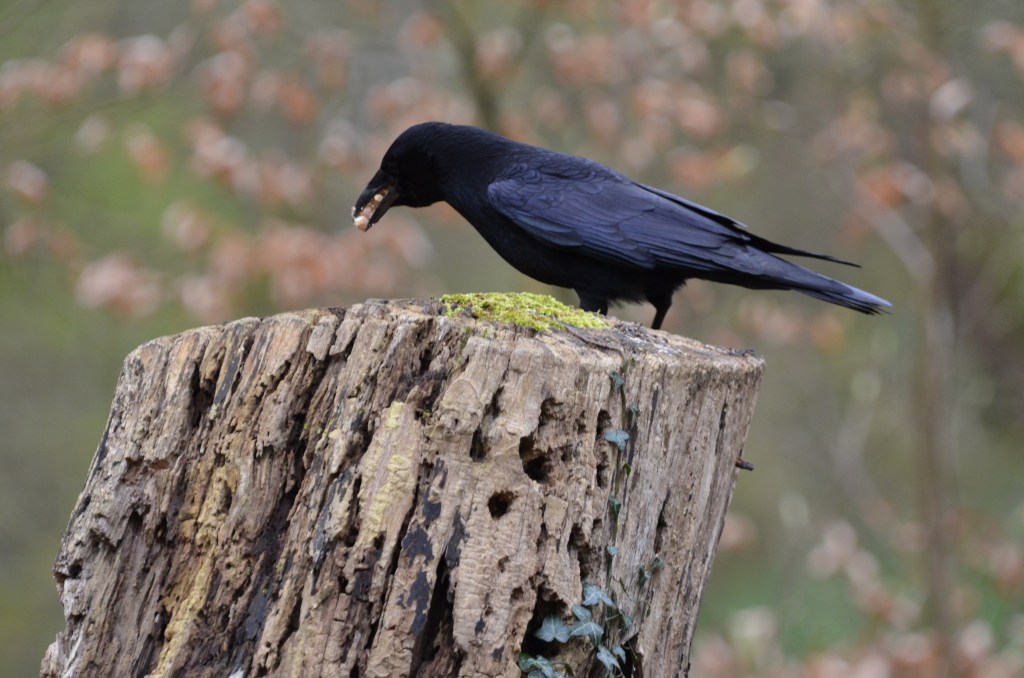
    Today was no exception and it is amusing to watch them fly from tree to tree, executing a sort of diversionary route – presumably to foil either predators or, more probably, to avoid revealing their food source to other birds. Mind you, there was little they could do once the Carrion crow discovered their source!
    Crow feeding at stump

        …but the Carrion crow discovered it anyway!
    Apart from the odd bit of hawthorn blossom here and there, the trees are generally free of any foliage (well, not counting the evergreens). But I don’t think it will be too long before everything begins to flourish. We noticed, for example, the aroma of wild garlic which reached us when the occasional gust of wind pushed through the woods. There is an abundance of garlic leaves to be seen on either side of the River Alyn, but no sign of the plant’s distinctive white flowers just yet.

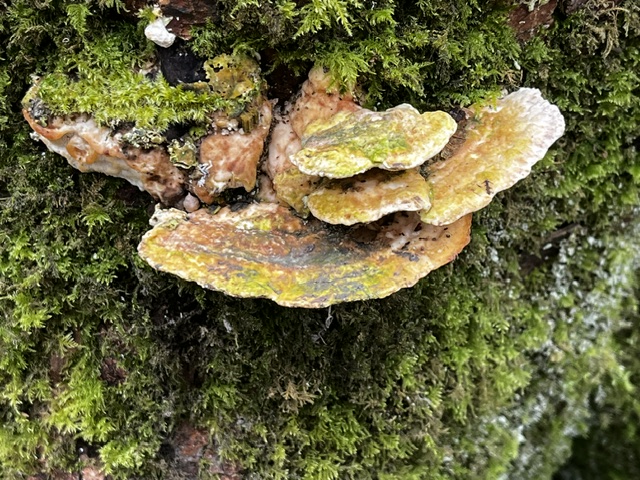
    False turkey tail

    False turkey-tail (we think!)

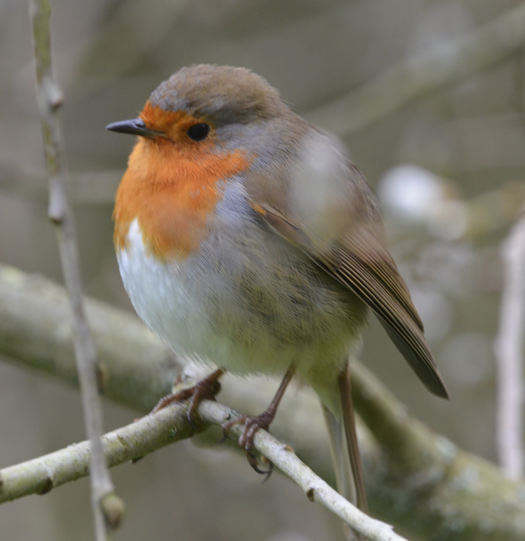
        There are other signs that spring (or should that be summer?) is finally on the way. We watched, transfixed as two Robins circled around us, flying close to the ground, disappearing then re-emerging from the undergrowth. Male and female Robins look very similar and are difficult to sex but, as neither of these birds was acting in the typical territorial mode that Robins usually display, we’re fairly confident that we were watching a male and female.  One of them posed for the camera, as you can see below!

    Robin 29 March

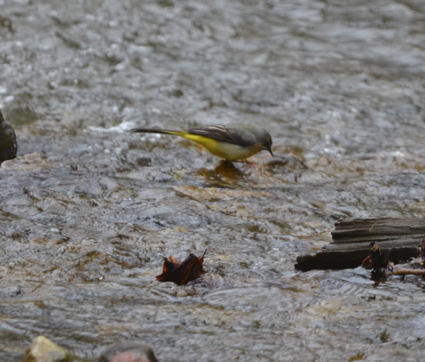
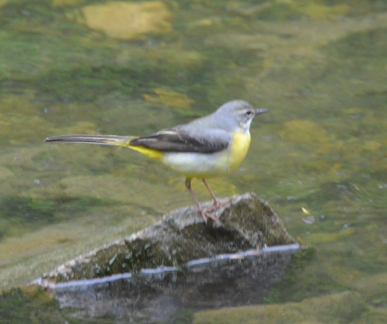
        We saw another pairing shortly afterwards: on a few of our visits to Loggerheads over the last few months, we’ve spotted a single Grey wagtail at various stretches of the river. Today we saw two together, although they’d separated before Stu managed to get a photograph of both of them simultaneously. It was encouraging to see though, and hopefully they’ll manage to breed successfully.

    The other wagtail
    One of the wagtails

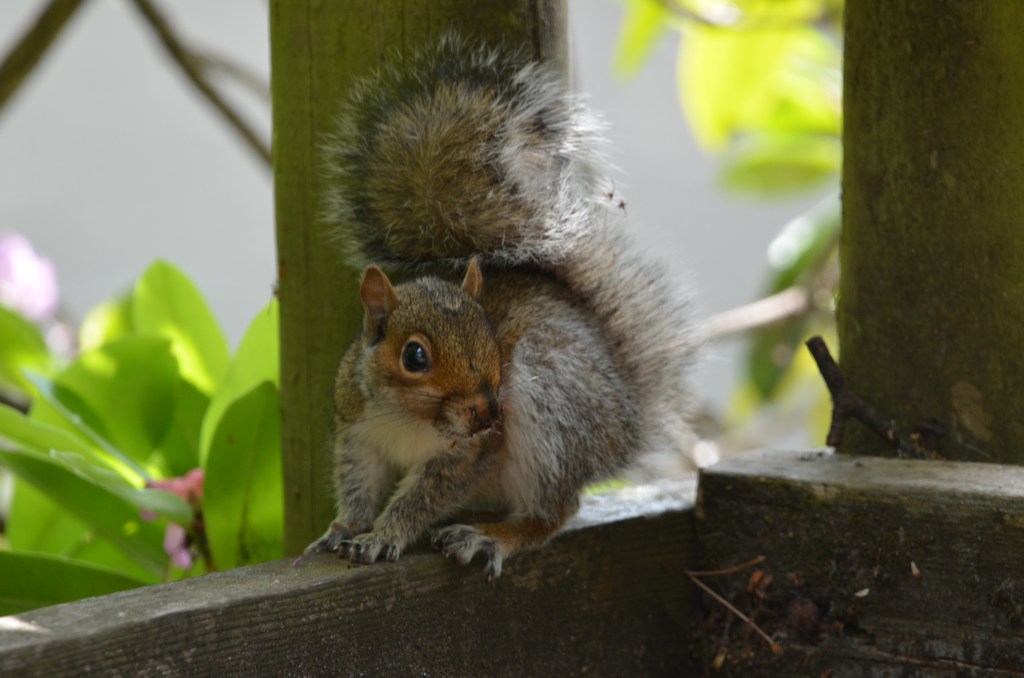
    After last week’s success at Burton Wetlands, Stu managed to capture another Grey squirrel on film – it seems like they’ve finally grown tired of hiding from him!

    Squirrel at Loggerheads

    The important stuff

    Over to The Mill House café (Tŷ’r Felin) for a cappuccino each and a Blondie Jammie-dodger (Col) and Millionaire’s shortcake (Stu). Scrumptious!  

  • At The Wetlands

    (Sunday 22nd March, 2026)

    Over to the RSPB Burton Mere Wetlands on the Wirral side of the Dee Estuary this morning. Although a little overcast, it was dry with a very light westerly breeze, and the temperature was a decent enough 11°C. We arrived about 09:15 and already the car park was quite full.

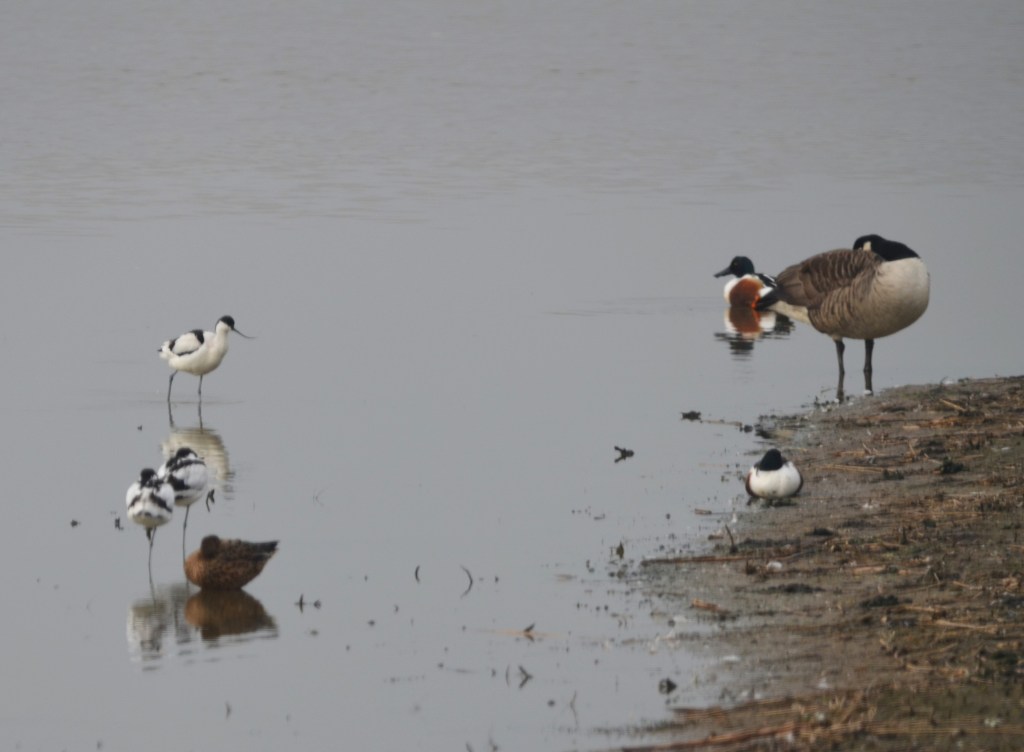
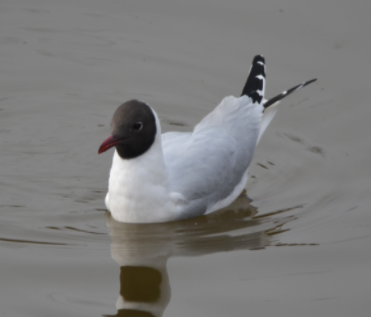
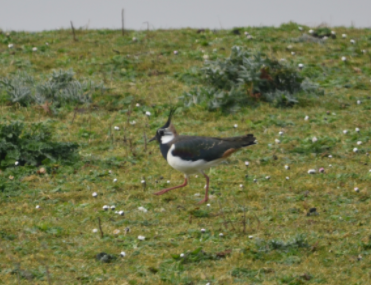
        From the visitor centre we saw Avocets, Lapwings, Mallards, Coots and Moorhens feeding and generally gathering together, though some remained in their respective groups. There was a pair of Mediterranean gulls amongst the many Black-headed gulls that had settled on the islet. And a few Northern shovellers glided through the shallow waterways too.

    Avocets, and Northern shovellers
    Black-headed gull at BM
    Lapwing at BM

    Top: Avocets, Northern shovellers and Canada goose. Middle: Black-headed gull. Bottom: Lapwing.

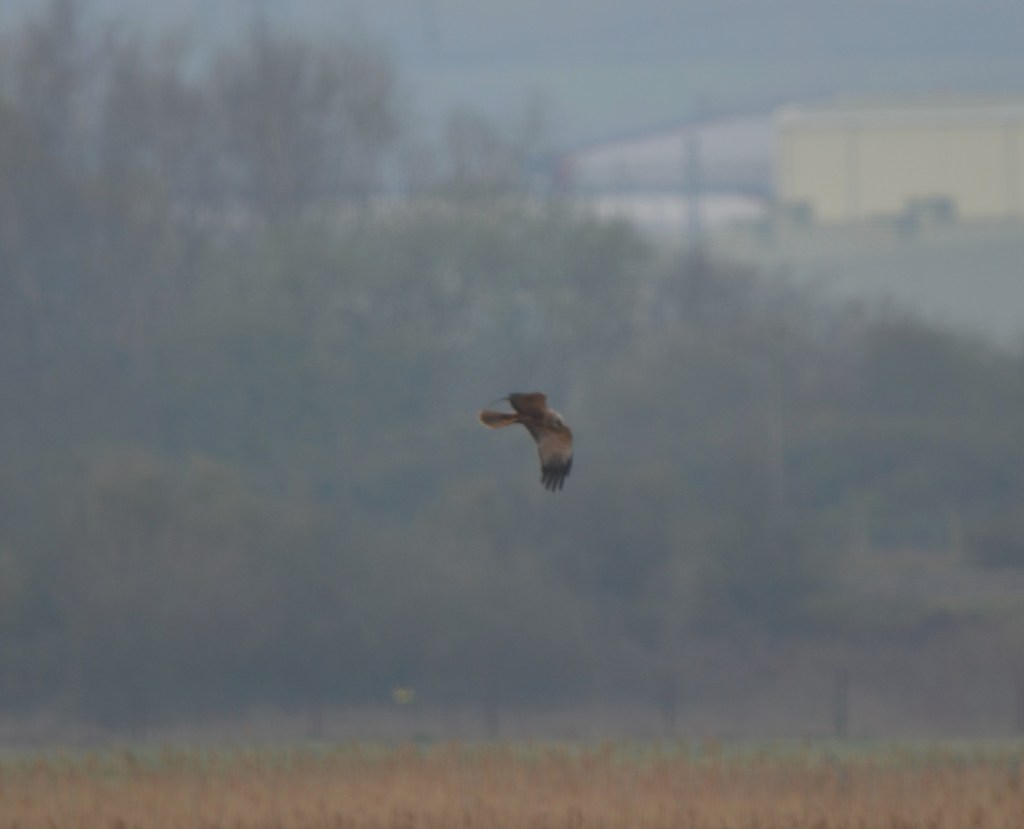
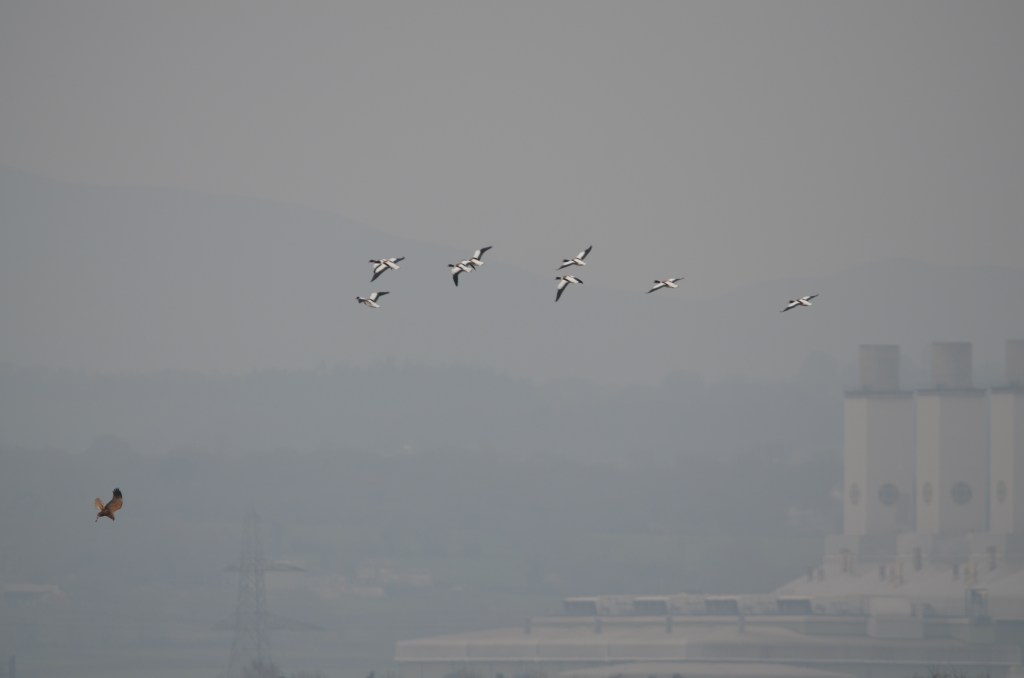
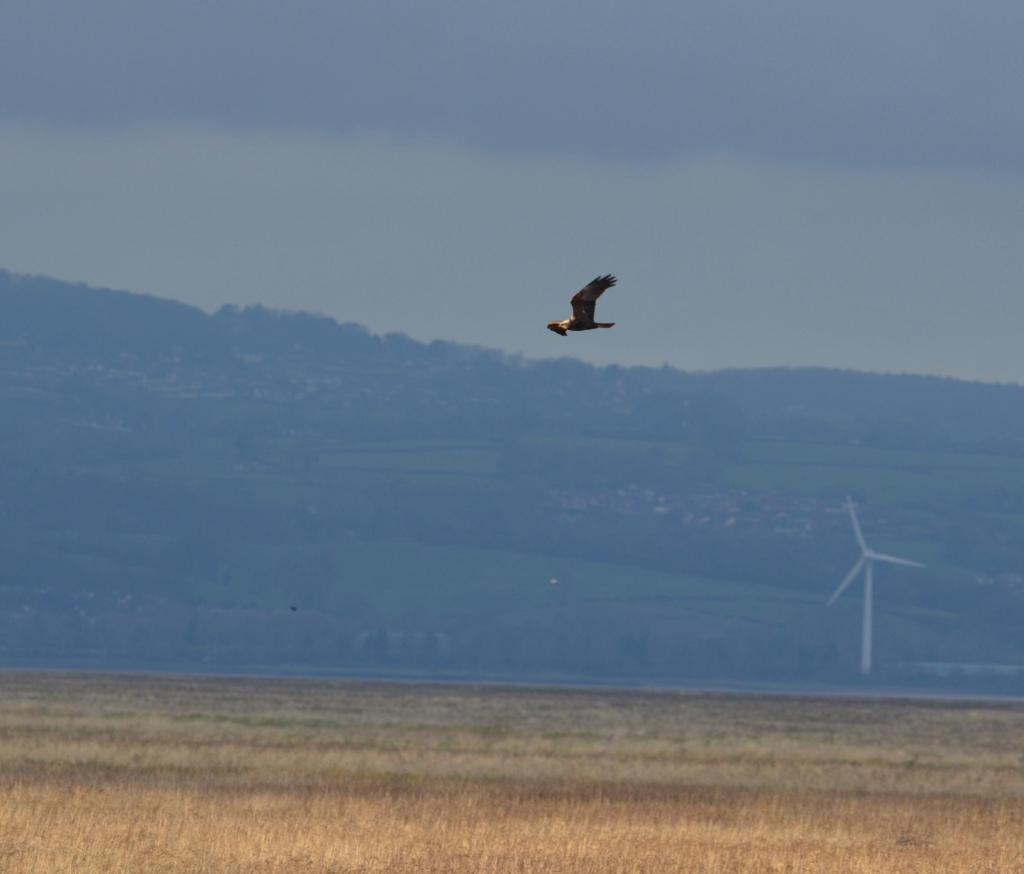
        We watched as first one Marsh harrier came in from the marsh, then saw two of them flying together. We watched them both sky dancing, which is the term used to describe their aerial courtship ritual and often involves the male passing food to the female in mid-flight, although I’m not sure that this happened between the two birds we were watching today. Unsurprisingly, the birds in and around the scrape were being vigilant every time the harriers appeared.

    Marsh harrier BM

    Above: Marsh harrier (male). Below: A flock of Shelducks and the harrier share the sky.

    Marsh harrier & Shelducks in flight

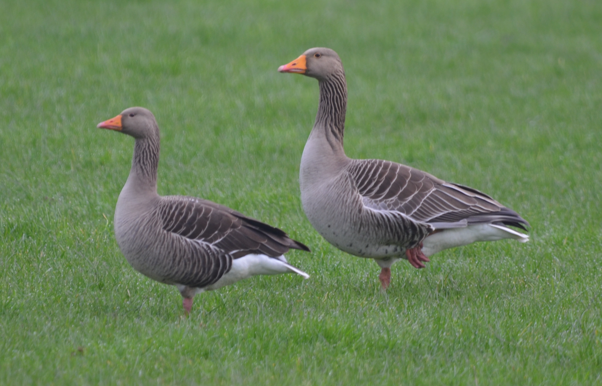
    We wandered down to the picnic area beyond the Bunker Hide. Last year we saw Yellow wagtails on the fields inland from the estuary. None this time, although we saw a few Greylag geese and Canada geese here and there. They had presumably sought a more peaceful sanctuary away from the noise and traffic of the main scrapes!

    Greylag geese BM

        Greylag geese happy to get away from it all

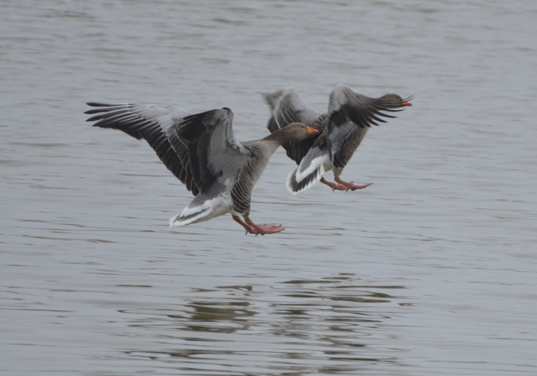
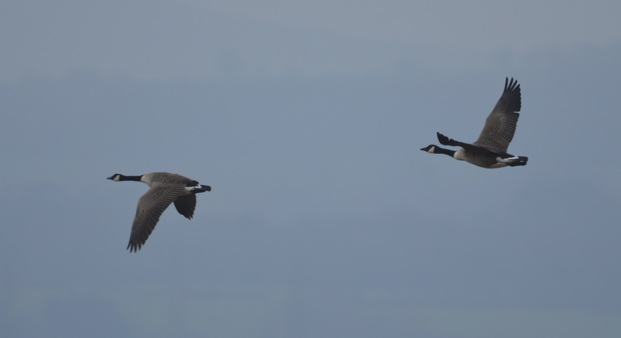
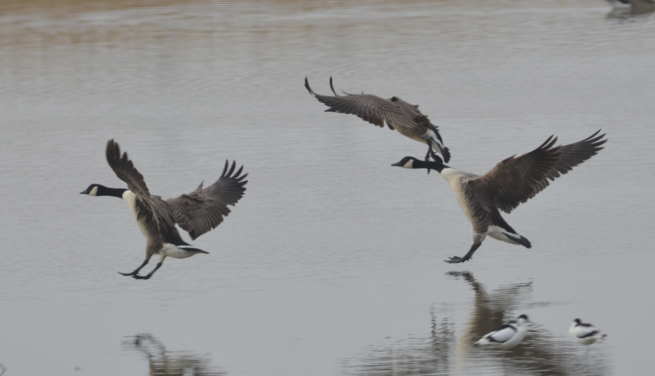
    Mind you, some of the geese clearly preferred the water. We watched these Greylags and Canada geese as they flew across the marsh and came into land.

    Greylags landing BM
    Canada geese in flight BM
    Geese landing BM

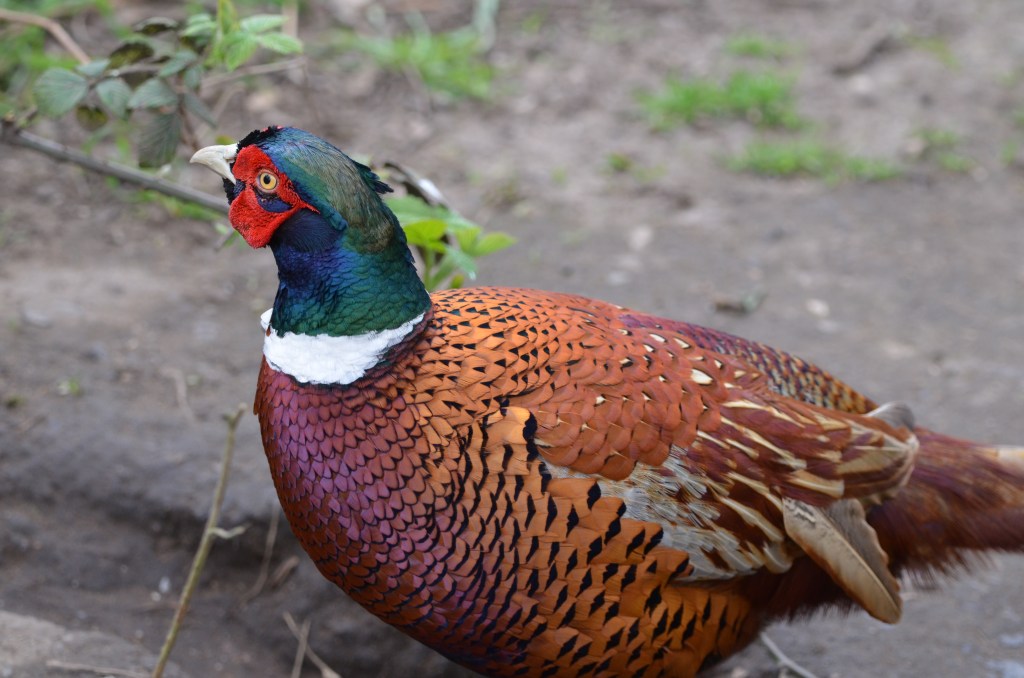
    We’d heard the loud shrieking of a Pheasant earlier when we were near the picnic area. I’m not sure if this was the same bird on the other side of the visitor centre, but I’m glad we saw it close up: you tend to forget how colourful these birds are – well, the males at least. Actually, I think this is something we tend to do with a lot of the more common birds and wildlife in general. In our determination to see and record animals seldom if ever before seen, I think we sometimes overlook those that we see regularly. (I live near a couple of Pheasant farms and see the birds often, so I can be almost oblivious to the sight of them, although I don’t think you could ever be oblivious to their call!)

    Pheasant at BM

    Pheasant

        A Grey heron flew over in that ungainly way they have while we were focussing on the birds that were busying themselves near the feeder, mostly Great tits and Blue tits. We also spotted a Wren on a nearby branch before it flitted away and we’re pretty sure we saw a Reed warbler as well. Unfortunately, we were unable to get a photograph.

    Blue tit investigating
    Blue tit BM

    Blue tit chomping away while another waits its turn.

    Marsh marigolds BM

    Marsh marigolds

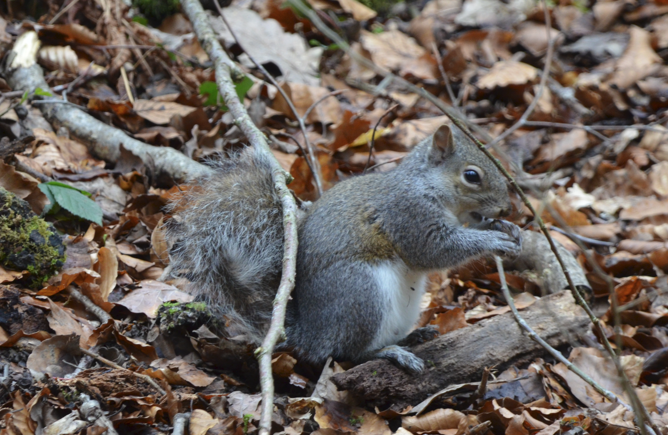
        However, I’m pleased to say that Stu managed to get a photograph of a Grey squirrel. What’s remarkable about that, I hear you ask! Well, regular readers of these pages will know that squirrels don’t usually hang around long enough for him to capture on film. But the Burton squirrels evidently hadn’t heard of the international embargo against this blog’s photographer and two of them were happy to display their acrobatic skills for us. Very entertaining they were too! And we’re both very grateful that at least one of them was happy to have its photo taken!

    Grey squirrel at BM

    A Grey squirrel which, unusually, didn’t disappear as soon as Stu got his camera out!

        I mentioned earlier that the car park was very busy even shortly after nine in the morning. Obviously Burton Mere Wetlands is a popular place to visit but people may have also been enticed by the chance of seeing the otters which have been seen here recently. I’m not sure at which part of the reserve you’re likely to see them, although the staff at the visitor centre should be able to help. We didn’t see any otters but still enjoyed our visit immensely.

    Robin at BM
    Weeping BM

    The important stuff

    We had our usual cappuccinos with a slice of Carrot cake (Stu) and a Toasted teacake (Col). Very nice!

  • Rain and Wind Stop Play

    (Sunday 15th March, 2026)

    Over to Parkgate on the Wirral Peninsula this morning. It was dry and reasonably bright to begin with and it reached 10°C while we were there. We started off at the Old Baths but there was a fierce wind (SSW) blowing from across the Dee, directly at us, which meant that it was difficult for us to focus our binoculars and cameras without them shaking.

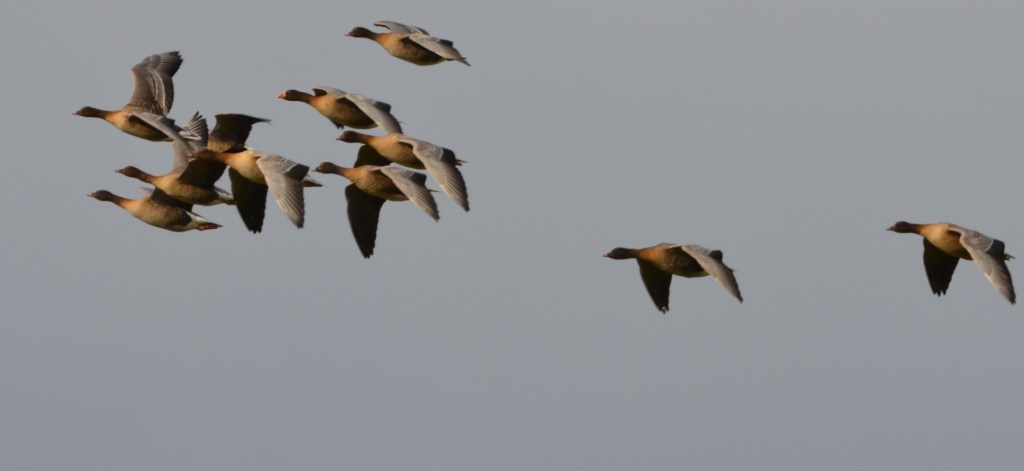
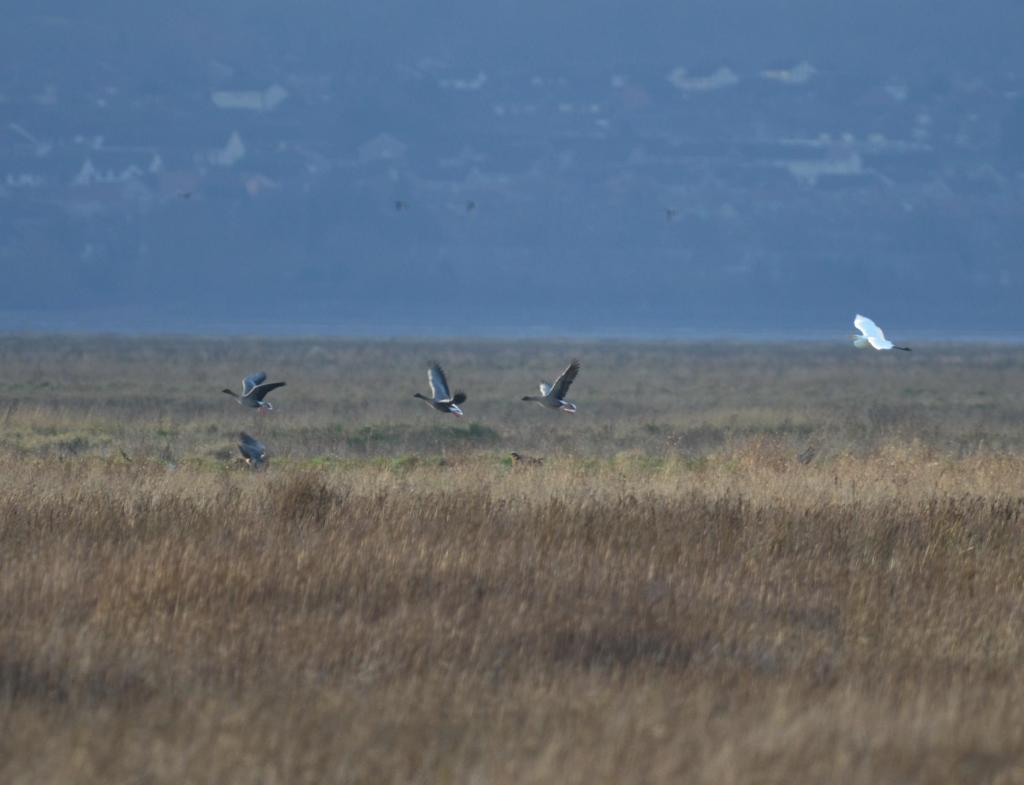
        We counted four Avocets in the channel and two Little egrets nearby, and there were several small flocks of geese circling the marsh, but for the most part the birdlife was staying low and out of the wind!

    Pink-footed geese at Parkgate

    Pink-footed geese

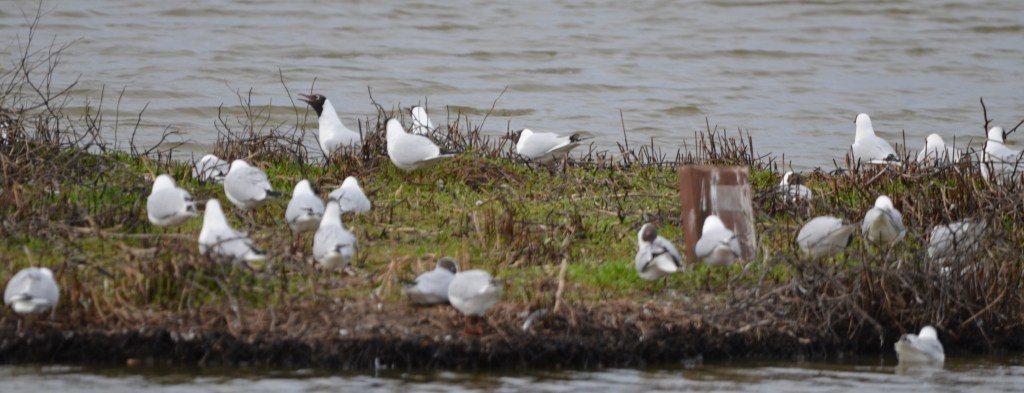
        We transferred to the Donkey Stand at the opposite end of The Parade where, somehow, the wind seemed to have eased. There were several Black-headed gulls on the little island in the middle of the Flash, all of which were making plenty of noise. We just thought it was the gulls making their normal racket until we saw two Marsh harriers flying low over the marsh, which is when we realised that they’d actually been sounding the alarm. The harriers quickly swept past and arced back towards a clump of reeds in the distance.

    Black-headed gulls at Parkgate

    Black-headed gulls

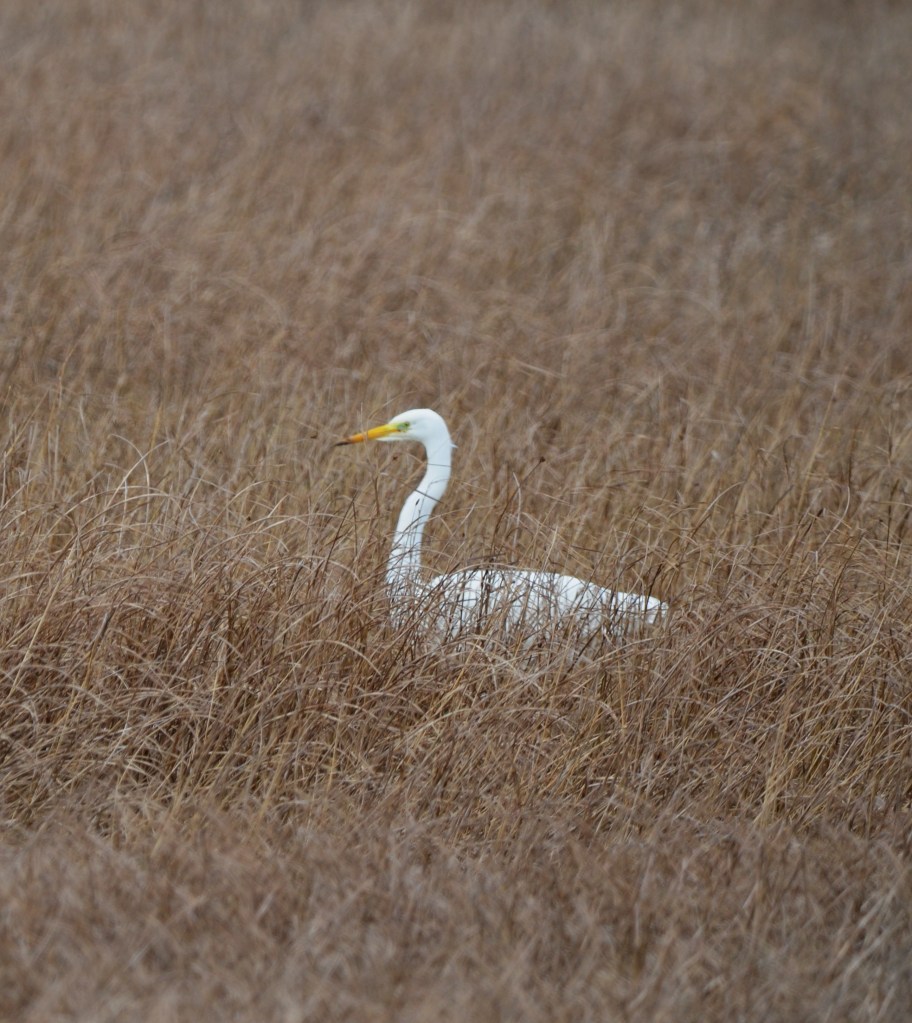
        Where earlier we’d seen two Little egrets, here there were two Great white egrets stalking separate sections of the marsh. The latter are much larger birds and have yellow beaks throughout most of the year but, during the breeding season, their beaks become black. You can see that the beak of the Great white egret in the photograph below is just beginning to change to black at the tip.

    Great white egret at Parkgate

    Great white egret. Note the yellow beak just beginning to turn black.

        Although the wind had lessened, we could clearly see that it was raining over on the Welsh side of the Dee. Inevitably, the rain reached us before too long and we brought forward an early end to our visit. Never mind – there’s always next time!

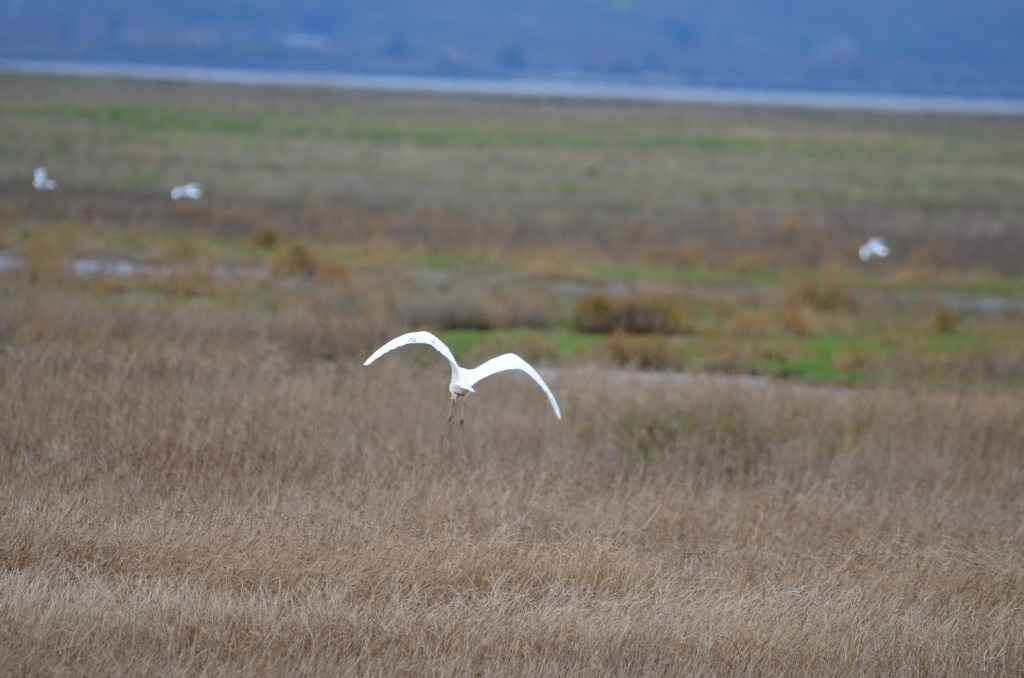
    Great white egret flying into the wind

    Great white egret flying into the wind

    The important stuff

    Today was Mothering Sunday and any chance of finding a café with a spare table was clearly going to be difficult, so we repaired to Chez Col where we both enjoyed a chocolate mini-roll and an orange Kit-Kat each, washed down with a – dare I say it, as I made it – lovely cup of tea!

  • At the Old Baths

    (Sunday 25th January, 2026)

    We’d had reports of Short-eared owl sightings at Parkgate, specifically in the area around the Old Baths, just beyond The Boat House pub. So, we parked up and scanned the marsh. Short-eared owls largely hunt during the day, particularly in the late afternoon. Today, unfortunately, was not our day for seeing any. (A Short-eared owl was seen and photographed that day – surprise, surprise, in the late afternoon! Ah, well. Maybe next time…)

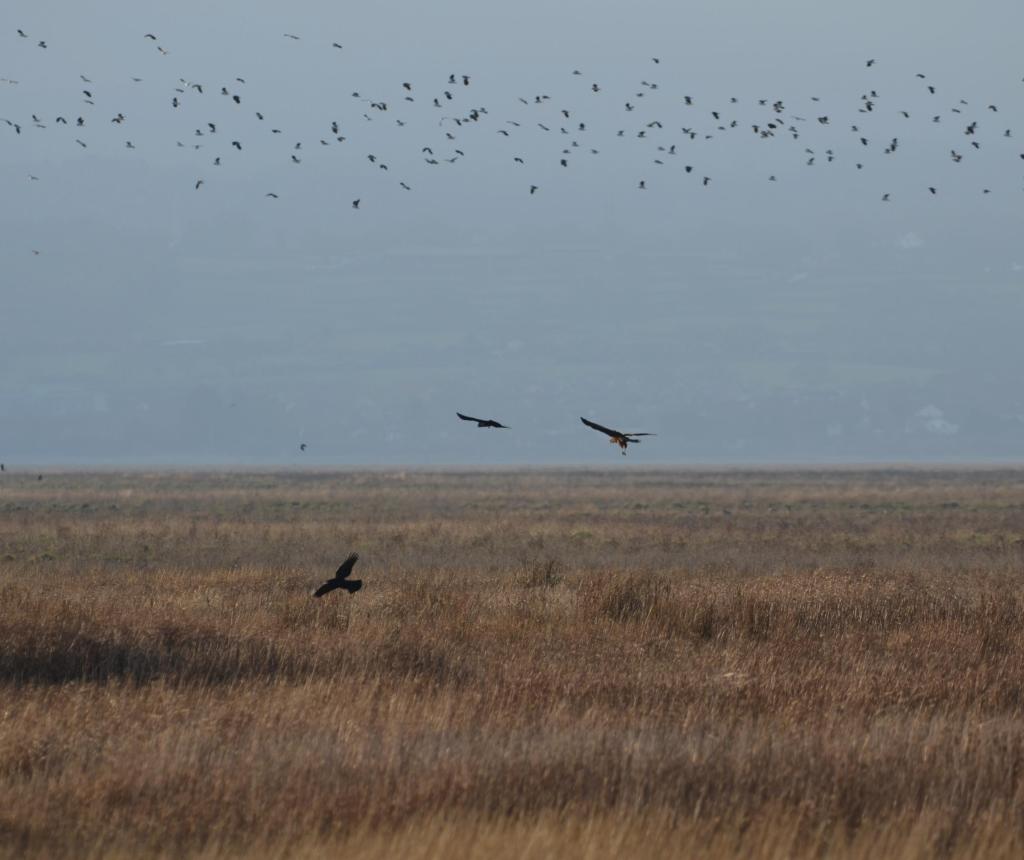
        We may not have seen any owls, but we did see a couple of Marsh harriers and a Kestrel (all female): we were certainly in a good viewing spot.

    Marsh harrier at Old Baths

    Marsh harrier (female)

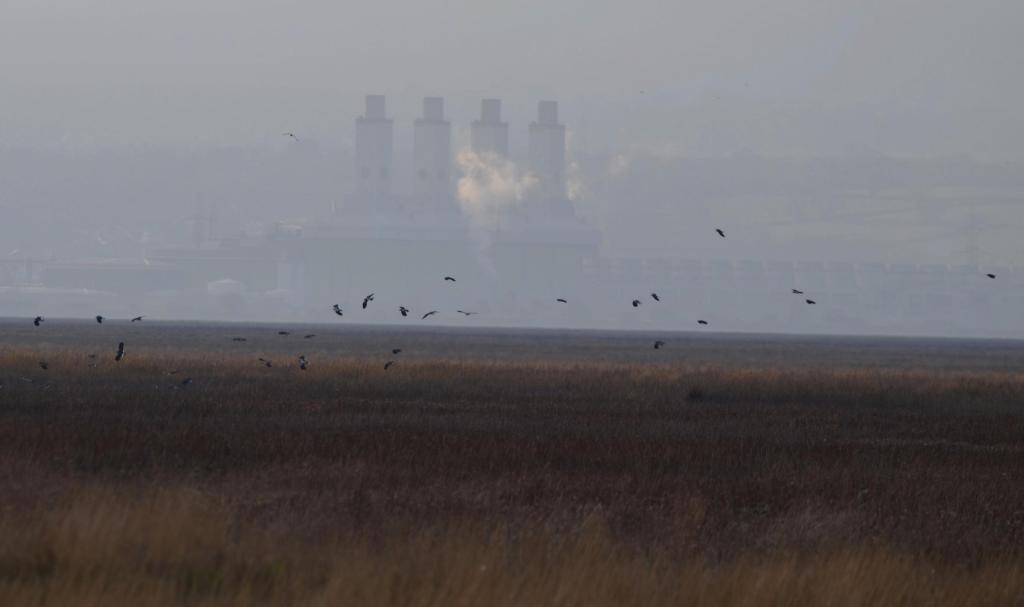
    There were flocks and flocks of geese honking their way across and around the wide estuary sky. Many were Pink-footed geese and we also saw Canada geese and some Brent geese, although we didn’t get any clear photographs of the latter. (It was quite misty in the distance – as you can see from the photographs).

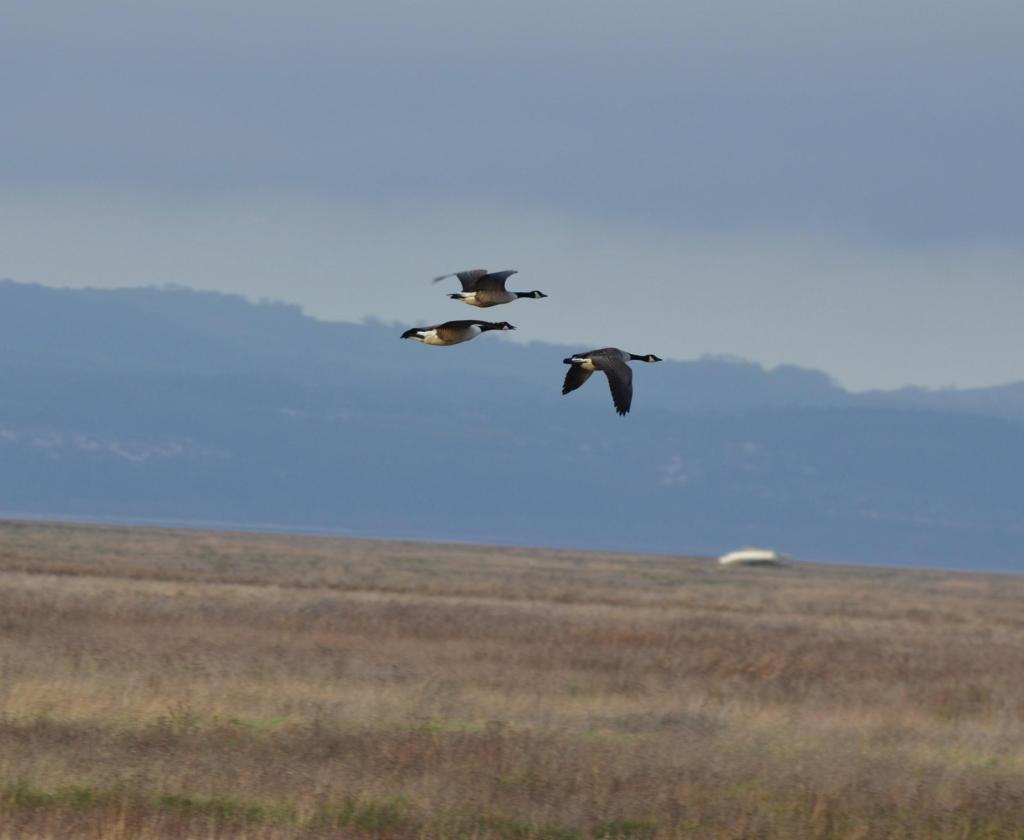
    Canada geese at Old Baths

    Canada geese

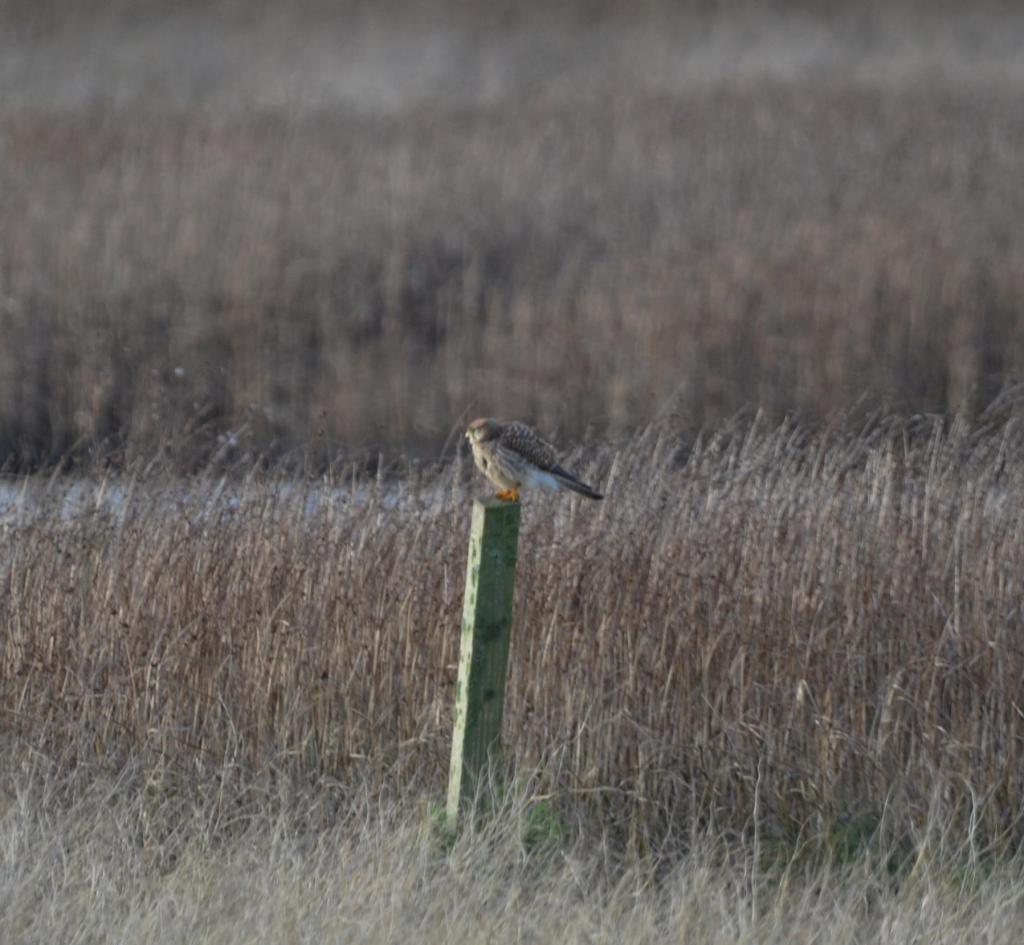
    Kestrel hovering at Old Baths

        Kestrel (female): she’s in the centre, to the right!

    The kestrel hovered characteristically, before dropping down and settling on the post (which I believe was where our elusive Short-eared owl perched later!) This behaviour is well established in kestrels, particularly in the winter months when the birds want to conserve energy – hovering is what Kestrels are known for (‘windhover’ is the archaic name for the bird), but it’s generally a less-preferred hunting strategy than perching. Here, we do tend to see Kestrels hovering more because there are far fewer vantage points on the marshes – apart from the odd post, of course. They’re a joy to watch when they are hovering, head down facing the ground, while they make minor aerodynamic adjustments with their wings and fanned-out tails in order to maintain their position.

    Kestrel on post at Old Baths

    Kestrel using the post as a vantage point

        Kestrels are so keen-sighted that they can see ultraviolet light, which enables them to detect urine trails left by their prey! They’ll hold their position and then suddenly swoop – they’re wonderful to watch, but you can see that these actions do take up reserves of energy.

        While we still commonly see Kestrels over the marshes – more usually hovering – their numbers declined by 37% between 1995 and 2023[1], although it’s difficult to pinpoint a specific reason. Suggestions for the decrease in number include habitat loss through farming practices; secondary poisoning (through eating voles and mice that have consumed rat-poison); and their chicks being subject to predation from corvids and other birds of prey, such as Goshawks.

        It probably doesn’t help that Kestrels don’t build nests, preferring to take over those abandoned by other birds, or to use natural cavities such as tree hollows or cliff ledges – they’re not fussy, just so long as they don’t have to do any construction work themselves!  The Kestrel population in the UK is being monitored jointly by BTO/JNCC/RSPB[2] as well as other bodies such as the Hawk Conservancy Trust.

    Ghostly power station

    Ghostly power station in the mist

        Eventually, we moved to the Donkey Stand at the opposite end of The Parade, where a third female Marsh harrier appeared flying low over the marsh. (It may possibly have been one of the two that we’d seen earlier at the opposite at the Old Baths). We also saw several Mallards and some Teal on the nearby stretch of water, but no photographs I’m afraid.

    Marsh harrier at Donkey Stand

    Marsh harrier (top right) near Donkey Stand

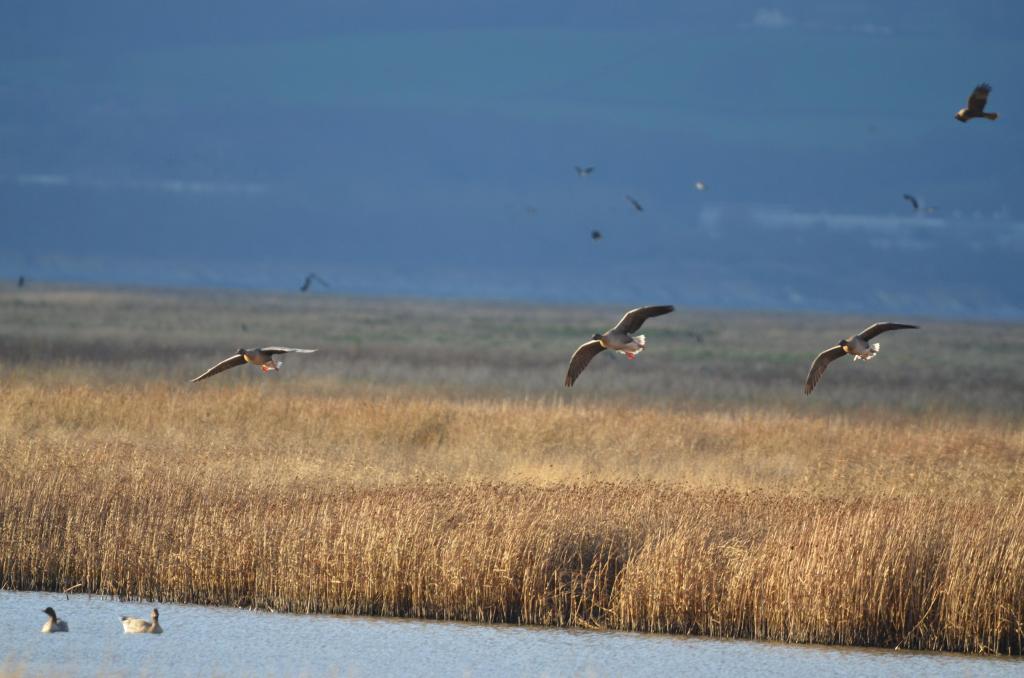
        Although I remember seeing a couple of Little egrets, I have no recollection of seeing this Great white egret below disturbing several Pink-footed geese, which Stu photographed. I must have been concentrating on something else! Talking of which…

    Great white egret and geese

    Great white egret and Pink-footed geese

    The important stuff

    Over to Ness Gardens for refreshments. A cappuccino and a generous slice of Bakewell tart each. Very nice, and well-deserved!


    [1] Information from Bird Trends Explorer, BTO data.bto.org/trends_explorer/?species=Kestrel

    [2] British Trust for Ornithology / Joint Nature Conservation Committee / Royal Society for the Protection of Birds

  • Goldcrests at Loggerheads

    (Sunday 28th December, 2025)

        Sometimes you just get lucky. We were just about to leave Loggerheads Country Park, in Denbighshire, and head home. Before we did so, we thought we’d take a last quick look from the little bridge opposite the We Three pub. Looking upstream, we caught glimpses of yellow as tiny birds darted around the lower foliage of a tall conifer. (Judging by the leaves, I think the tree is a cypress of some sort, but I’m not entirely sure). These birds were not easy to track but, looking through the binoculars, I could see that they were Goldcrests – the smallest bird in the British Isles and, in fact, Europe. These tiny birds are rarely longer than 9.5cm (3.7 in), with a wingspan no greater than 15.5 cm (6.1 in). On average, they weigh just 6g ( less than 0.25 oz) and are often described as weighing the same as a twenty-pence piece.

    Goldcrest in conifer

        Goldcrest

    The Goldcrest has whitish-grey underparts, olive-green upperparts and two contrasting white wing bars, and a distinctive yellow crest on its head, from which it gets its name. The male has a smudge of orange running through the centre of its yellow crest, although this is not always visible: presumably it becomes so when it ‘displays’ during the breeding season. So, the Goldcrest in the photographs could be either male or female. And kudos to Stu – considering how active these birds were as they probed the cones and leaves for food – the photographs turned out really well.

    Goldcrest 2

        Goldcrests are actually quite a common bird in the British Isles, where resident birds are joined by migrant birds from Scandinavia during the winter months, although neither of us had actually seen them ‘live’ before. And despite our climate becoming warmer, Goldcrests are still susceptible to the cold: they can ‘burn off’ a lot of body weight overnight when the temperature drops, even when they huddle together. It had been a cold night – and it didn’t climb above 5°C for the whole of the morning – so probably these Goldcrests were replenishing lost energy.  

    Dipper about to submerge itself

    Dipper about to submerge itself

        Earlier in the morning we had seen a White-throated dipper – in fact we traced it to a couple of different spots along the River Alyn. Over time, we’ve noticed that Dippers seem to favour the faster-flowing white water of the river. This one first performed its characteristic bobbing dance, before submerging itself in the river in search of food. Very entertaining!

    Blinking Dipper

    Dipper showing white eyelid feathers as it blinks

    Grey wagtails also hunt in areas of the river where there is fast-running water, but though both species’ territories overlap, somehow they’re both able to share the river’s resources without too much disputation, as far as we can make out. We often see both species out and about at the same time, as we did today.

    Grey wagtail on mill roof

    Grey wagtail on the roof of the mill house

    The Grey wagtail flew off before it could be photographed although it – or perhaps another wagtail, we can’t be sure – appeared a little later on the roof of the old mill which is the one in the picture. While some birds are camera-shy, the same can’t be said of our old friend the Robin: a born star that just loves being photographed!

    Robin posing

    Robin posing for the camera

    The important stuff

    The Mill House café (Tŷ’r Felin) provided us with much needed sustenance after all that hard work. A cappuccino and a Chocolate Biscoff each soon restored our equilibrium!