Tag: birding

  • Goldcrests at Loggerheads

    (Sunday 28th December, 2025)

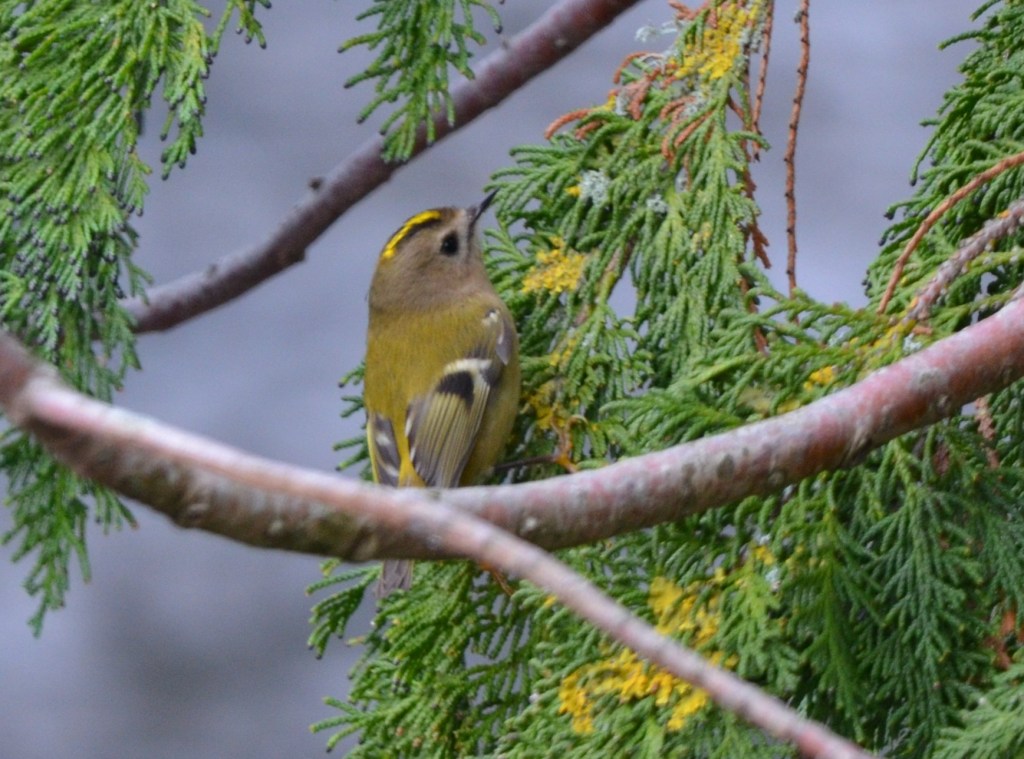
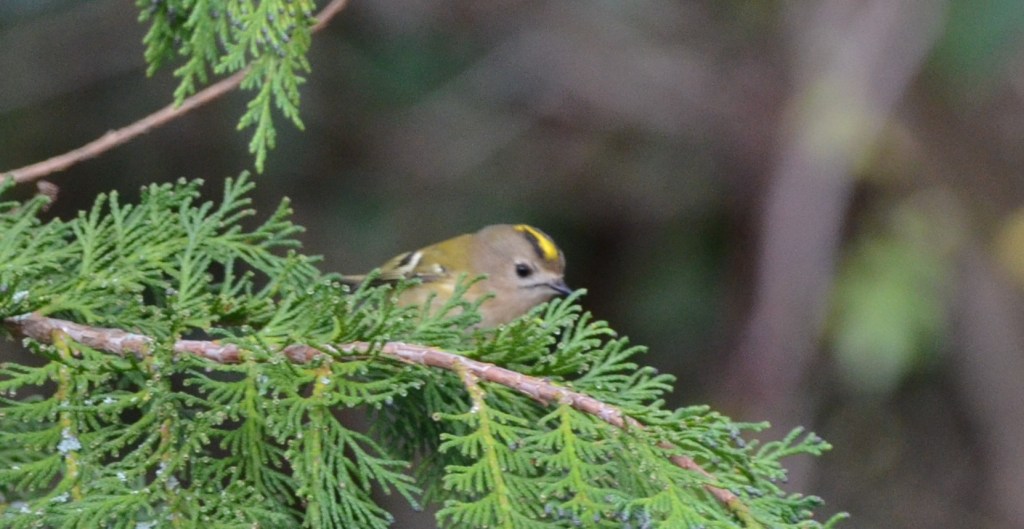
        Sometimes you just get lucky. We were just about to leave Loggerheads Country Park, in Denbighshire, and head home. Before we did so, we thought we’d take a last quick look from the little bridge opposite the We Three pub. Looking upstream, we caught glimpses of yellow as tiny birds darted around the lower foliage of a tall conifer. (Judging by the leaves, I think the tree is a cypress of some sort, but I’m not entirely sure). These birds were not easy to track but, looking through the binoculars, I could see that they were Goldcrests – the smallest bird in the British Isles and, in fact, Europe. These tiny birds are rarely longer than 9.5cm (3.7 in), with a wingspan no greater than 15.5 cm (6.1 in). On average, they weigh just 6g ( less than 0.25 oz) and are often described as weighing the same as a twenty-pence piece.

    Goldcrest in conifer

        Goldcrest

    The Goldcrest has whitish-grey underparts, olive-green upperparts and two contrasting white wing bars, and a distinctive yellow crest on its head, from which it gets its name. The male has a smudge of orange running through the centre of its yellow crest, although this is not always visible: presumably it becomes so when it ‘displays’ during the breeding season. So, the Goldcrest in the photographs could be either male or female. And kudos to Stu – considering how active these birds were as they probed the cones and leaves for food – the photographs turned out really well.

    Goldcrest 2

        Goldcrests are actually quite a common bird in the British Isles, where resident birds are joined by migrant birds from Scandinavia during the winter months, although neither of us had actually seen them ‘live’ before. And despite our climate becoming warmer, Goldcrests are still susceptible to the cold: they can ‘burn off’ a lot of body weight overnight when the temperature drops, even when they huddle together. It had been a cold night – and it didn’t climb above 5°C for the whole of the morning – so probably these Goldcrests were replenishing lost energy.  

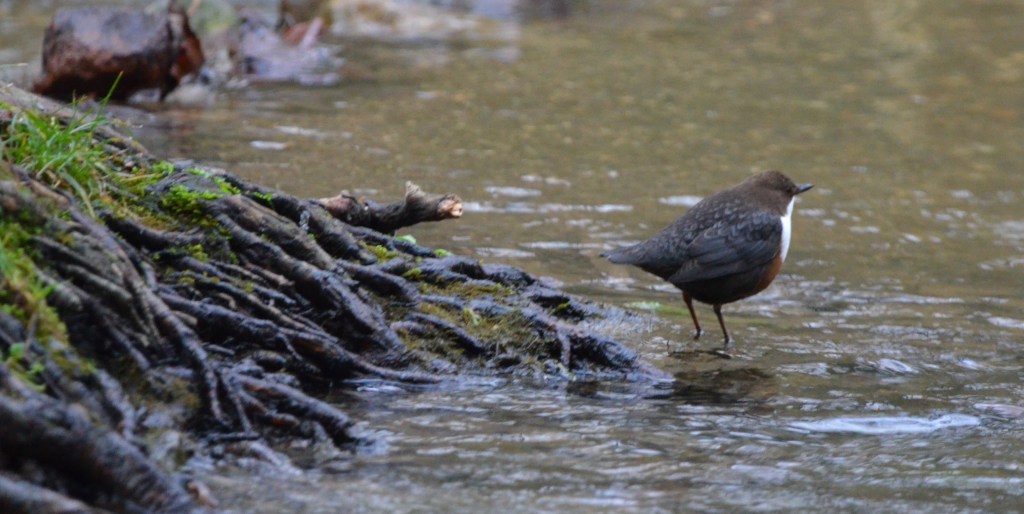
    Dipper about to submerge itself

    Dipper about to submerge itself

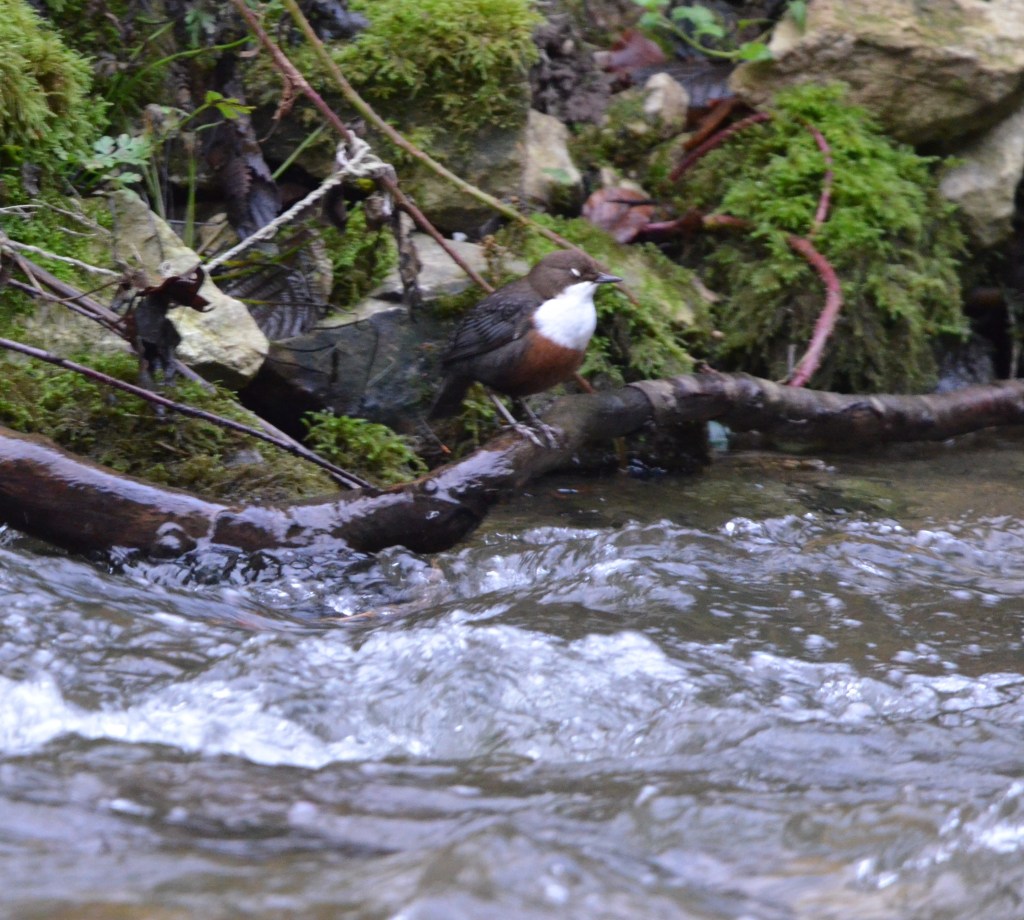
        Earlier in the morning we had seen a White-throated dipper – in fact we traced it to a couple of different spots along the River Alyn. Over time, we’ve noticed that Dippers seem to favour the faster-flowing white water of the river. This one first performed its characteristic bobbing dance, before submerging itself in the river in search of food. Very entertaining!
    Blinking Dipper

    Dipper showing white eyelid feathers as it blinks

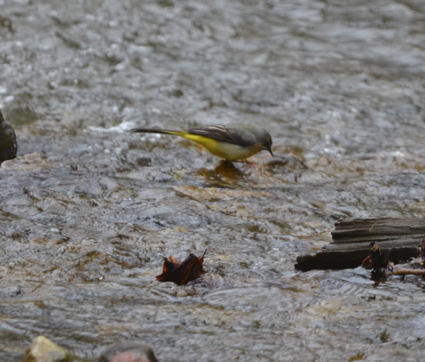
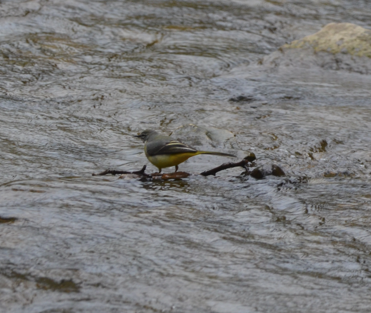
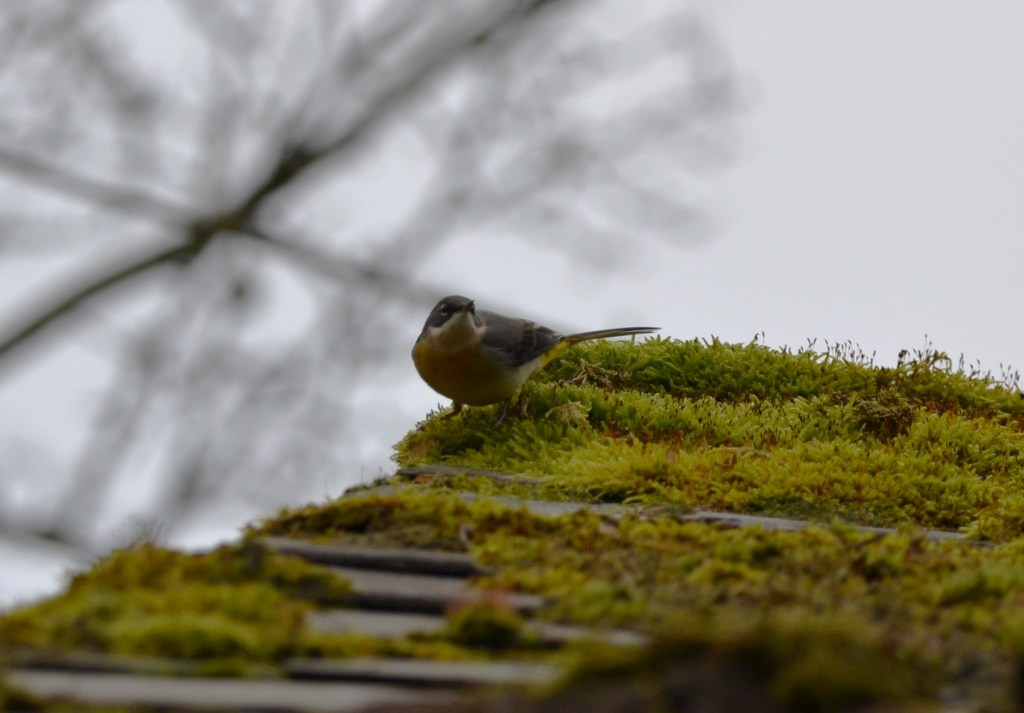
    Grey wagtails also hunt in areas of the river where there is fast-running water, but though both species’ territories overlap, somehow they’re both able to share the river’s resources without too much disputation, as far as we can make out. We often see both species out and about at the same time, as we did today.

    Grey wagtail on mill roof

    Grey wagtail on the roof of the mill house

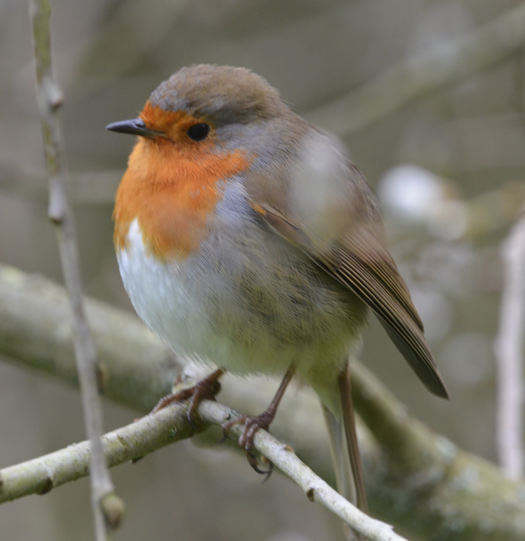
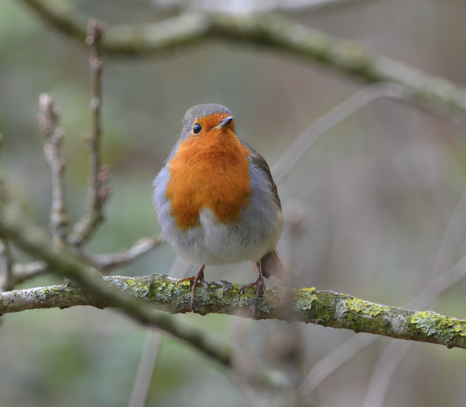
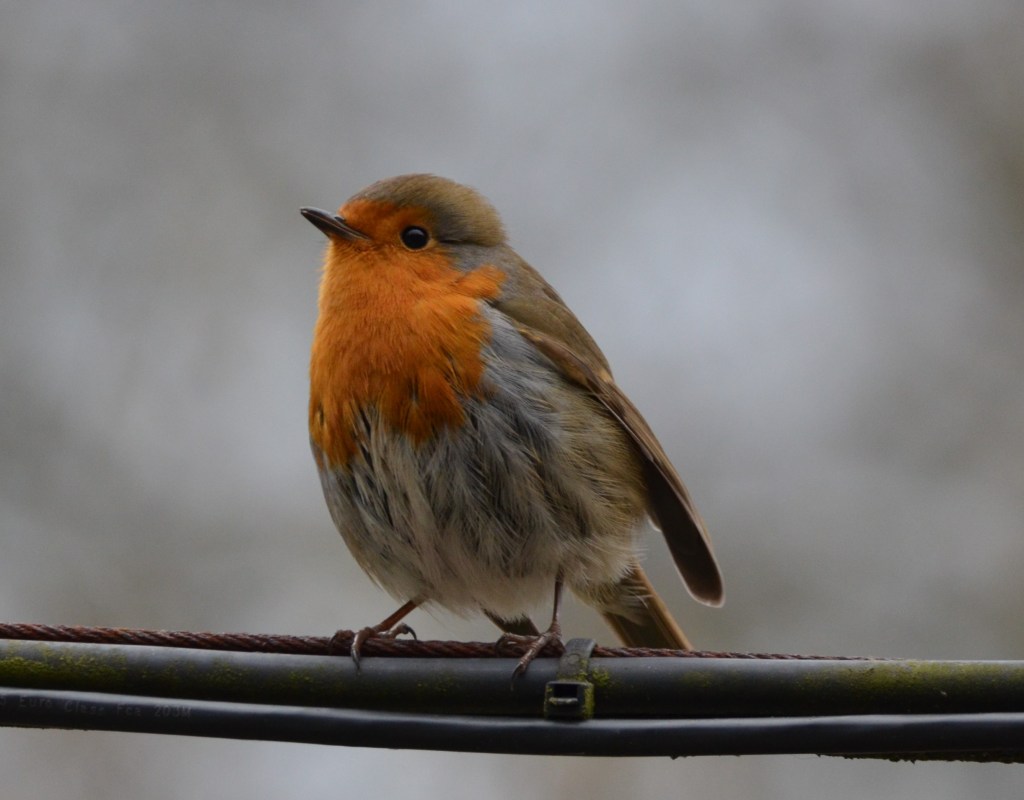
    The Grey wagtail flew off before it could be photographed although it – or perhaps another wagtail, we can’t be sure – appeared a little later on the roof of the old mill which is the one in the picture. While some birds are camera-shy, the same can’t be said of our old friend the Robin: a born star that just loves being photographed!

    Robin posing

    Robin posing for the camera

    The important stuff

    The Mill House café (Tŷ’r Felin) provided us with much needed sustenance after all that hard work. A cappuccino and a Chocolate Biscoff each soon restored our equilibrium!

  • At Heswall Beach

    (Sunday 21st December, 2025)

        This morning, we went across to Heswall Beach on the Wirral side of the Dee Estuary. The car park at the bottom of Riverbank Road was deserted when we arrived, which may have been down to the weather: although it was dry and the temperature was a reasonable 8°C, there was an easterly wind making its presence known. And this wind was sufficiently icy to keep people indoors, apart from one or two brave souls.

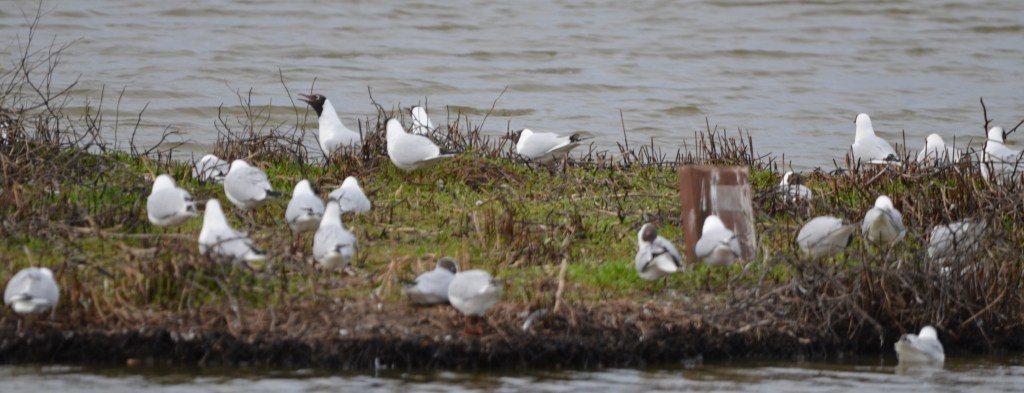
    Black-headed gull on waymarker

        Black-headed gull on waymarker

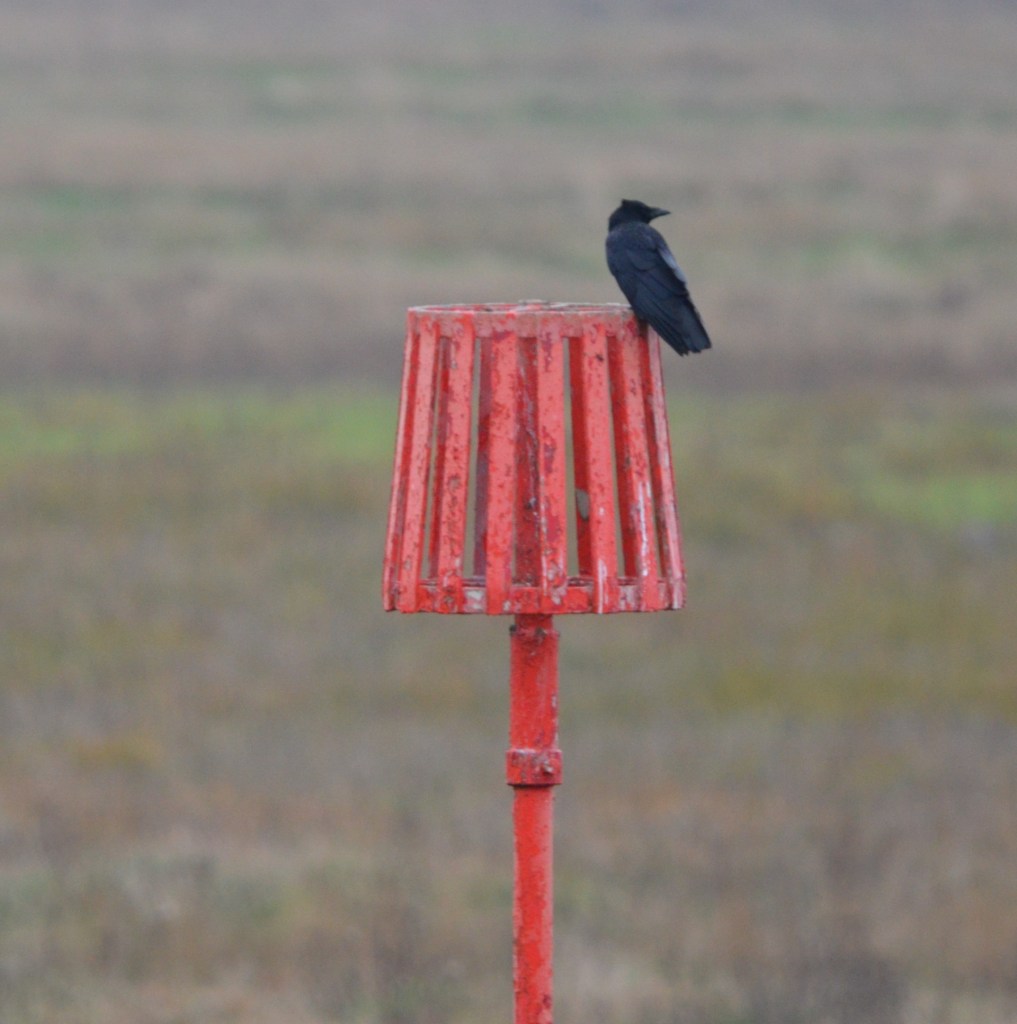
    Usurping Carrion crow

    …later dethroned by a usurping Carrion crow

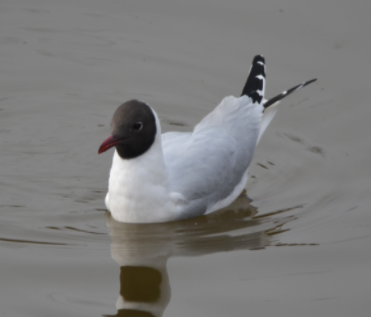
    Anyway, there was a single Black-headed gull (in winter plumage) which seemed impervious to the weather and spent a good deal of time perched on top of the red waymarker on the beach. (Well, I’m referring to the wooden structure that resembles a lampshade, which I’m guessing is some sort of waymarker or indicator – and on which the gull seemed quite content until it was later dislodged by a pugnacious Carrion crow).

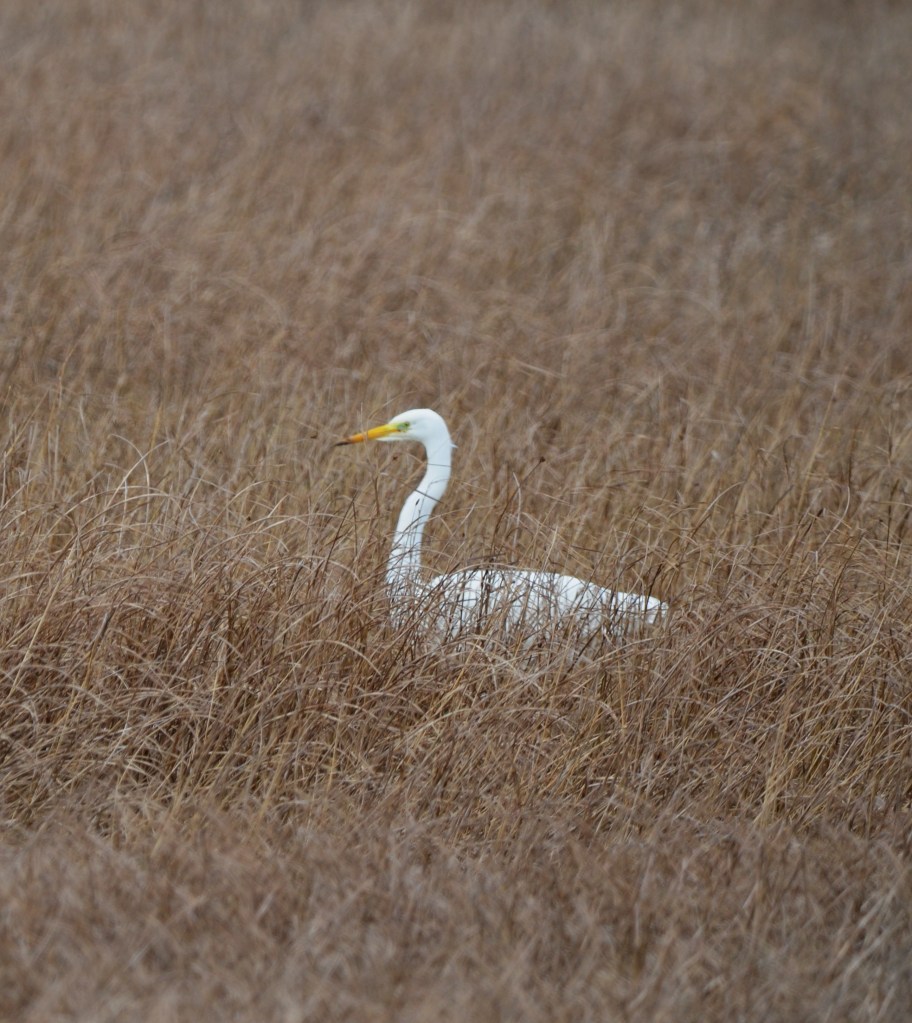
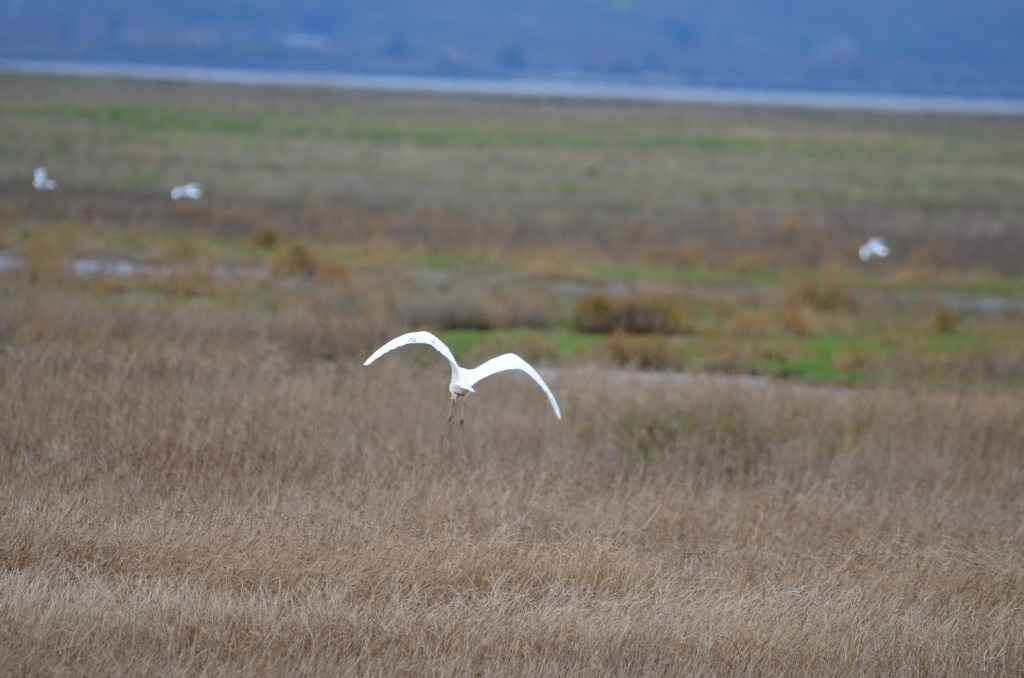
    Little egrets mooching

       Little egrets

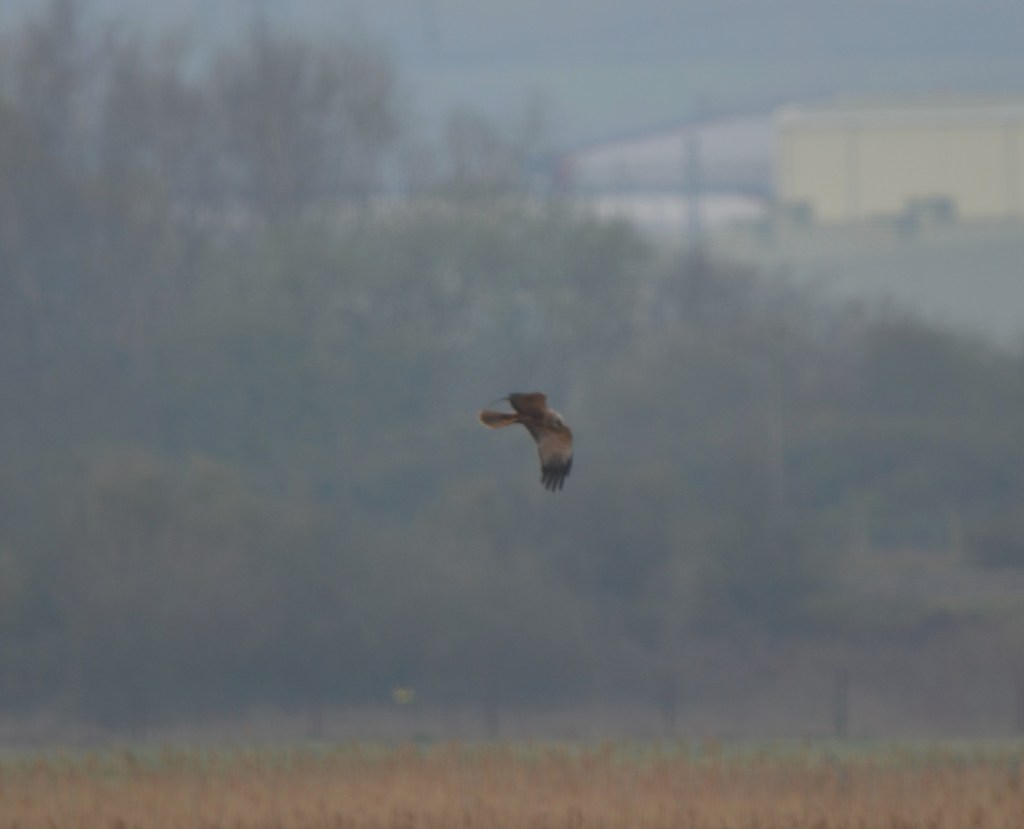
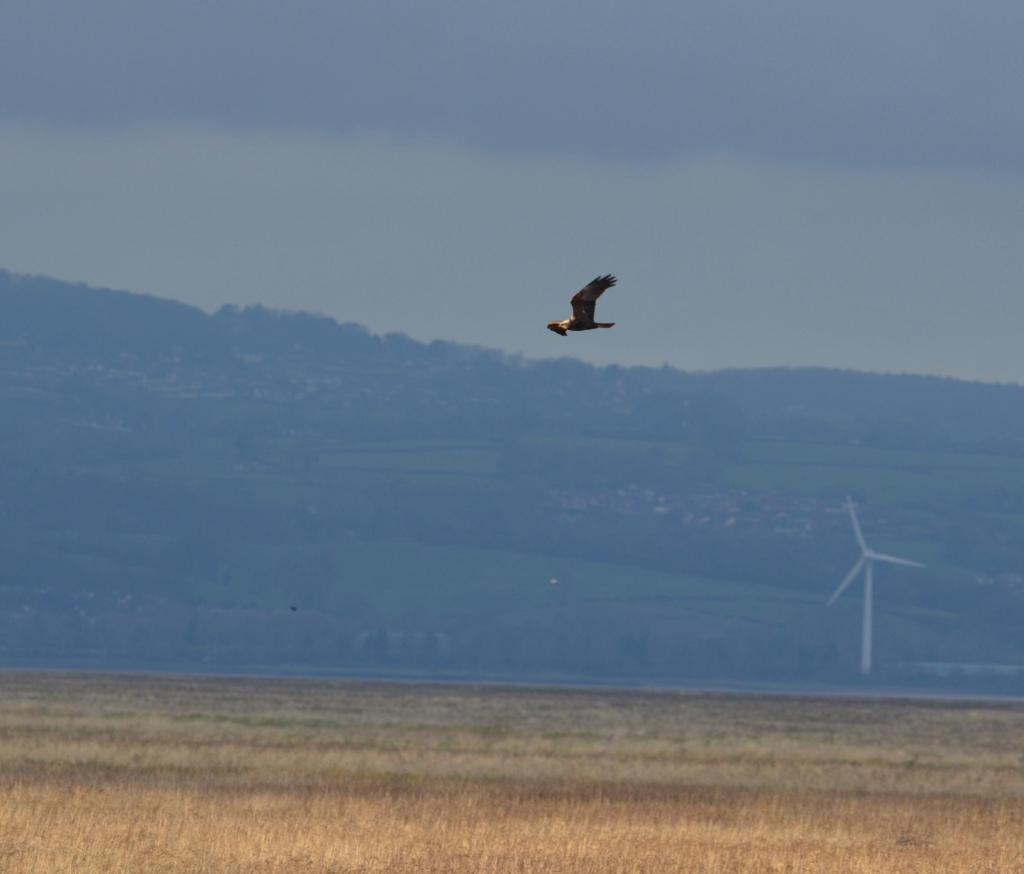
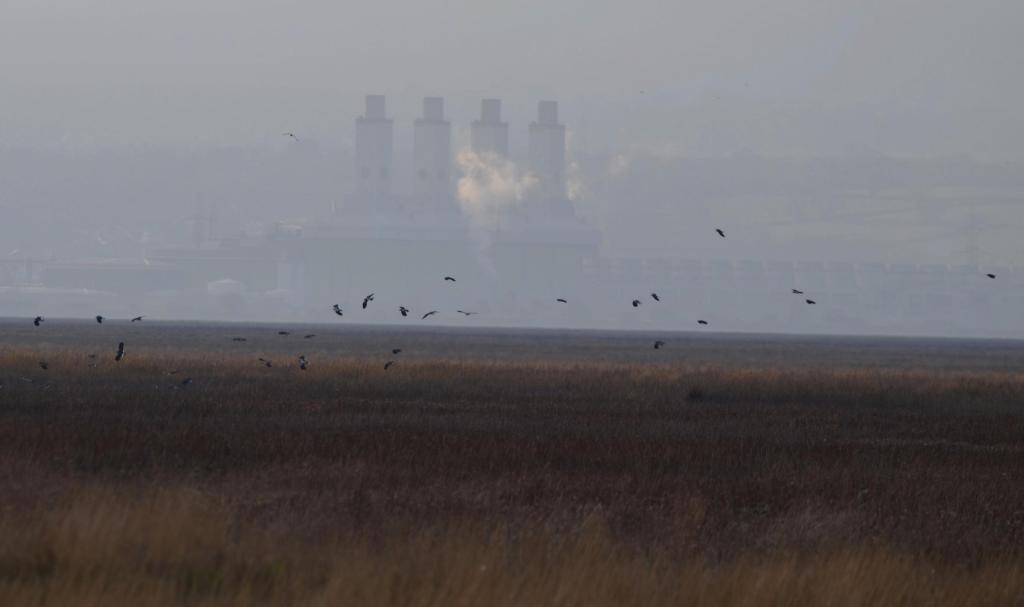
    There were some Little egrets mooching about along the channel several metres out and several Carrion crows foraged individually here and there. At one point, a Marsh harrier emerged briefly from the thin mist and quickly disappeared inland.

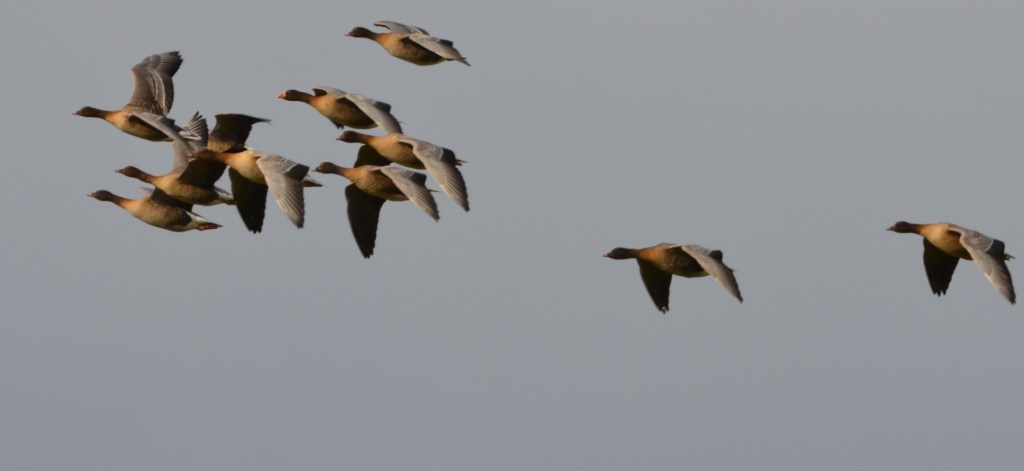
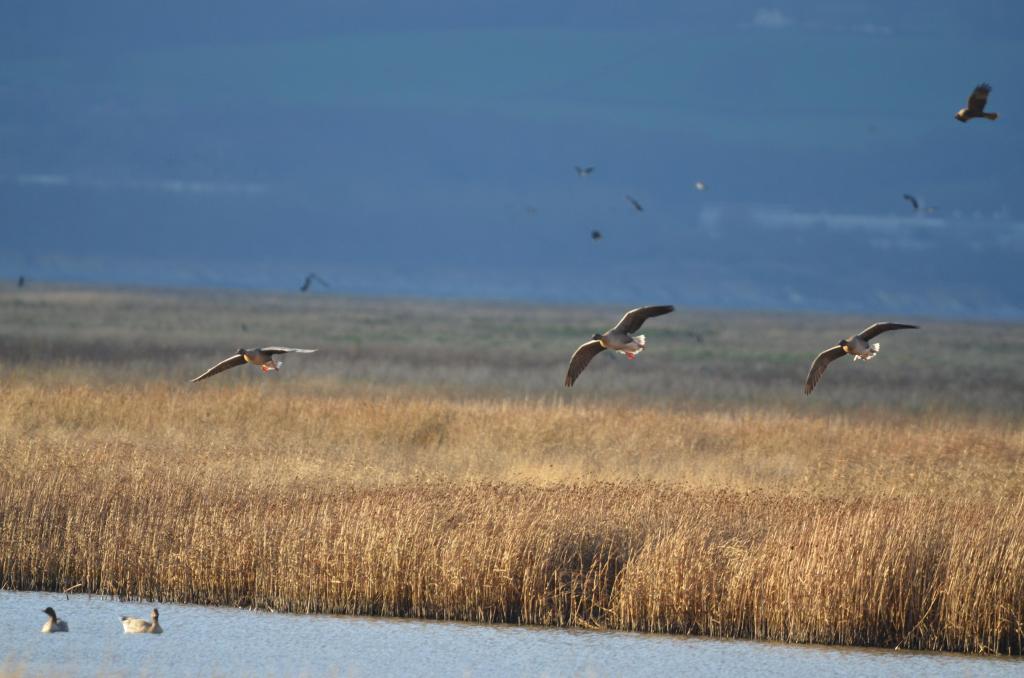
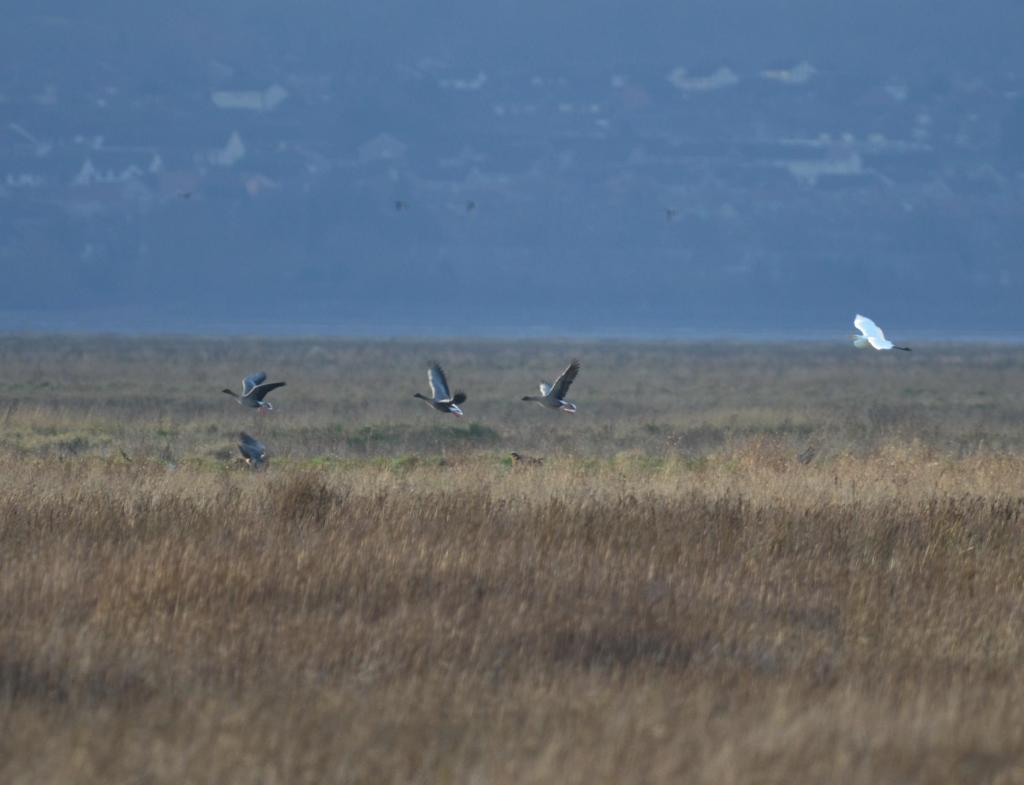
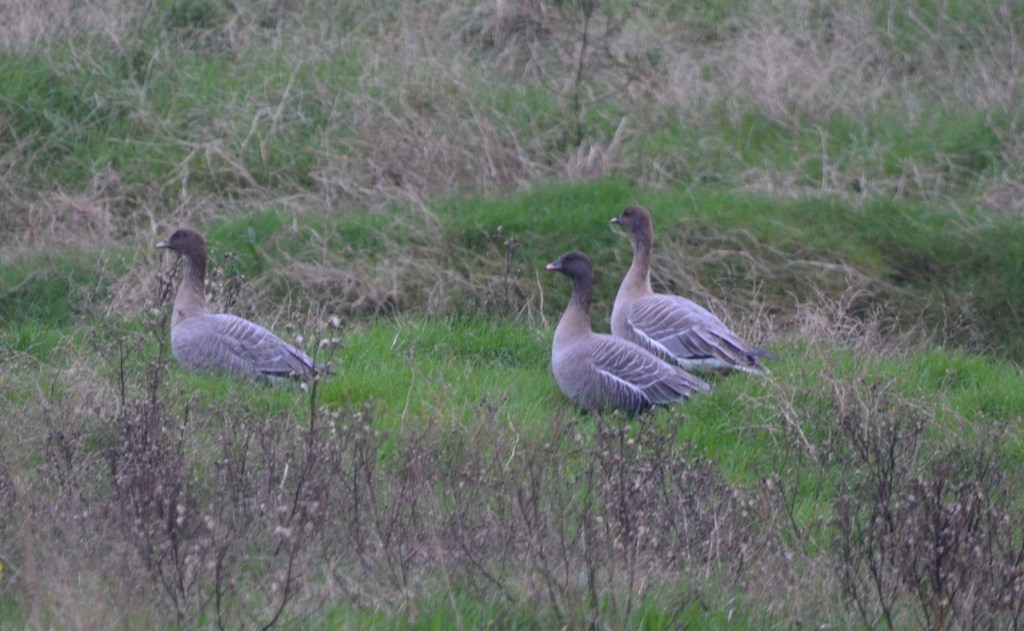
    Pink-footed geese

    Pink-footed geese

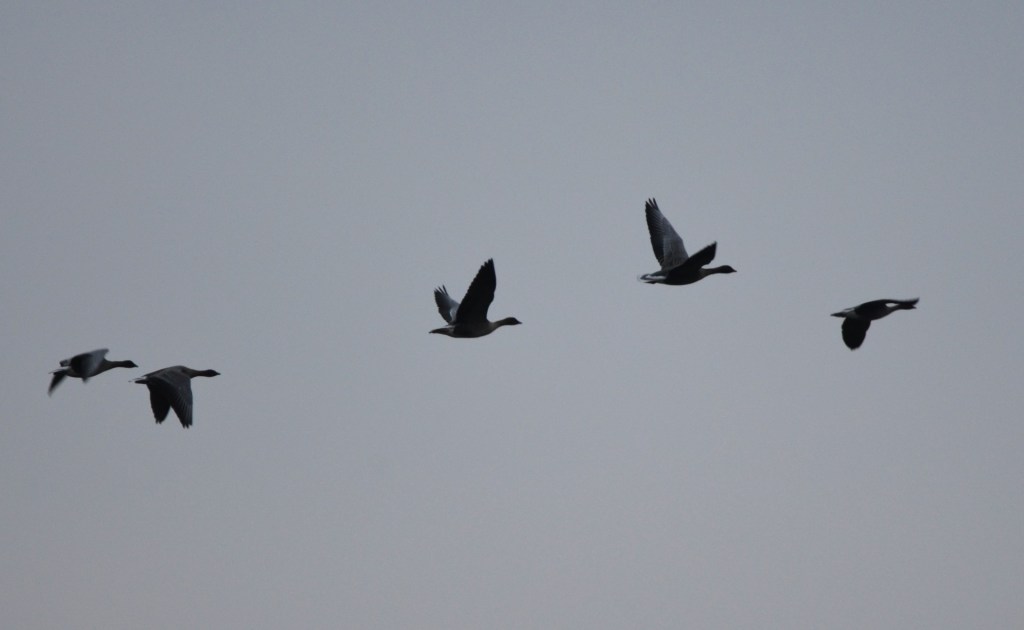
    Pink-footed geese flying

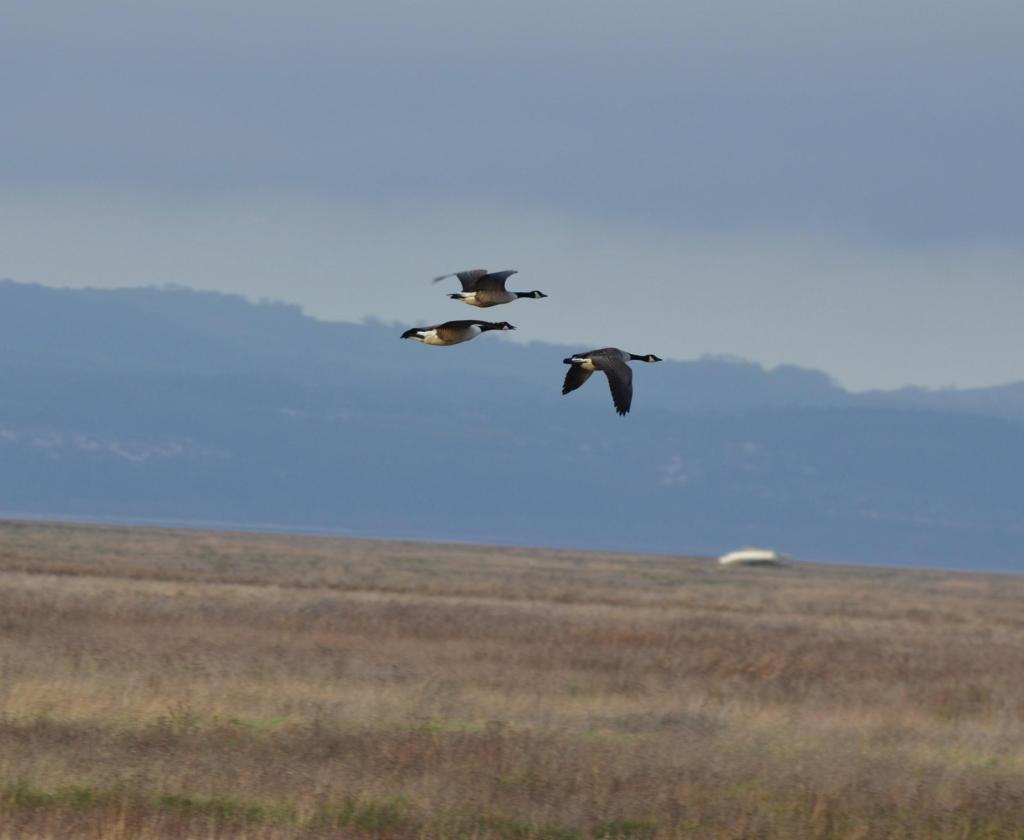
    We saw several Pink-footed geese nearby. These were resting on the ground about 30 metres out but every now and then they’d take off – presumably to their roosting place. Pink-footed geese are used to the cold conditions of Iceland and Greenland but spend their winters in the United Kingdom. They are known to be wary birds so it’s probable that we inadvertently disturbed them with our presence. In fact, we saw quite a few geese flocks flying across the estuary although most were too far away for us to establish which species they were. As we’ve mentioned elsewhere in the blog, the area is vast, and today this vastness seemed to be emphasised by the general quietness.

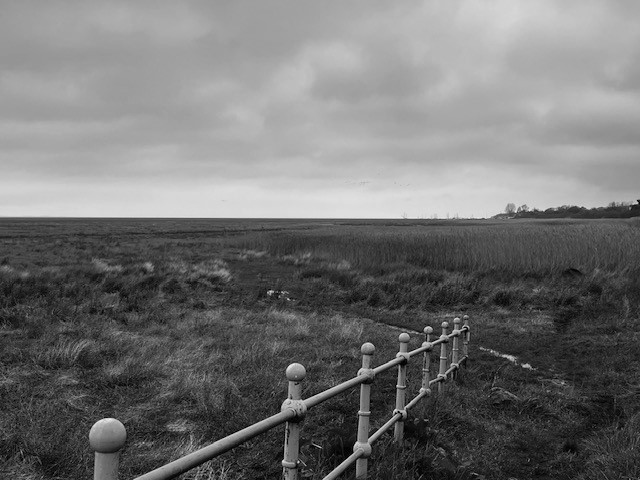
    Heswall Beach

        Heswall Beachas you can see, the wildlife was having a duvet day

    After an hour or so, we decided to call it a day: the wildlife just didn’t seem to want to drag themselves out today, and we couldn’t blame them really. So we headed back towards Chester Road and detoured via Boathouse Lane to Parkgate. Here, we again saw geese flocking over the Dee Estuary – well, I did, while Stu drove. It was a nice little diversion before we eventually arrived at the Ness Gardens café. And it’s always a joy driving through these roads and lanes and seeing the old sandstone buildings which are characteristic of the area.

    The important stuff

    As we headed towards the Ness Gardens café, which is officially The Botanic Kitchen, we were serenaded by a Robin that was singing loudly from a small tree at the side of the path. (Blimey, they make some noise considering their size). Once we were inside though, and this will hardly surprise our regular readers, we each consumed a cup of cappuccino and a slice of Bakewell. Lovely!