Blog

  • Bird-ringing at Ness Gardens

    (Wednesday 13th August, 2025)

        Over to Ness Botanical Gardens today for the bird-ringing demonstration being held by the Merseyside Ringing Group. The team had set up mist nets between poles on known or suspected flight paths earlier in the morning, and these nets enable the birds to be caught safely. Each bird is identified by species, sexed (although this is often quite difficult with young birds), weighed, measured from shoulder to wing-tip, and tagged with a unique identifying ring, which is placed around one of their legs. Similar data is recorded for those birds that have been ringed previously and, in this way, a picture can be built up of the behaviours, migratory patterns, population size and general health of the various species of birds.

        Above: Greenfinch and Great tit being held prior to release

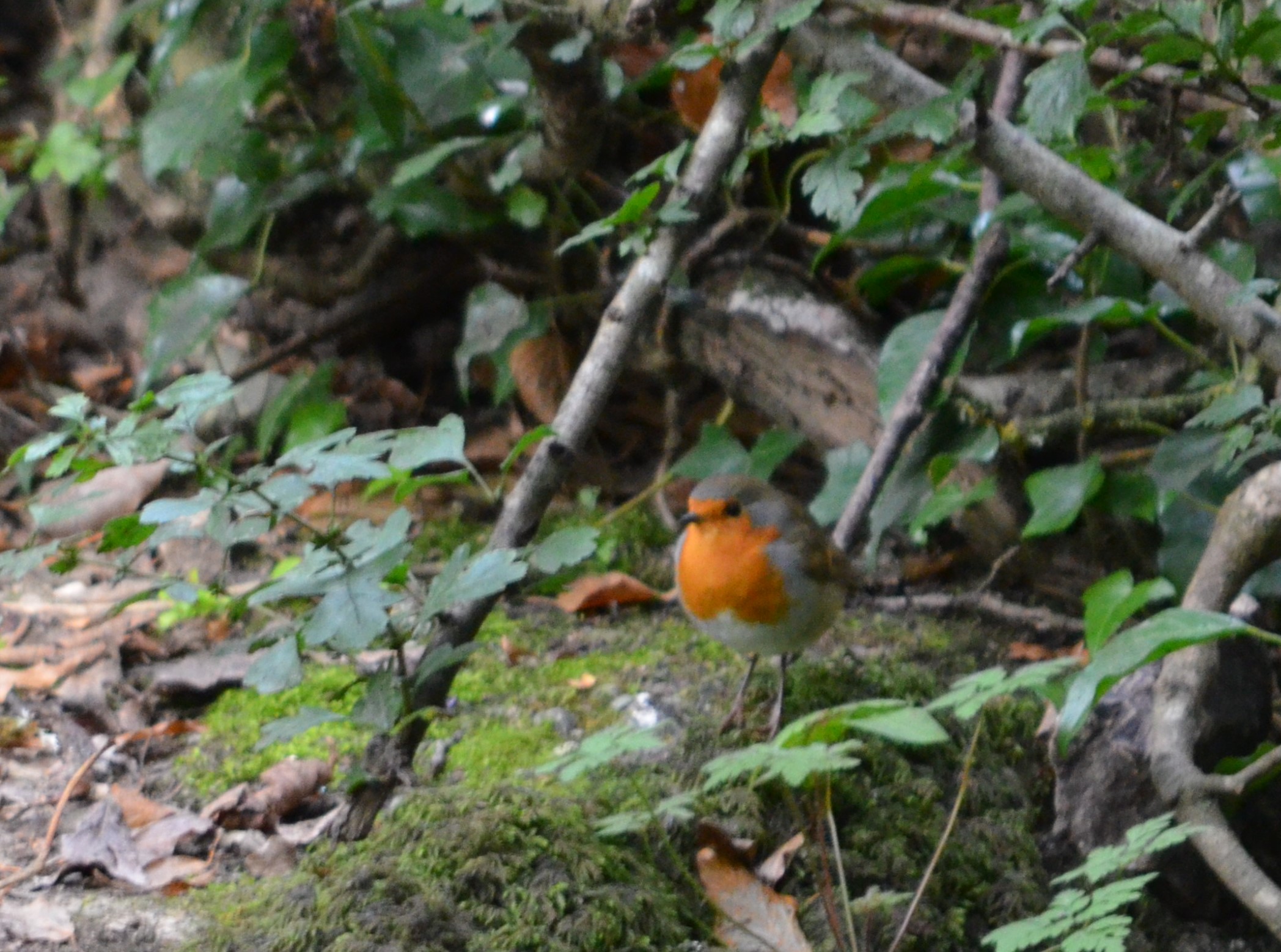
    Quite a variety of birds were captured, including Blue tit, Great tit, Greenfinch, Chaffinch, Blackcap, Chiff-chaff, Dunnock, Blackbird and a Robin. The Ringing Group were all very knowledgeable and engaging, each patiently instructing various members of the audience on how to safely hold the birds and to safely release them back into their habitat. Sometimes, a bird may be temporarily disorientated, which is why you’re advised to offer a supporting hand beneath them, in case they should fall. When I released the Robin, for example, it remained in my supporting hand for a few seconds before eventually flying off. It was great to see the pleasure on people’s faces – young and old – as they held the birds then released them. Pure joy, really!

        Above: Chaffinch and Robin

    If you do get the chance to attend a bird-ringing demonstration, you’ll find that not only do you get to see birds in close-up, but that you learn more about them through this close attention. For instance, I didn’t know how fond of blackberries the Blackcap is, until one of the bird-ringers smoothed back a male Blackcap’s feathers on its belly: this revealed the dark stain of blackberries on the bird’s skin beneath, and we could see the evidence on the bird-ringer’s fingers as well!
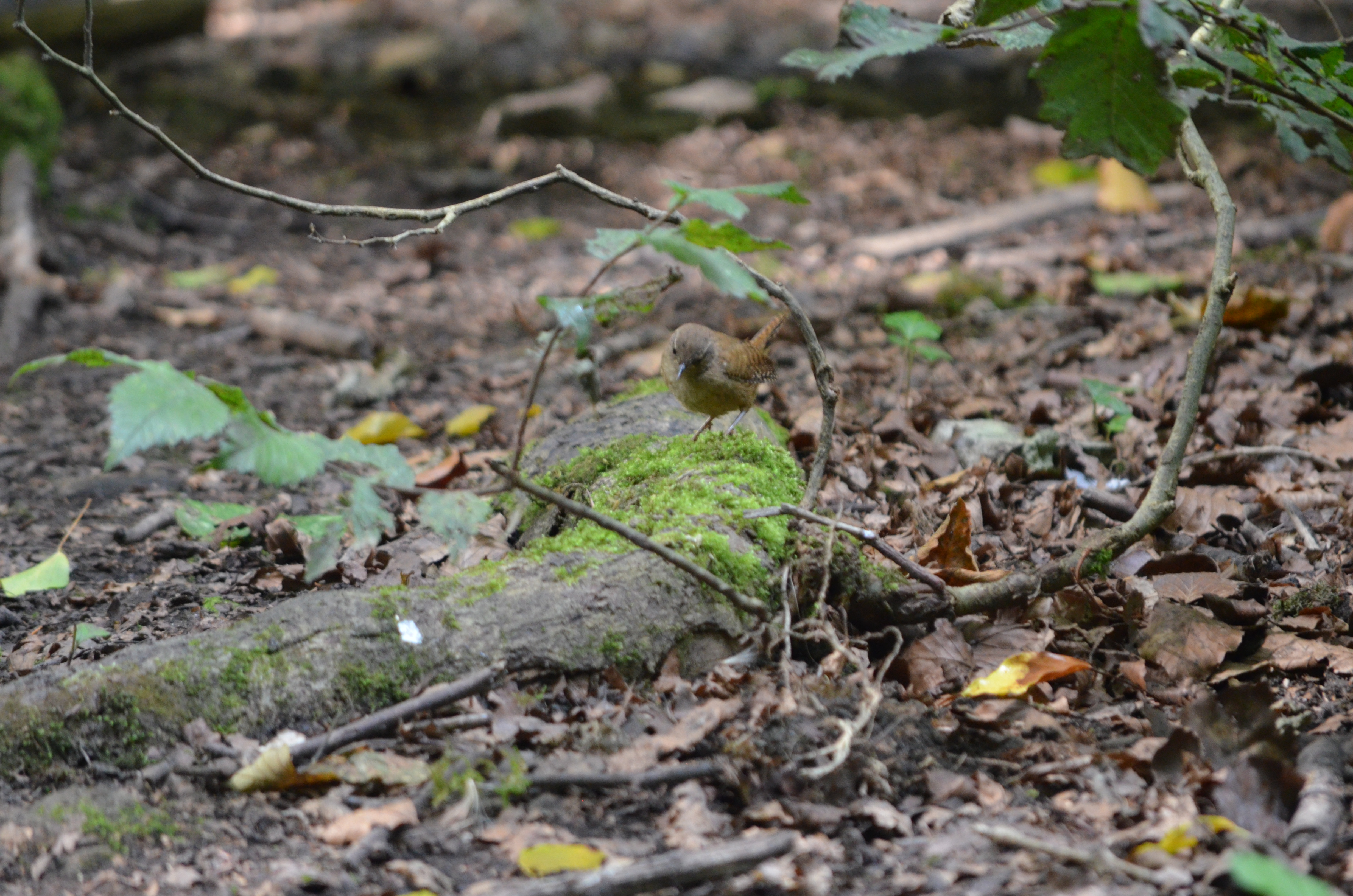
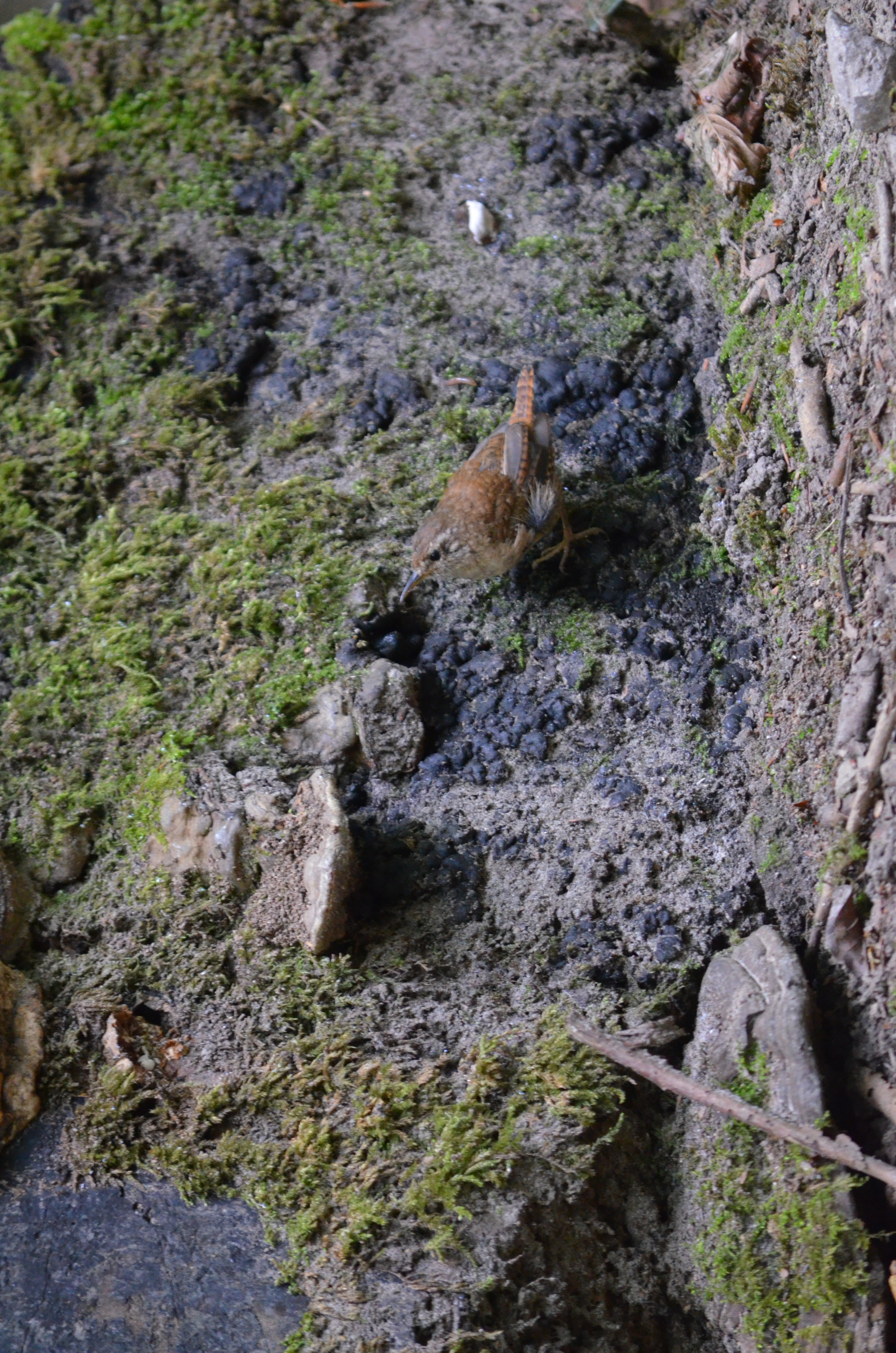
        Above: Blackcap (male)

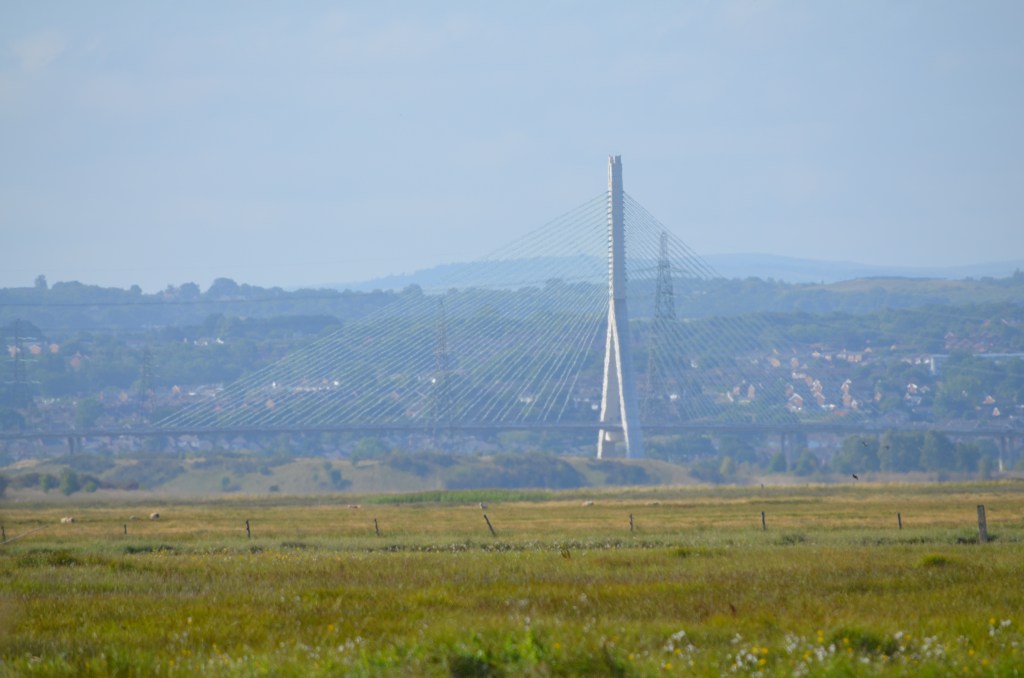
    Although we did go up to the viewing point for a few minutes, to look across at the Welsh hills, it was a very hot and sunny day (26°C). This was fine while we were in the shade, but not so bearable out in the open.

    The important stuff

    The café was very busy here today – there were several other events on at the same time (it was Celebrating Nature Day at Ness Gardens today) – and the extra bodies were adding to the general heat. We decided to chance it and drove down to Burtons at the Manor in Burton village. We managed to park and we sat outside, sipping our cappuccinos and chomping on Orange Clementine Cake (Stu) and Victoria Sponge (Col). Marvellous!   

  • The Delights of the Donkey Stand

    (Sunday 10th August, 2025)

        Over to Parkgate this morning, parking at the Old Baths Car Park. Today is the last day to submit data for the 2025 Big Butterfly Count, so perhaps we were looking more closely than usual, but we saw lots of Small white butterflies and Large white butterflies flying in the warm sunshine and at Parkgate Marsh this morning. This year shows much more promise than last year, which was a bit of a wash-out due to the wet spring, and hopefully this will be reflected in healthier numbers once the 2025 butterfly count comes in.

        A lovely day today with very little breeze, and one of the delights here on such days is the expansive view: the green grasses of the marsh itself seem to go right across to the Welsh side of the Dee, the river barely visible; and the vast blue sky over which a giant watercolour brush has swept and left its marks…well, let’s be honest, I can only do a disservice to the beauty of it all, so I’ll stop there – but you get the idea!

    Small white butterfly female

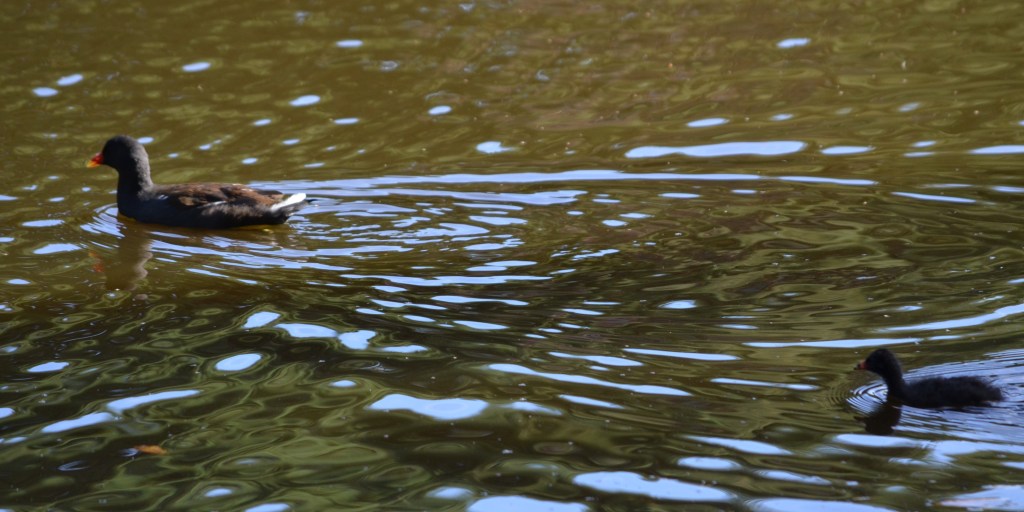
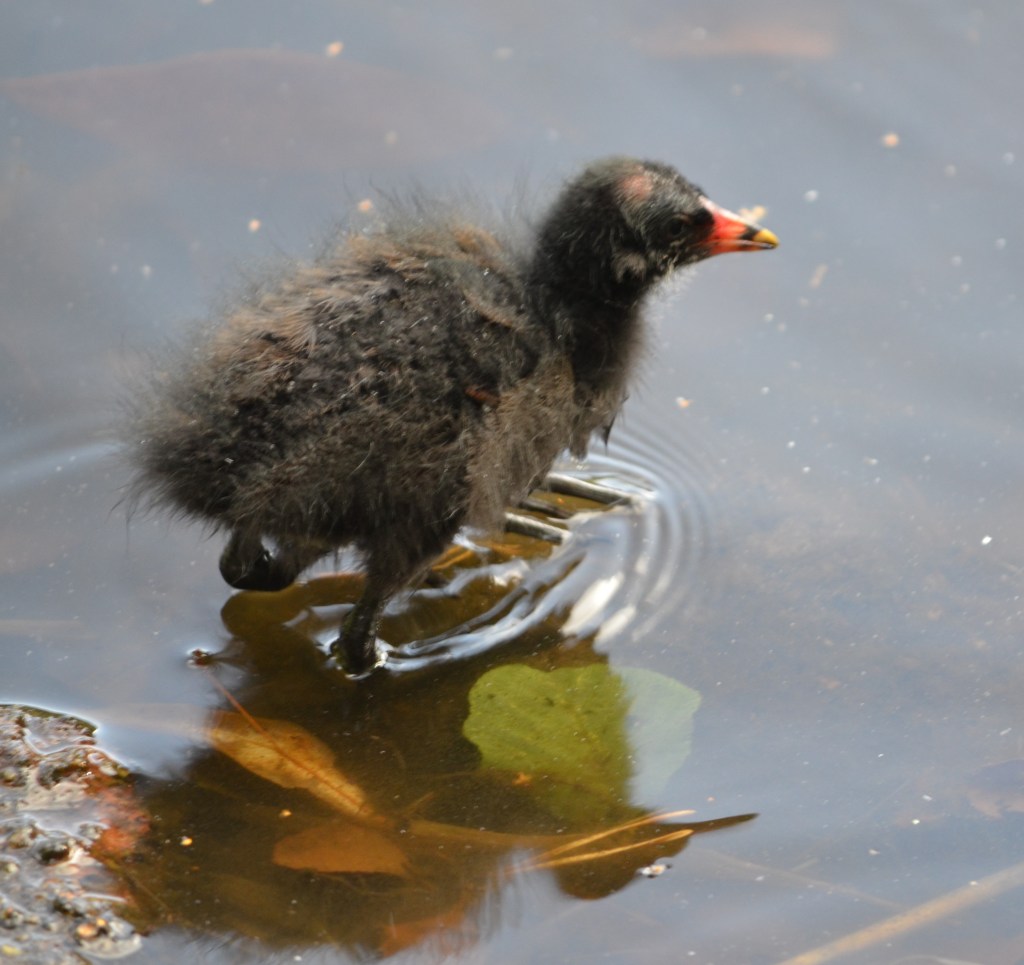
        A female Small white butterfly very obligingly presented itself for a picture just at this moment. We sauntered down to The Donkey Stand, which is so named because it was where, in former times, children climbed aboard the donkeys that would take them from here to The South Slip and back (where the Old Quay pub is now). We usually head to The Donkey Stand as, not only are there benches on which to rest one’s personality, but it’s also a great viewpoint for the nearby stretch of water (or ‘flash’ as it’s sometimes called), which attracts birds even on quiet days. As we arrived at the benches, we spotted a pair of juvenile Moorhens trying, not very successfully, to move surreptitiously towards their much better-concealed parents on the marsh.

    Godwits, Avocets and Greenshanks
    Reflective Little Egret

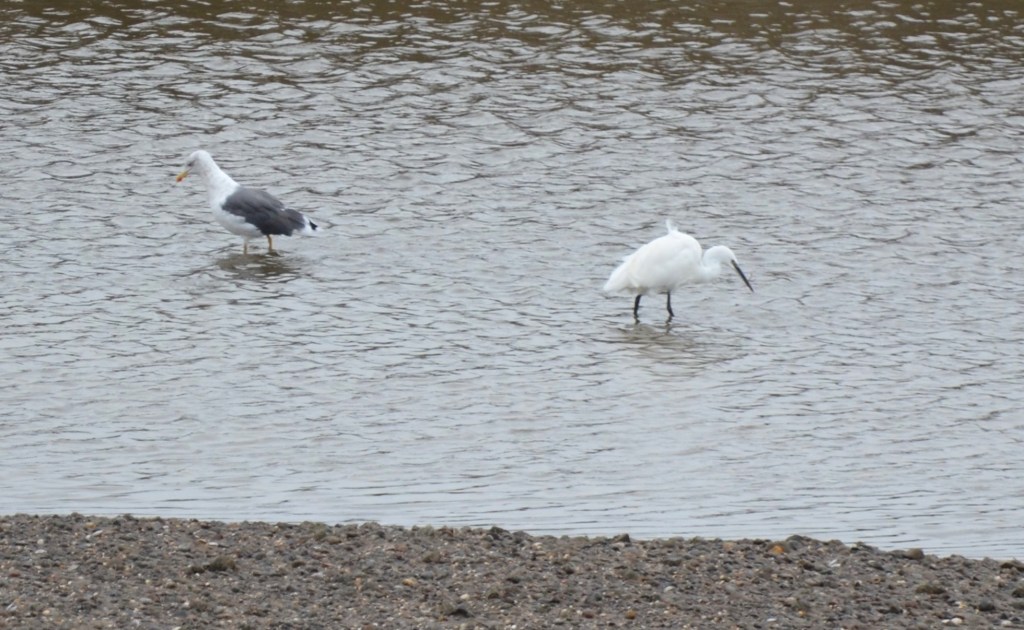
        There was an abundance of birds on the flash: Black-tailed Godwits, many with their lovely, burnished undersides, Avocets and Greenshanks were all wading in the shallows. On the isle in the middle of the water, a Little egret preened itself while a pair of Oystercatchers kept an eye on it. There were in fact three Little egrets that seemed to alternate between preening and suddenly marching through the water in search of food: the abruptness of their actions caused a little consternation with the other birds, who moved out of the way just as abruptly. Away from the main body of birds were two Lesser black-backed gulls, and it was noticeable that the egrets automatically avoided getting too close to these large gulls! (Later, all three Little egrets were on the distant shore when a Great white egret flew in. They scattered in different directions and I’m guessing that it was the suddenness of the Great white’s arrival that startled them, and not outright fear of being attacked).

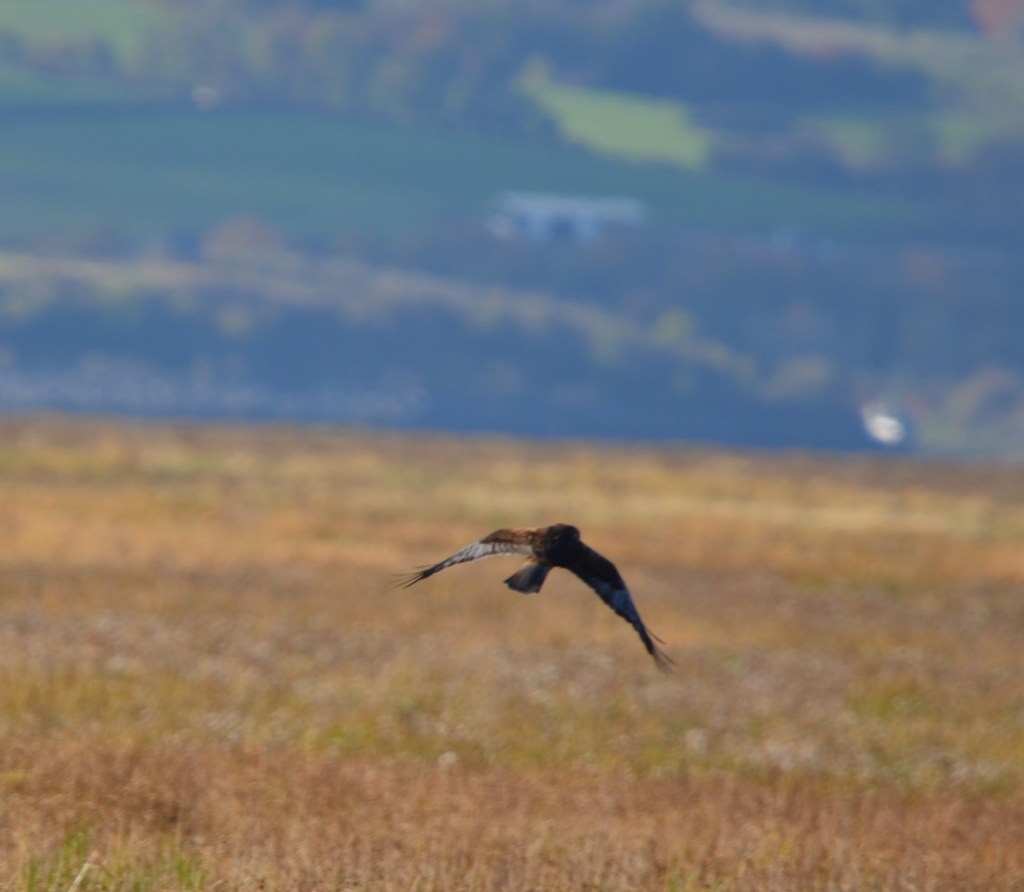
        Stu brought my attention to a Marsh harrier that appeared out of nowhere, flying over the water. It continued its low flight, sweeping across large swathes of the marsh until just as quickly disappearing from sight. We’d seen a Marsh harrier last week at Burton Wetlands, although only briefly. This one returned twice again and stayed around long enough for a photograph – it looks like a female, though I may be wrong. One of its appearances caused the Bar-tailed godwits and the Avocets to take to the air.  

    The important stuff

    After all this hard work, we sat on the bench outside Nicholls of Parkgate, on the opposite side of the road, and sipped our Cappuccinos, munching on Borders chocolate ginger biscuits. Ah! Bliss!      

  • Bittersweet Memories

    (Sunday 3rd August, 2025)

        Over to RSPB Burton Mere Wetlands today and, even though we arrived shortly after 9:00 am, it was already busy. We had been informed that there was a flock of Yellow wagtails in one of the fields inland from the Bunker Hide, so we headed through the south-easterly gate and, just past the hide, we joined several folks who were each aiming cameras, binoculars or ‘scopes at a small herd of cattle in the nearby field. Of course, everyone was actually focussing on the tiny Yellow wagtails next to the cattle: these were darting about, collecting grubs and insects from around the ground that had been disturbed by the cows’ movements. Most of the cows were lying down predicting rainfall, but the wagtails were busily hopping about regardless. The birds were quite some distance away, so the photos aren’t great, but you can see the difference in scale. (The Yellow wagtail is to the bottom right of the picture).

    Yellow wagtail and cattle

        We moved on to the picnic area but didn’t stay long as a faint drizzle began to fall, so we sought somewhere a little less exposed to the elements. Retracing our route, we headed back to the Visitor Centre, emerging at the opposite side. Several Coal tits were retrieving snacks from the feeder as we passed. The drizzle having stopped now, we took a slow amble around the mere, seeing Mallards, Northern shovellers and Canada geese here and there. As we approached the reed screen, we could see what looked like a male Marsh harrier in the distance, although he (if a ‘he’) wasn’t around long enough to clearly identify, and quickly disappeared into the distance.     

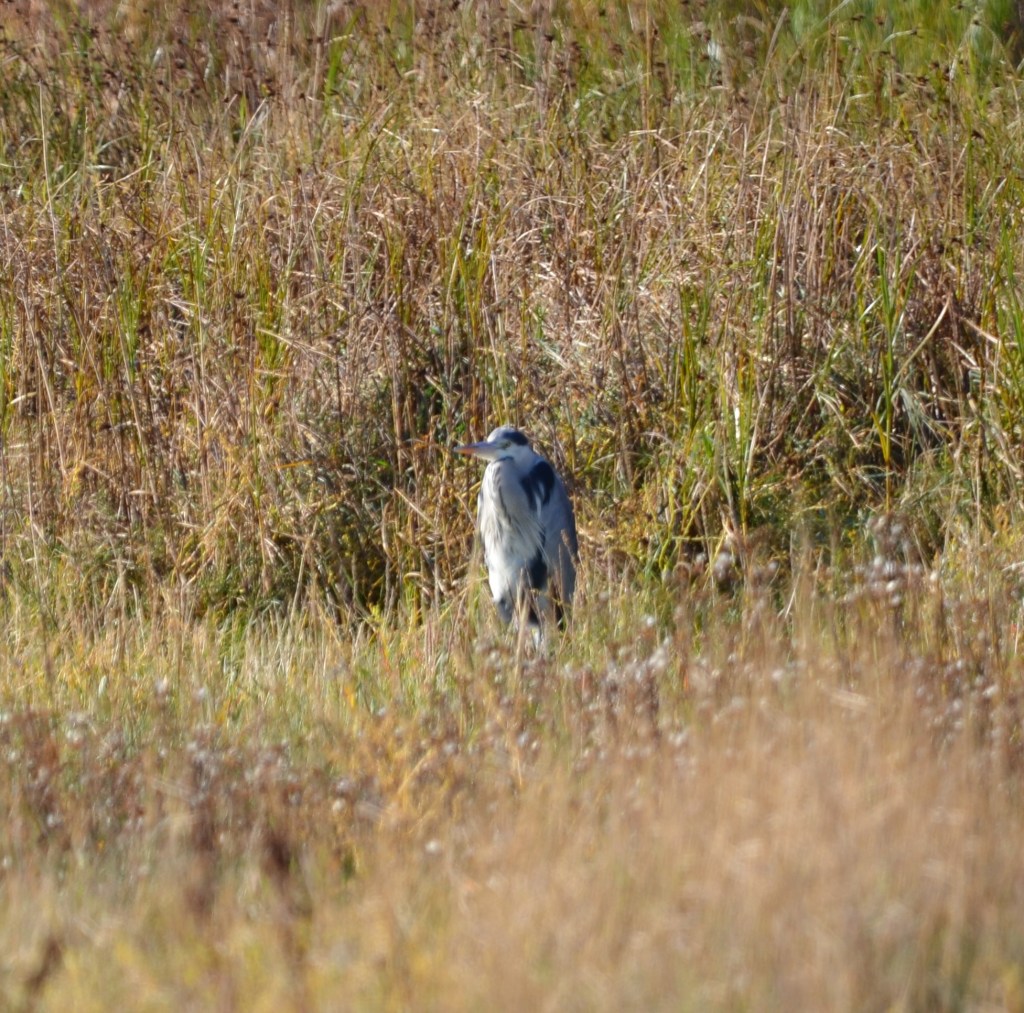
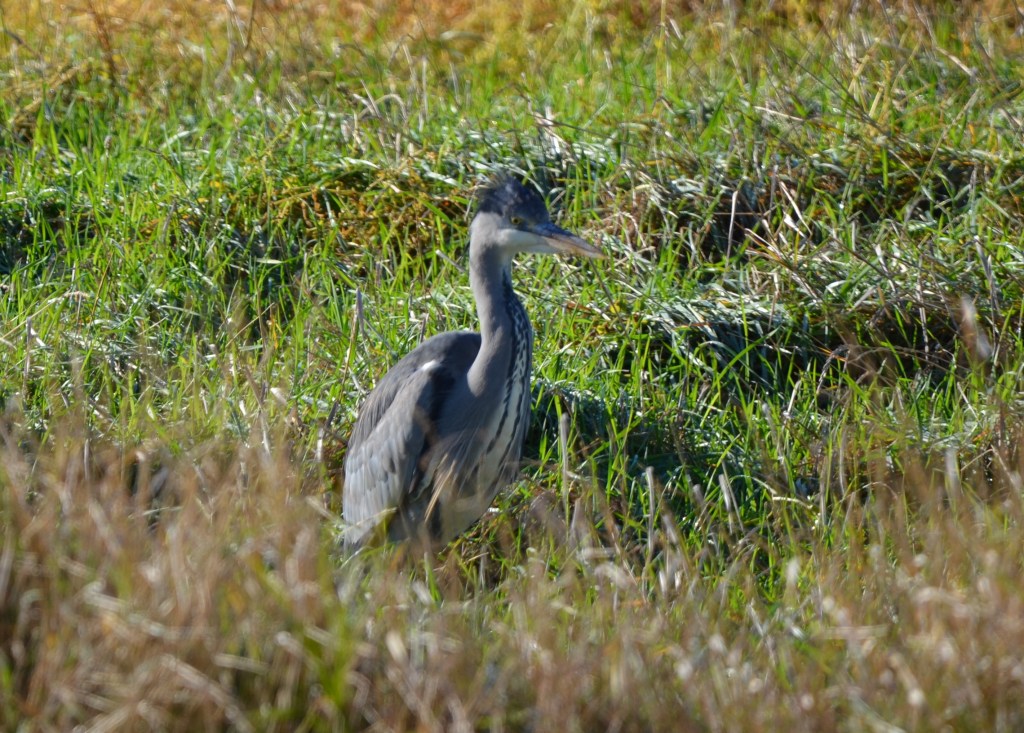
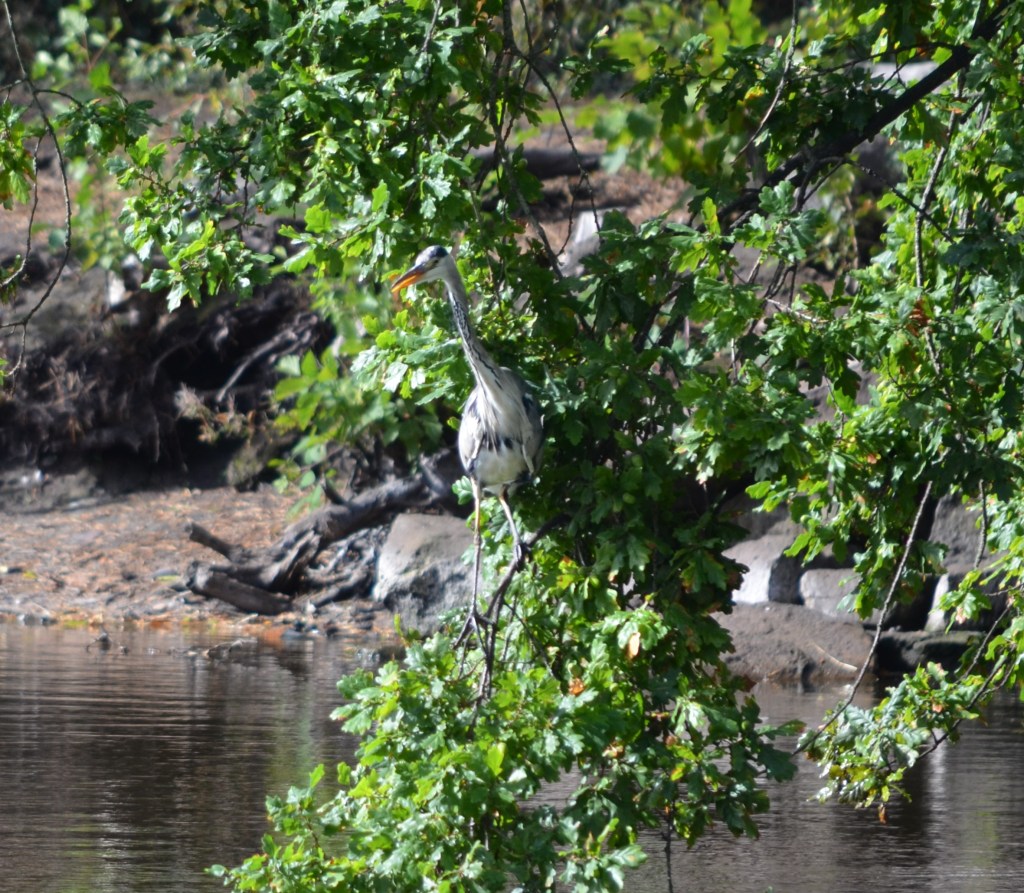
        There was plenty to be seen from the Border hide today, including Coots, Shelducks, Greenshanks, Moorhens, Black-tailed Godwits and Lapwings. Separately stalking the shallows on the far bank, were a Great white egret and a Grey Heron.

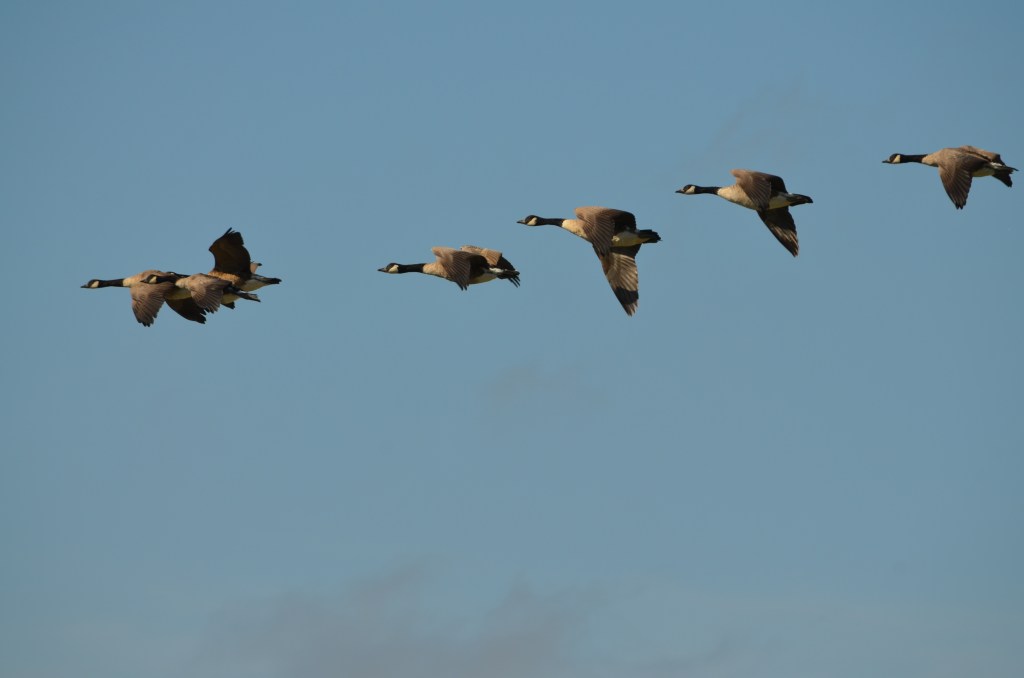
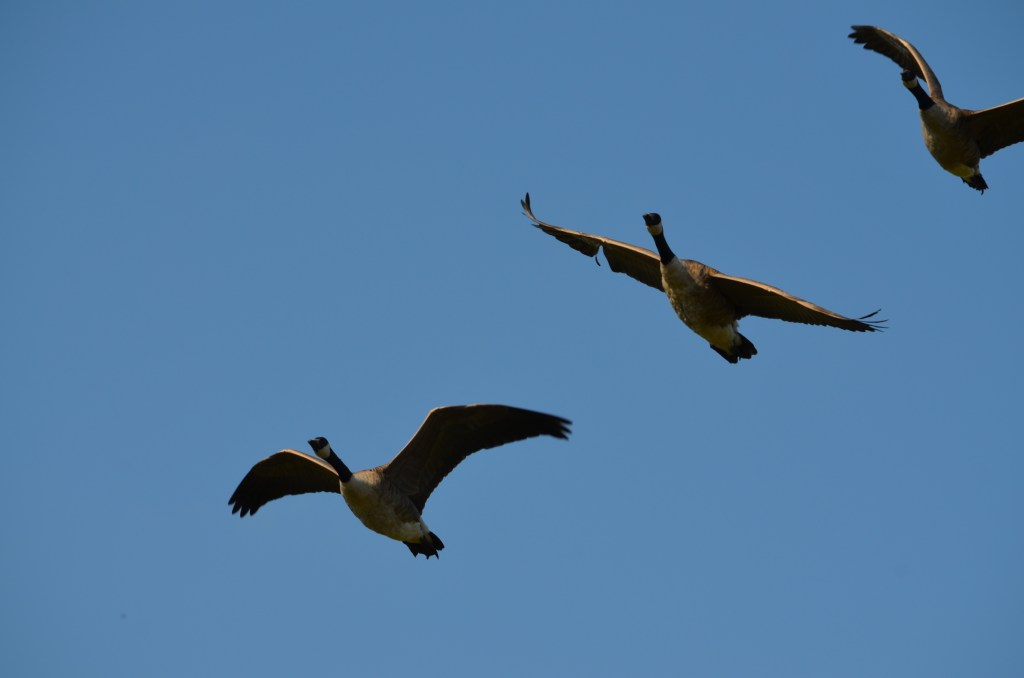
    Each bird studiously examined the fringes of its section of the pool before deftly stabbing below the surface for food. A little nearer by was a large gaggle of Greylag geese, quietly relaxing on the water. We noticed a completely white goose which was happily preening itself and feeding amongst them, and this was presumably a genetic throwback: apparently, the geese that were originally domesticated by humans were derived from the Greylag. As we made our way back, we saw a skein of Canada geese flying low, presumably coming into land, and Stu got a good picture of them I reckon.

    White Greylag
    Skein of Canada geese


    To the side of the path, we recognised the distinctive shape and colouring of a flower that we’d seen along this way previously. Its purple flowers are often swept back, which emphasises the protruding yellow stamens: to me, the flowerhead resembles a colourful throwing dart, but maybe that’s just me. I looked up the plant later and discovered that it’s called Bittersweet. The berries, while benefitting some birds such as thrushes, are poisonous to humans although historically parts of the plant were used medicinally. (The bitterness of the plant left a sweet aftertaste, hence its name). Perhaps more importantly, Bittersweet can intermingle with other climbing plants to offer dense shelter for animals and birds.

    The important stuff

    Back at the café, I had a toasted tea-cake with my cappuccino. Stu’s cake – a glorious pink and yellow concoction – looked unappetizingly high in sugar and saturated fats, although neither of us can remember what it was called. A mystery then, although I believe that he still went home and complained to his wife that he was hungry!

  • The River Vanishes

    (Sunday 27th July, 2025)

        We were at Loggerheads Country Park on what turned out to be quite a dullish day. Apart from a single Common crow, the park was absent of any avian sightings. In fact, there wasn’t any birdsong during the morning, which leads me to suspect that ‘moulting season’ has begun, which is when birds renew their feathers. Even if a bird is only partially shedding feathers, it’s flying ability can still be hampered, leaving it vulnerable to predators, so it won’t want to attract attention by making any noise while waiting for its new feathers to grow. It does seem unusual that every bird would moult at the same time, so perhaps they were all having a lazy day in the nest watching (muted) telly. Anyway, it was quiet.

        A contributory factor to the silence of the woods was the River Alyn which seemed to abruptly stop flowing just beyond the wooden bridge. No water, no insects – aquatic or aerial – and so no birds. We have witnessed this before[1] and it is peculiar to this area: the riverbed is limestone and has a lot of ‘swallow holes,’ and underground caves into which the water pours. From as far back as medieval times the area was being mined for lead, although the amount extracted greatly increased during the 1700s: the Leete Path takes its name from the artificial water course – or ‘leat’ (also spelled ‘leet’ or ‘lete’) which originally conducted water from the Alyn to the waterwheels that were used to power the mining machinery. During prolonged dry spells and high temperatures the Alyn appears to, well, disappear. It does resurface, so to speak, further downstream, ultimately discharging into the Dee Estuary near Bagillt. I highly recommend the Afonydd Cymru website, which has some fascinating information on the rivers of Wales, including the River Alyn:  https://afonyddcymru.org

    The important stuff

    After a while, we realised that it wasn’t just the Alyn’s riverbed that was dry, and we proceeded to Caffi Florence where we indulged in our usual cappuccinos and cakes. I had Orange Drizzle cake and Stu had a Chocolate Brownie. Lovely!


    [1] See Along the Leete 14th April, 2024

  • Spotted in the garden

    (Wednesday 23rd July, 2025)

    Seven-spotted ladybird

    Down to the garden for my customary post-work respite, and I found a Seven-spotted ladybird reposing on one of the coping stones of the lower wall. There were several Small white butterflies and a Large white at the bottom of the garden. There were a couple of Holly blues too: at first, I thought that it may have been the same one travelling the length and height of the ivy,

    but I was eventually disabused of this notion when I witnessed two of them spinning around each other, though I’m not sure whether they were bickering or flirting!

        As I watched these spinning butterflies, my line of vision was interrupted by what I’m fairly certain was a Meadow pipit scampering across the top of the two steps that descend to the lawn. Its markings were darker than the whiteish cream of the textbooks, and overall it was brownish although obviously mottled below. The tail was distinctive though the legs were more of a red hue than a pink. I’m sure it wasn’t a Tree pipit, although pipits are notoriously difficult to tell apart. (Well, they are for me).

        Later I watched our resident Goldfinch alight on the very top of a huge Norwegian spruce in a neighbouring garden, which towers above all of the trees nearby. Uncharacteristically for this Goldfinch, he remained silent but watchful until he suddenly launched himself from his perch and dived towards the ground, but his descent was quickly screened by the border foliage, so I didn’t see the result of this kamikaze leap.[1]


    [1] I’m pleased to say that Mr. Goldfinch re-appeared the next evening and sang from his customary perch at the end of the television aerial. He practised his scales for a while and then flew off – no mad diving this time!

  • A hot day at Burton Mere

    (Sunday 13th July, 2025)

        I went across to Burton Mere Wetlands today. It was a hot 28°C but slightly cooler than yesterday’s 32°C. Naturally, there were lots of birds at the Wetlands including Canada geese, Greylag geese, Mallards, Moorhens, Shovellers, Shelducks, Black-headed gulls and Avocets. There were also a few Black-tailed godwits and lots of Knots at the Scrape, and both species were in their stunning brick-red summer attire; and from the Border hide I saw what looked like several hundred Lapwings.

        I’m certain I missed many more bird species: I have to admit that my attention was more focussed on the number and variety of butterflies on display. Because the butterfly number was so low in the UK last year, it’s been very comforting to see how much more numerous they are this year. Today at the wetlands there were Small whites, Large whites, Red admirals, Speckled woods, Small tortoiseshells, Commas, and Meadow browns.

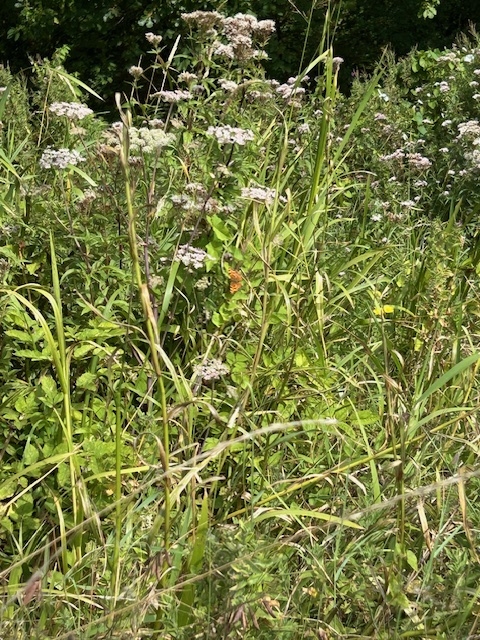
        All of these moths and butterflies – and various bees, hoverflies and other insects – are drawn to the various plants of the marshland. The Meadowsweet is a lovely, creamy colour and smells wonderful (well, it’s there in its name of course); and Tufted vetch is particularly abundant at present. There is clover – both red, and white – and Red campion as well as many, many more wildflowers and plants that play their part in attracting these pollinators. In fact, visitors (adults and children) are encouraged to look and see what’s around them.

        I noticed several large, light-brown mushrooms at the base of a dead tree just off one of the paths. For all that I’m a fun guy, I know very little about fungi (oh dear…!) so I had to look these up later. The mushrooms are known as ‘Dryad’s saddle’ which is a name that relates to supernatural beings from Ancient Greek mythology. I imagined these dryads (tree-nymphs) resting while taking a break from their usual activities, which are essentially dedicated to protecting the tree or trees in their charge. As you can see, the mushrooms grow one above another almost in ladder form, and I imagined the tree-nymphs had scampered up them to conceal themselves at my approach. It obviously worked because I didn’t see any at all that day!

        The visitor’s centre has a couple of whiteboards on which the current day’s sightings and the previous day’s sightings are listed. This is not just confined to birds, but also butterflies, moths, and plants and wildflowers. I think this is a great idea: inevitably, you miss things, so it’s good to check the boards. Not so much to see what you’ve missed, but more to give you an idea of the variety of flora and fauna that’s around you, just waiting for you to discover on your next visit. I’d seen a couple of Common blue damselflies and one Brown hawker dragonfly as I headed back from the Border hide, but only back at the visitor centre did I learn that the Five-spot burnet moth inhabited the area. And I only learnt this because somebody listed it on the whiteboard. Now I know, of course, you can guarantee that I’ll never see one here!   

    The important stuff

    I went to the café and had a lovely cup of tea and a slice of Sour Cherry and Pistachio cake, which left me fully restored after the morning’s exertions in the sun. Lovely!

  • Seven spots followed by a Comma

    (Thursday 10th July, 2025)

        In the garden for a brief break from work (meetings, meetings…) and it was incredible what I saw in ten minutes: I must have timed it right. First was a Holly blue: these small butterflies usually fly at head height, but this one flew over twice that height again. As I followed its haphazard trajectory, I noticed a red and black ladybird apparently munching away on an ivy leaf. Drawing closer, I saw it was a Seven-spot ladybird.


    I watched a Bumblebee (you can just see its bottom) and a much smaller bee extracting nectar from my Hosta plants which have recently bloomed a lovely pale purple. While I was doing so, something caught my vision and I turned to the hedge again. It was a Red admiral which very obligingly alighted on a leaf and spread out its wings to display its lovely markings.

        Two white butterflies then attracted my attention as they flew down the garden, spinning round each other. I thought they might be Large whites but I wasn’t sure, so I picked up my binoculars to get a closer look. Well, it’s difficult enough to follow birds in flight – particularly ‘flitters’ such as Swallows, Martins and Swifts – but trying to keep up with butterflies is a lot harder. Never mind this pair of butterflies (Large whites I can confirm), it was my head that was spinning. However, as I gave up chasing them, I spotted another Red admiral which was chilling out on the Buddleia at the far end of the garden.

        Once again, I reacted to movement and was amazed to see a Comma which landed on a bramble leaf nearby. This was only the second Comma I’ve ever seen, so I was pretty chuffed. On the way back in to the ‘office’, I saw another Holly blue flying high again, unless it was the same one as before. My short but well-earned break turned out to be a butterfly marvel!

  • Peacocks and Painted Ladies

    (Wednesday 9th July, 2025)

        It was still sunny here this evening so I went outside into the back yard to enjoy the warmth for a few moments. A Peacock butterfly evidently had the same desire, opening its wings as soon as it landed on the wall. When I say ‘on’ I mean it was on the surface of the wall rather than on the coping stones at the top, which you might expect. The Peacock was just hanging there vertically!

    Peacock butterfly on wall

    The wall is an old, rather wonky wall that reaches from the back of the house as far as the gate to the garden. It’s a west-facing wall and catches the sun (when it’s sunny) in the afternoons and evenings. I have several plants along it for that reason. Anyway, I managed to take a photograph, although it was with my phone’s camera, and not the best picture you will ever see.

        Only moments later, a Painted lady landed, but this time on the ground. I suppose it didn’t want to compete with the Peacock’s earlier acrobatics, but the Painted lady also spread out its wings obligingly for me. I was a bit slow off the mark this time however, so didn’t manage a photo. Mind you, that may be no bad thing, judging by the standard of the Peacock photograph!

        I was thrilled to see two different species of butterflies displaying their wings in quick succession, especially as they both just appeared in the back yard. It just shows you that sometimes you really don’t have to go far to see nature’s wonders.

  • Butterfly blues

     (Thursday 3rd July, 2025)

    Harlequin ladybird

    Down to the garden after work – I noticed a Harlequin ladybird on the brown bin lid as I went by. This one was a pale yellow with black spots, though what it was doing on the bin lid I have no idea. Jackdaws and Crows predominated today and both corvids were very voluble in their own raucous ways.

    My resident Robin appeared,

        hopping along the ridge of the fence to see what was to be seen, and three Goldfinch seemed to be tree-hopping, twittering as they did so.

        I watched excitedly as a large, yellow butterfly fluttered around the Buddleia at the far end of the garden, and then flew towards me before disappearing over the hedge. This was the first Brimstone I had seen for a couple of years. In fact, this was my first ever sighting of a male Brimstone, having only ever seen one Brimstone previously, which was the lime-green female. (The female was at the entrance to the path that edges the golf club, which is about half a mile away, although further away in time) I am so pleased to have seen one again. I’m not very knowledgeable about butterflies, but I believe the Brimstone is very scarce here in North Wales.

        It was certainly a day for butterflies: besides the Brimstone, there were a few solo, Green-veined whites, and a pair of Large whites twisting around each other as they flew over me to the other side of the hedge. And there was a Holly blue climbing up and down the ivy of the hedge, not unlike a bee in its rather haphazard flight. And I’m sure I saw a male Common blue. Certainly, it was a lot brighter blue than the  mauve-blue shade I associate with the Holly blue, but I was puzzled as this Common blue was flying up and along the high hedge – apparently it’s generally the Holly blue that flies high while other blue butterflies fly low. Unfortunately, I didn’t manage to photograph it so it will have to remain a ‘maybe’.

  • Bald as a Coot

    (Sunday 29th June, 2025)

        Over to Wirral Country Park this morning. The fierce westerlies of the last couple of days subsided overnight to leave just a faint breeze: very tranquil! We arrived at low tide, which meant that most of the birds had fed much earlier as it began receding, leaving only a few stragglers on Thurstaston beach. There was a Little egret paddling in one of the channels, and three Shelducks nearby. We heard Oystercatchers calling and there was the usual scattering of Common crows on the broad expanse.

    Juvenile Coot

    Above the beach, on the pond nearest the Wirral Way path, there were several Mallards and a pair of Coots with a juvenile shadowing them: unlike its parents, this youngster didn’t yet have the white beak and frontal ‘shield’ above the beak, nor the contrasting black plumage. Instead, its plumage is grey (and paler underneath), as is its beak.


    Coot and Mallard

    The beak and frontal shield change to white after about twelve months. The saying ‘as bald as a Coot’ is ascribed to this featherless section of the adult bird’s head. If you didn’t know this already, now you do!

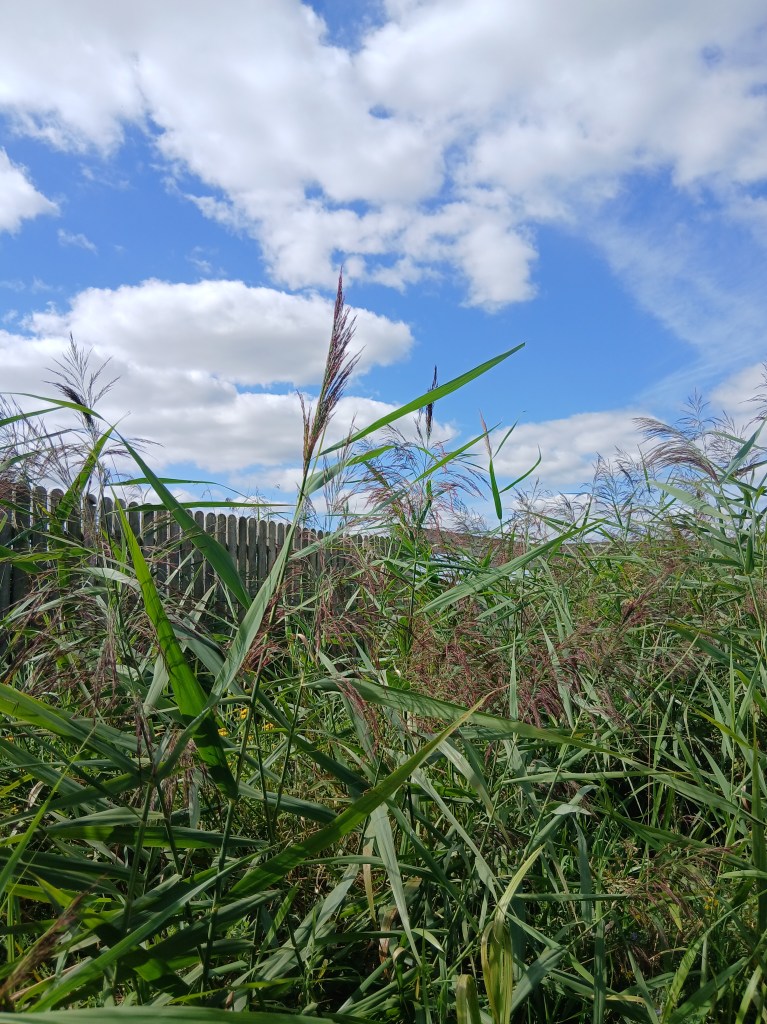
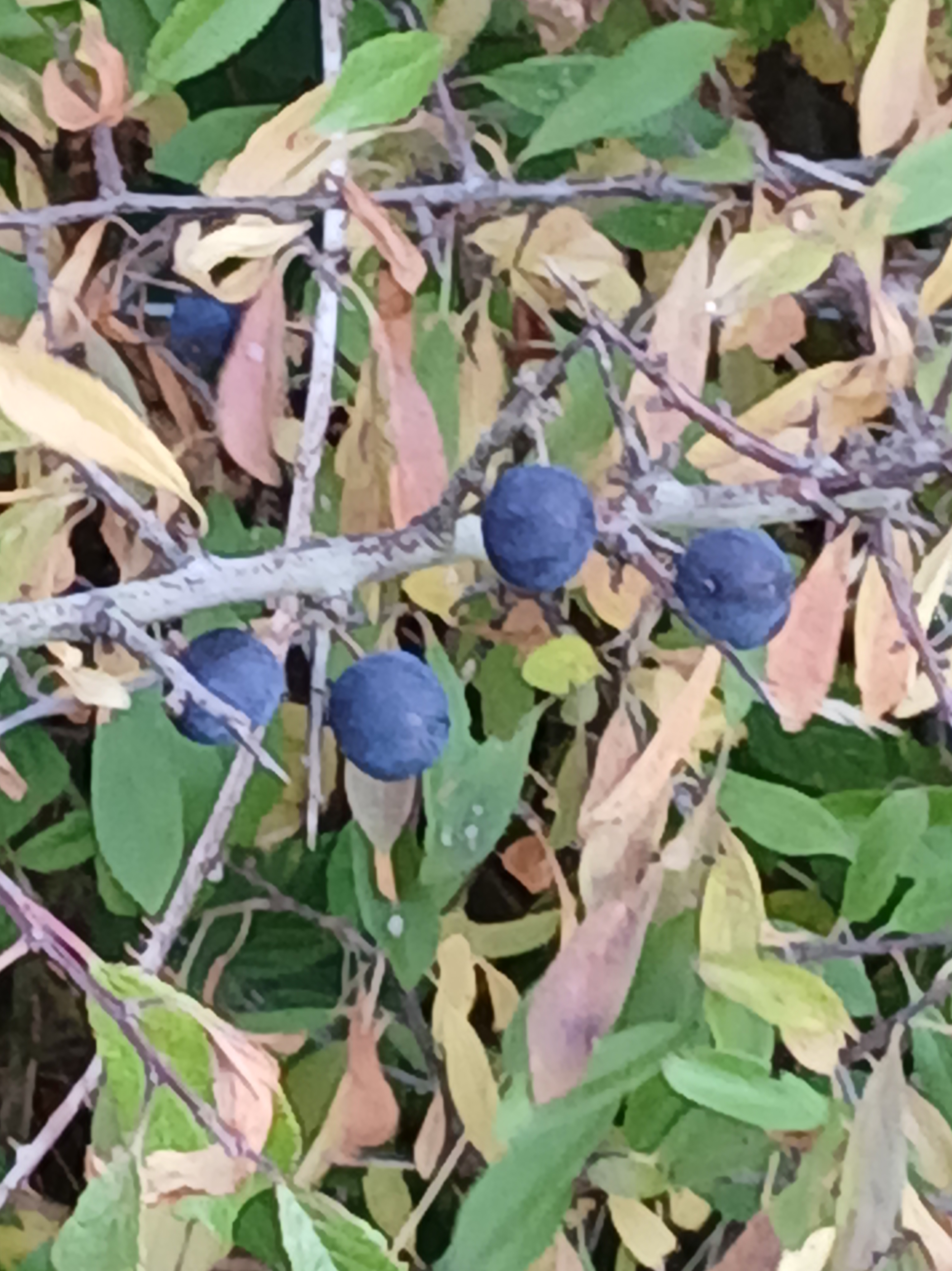
        We noticed the abundance of food for the local wildlife: Blackthorns were bulging with sloes; Hawthorns were vigorously readying their haw berries; Dog roses were flowering, although we didn’t see any rosehips; and there were Crab apples aplenty. Pockets of Dandelions and patches of Tufted vetch added splashes of colour amongst the Stinging nettles and Hogweed. For me, there’s always been something special about Reedmace (I’ve long referred to these plants as bulrushes and, apparently, I’m not alone!). They look exceptionally lovely with their velvety brown flower heads and long, grass-like leaves and somehow ‘belong’ in waters like these ponds.

        Heading towards the main pond by the park’s entrance, two or three solo Small white butterflies fluttered by, and a pair of Meadow browns encircled each other. Four juvenile Canada geese swam in the pond: they were still somewhat smaller than their nearby parents, but clearly fit and healthy. Eagle-eyed Stu spotted a Terrapin in the water and took some photographs. It kept bobbing its head beneath the water – presumably searching for food – although it (and its shell) stayed floating on the surface. We first saw two Terrapins in this pond a few years ago now, and hadn’t seen either of them since, so it was a nice surprise to see that one, at least, was still going.

    That well-earned moment

    We finished off at Flissy’s café with a very tasty Bakewell slice each.