Category: Nature walks

  • The Delights of the Donkey Stand

    (Sunday 10th August, 2025)

        Over to Parkgate this morning, parking at the Old Baths Car Park. Today is the last day to submit data for the 2025 Big Butterfly Count, so perhaps we were looking more closely than usual, but we saw lots of Small white butterflies and Large white butterflies flying in the warm sunshine and at Parkgate Marsh this morning. This year shows much more promise than last year, which was a bit of a wash-out due to the wet spring, and hopefully this will be reflected in healthier numbers once the 2025 butterfly count comes in.

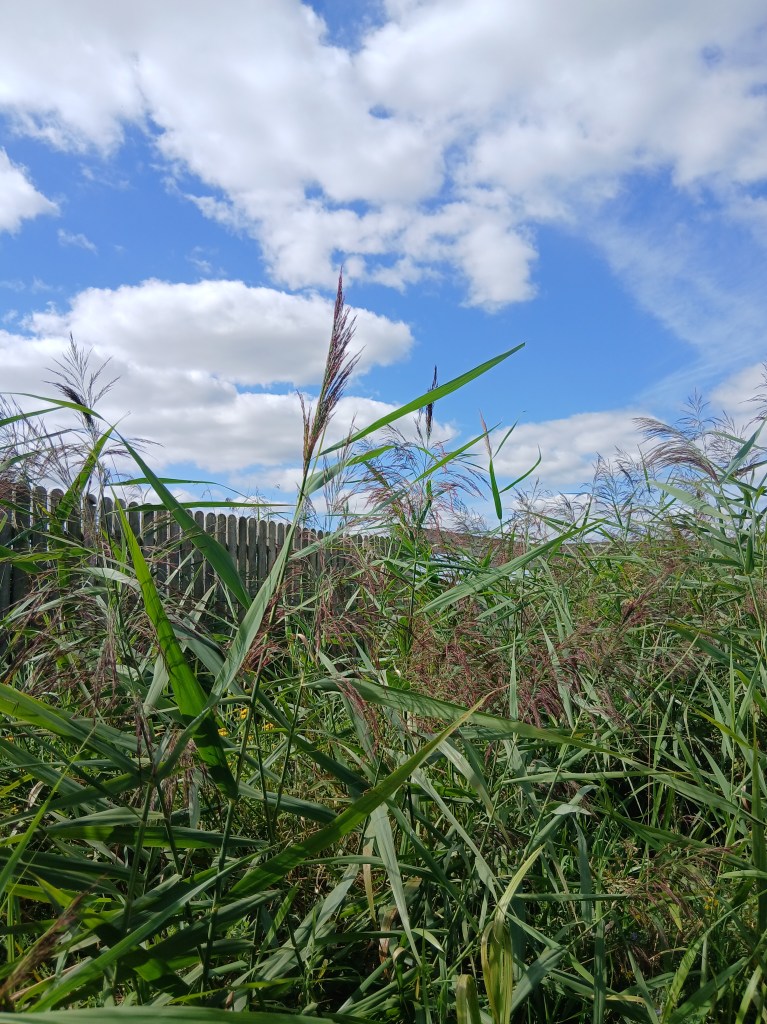
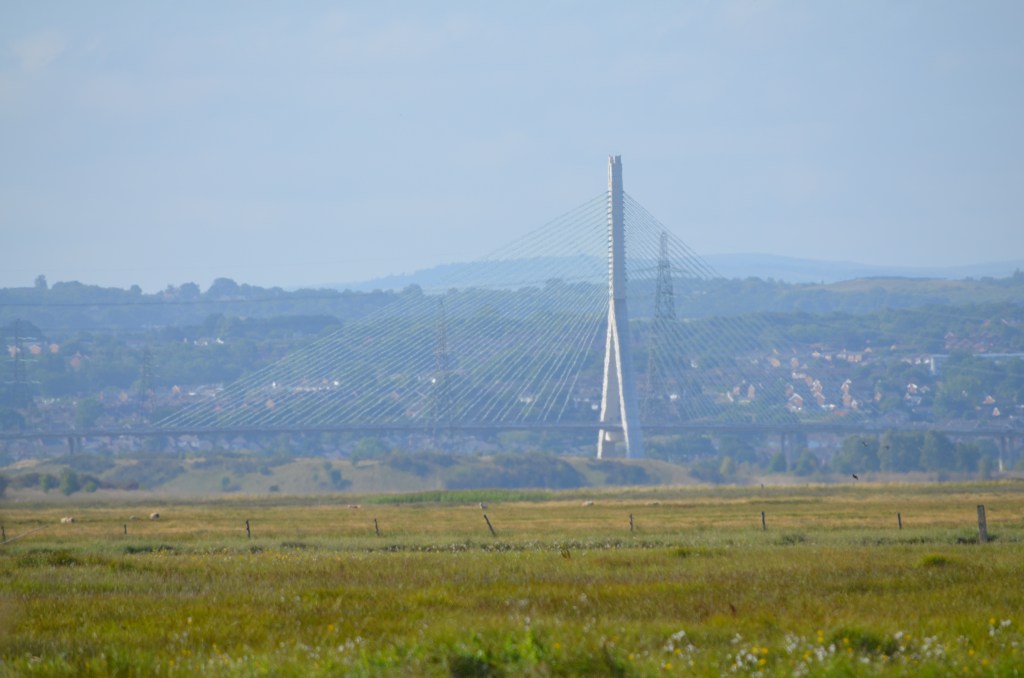
        A lovely day today with very little breeze, and one of the delights here on such days is the expansive view: the green grasses of the marsh itself seem to go right across to the Welsh side of the Dee, the river barely visible; and the vast blue sky over which a giant watercolour brush has swept and left its marks…well, let’s be honest, I can only do a disservice to the beauty of it all, so I’ll stop there – but you get the idea!

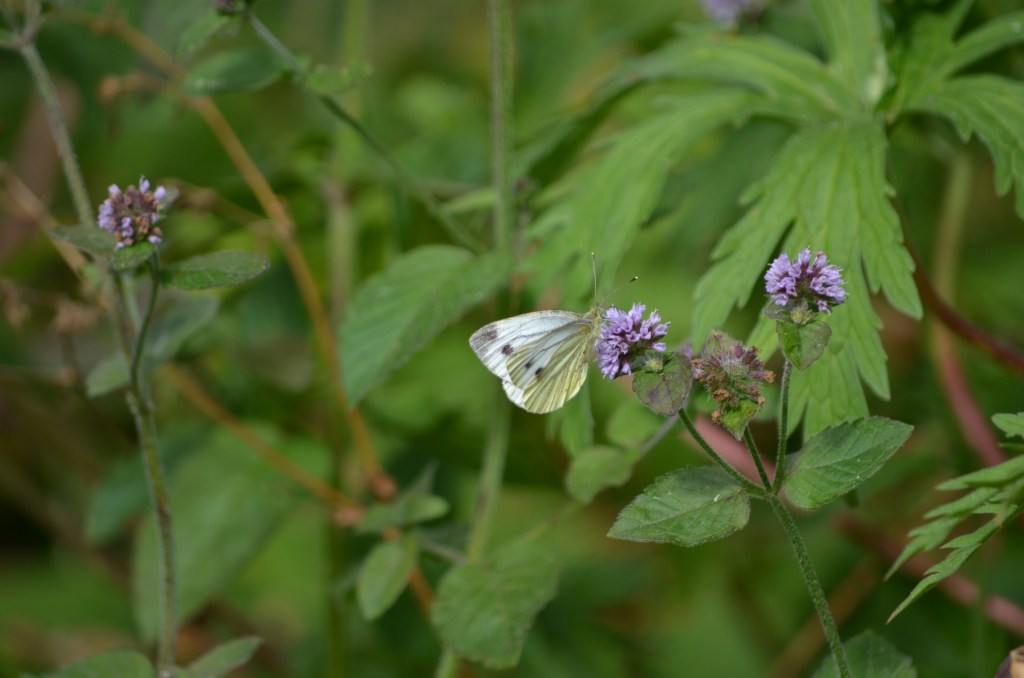
    Small white butterfly female

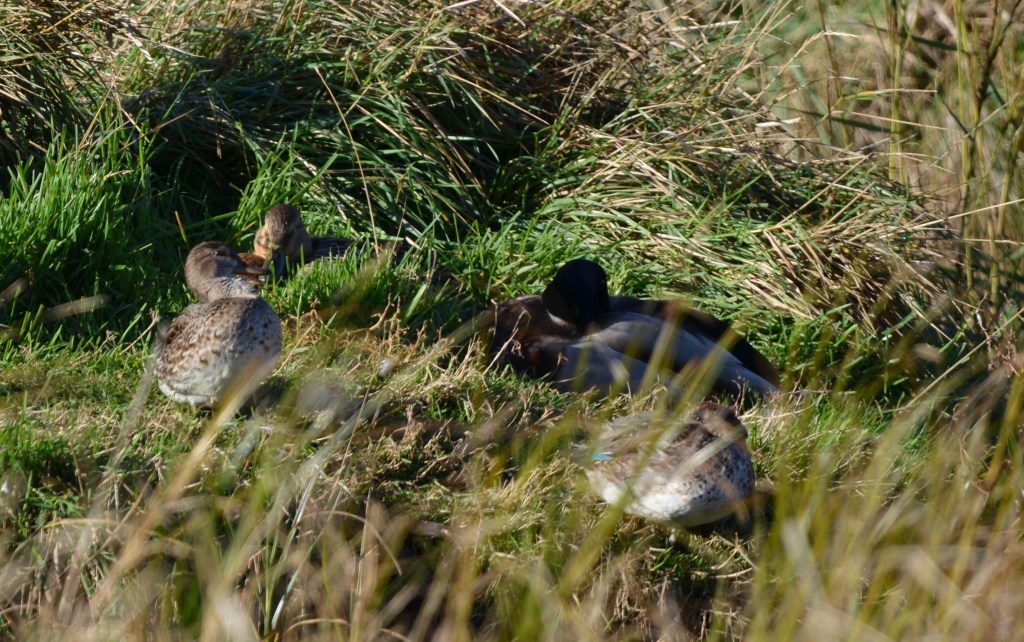
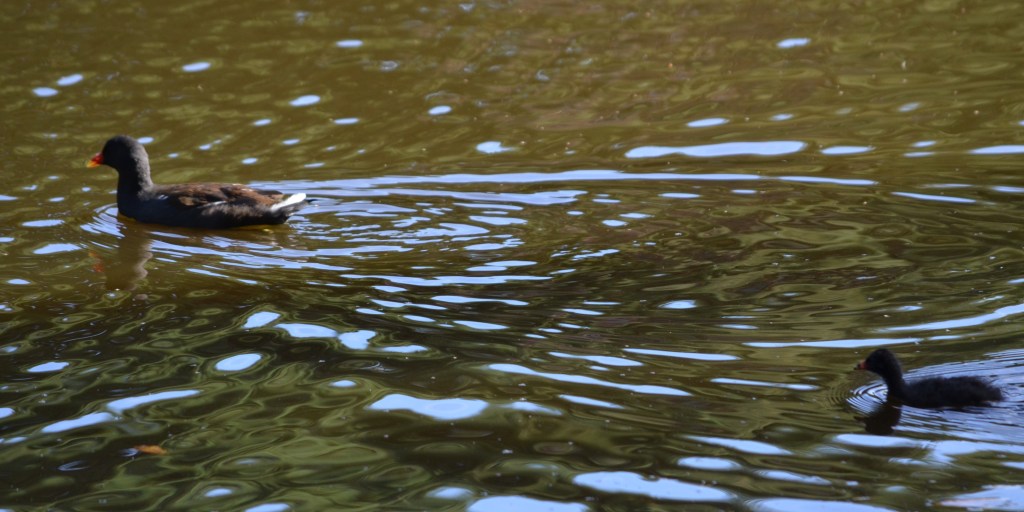
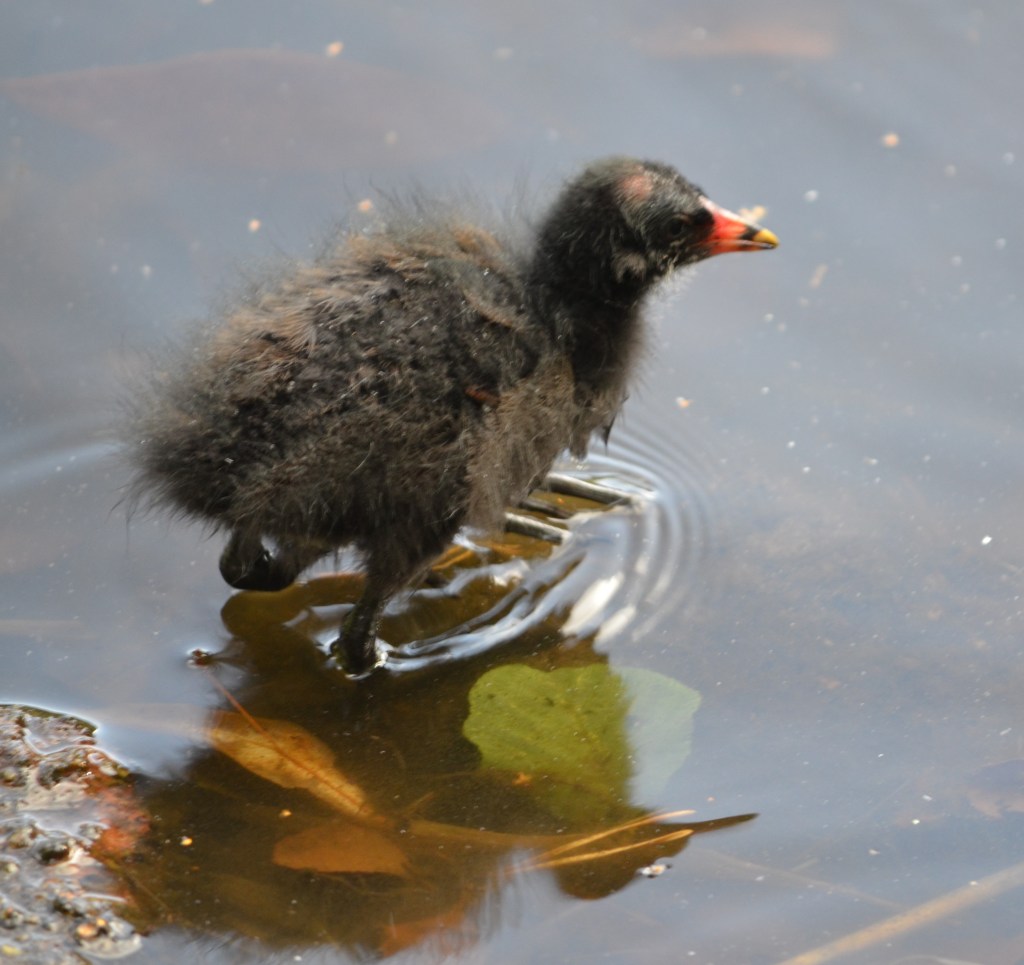
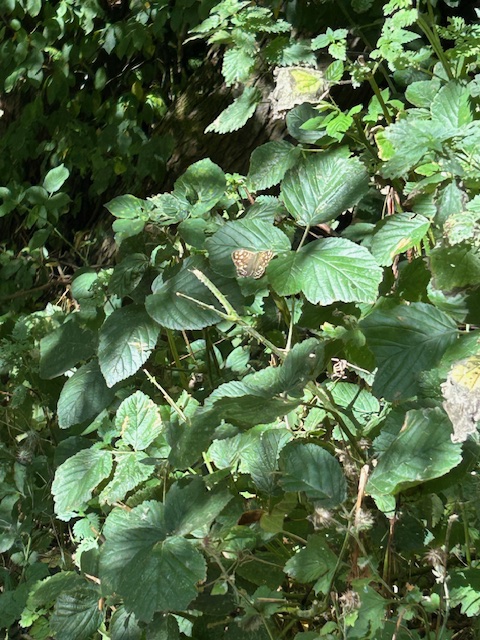
        A female Small white butterfly very obligingly presented itself for a picture just at this moment. We sauntered down to The Donkey Stand, which is so named because it was where, in former times, children climbed aboard the donkeys that would take them from here to The South Slip and back (where the Old Quay pub is now). We usually head to The Donkey Stand as, not only are there benches on which to rest one’s personality, but it’s also a great viewpoint for the nearby stretch of water (or ‘flash’ as it’s sometimes called), which attracts birds even on quiet days. As we arrived at the benches, we spotted a pair of juvenile Moorhens trying, not very successfully, to move surreptitiously towards their much better-concealed parents on the marsh.

    Godwits, Avocets and Greenshanks
    Reflective Little Egret

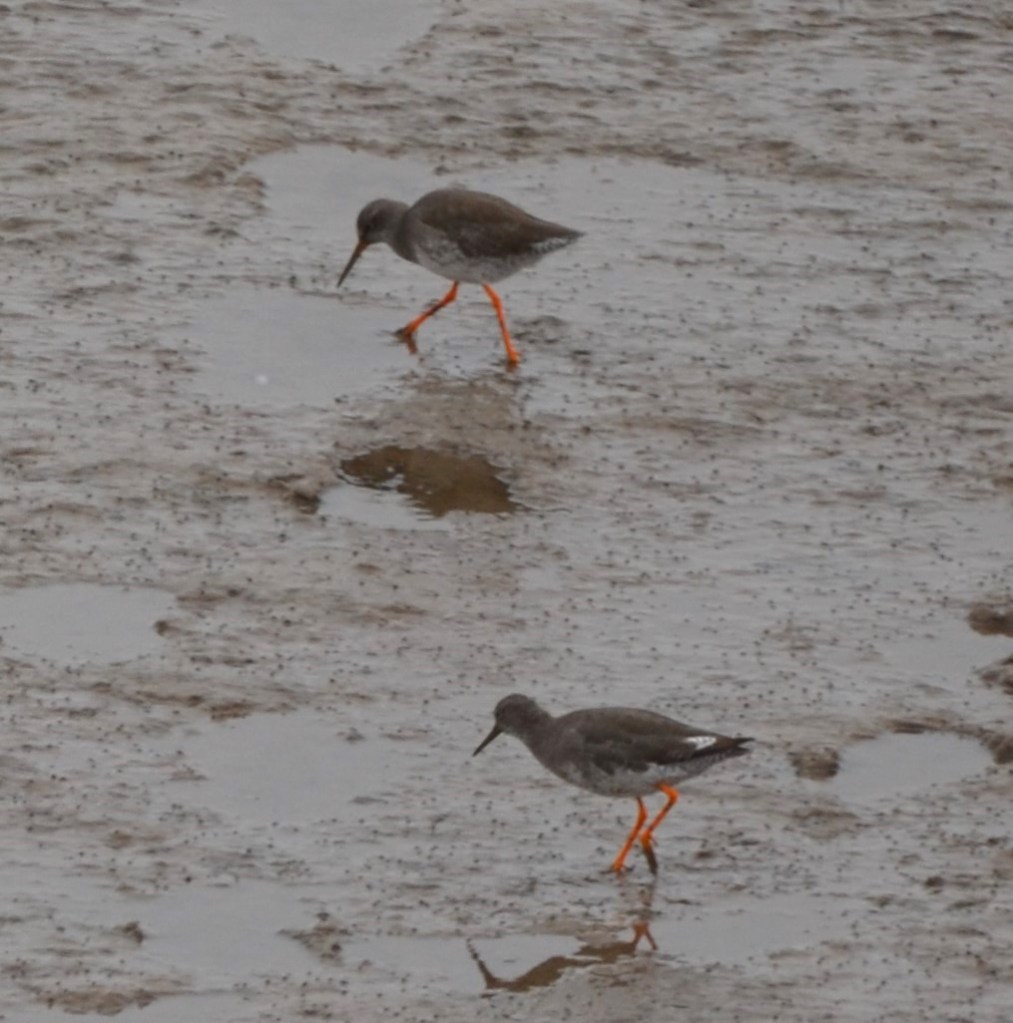
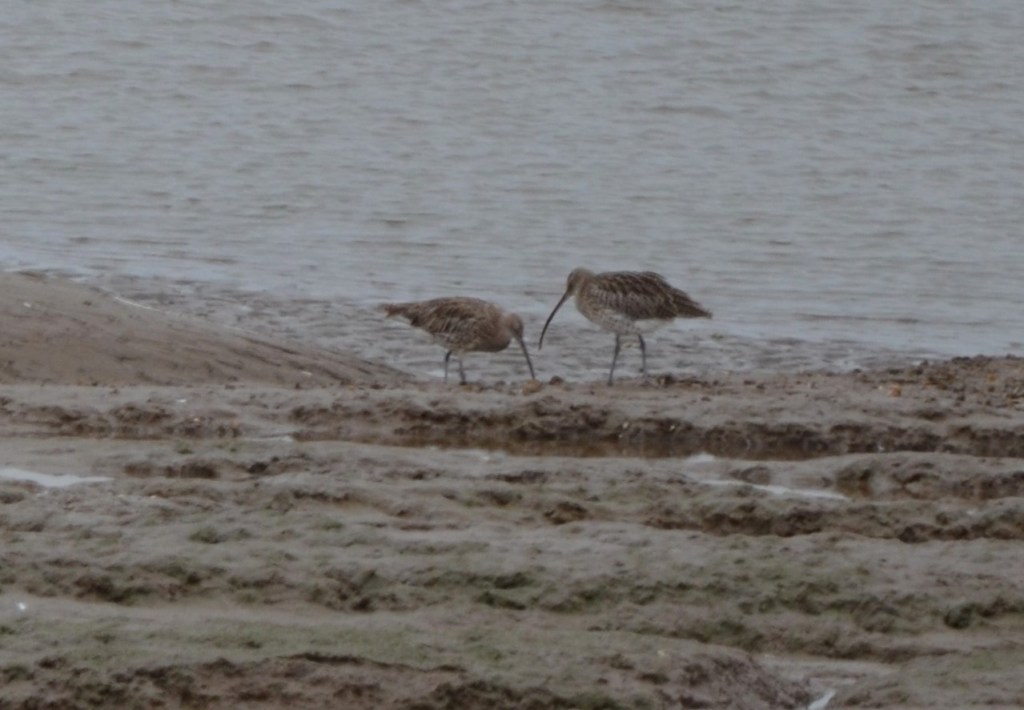
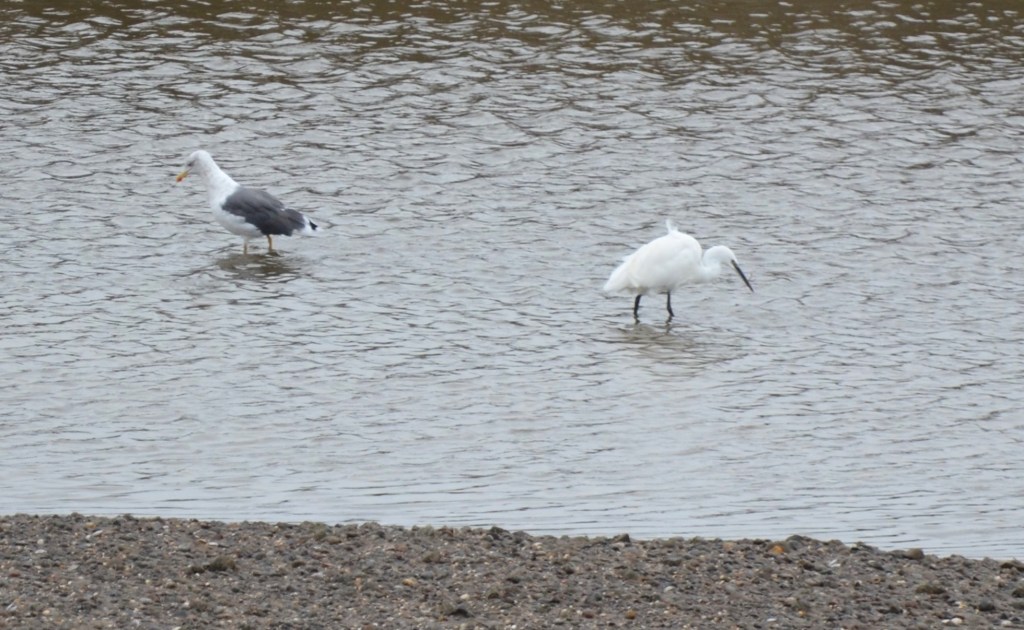
        There was an abundance of birds on the flash: Black-tailed Godwits, many with their lovely, burnished undersides, Avocets and Greenshanks were all wading in the shallows. On the isle in the middle of the water, a Little egret preened itself while a pair of Oystercatchers kept an eye on it. There were in fact three Little egrets that seemed to alternate between preening and suddenly marching through the water in search of food: the abruptness of their actions caused a little consternation with the other birds, who moved out of the way just as abruptly. Away from the main body of birds were two Lesser black-backed gulls, and it was noticeable that the egrets automatically avoided getting too close to these large gulls! (Later, all three Little egrets were on the distant shore when a Great white egret flew in. They scattered in different directions and I’m guessing that it was the suddenness of the Great white’s arrival that startled them, and not outright fear of being attacked).

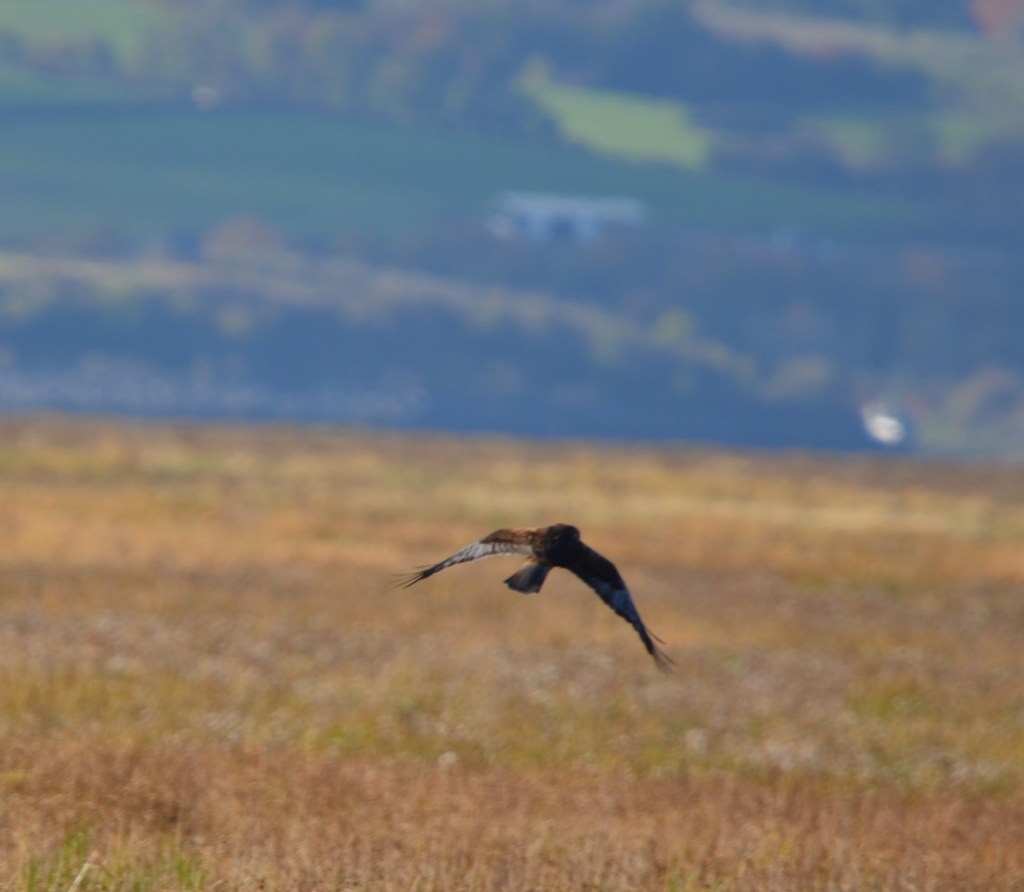
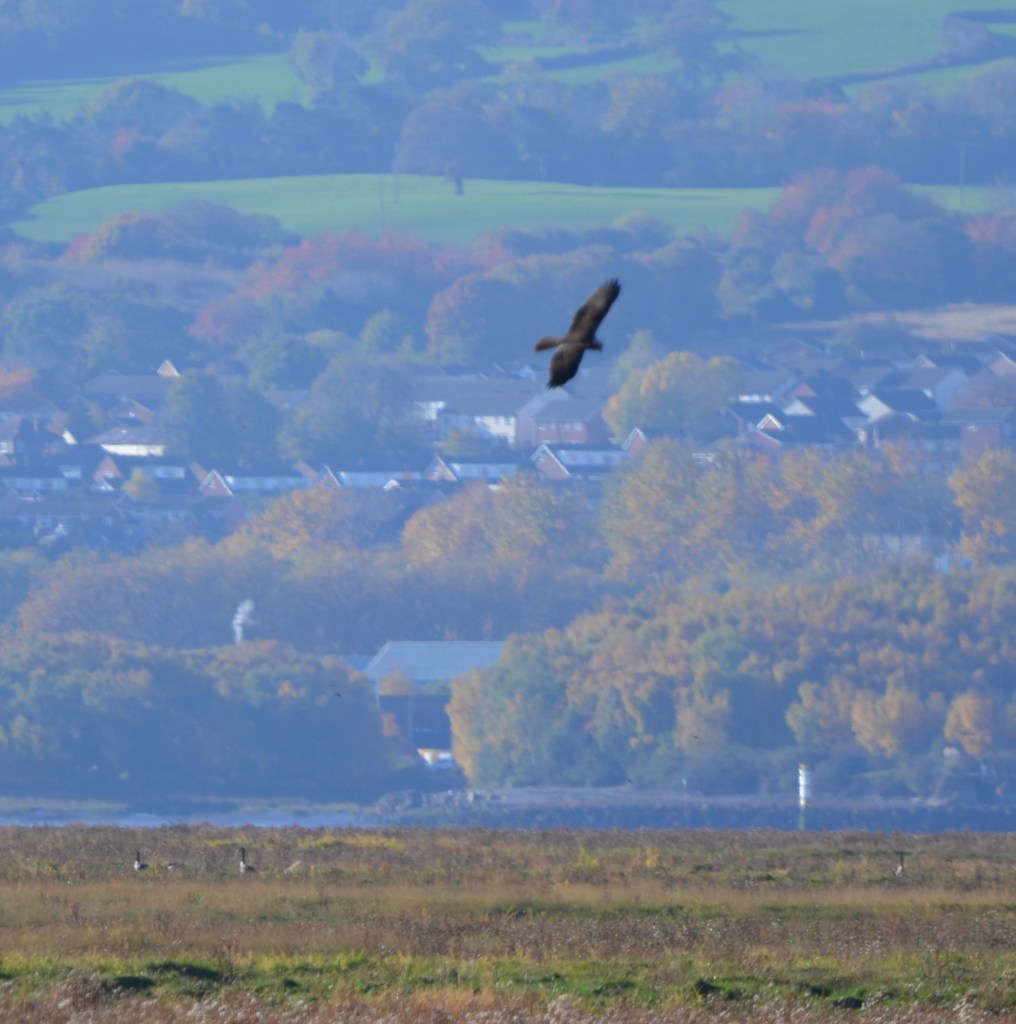
        Stu brought my attention to a Marsh harrier that appeared out of nowhere, flying over the water. It continued its low flight, sweeping across large swathes of the marsh until just as quickly disappearing from sight. We’d seen a Marsh harrier last week at Burton Wetlands, although only briefly. This one returned twice again and stayed around long enough for a photograph – it looks like a female, though I may be wrong. One of its appearances caused the Bar-tailed godwits and the Avocets to take to the air.  

    The important stuff

    After all this hard work, we sat on the bench outside Nicholls of Parkgate, on the opposite side of the road, and sipped our Cappuccinos, munching on Borders chocolate ginger biscuits. Ah! Bliss!      

  • Bittersweet Memories

    (Sunday 3rd August, 2025)

        Over to RSPB Burton Mere Wetlands today and, even though we arrived shortly after 9:00 am, it was already busy. We had been informed that there was a flock of Yellow wagtails in one of the fields inland from the Bunker Hide, so we headed through the south-easterly gate and, just past the hide, we joined several folks who were each aiming cameras, binoculars or ‘scopes at a small herd of cattle in the nearby field. Of course, everyone was actually focussing on the tiny Yellow wagtails next to the cattle: these were darting about, collecting grubs and insects from around the ground that had been disturbed by the cows’ movements. Most of the cows were lying down predicting rainfall, but the wagtails were busily hopping about regardless. The birds were quite some distance away, so the photos aren’t great, but you can see the difference in scale. (The Yellow wagtail is to the bottom right of the picture).

    Yellow wagtail and cattle

        We moved on to the picnic area but didn’t stay long as a faint drizzle began to fall, so we sought somewhere a little less exposed to the elements. Retracing our route, we headed back to the Visitor Centre, emerging at the opposite side. Several Coal tits were retrieving snacks from the feeder as we passed. The drizzle having stopped now, we took a slow amble around the mere, seeing Mallards, Northern shovellers and Canada geese here and there. As we approached the reed screen, we could see what looked like a male Marsh harrier in the distance, although he (if a ‘he’) wasn’t around long enough to clearly identify, and quickly disappeared into the distance.     

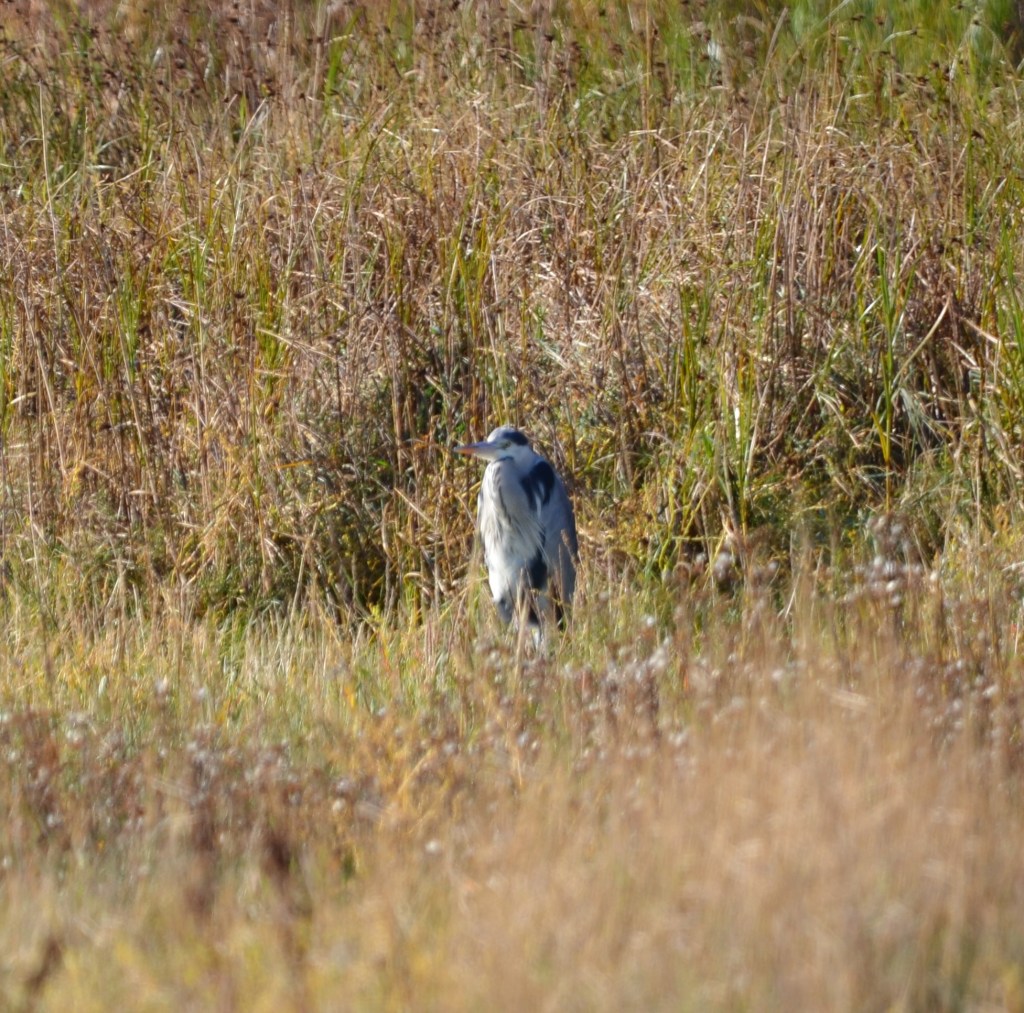
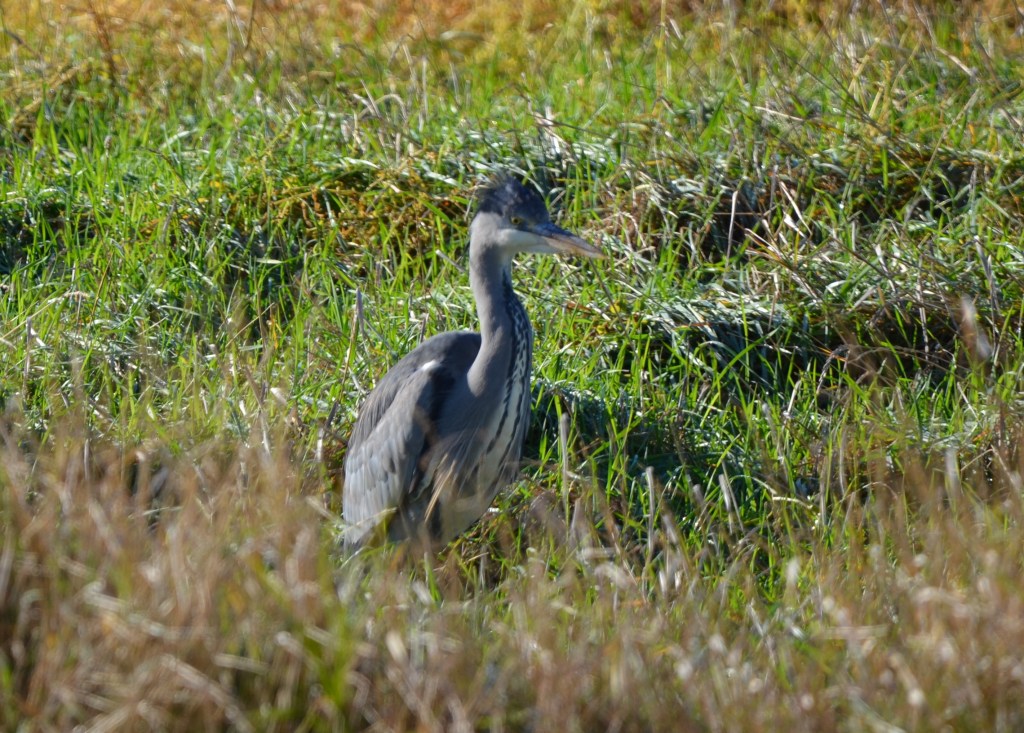
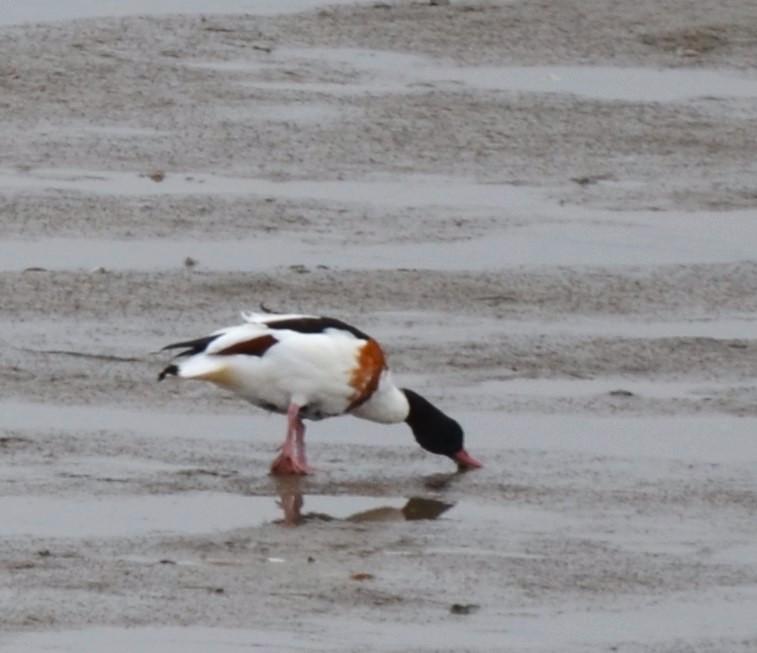
        There was plenty to be seen from the Border hide today, including Coots, Shelducks, Greenshanks, Moorhens, Black-tailed Godwits and Lapwings. Separately stalking the shallows on the far bank, were a Great white egret and a Grey Heron.

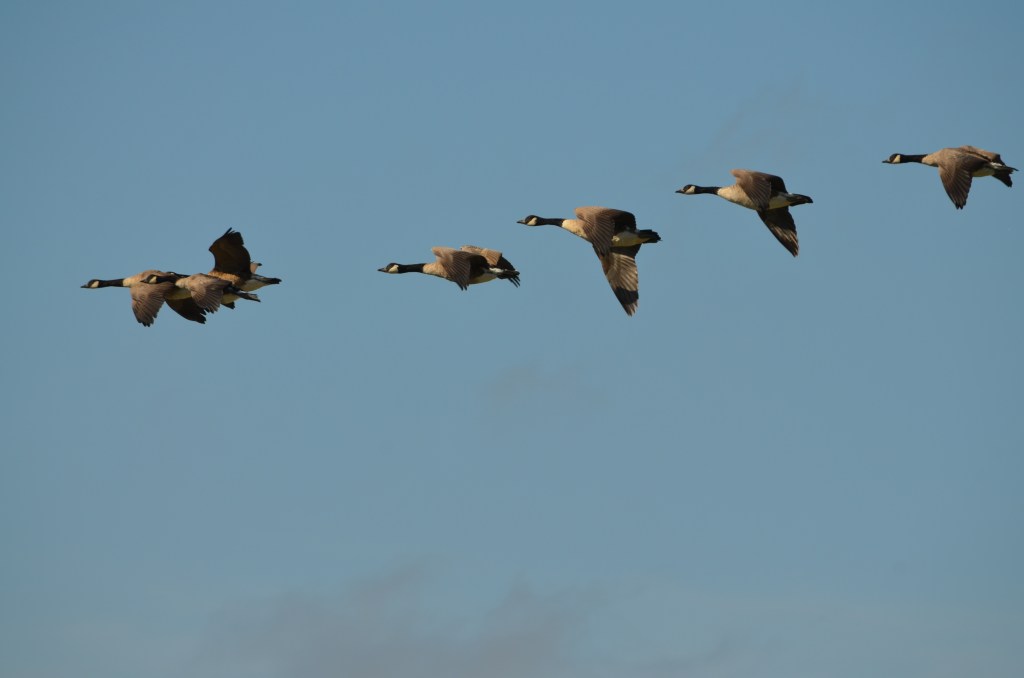
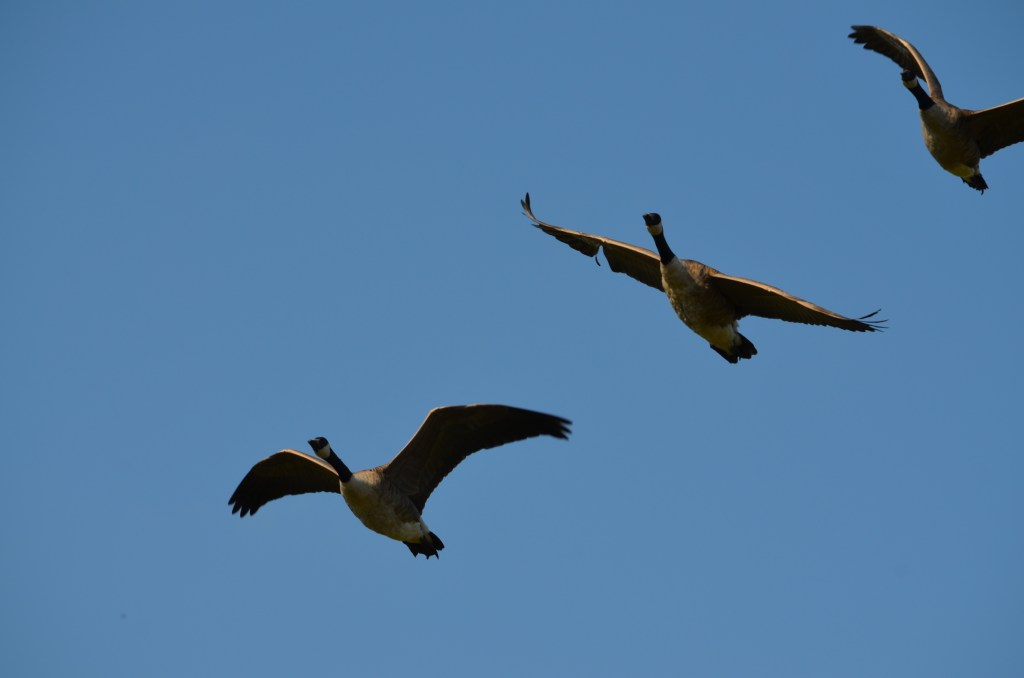
    Each bird studiously examined the fringes of its section of the pool before deftly stabbing below the surface for food. A little nearer by was a large gaggle of Greylag geese, quietly relaxing on the water. We noticed a completely white goose which was happily preening itself and feeding amongst them, and this was presumably a genetic throwback: apparently, the geese that were originally domesticated by humans were derived from the Greylag. As we made our way back, we saw a skein of Canada geese flying low, presumably coming into land, and Stu got a good picture of them I reckon.

    White Greylag
    Skein of Canada geese


    To the side of the path, we recognised the distinctive shape and colouring of a flower that we’d seen along this way previously. Its purple flowers are often swept back, which emphasises the protruding yellow stamens: to me, the flowerhead resembles a colourful throwing dart, but maybe that’s just me. I looked up the plant later and discovered that it’s called Bittersweet. The berries, while benefitting some birds such as thrushes, are poisonous to humans although historically parts of the plant were used medicinally. (The bitterness of the plant left a sweet aftertaste, hence its name). Perhaps more importantly, Bittersweet can intermingle with other climbing plants to offer dense shelter for animals and birds.

    The important stuff

    Back at the café, I had a toasted tea-cake with my cappuccino. Stu’s cake – a glorious pink and yellow concoction – looked unappetizingly high in sugar and saturated fats, although neither of us can remember what it was called. A mystery then, although I believe that he still went home and complained to his wife that he was hungry!

  • Bald as a Coot

    (Sunday 29th June, 2025)

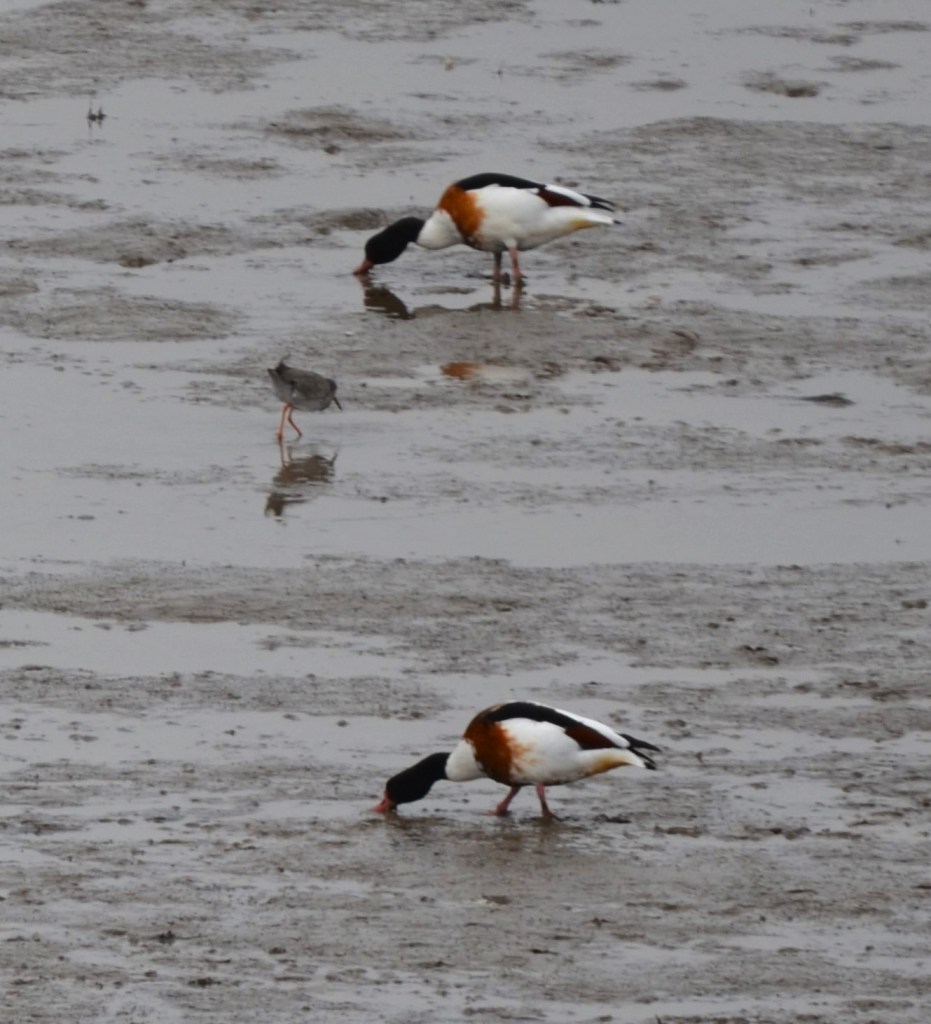
        Over to Wirral Country Park this morning. The fierce westerlies of the last couple of days subsided overnight to leave just a faint breeze: very tranquil! We arrived at low tide, which meant that most of the birds had fed much earlier as it began receding, leaving only a few stragglers on Thurstaston beach. There was a Little egret paddling in one of the channels, and three Shelducks nearby. We heard Oystercatchers calling and there was the usual scattering of Common crows on the broad expanse.

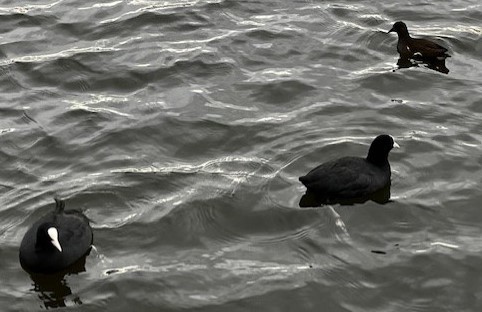
    Juvenile Coot

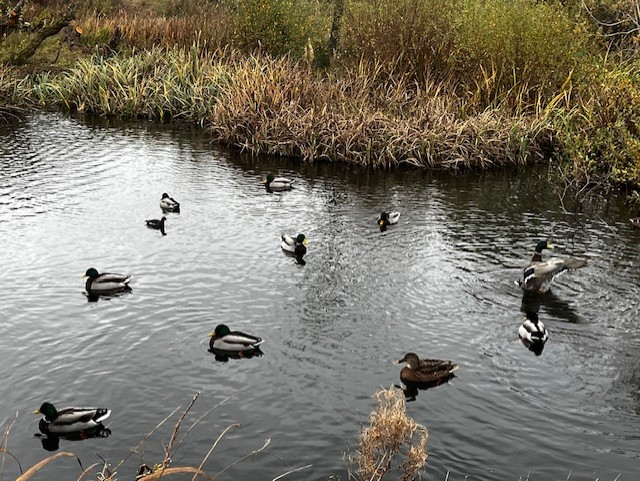
    Above the beach, on the pond nearest the Wirral Way path, there were several Mallards and a pair of Coots with a juvenile shadowing them: unlike its parents, this youngster didn’t yet have the white beak and frontal ‘shield’ above the beak, nor the contrasting black plumage. Instead, its plumage is grey (and paler underneath), as is its beak.


    Coot and Mallard

    The beak and frontal shield change to white after about twelve months. The saying ‘as bald as a Coot’ is ascribed to this featherless section of the adult bird’s head. If you didn’t know this already, now you do!

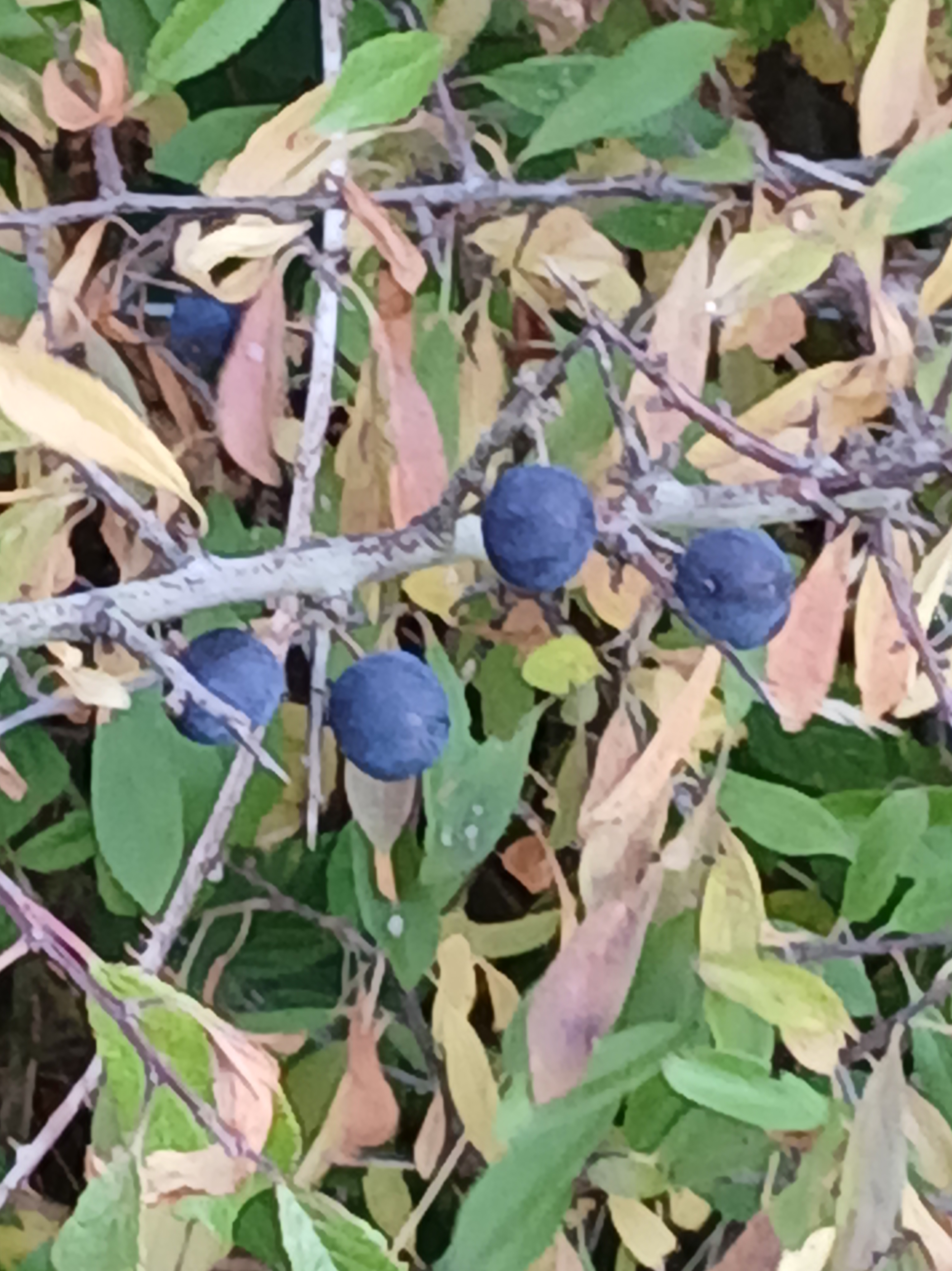
        We noticed the abundance of food for the local wildlife: Blackthorns were bulging with sloes; Hawthorns were vigorously readying their haw berries; Dog roses were flowering, although we didn’t see any rosehips; and there were Crab apples aplenty. Pockets of Dandelions and patches of Tufted vetch added splashes of colour amongst the Stinging nettles and Hogweed. For me, there’s always been something special about Reedmace (I’ve long referred to these plants as bulrushes and, apparently, I’m not alone!). They look exceptionally lovely with their velvety brown flower heads and long, grass-like leaves and somehow ‘belong’ in waters like these ponds.

        Heading towards the main pond by the park’s entrance, two or three solo Small white butterflies fluttered by, and a pair of Meadow browns encircled each other. Four juvenile Canada geese swam in the pond: they were still somewhat smaller than their nearby parents, but clearly fit and healthy. Eagle-eyed Stu spotted a Terrapin in the water and took some photographs. It kept bobbing its head beneath the water – presumably searching for food – although it (and its shell) stayed floating on the surface. We first saw two Terrapins in this pond a few years ago now, and hadn’t seen either of them since, so it was a nice surprise to see that one, at least, was still going.

    That well-earned moment

    We finished off at Flissy’s café with a very tasty Bakewell slice each.

  • Purple and Scarlet

    (Tuesday 17th June, 2025)

        My brother and I went to RSPB Burton Mere today, on the Wirral Peninsula. From the huge reception window, looking out to the Scrape, we saw lots of Avocets with their young and perhaps even more Black-headed gulls. Closer towards us, in the relative quiet of the inlet, we saw a Tufted duck watching its brood with its distinctive yellow eyes.

        As we passed the feeder at the beginning of the trail, we saw Coal tits taking food away to dine in secret, which seems to be their habit. There was a single Northern shoveller at the Mere, and a pair of Mallards further beyond it, half-concealed by overhanging foliage. We disturbed a Grey heron, which flew away from the treetops in its ungainly manner: the branch on which it was resting must have been sturdy!

        At the reed hide we saw a Great white egret, elegantly patrolling the waters. There were a couple of keen photographers that had set up here, and I’m sure that they were rewarded with some great shots. As we continued along the trail, a Spoonbill flew over us carrying what looked like a long twig in its beak, which we guessed might be nesting material. It was flying in the direction of the Mere.

        At Marsh Covert were Coots, Moorhens, Canada geese, Lapwings, Redshanks and one Little egret probing the edge of the pool. At Border Hide, amongst the species already mentioned, we saw a small group of Black-tailed godwits, a huge colony of Knots, many of which had their lovely red-orange breeding plumage, Jackdaws, Crows, and Magpies. A first for me was seeing some Teal – there were just the three – and I must admit I felt quite chuffed!

        Although we visited Burton Mere primarily to see birds, there are other non-avian attractions to pique your interest. There were Common blue damselflies and White-tailed bumblebees, and we saw three Small whites, a Red admiral, and a courting couple of Gatekeepers. Most impressive, though, was the Scarlet tiger moth, wings unfurled to regenerate in the sun, which my eagle-eyed brother spotted.

    Scarlet tiger moth

    The moth is diurnal and quite exotic looking and, on returning to the visitor centre later, we saw that somebody else had reported seeing it: yes, the Scarlet tiger moth was listed on the whiteboard alongside all the birds, so my brother was very pleased!

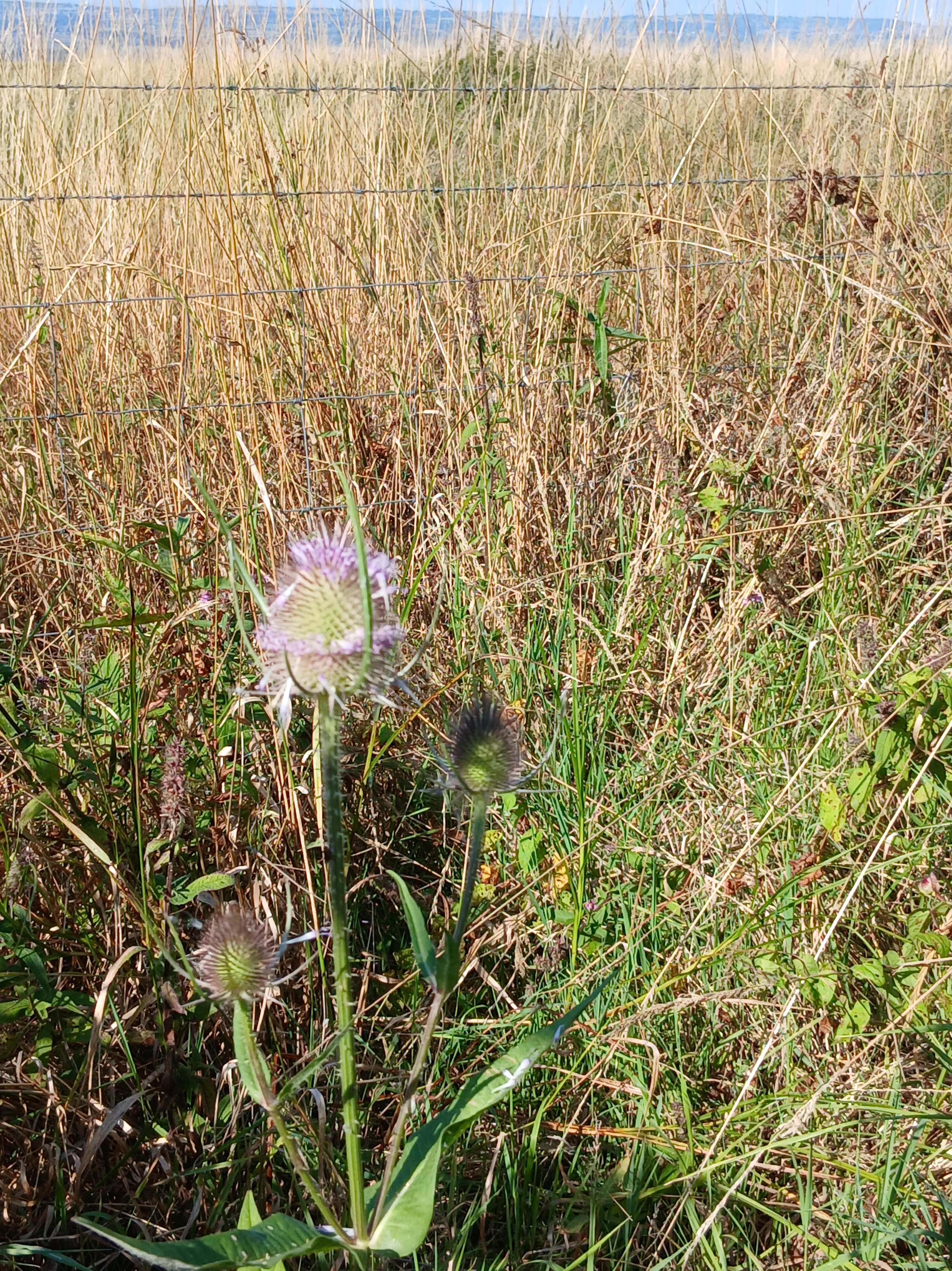
        Amongst the flora were several Spotted orchids and some other orchids with dark purple flowers, which I confess I didn’t recognise. While there are obviously much more plants than recorded here, there were Buttercups, Daisies, Tufted vetch, Red dead-nettle, Teasel, Hogweed, Hedge parsley, Herb robert, Red clover, Red campion, and Bulrushes. (Apparently the Bulrush is properly known as Great reedmace, which is something I have recently learned. But I know what I mean!)

        We had a quick look from Bunker Hide, which offers a different perspective of the Scrape. It was actually the picnic area further on that we enjoyed: this offers a wide, open vista and a male Stonechat obligingly flew across in front of us and perched atop a small tree. House martins or Sand martins circled at speed, but to be frank I wish that occasionally these birds would slow down, not least so that I could actually identify them!

        As ever, a rewarding place to visit.

  • Wagtail on the rocks

    (Sunday 15th June, 2025)

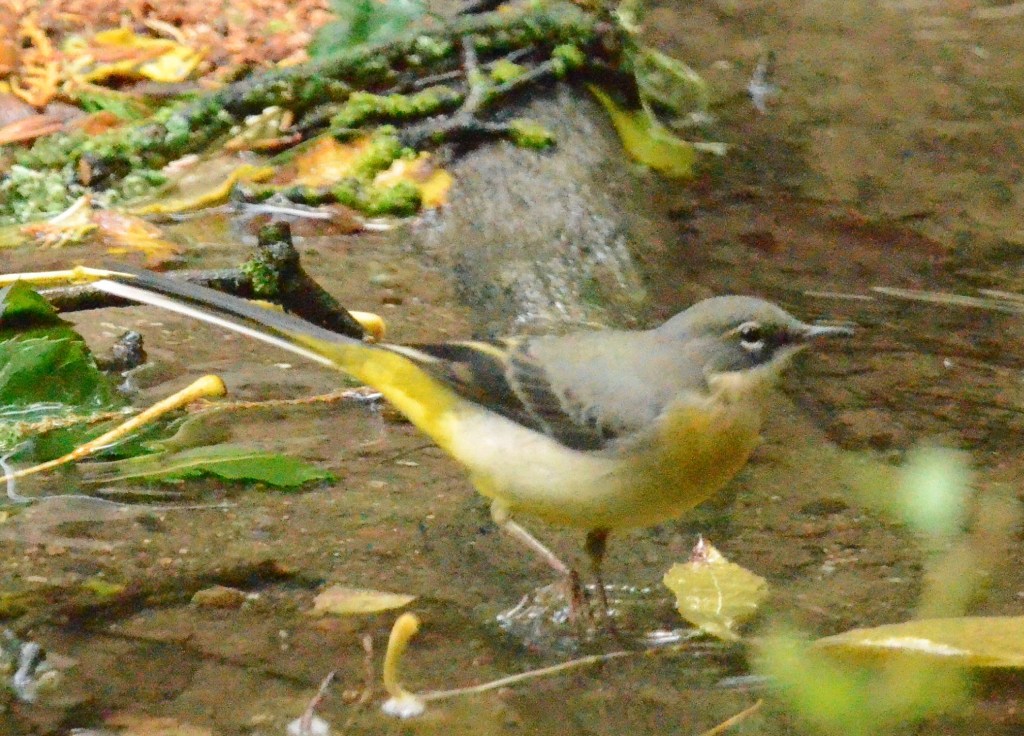
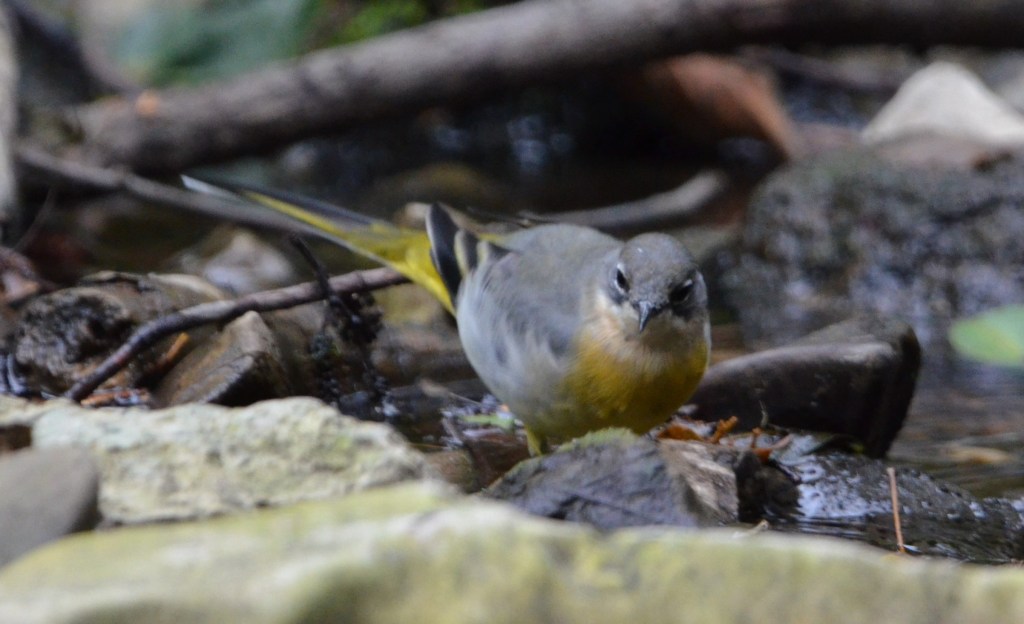
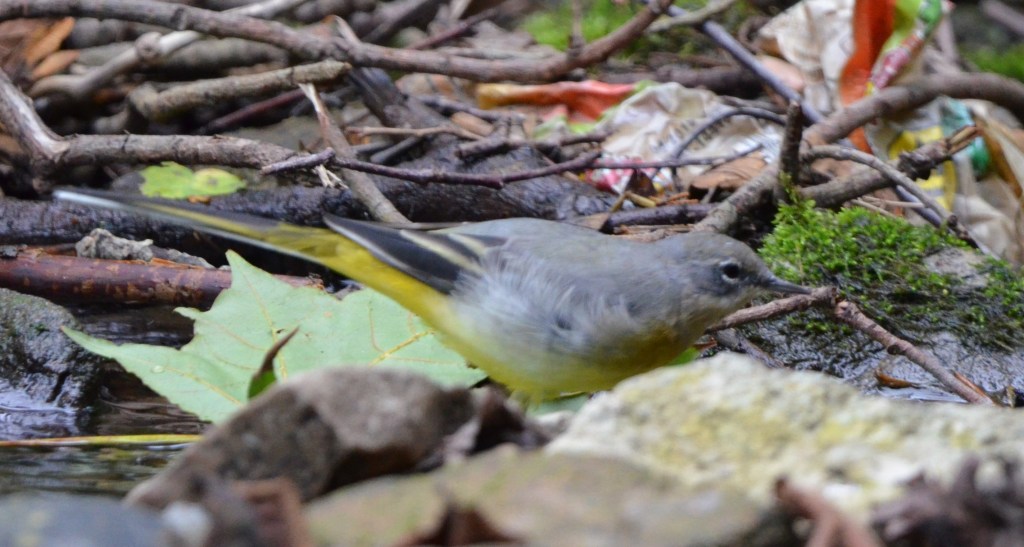
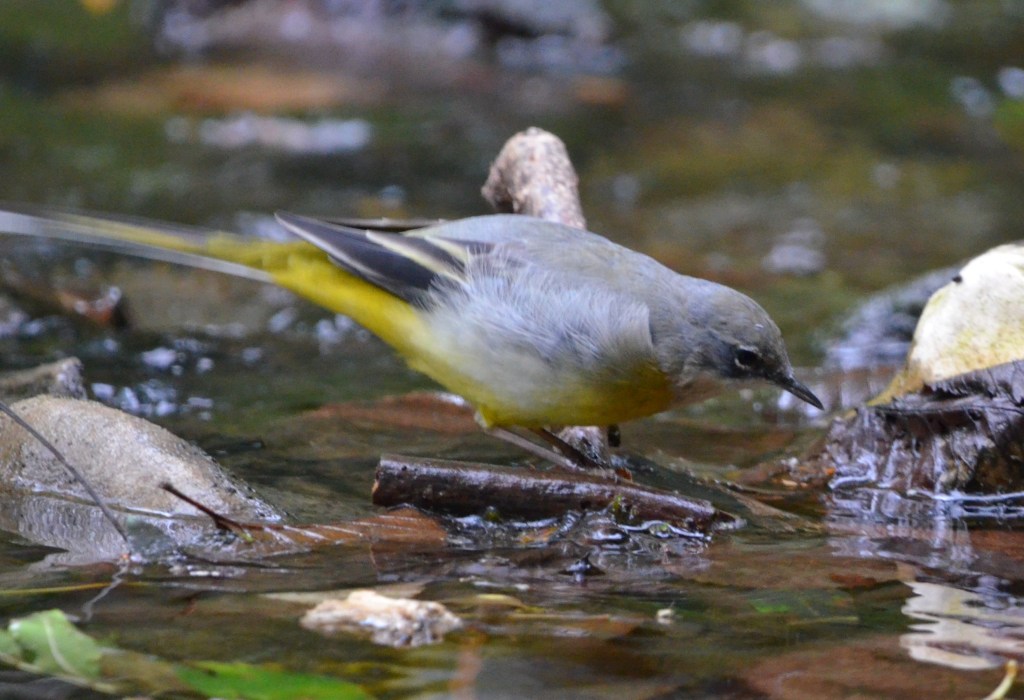
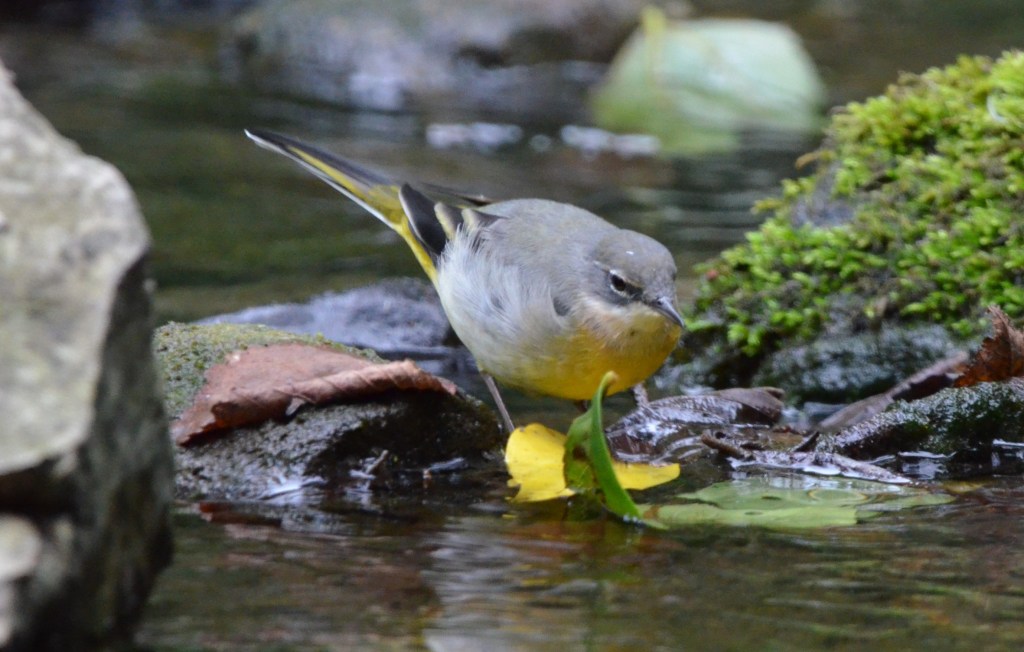
        Over to Loggerheads this morning. We watched from the benches at the side of the River Alyn until, eventually, our hoped-for Grey wagtail flew in low and landed on the small spit of sandy shore on the opposite bank. There was only the one wagtail, and we thought its mate was probably nesting in the cliff fissures nearby, where they’ve dwelt in previous years. We’ve spotted them annually for a few years now, though it may be the progeny that has returned, rather than the parents. 

    Grey wagtail

    This Grey wagtail then flew downriver and landed obligingly on a jutting rock directly in front of us, which afforded Stu the opportunity of taking some photographs. I even wondered whether the wagtail, which seemed to be preening its feathers for quite a while, was taking its time deliberately for his benefit!

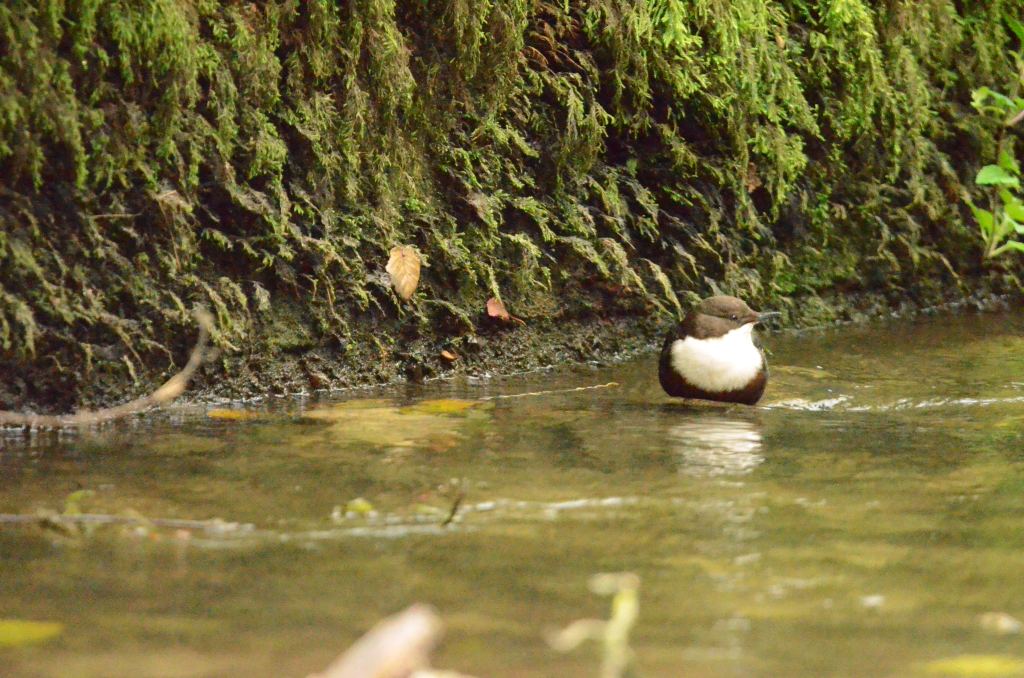
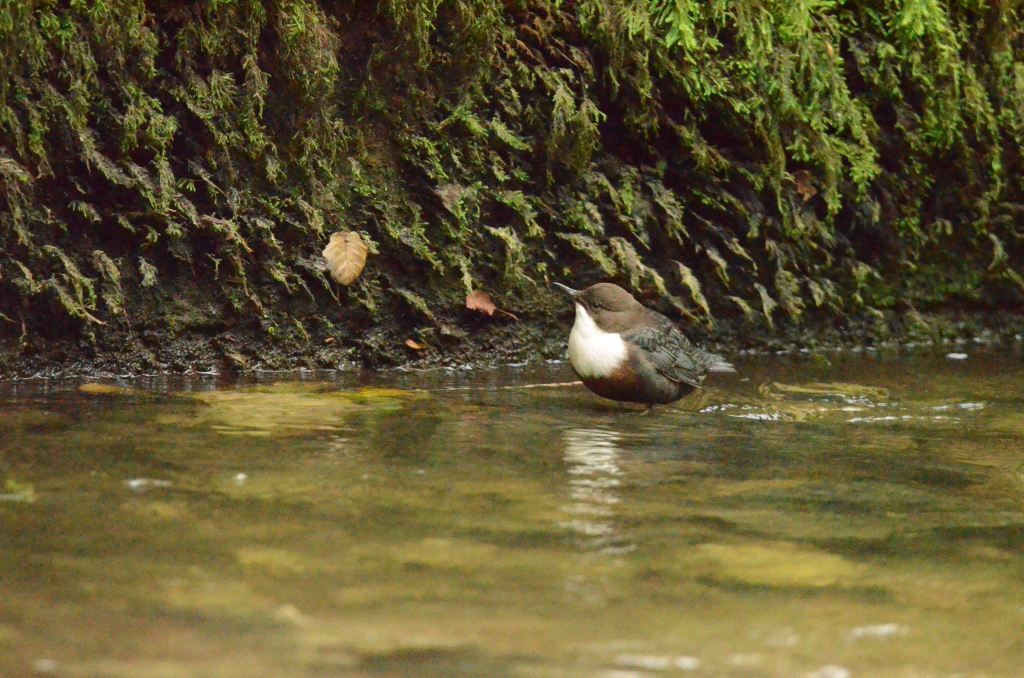
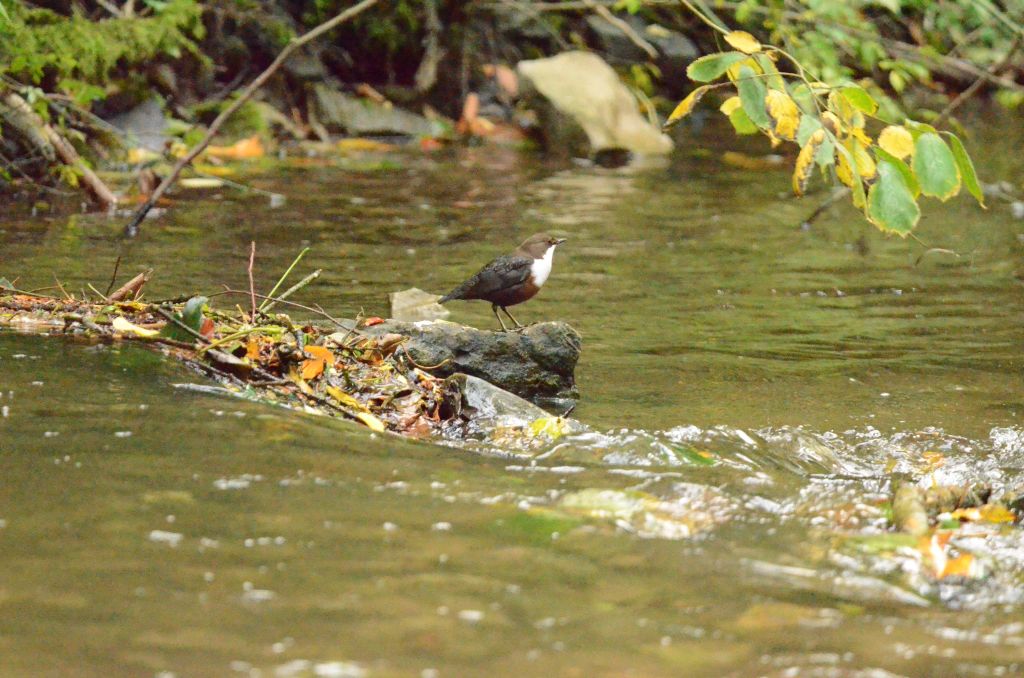
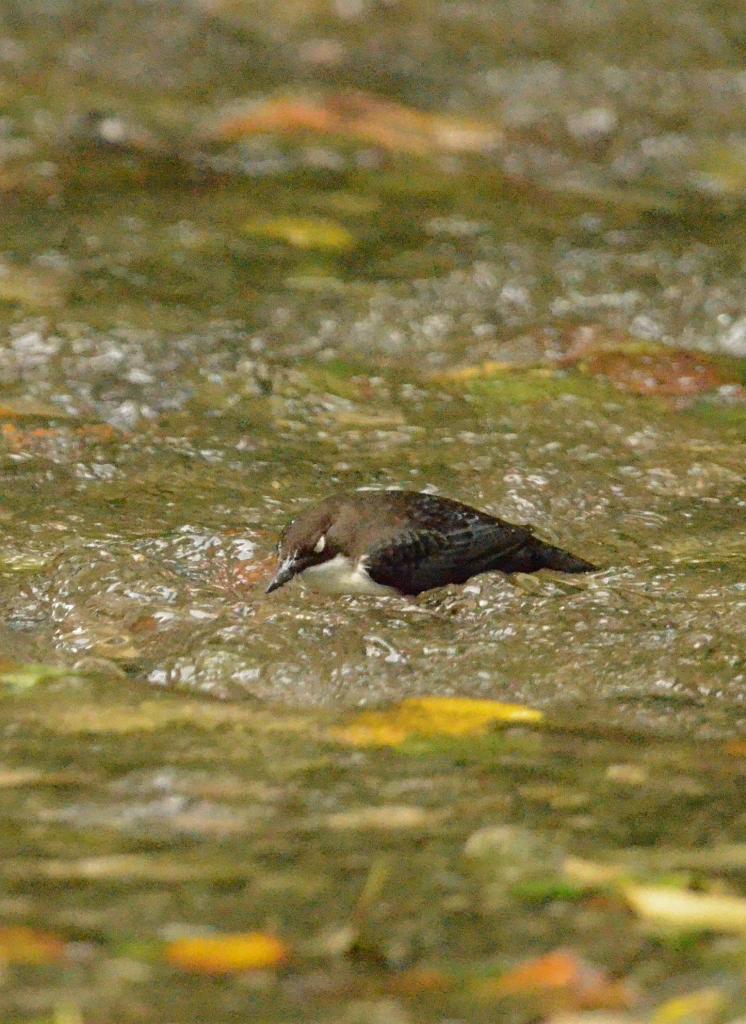
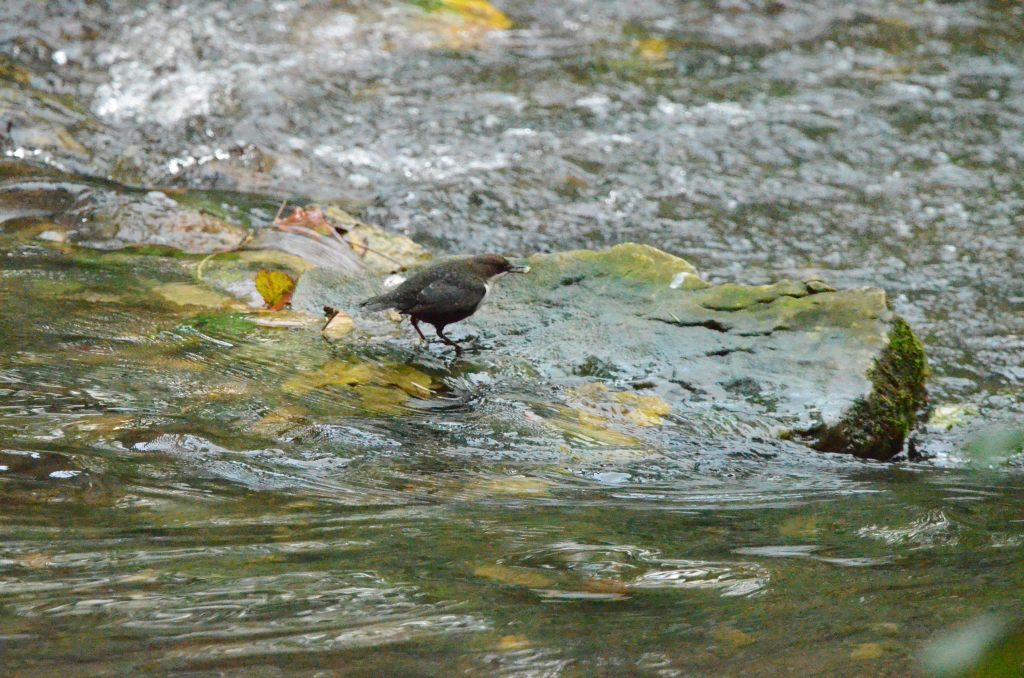
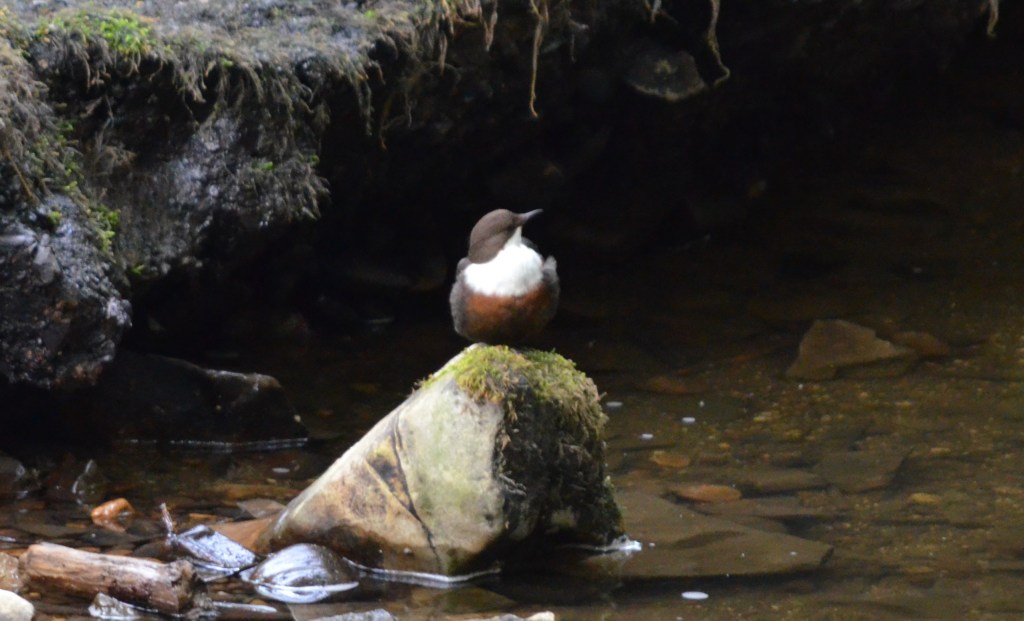
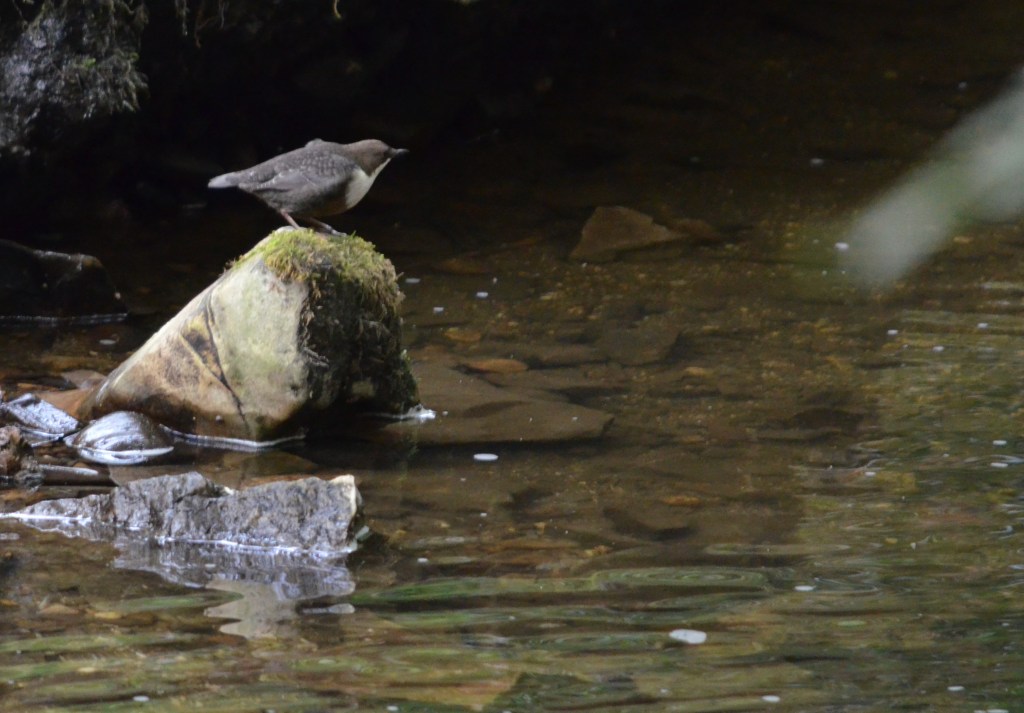
        We’ve never encountered White-throated dippers – more commonly, just Dippers – along this stretch of the river, although we just missed out some years ago. What I mean by this is a couple informed us that they had just been watching a Dipper from the wooden bridge at the entrance. Stu and I headed over there quickly, but the Dipper had gone.

        Anyway, my point is that Dippers like fast-flowing rivers, as do Grey wagtails when they’re breeding. Sharing the same habitat, some Grey wagtails are known to have fed Dipper chicks. This ‘interspecific feeding’, which generally refers to when adults feed the young of other species, occurs more often than you might think and various theories have been put forward as to why this occurs. I find the thinking that male adults will feed a fledgling that begs the most convincing, but there are plenty of further theories too. Interspecific feeding might make an interesting subject in a future edition!

  • Fresh after the heatwave

    (Sunday 22nd June, 2025)

        Over to Burton Marsh this morning with Stu. We’ve just had temperatures above 25° C for three consecutive days both sides of the Dee estuary – i.e. North-east Wales and West Wirral). Although the sunshine was welcome, the heat was sultry. This morning there was a stiff WSW wind blowing, and the odd drop of rain, which together had driven away the sun. Unsurprisingly, not many of the birds was willing to come out and play – the change in the conditions felt more like spite than respite!

        We did see a Little egret shadowed by its partner. Both birds disembarked in a long channel of water some distance out, which was mostly occluded by marshland. Even through binoculars, we were unable to see any other activity. The egrets didn’t stay long and soon returned north-eastwards towards Neston.

        There were some Blackbirds, a Robin, and the usual indefatigable Crows. (I caught a glimpse of what I thought might have been a Cetti’s warbler, but it was too brief a glimpse for me to be certain – I shall look out next time).

    Despite the absence of the birds, there was still plenty to see.

    ""

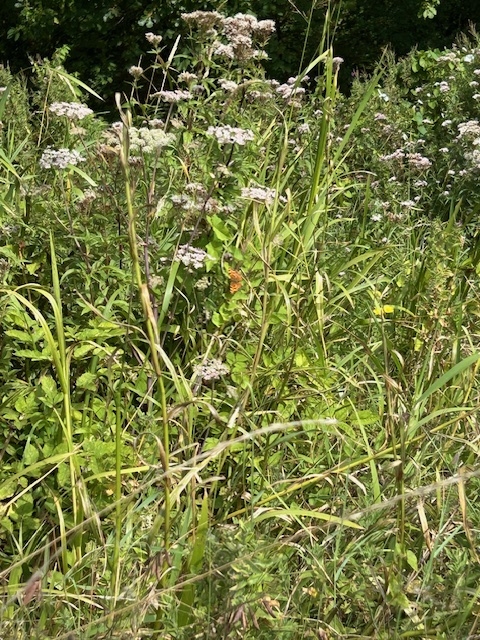
    Meadowsweet abounded and we did the obvious and held the creamy yellow flowers to our noses – oh, what a lovely smell, as the name says really. The Common mallow is a quite lovely plant too, I think, with its tall stem and large flower-heads. The five grooved petals are lilac-pink with dark stripes.

    There was Tufted vetch, splashes of Dandelion, and Field bindweed. I had to look up the latter when I got home. Although the flower shape is obvious on reflection, it was the pale pink and white colours of the petals that threw me. One flower that I did recognise was the Yellow iris, which are also known as Yellow flag (but not by me). These flowers were all a little further out on the marsh and I suppose that they are an indicator of where the water channels and pools lie.

    The important stuff

        After all this hard work, Stu and I retired to Nets Café to sample the cakes on offer: I had a lovely slice of Bara Brith to go with my cappuccino, while Stu had Coffee and walnut cake with his. Very pleasant.

  • An Avian Array at RSPB Burton

    (Sunday 25th May, 2025)

        Stu and I went across to Burton Mere Wetlands, the RSPB’s nature reserve on the Wirral. It was very windy as we got out the car, so it was good to get inside the relative calm of the visitor centre. Initially, it was just us and the staff, but that soon changed as people began to arrive. I tried to list what we saw – we were pointing out different species to each other like excited children – although one or two observations may be wrong. (I’ve indicated where we were uncertain). There was certainly plenty for us to see!

        There were lots of Avocets, many of which had paired, and some of which were schooling their young – although it looked like the chicks were managing the distinctive ‘scooping’ action in the shallows without any instruction. There were a couple of Oystercatchers and, looking closer, we realised that these also had chicks, which they were keeping close by. As I was watching the Oystercatchers, I caught a glimpse of a couple of ducks leading their brood of six ducklings against the current to a quiet spot where there was just a lone Black-headed gull and a foraging Moorhen.

    Avian array

    At first, I thought that the ducks were Mallards but something didn’t quite add up. I looked again and saw that the male had a cinnamon underbelly, unlike the Mallard drake, and that his bill was distinctly wider: thus did I spot my first Northern shoveller (with help from my bird identification book!)

        There were four Shelducks, a Crow and a Magpie amongst a host of Black-headed gulls. So far, so good. However, I then saw what I at first thought were Goldeneyes, a species I had never encountered outside of a book. My reasoning was simple: they had yellow eyes. It was only later that I found out that the UK also hosts other yellow-eyed ducks including Tufted ducks and Scaups. (I discounted the Northern shoveller due to its plumage differing, although this too has yellow eyes). Unfortunately, the only thing I can be sure of is that my original assessment that they were Goldeneyes was wrong: I thought Scaups because I couldn’t see any tufts, but I believe these are rarer than Tufted ducks in our UK waters. It shall remain a mystery.

        We exited the visitor centre and travelled around to the hide a little bit further west. On the way we took in marsh marigolds, red campion, buttercups, pyramid orchids, hogweed and teasel. There were a couple of male Chaffinches arguing over some seeds in one of the feeders, and we were lucky enough to see an almost motionless Little egret move from its reedy hideout in one of the ponds. Stu took some photographs of a Canada goose – or, rather, the slender neck and head of a Canada goose as it peered above its section of reeds too. We looked in vain for the Marsh harrier that can often be seen from this hide: perhaps next time.

        We then moved to the farthest hide where we saw a Lapwing duo and about a dozen or so Black-tailed godwits probing the shallow waters with their long orange and black bills. These godwits were all displaying pale orange to brick-red plumage, which I am informed is its ‘breeding plumage’, although there is no evidence of chicks just yet*.

    The important stuff

        We then went to the café for our customary cappuccinos, which we thought prudent to accompany with lemon (Stu) and blueberry (me) muffins, which rounded off a lovely morning!
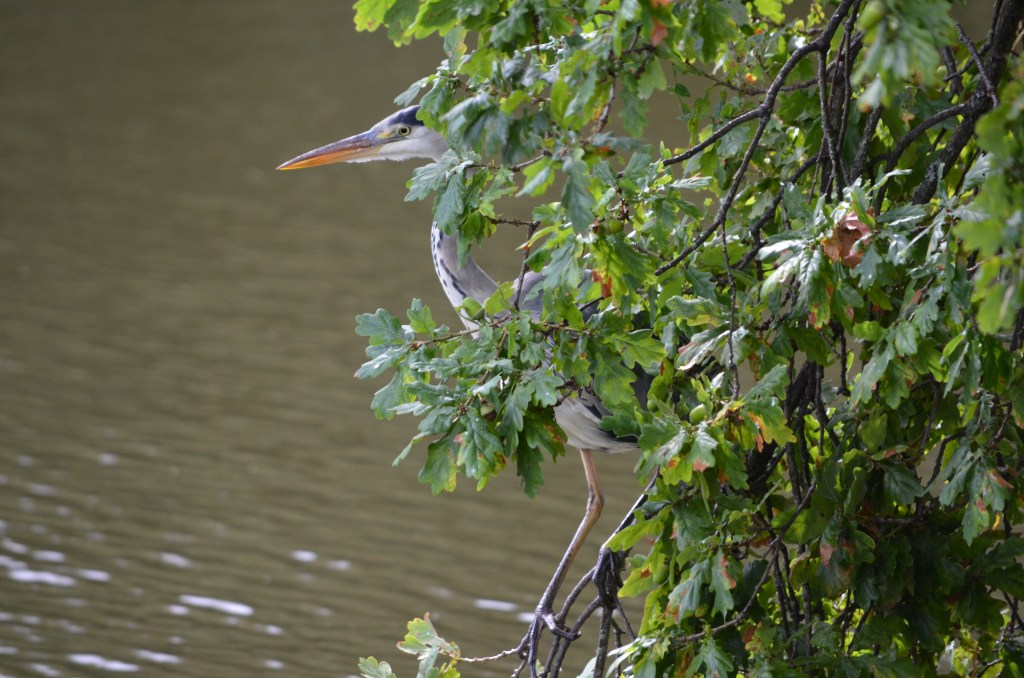
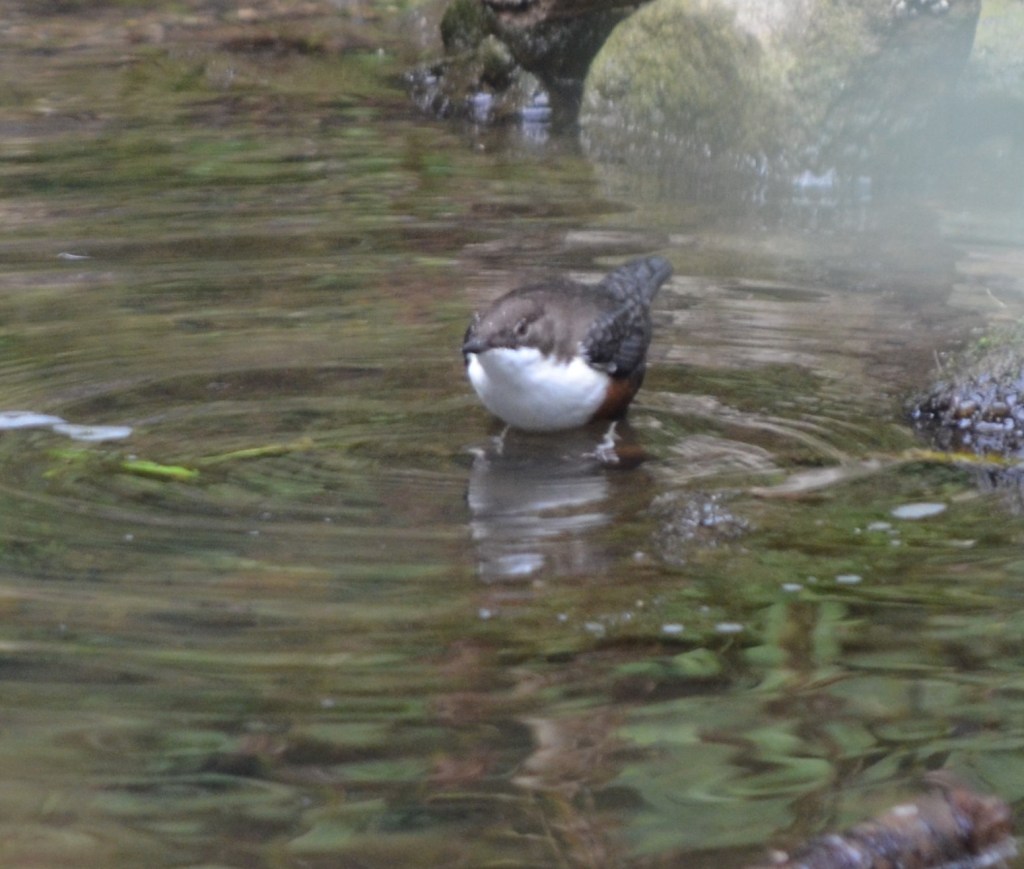
    *Apparently, very few Black-tailed godwits actually breed in the UK, although no-breeding numbers are increasing rapidly as a result of agricultural changes in Iceland, where most of the UK birds come from (Black-tailed Godwit | BTO)

  • Singing in the Rain

    (Sunday 10th March 2024)

        At Loggerheads Country Park this morning with Stu, in constant rain. As we walked down the left bank of the river towards the wooden bridge, there was a flash of yellow as a bird swooped in front of us: sure enough a grey wagtail had crossed our path. It bobbed its tail for us for a moment or two before departing. We crossed over and began our walk along the muddy Leete path. As we entered the wood just beyond the kennels, we heard a song thrush. Through my binoculars we could see him on top of a conifer singing joyously, impervious to the relentless rain. He sang a musical phrase and repeated it a couple of times, then selected another phrase from his varied repertoire, repeated that a couple of times and so on.  

        We continued along the increasingly soggy path, encountering blackbirds and robins on the way. After another two miles, we decided to turn back – the path was just getting more muddy and watery. Re-approaching the kennels, we were amazed to hear the song thrush was still there perched on top of his conifer and still happily singing!  I have read that song thrushes are happy when it rains as there are more worms wriggling their way to the surface to escape the water, but surely they would be on the ground tucking in? The Mistle Thrush is the thrush that has the reputation for singing from the treetops in bad weather – in fact, it has also been known by the name of Storm Cock due to this habit. But this was a song thrush that we saw and heard. Perhaps it’s something that runs in the family!

  • Along the Leete

    (Sunday 14th April, 2024)

            Stu and I were at Loggerheads this morning. ‘But they get on so well together!’ I hear you say. So, to avoid any misunderstanding, we were both at Loggerheads Country Park in Denbighshire, which is a popular wooded area through which the river Alyn flows. (Actually, when I say flow…well, I will come back to that later).

    It was virtually mud-free on the path now, and: in fact, this was the first time we walked the full length of the Leete for quite some time. It was a refreshing change to not get bogged down!

        We saw blue tits, great tits, robins, blackbirds and what Stu thought was a chaffinch, and what I thought was a stonechat – I was convinced the bird had a black head but it only appeared fleetingly so its identity will remain forever unknown. The forest floor was bedecked with a range of flowering plants: there were creamy-yellow primroses, bluebells, dandelions, daisies, wood violets, celandines, campion, and the odd residual clump of daffodils. We also spotted a single group of wood anemones on the far bank before crossing the bridge to join the Leete path. Colour was everywhere and such a contrast to earlier visits in the year when, apart from the few conifers, everything was a dull and neutral shade.

        Towards the end of the Leete path at the Cilcain end, we saw that many of the trees had been coppiced. Not only does this allow in more light due to the clearing of the canopy, but it also opens up the views down to the valley floor and across to Moel Famau and the Clwydian range. Coppicing is carried out regularly to encourage plant and tree growth and sustainability.

        Today the river Alyn was in full spate. As I intimated at the beginning, the Alyn’s water flow is not always constant and can vary considerably; this being most noticeable during prolonged dry weather spells, when the level drops and the bed runs dry particularly at the far end of the Leete Path. ‘Leat’ (also spelled ‘lete’ and ‘leet’) is defined in the Merriam-Webster dictionary as ‘an artificial water trench leading to or from a mill’, and there is indeed an old mill by the Visitor Centre which was a corn mill and later a sawmill in its working life. River levels drop of course, but the Alyn also flows underground quite extensively at certain points because of natural gaps in the limestone bed which swallows a lot of the water, much of which is also carried into an underground cave system to the north of the park. Often, as you travel the Leete path in a north-westerly direction, the bare stones of the riverbed are the only markers of the river. I must point out though that this is mainly during prolonged dry spells, and when the temperature has risen.