Category: Flintshire

  • On Silent Wings

    (Thursday 2nd October, 2025)

        I was in the back yard this evening just getting a breath or two of fresh air after work and, without consciously realising, I had fallen into my usual habit of scanning the treetops and rooves of nearby houses. There was neither sight nor sound of any birds – even the familiar chacking of my numerous Jackdaw neighbours was absent. I didn’t think anything of this really: it was approaching dusk and I assumed all of our avian friends had settled in for the night.

        However, as I was looking around me, something caught my attention higher up in the sky. I saw a dozen or so birds flying quite high. They were together, but in a loose flock if you know what I mean, and they were flying silently. These birds had me puzzled to tell the truth: I hesitantly identified them as gulls, but they disappeared from view before I could be sure. I leaned back, trying to see if there were any more birds, and after a few moments I spotted another group. Again, these were quite high up and I didn’t have my binoculars, but judging by their outlines, these were definitely gulls, although I don’t know which type of gull.

        Over the next fifteen minutes or so, several more of these eerily silent gulls flew by, all seemingly heading north-west towards the Wirral side of the Dee estuary. I would never have seen them, even known that they were there, because of their uncharacteristic silence – well, gulls are often the most raucous of birds we encounter!

        I looked online later to see if this was usual behaviour for gulls flying across the evening sky and, as you might expect, there was no definitive answer, although others have evidently witnessed gulls passing in similarly quiet circumstances. One or two people suggested that the gulls were heading out to sea in the knowledge that fishing boats were in the vicinity (presumably with their hauls). This may or may not be true, but this evening’s high tide was around 20:00 hours (although the high tide time varies depending on exactly which part of Wirral the gulls were heading). Nevertheless, the gulls flew past me about an hour or so beforehand, so it’s possible that the intention was to be onshore as the tide began to retreat, exposing the crustaceans and molluscs that they favour. I can’t help thinking that this theory is a bit limited though, given that most gull species will eat anything!

    No photographs for this post I’m afraid – just an observation. (The gulls were too far away for my humble camera-phone anyway). 1

    1. I witnessed this phenomenon again on the following evening although the gulls were flying lower this time. It was windier than the previous night due to Storm Amy (although Scotland bore the brunt of the winds) and I thought possibly the storm might have had a bearing on the gulls’ behaviour. However, I’m inclined to think that it’s more the timing of the tides. I’m writing this three days later (Monday 6th October) and I haven’t seen any similar activity in the last three evenings. Anyway, something to look out for – well, if you’re me at least!
      ↩︎
  • Geese on the Wing

    (Sunday 17th August, 2025)

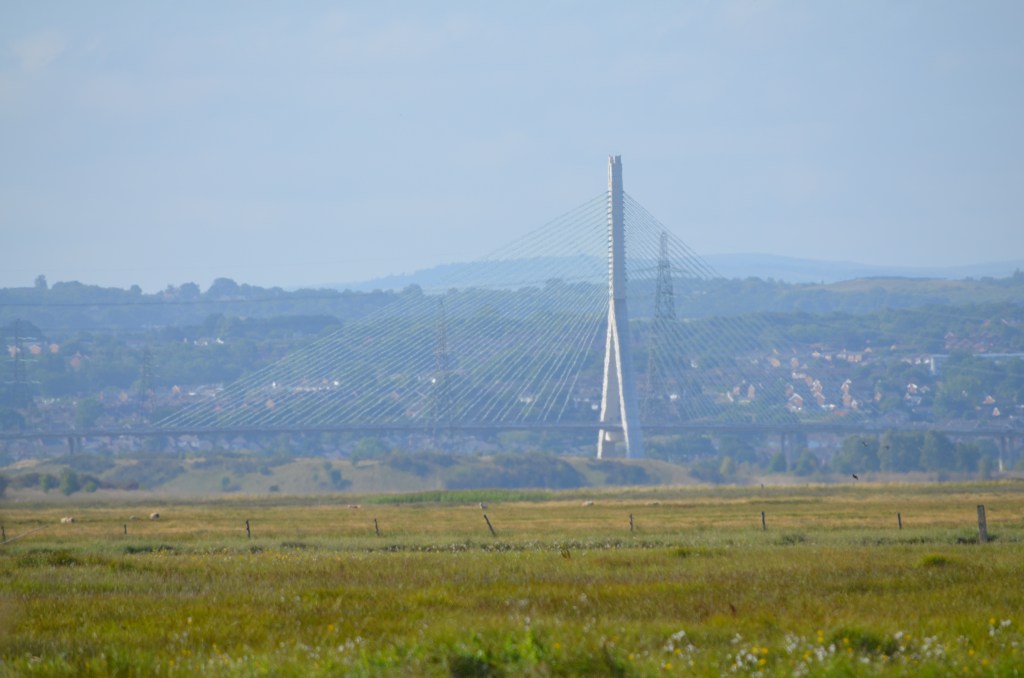
       Over to Burton Marsh this morning on the western side of the Wirral peninsula. After parking up, we followed the path north-westwards towards Neston, flushing out a male Pheasant from the marsh scrub as we walked close by, although it was completely accidental. It was a little hazy looking over the marsh towards the Flintshire Bridge, but this quickly cleared during the morning.

    Flintshire Bridge in the haze

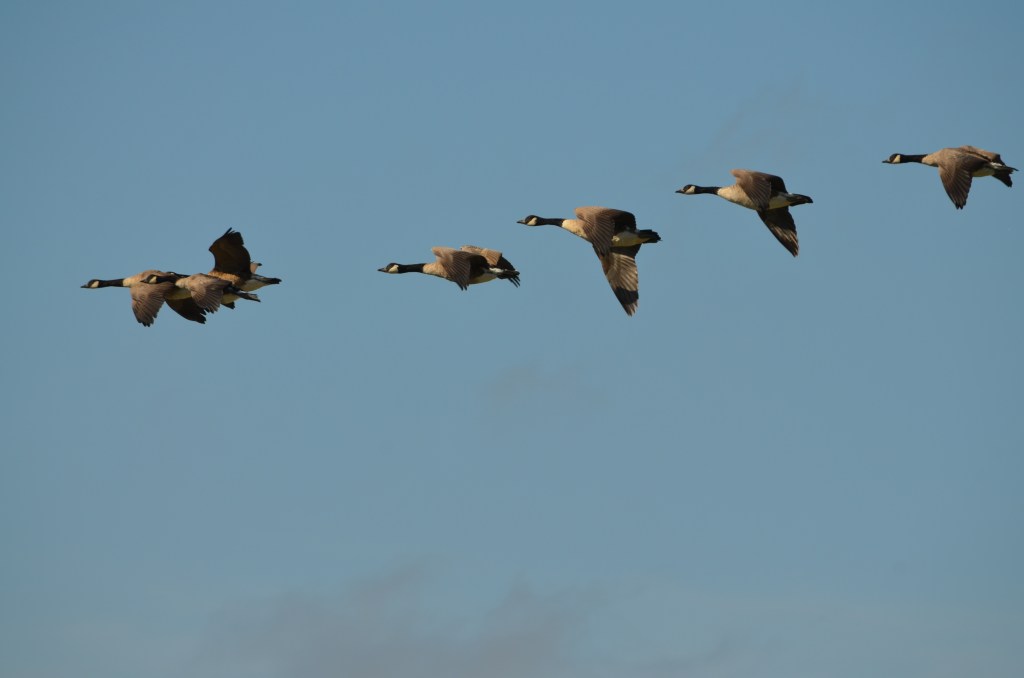
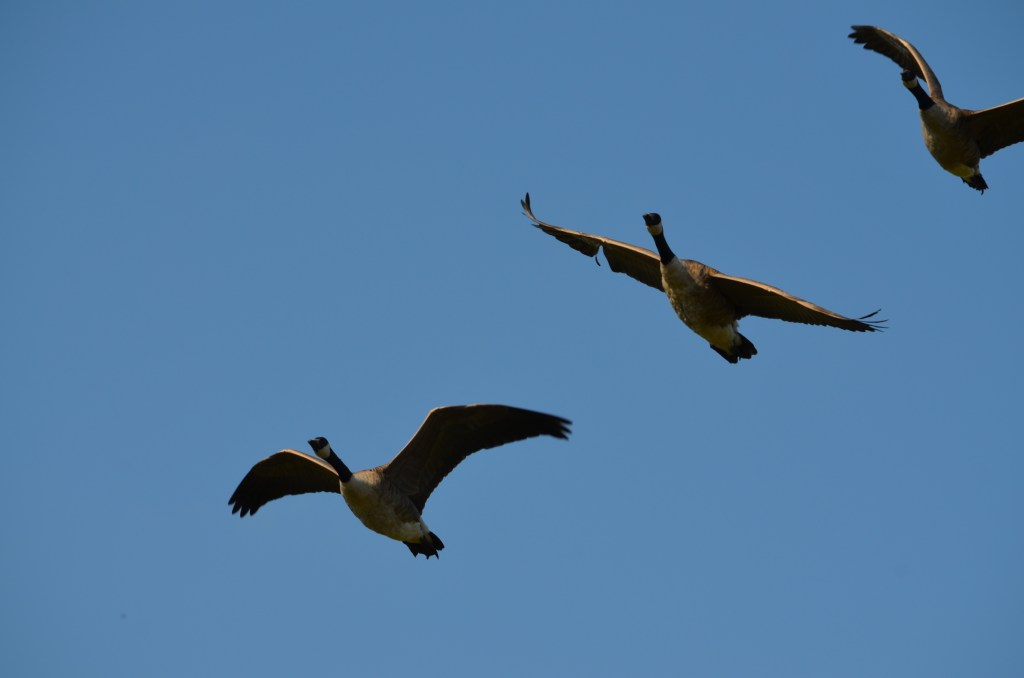
    We saw several separate flocks of Canada geese flying over various sections of the marsh’s broad expanse. (I should call them ‘skeins’ of geese as they were all flying, but the term seems a little pretentious somehow). We were fortunate that one small flock passed quite close above and we witnessed two of the geese move from the rear to the front, which is something that neither of us had seen before other than on television. As the pair moved up, the flying-V formation was somehow maintained. The photograph below captures the moment just after the two Canada geese had changed positions with the rest of the birds.

    Canada geese switching positions

        I believe that Canada geese resident in the United Kingdom are viewed as non-migratory, although I can guarantee that my local golf-course pond will be absent of Canada geese and Greylag geese for the winter months again this year, so they must go elsewhere within the country. (Mind you, I think that the two pairs of Moorhens that remain here, near my home in North Wales, breathe a sigh of relief at their temporary absence!) I only mention this because I’m convinced that the numerous (let’s be pretentious) skeins of Canada geese flying over the marshes were stretching their wings to keep in trim for a longer flight to be taken soon – perhaps to the eastern part of the country? Whatever the reason, the geese were very active this morning. One group of about seven geese had two stragglers trying desperately to catch up with the rest of their companions: we immediately named them ‘Colin’ and ‘Stuart’, to nobody else’s amusement but our own!

    Still chortling at our amazing wittiness, we observed lots of Swallows zipping low down over the marsh gathering and eating as many insects as they could, in order to help ready themselves for the 6,000 mile journey back to South Africa and Namibia, where they will over-winter. We saw hundreds more Swallows later, massing on the telephone lines by Net’s Café, where we inevitably ended up so as to satisfy our demanding stomachs.

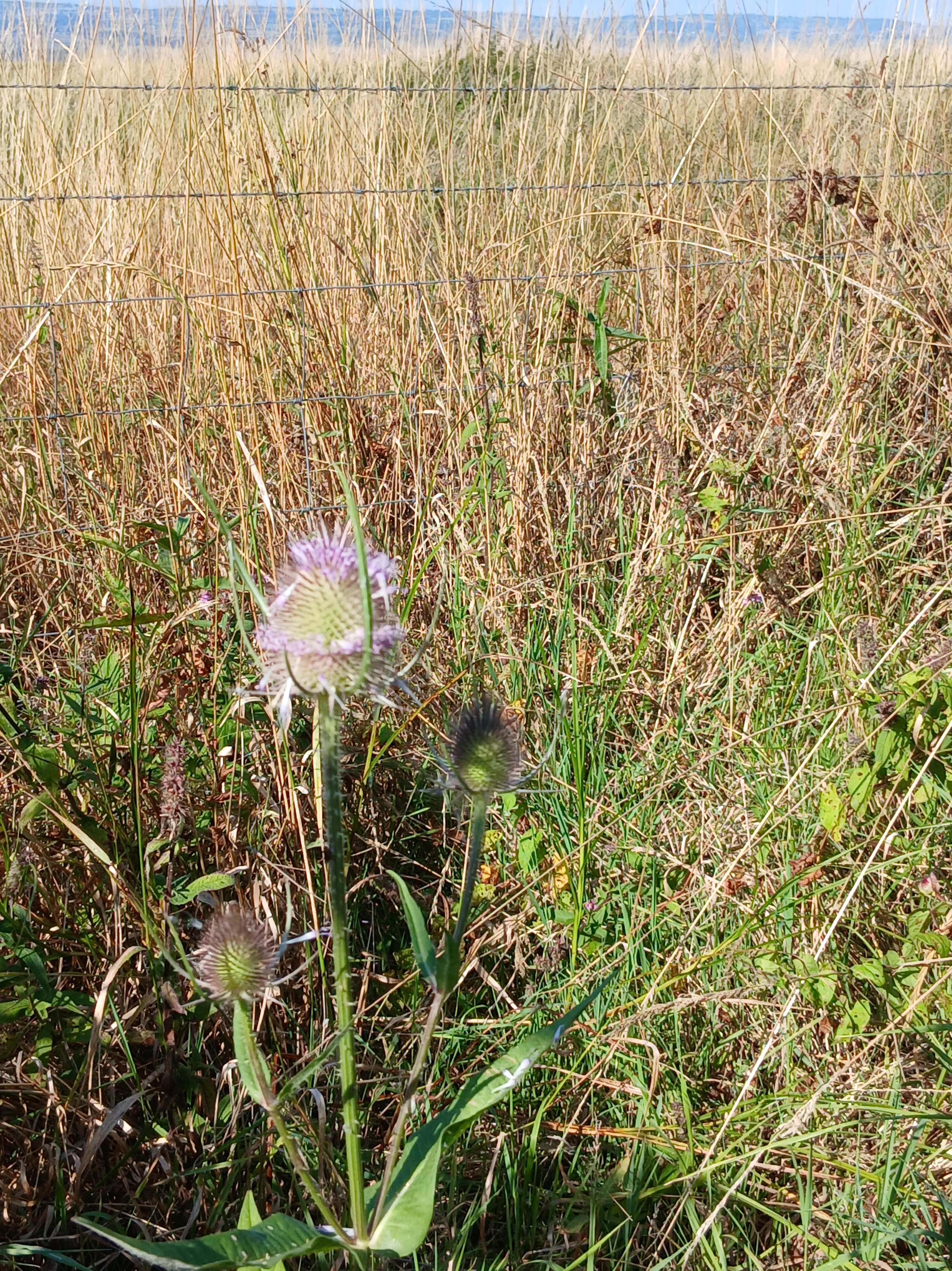
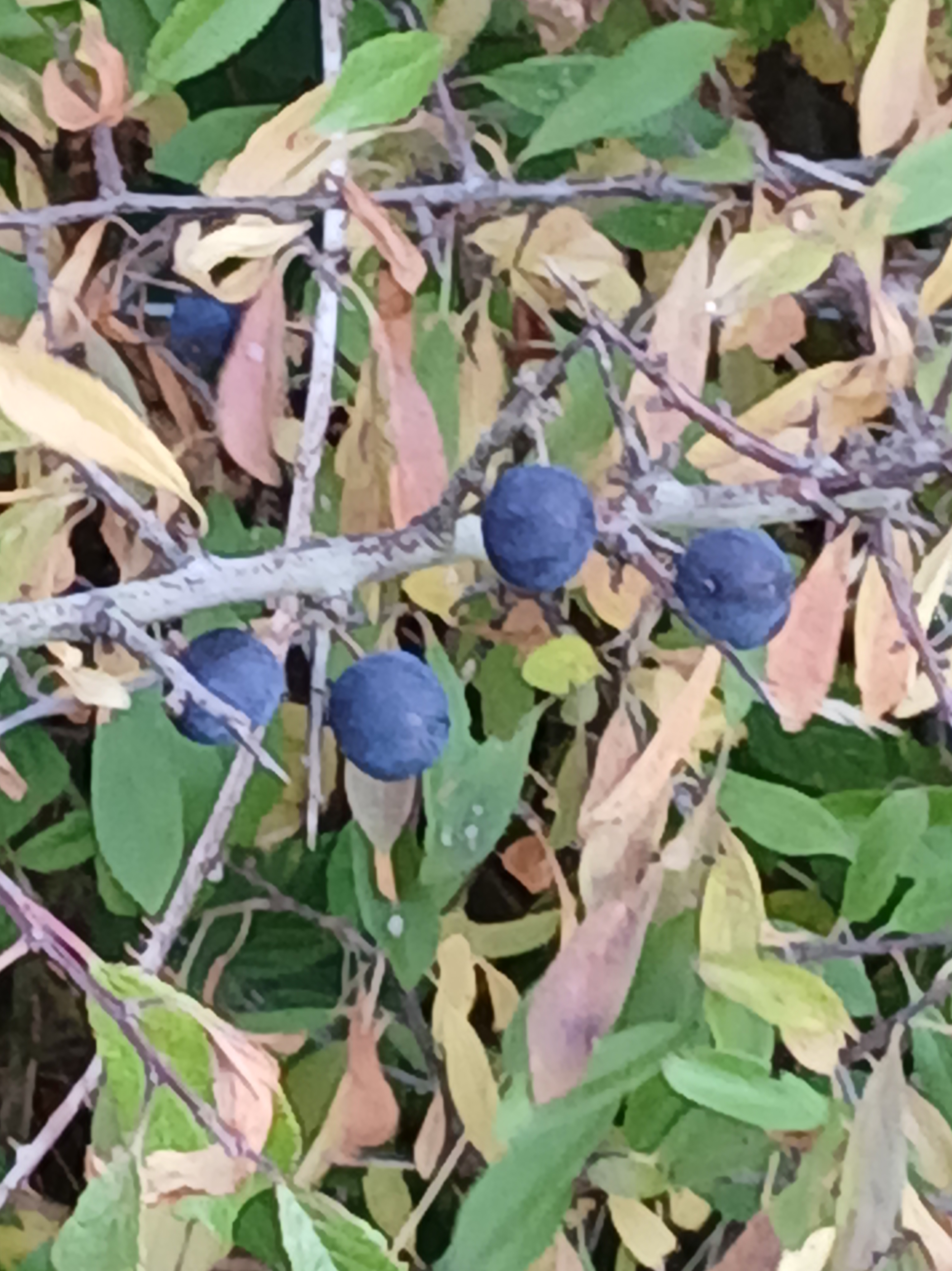
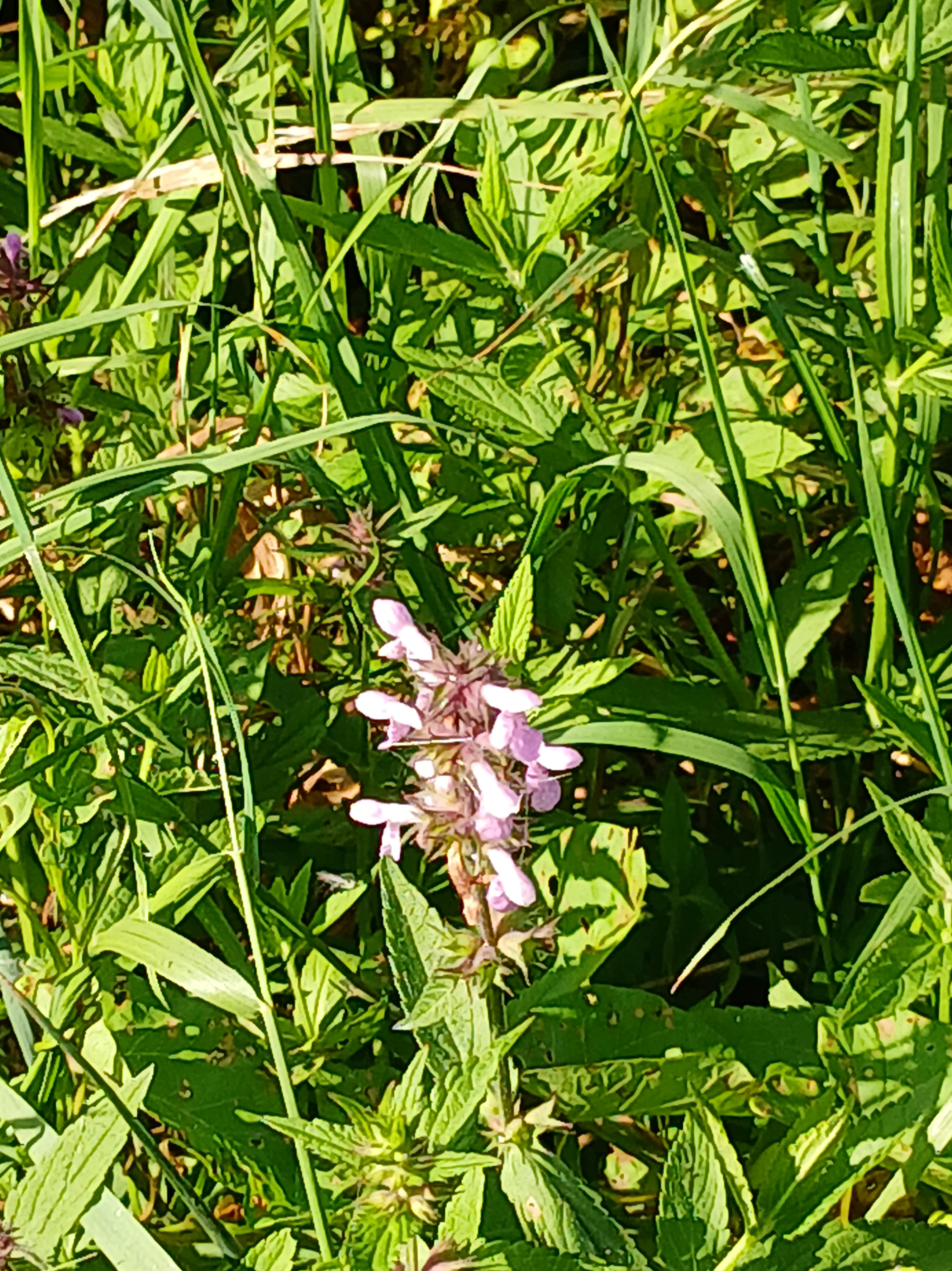
    Common mallow, Meadowsweet, Yellow iris, Common hemp-nettle (the leaves of which don’t carry a sting but can nevertheless be an irritant to skin) and Crab apple trees bordered the lanes. Fruits were also supplied by Hawthorns (haw berries) Blackthorns (sloes) and Dog roses (rosehips). The thorny thickets formed by these shrubs and trees are also ideal for nesting, as they help offer protection from predators.   

        Teasel, Blackthorn, and Common hemp-nettle

    The important stuff

    As mentioned above, we concluded the day’s outing at Net’s Café, where we both had our usual cappuccinos – accompanied by a Chocolate Brownie (Stu) and a slice of Cinnamon and Apple cake (Col). Scrumptious!

    Canada geese on the turn
  • Butterfly blues

     (Thursday 3rd July, 2025)

    Harlequin ladybird

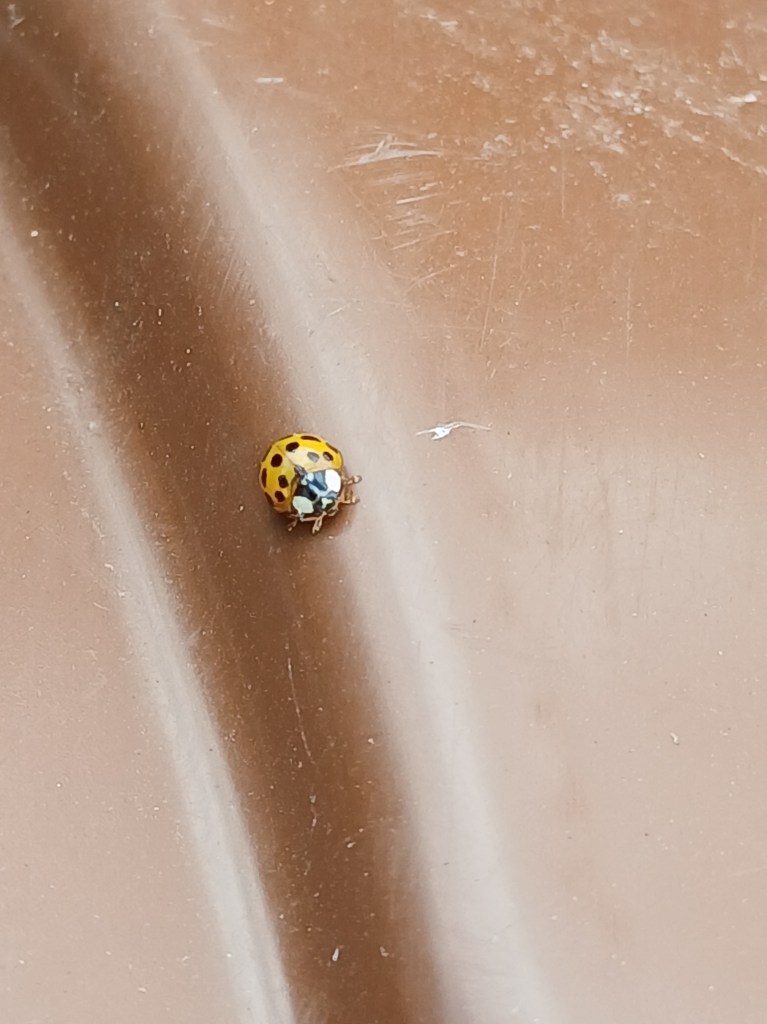
    Down to the garden after work – I noticed a Harlequin ladybird on the brown bin lid as I went by. This one was a pale yellow with black spots, though what it was doing on the bin lid I have no idea. Jackdaws and Crows predominated today and both corvids were very voluble in their own raucous ways.

    My resident Robin appeared,

        hopping along the ridge of the fence to see what was to be seen, and three Goldfinch seemed to be tree-hopping, twittering as they did so.

        I watched excitedly as a large, yellow butterfly fluttered around the Buddleia at the far end of the garden, and then flew towards me before disappearing over the hedge. This was the first Brimstone I had seen for a couple of years. In fact, this was my first ever sighting of a male Brimstone, having only ever seen one Brimstone previously, which was the lime-green female. (The female was at the entrance to the path that edges the golf club, which is about half a mile away, although further away in time) I am so pleased to have seen one again. I’m not very knowledgeable about butterflies, but I believe the Brimstone is very scarce here in North Wales.

        It was certainly a day for butterflies: besides the Brimstone, there were a few solo, Green-veined whites, and a pair of Large whites twisting around each other as they flew over me to the other side of the hedge. And there was a Holly blue climbing up and down the ivy of the hedge, not unlike a bee in its rather haphazard flight. And I’m sure I saw a male Common blue. Certainly, it was a lot brighter blue than the  mauve-blue shade I associate with the Holly blue, but I was puzzled as this Common blue was flying up and along the high hedge – apparently it’s generally the Holly blue that flies high while other blue butterflies fly low. Unfortunately, I didn’t manage to photograph it so it will have to remain a ‘maybe’.

  • Aerial view

    (Monday 16th June, 2025)

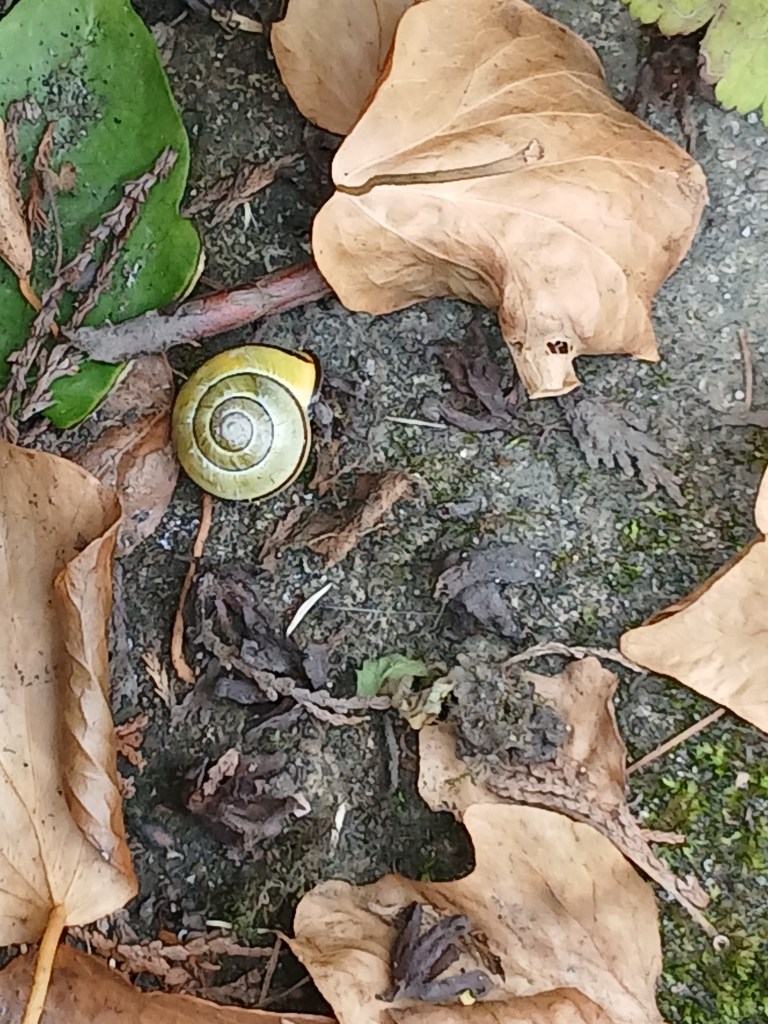
        A couple of female Blackbirds put in separate appearances while I was in the garden today: presumably they were gathering food for their respective broods. My eyes were drawn to a snail shell at the base of some past-flowering cowslips. It was bright yellow with dark brown – almost black – concentric bands. I looked it up later and this is the Brown-lipped snail (also known as the Brown-lipped banded snail). The name refers to the band of colour around the shell’s opening.  

    " "

    The shell colour can vary from light yellow to dark brown, although oranges and pinks can occur (I’m beginning to sound like a Weather Forecaster, covering all eventualities!), and there can be from none to five bands (or stripes). You won’t be surprised to learn that the reasons for the variations in shell colour and banding are not known, though it is suspected that camouflage might play a part.

    The Brown-lipped snail is common throughout most of the United Kingdom and can be seen in various habitats, including woodland, hedgerows, and gardens, so the variations may be adaptations to their surroundings, although nobody can say for sure.

        Behind me, I heard a lovely tinkling sound. I looked up and, sure enough, there was the usual Goldfinch singing from his perch at the end of next door’s television aerial. This particular Goldfinch has been taking a turn for a few days now: one day he continued to sing while a Jackdaw perched on the chimney pot a little lower. In fact, the Jackdaw flew off, leaving behind the Goldfinch!

        I left this colourful chorister singing and turned back to the garden. Another Goldfinch sang from the top branches of the willow in my neighbour’s garden and then flew across mine, landing over the far side of the hedge, where it resumed its song. No wonder they’re called a ‘charm’ of Goldfinches!  

  • Unflappable Buzzard

    (Thursday 19th June, 2025)

        In the garden during today’s promised heatwave (the temperature reached 29° in Hawarden). I could hear two Wood pigeons calling to each other and some Jackdaws doing the same. From time to time, I heard what I first thought was a single long ‘coo’, which came across as a long purr of contentment! However, I soon realised that the long purring ‘coo’ was preceded by a shorter sound, and this was probably the sound of a nesting Wood pigeon.

        Interspersed with it usual melodious song, a Blackbird issued a series of clicks – tchk – tchk – tchk … and these were answered by its mate as it passed by over the garden fence. I’m sure that there’s a nest in the hedge, although I’m not quite sure what the clicking noises mean.

        My ponderings were interrupted by several piercing cries from above. I looked up and saw that the racket was coming from three Herring gulls that had become alarmed by the appearance of a Common buzzard. Despite the ‘mobbing’ of the gulls, the buzzard continued unperturbed in its majestic ascent on the thermals. I noted that none of the gulls came too close to the predator though: I’ve watched even single crows chasing buzzards with more boldness!

        Things settled down as the buzzard slowly gyrated further through the azure sky. Two of the Herring gulls seemed to take it in turns to guard a chimney pot on one of the nearby houses, so they may well be nesting and perhaps this explains the earlier commotion. Mind you, they are noisy birds anyway!