Month: February 2026

  • Nuthatches at Loggerheads

    (Sunday 8th February)

    Over to Loggerheads Country Park in Denbighshire this morning. An overcast morning, peaking at 7°C, it was at least dry – for the first time in several days. In fact, the sun came out temporarily, although only as we made our way home! Much of the UK has been hit by a prolonged spell of extraordinarily wet weather so far this year, with many areas flooded, so it was a relief to see that the Loggerheads flood defence works that were completed recently have proven successful. Still, the volume of rushing water in the River Alyn reflected the amount of rainfall that has fallen in recent weeks.
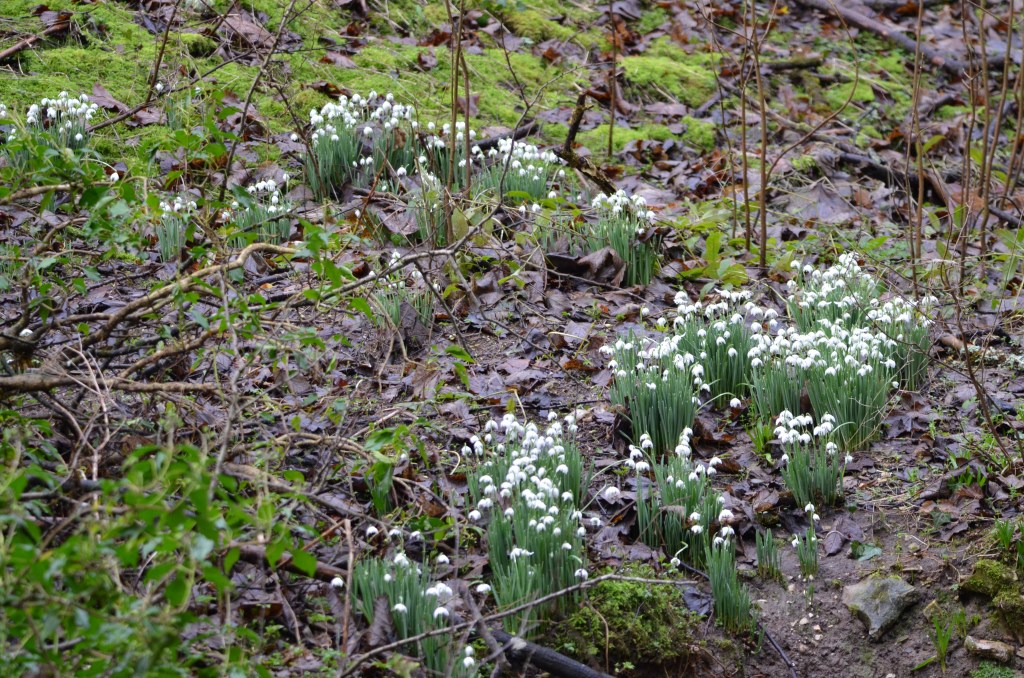
    Loggerheads snowdrops

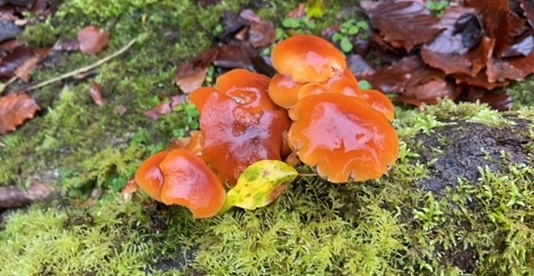
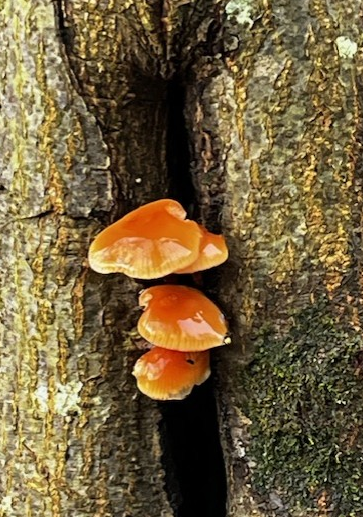
    Snowdrops decorated the ground here and there and we saw a few clusters of Jelly ear fungus as we wandered down the Leete path.
    Jelly ear fungus 2
    Jelly ear fungus

    Jelly ear fungus

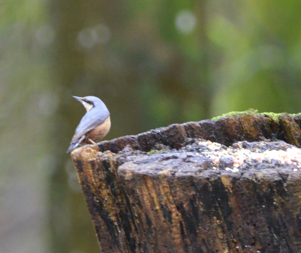
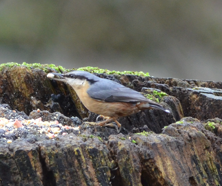
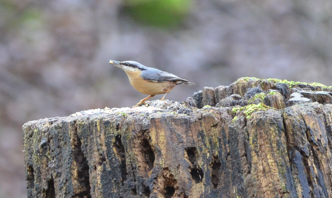
        On an old tree-stump at the water’s edge, we saw Nuthatches darting in from nearby trees to collect nuts which had been left by someone concerned for the winter welfare of the local bird population. They didn’t hang round long, so getting photographs was a bit tricky.
    Nuthatch close-up

    Nuthatch collecting food

    Nuthatch turning

    We’ve seen crows feeding here before, but this was the first time we’d witnessed Nuthatches helping themselves! Slightly bigger than a Robin, these birds have quite a distinctive shape to them, having large heads and short tails. Their wings and back are slate grey and they have an orange-red underbelly. Their white throat and cheek are separated by a black eye-stripe that always reminds me of a mask-wearing bandit, although perhaps that’s just me!
    Nuthatch tree-stump

        There were two Nuthatches and, based on their well-defined colouring, I think they were both males – females tend to have a more muted complexion – and each of them took it in turns to land on the ‘platform’ of the tree trunk. Nuthatches, incidentally, are the only UK birds that can walk up and down tree trunks, which their strong feet and claws allow them to do. (Treecreepers and woodpeckers can walk up but not down). The name Nuthatch comes from their habit of lodging nuts firmly into the bark of trees, then repeatedly pecking at them so as to get to the edible kernel inside.
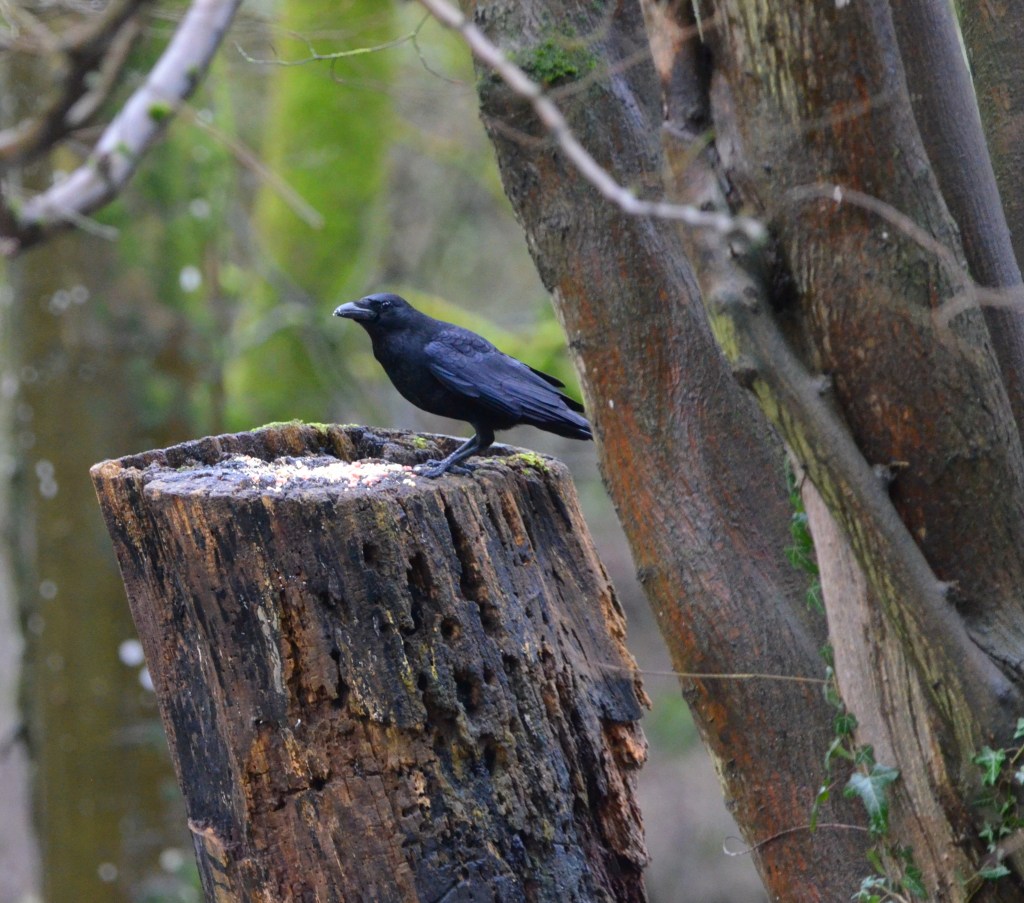
    Carrion crow on tree-stump

    Carrion crow reminding the Nuthatches of its territorial rights

        Eventually, a Carrion crow alighted on the trunk, at which point the Nuthatches sensibly took refuge in the nearby trees. The crow didn’t seem to be feeding – it was probably just reminding its avian cousins that this was its territory!
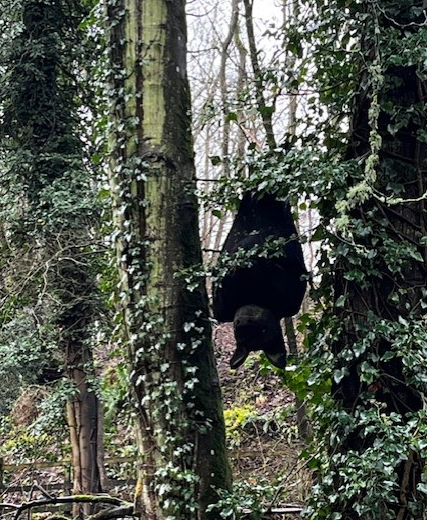
    Bat on bridge

    Bat hanging around

        We continued down the path to the wooden bridge where the Bat likes to hang out. It’s hard to believe that, where these torrents of water were flowing so forcefully today, that the river can be reduced to a trickle, or even dry up completely during long spells without rain, particularly in the summer months.
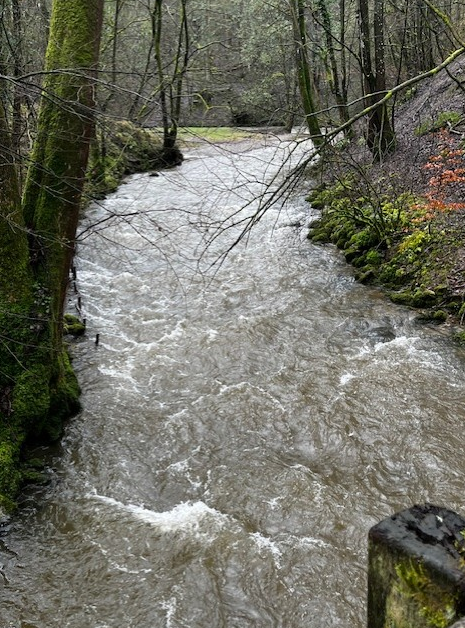
    Torrent River Alyn

    The River Alyn at full spate

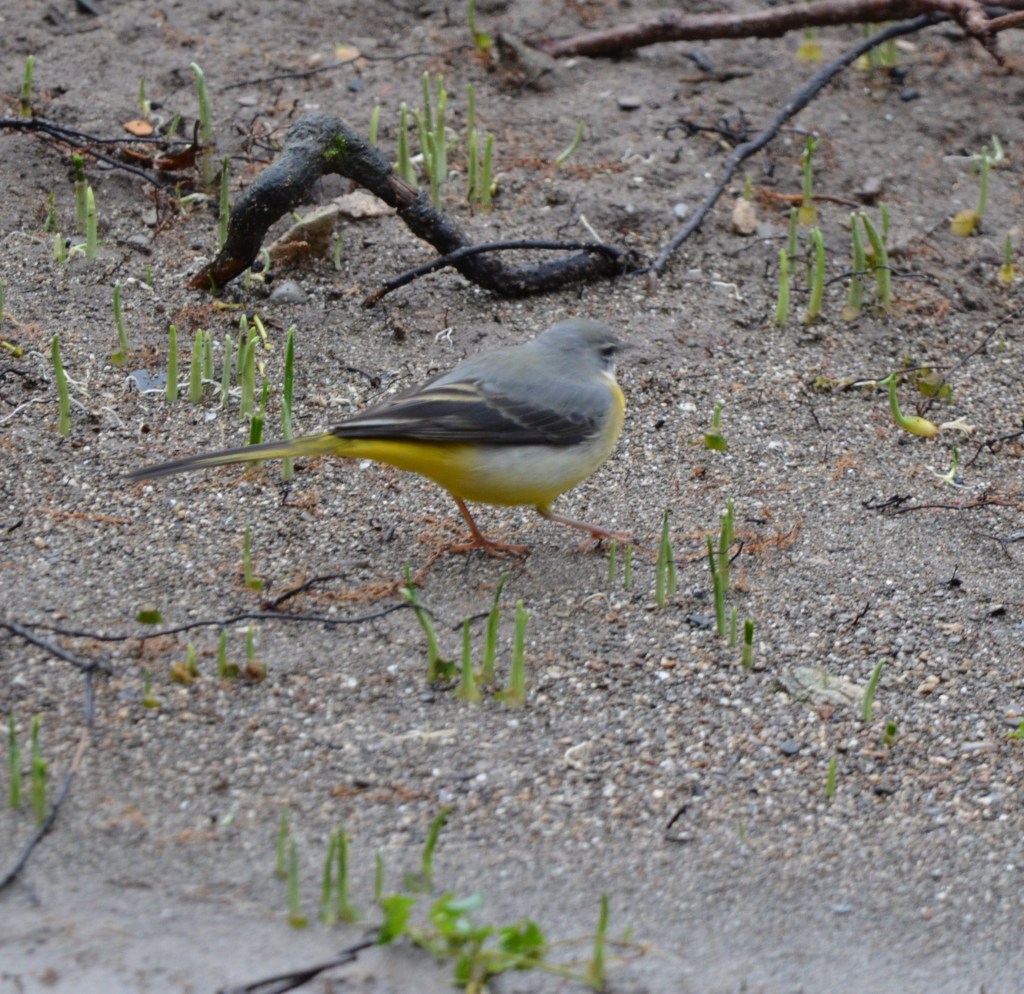
        The birds were evidently enjoying this particular change in the weather as much as we were: we saw Chaffinches, Blue tits, Great tits and Woodpigeons making the most of it. We spotted a couple of our old friends, too: first, the White-throated dipper presented itself for a photo-opportunity and then we saw the Grey wagtail who was trawling along the sandy mud of the far riverbank. Always a pleasure to see these two birds.
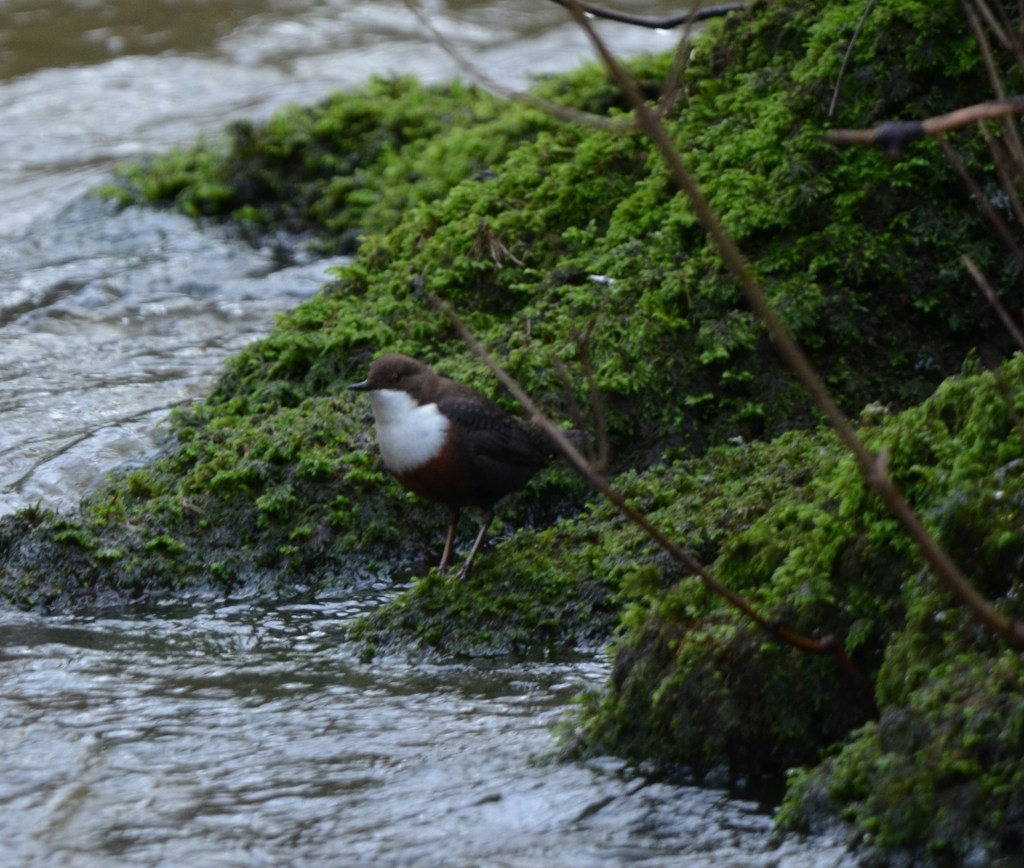
    Old friend Dipper

    White-throated dipper

    Old friend Grey wagtail

    Grey wagtail

    The important stuff

    Over to The Mill House café (Tŷ’r Felin), where we had our customary cappuccinos and a cake each – Toffee Biscoff for Stu and Vegan Cookie for Col. It was still dry but we sat inside by the Mill anyway. Very pleasant.
  • At the Old Baths

    (Sunday 25th January, 2026)

    We’d had reports of Short-eared owl sightings at Parkgate, specifically in the area around the Old Baths, just beyond The Boat House pub. So, we parked up and scanned the marsh. Short-eared owls largely hunt during the day, particularly in the late afternoon. Today, unfortunately, was not our day for seeing any. (A Short-eared owl was seen and photographed that day – surprise, surprise, in the late afternoon! Ah, well. Maybe next time…)

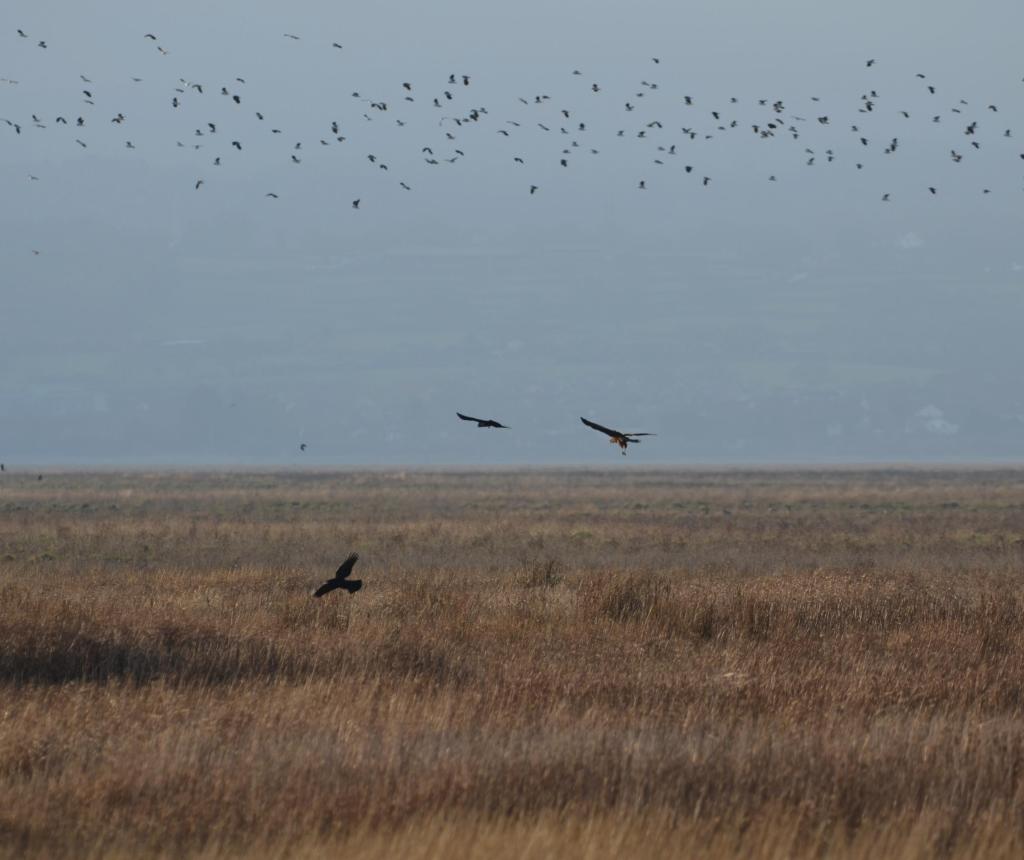
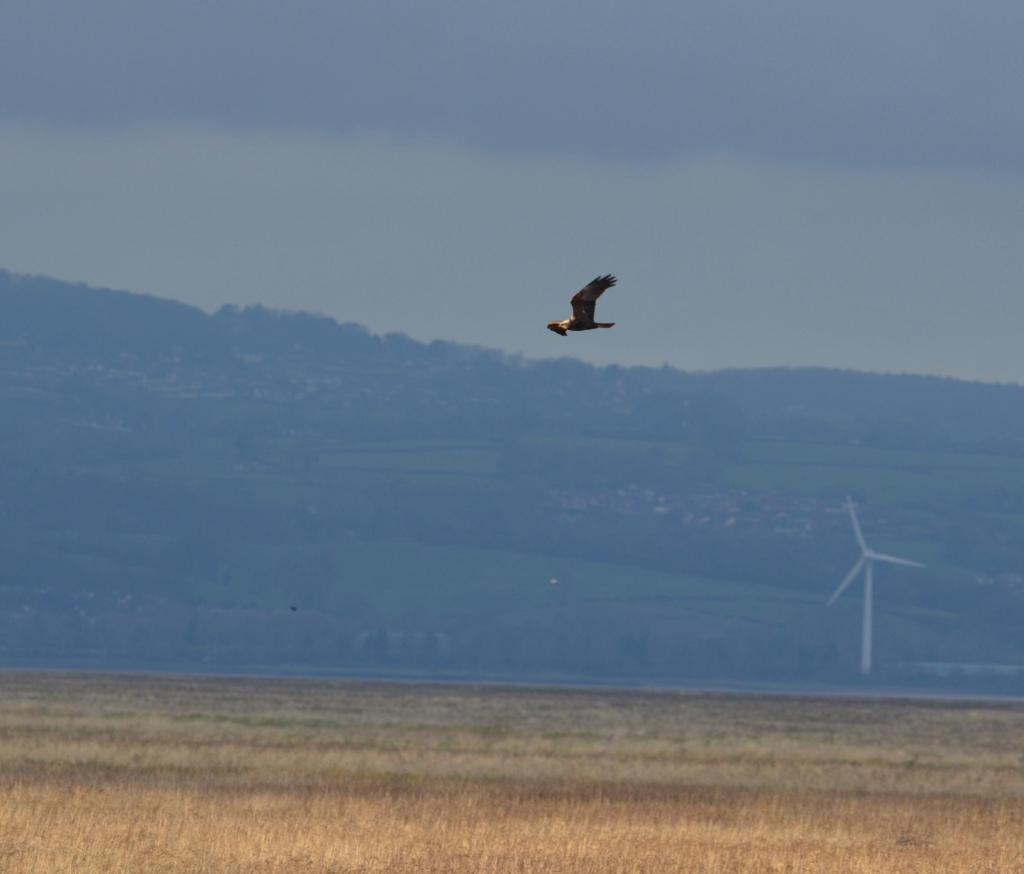
        We may not have seen any owls, but we did see a couple of Marsh harriers and a Kestrel (all female): we were certainly in a good viewing spot.

    Marsh harrier at Old Baths

    Marsh harrier (female)

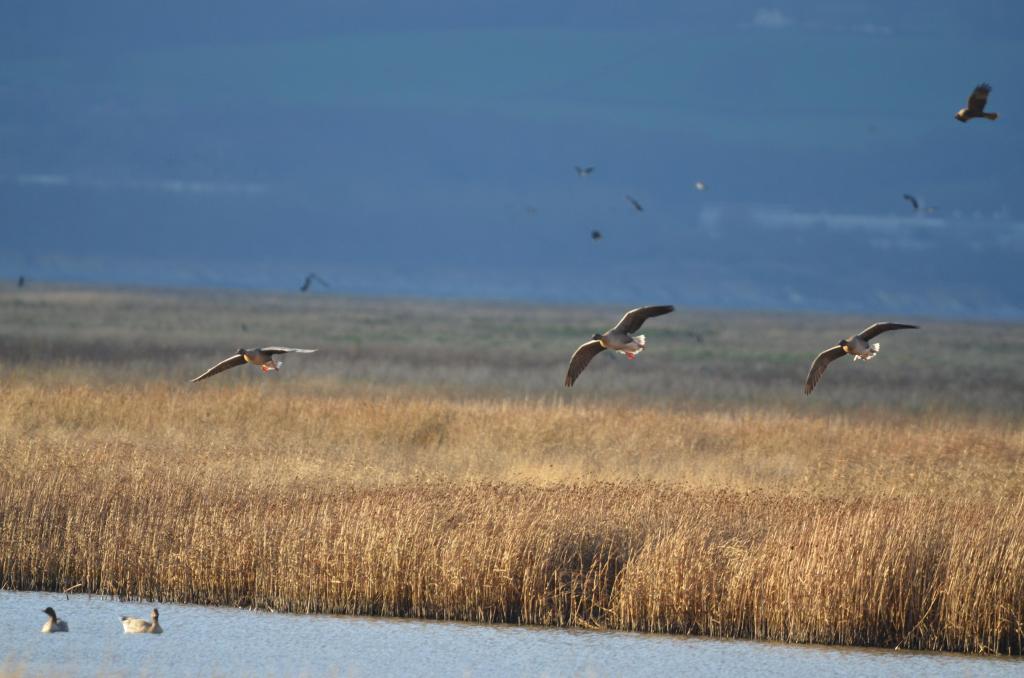
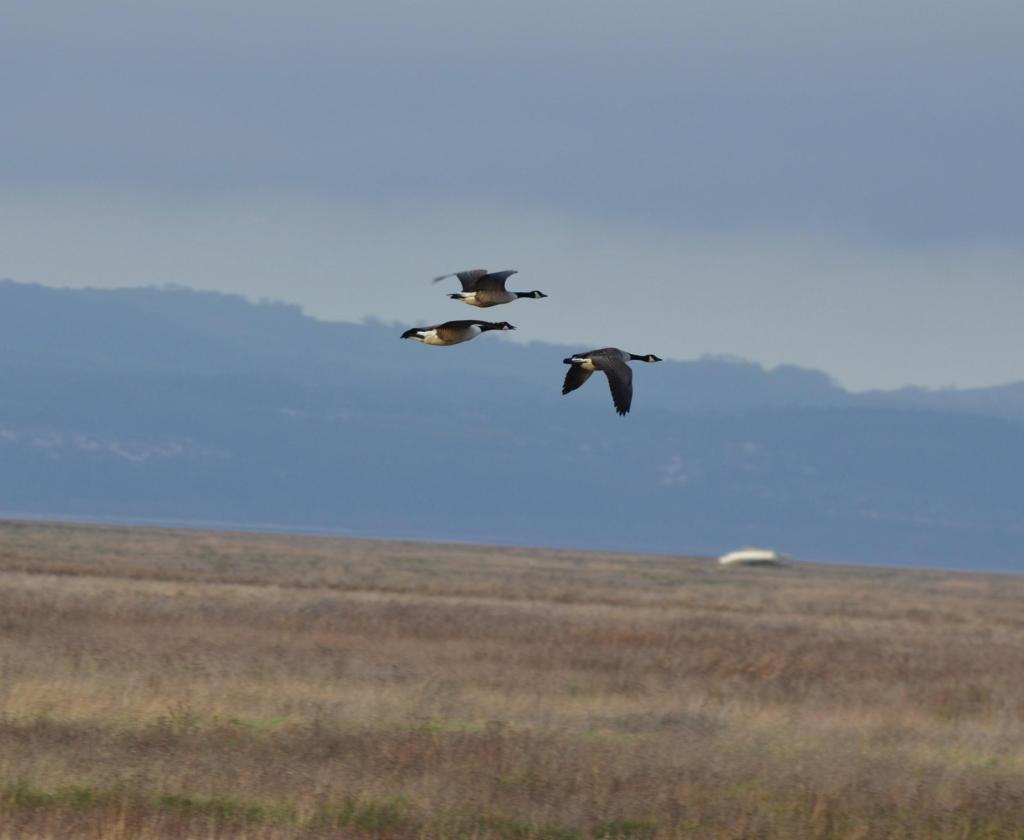
    There were flocks and flocks of geese honking their way across and around the wide estuary sky. Many were Pink-footed geese and we also saw Canada geese and some Brent geese, although we didn’t get any clear photographs of the latter. (It was quite misty in the distance – as you can see from the photographs).

    Canada geese at Old Baths

    Canada geese

    Kestrel hovering at Old Baths

        Kestrel (female): she’s in the centre, to the right!

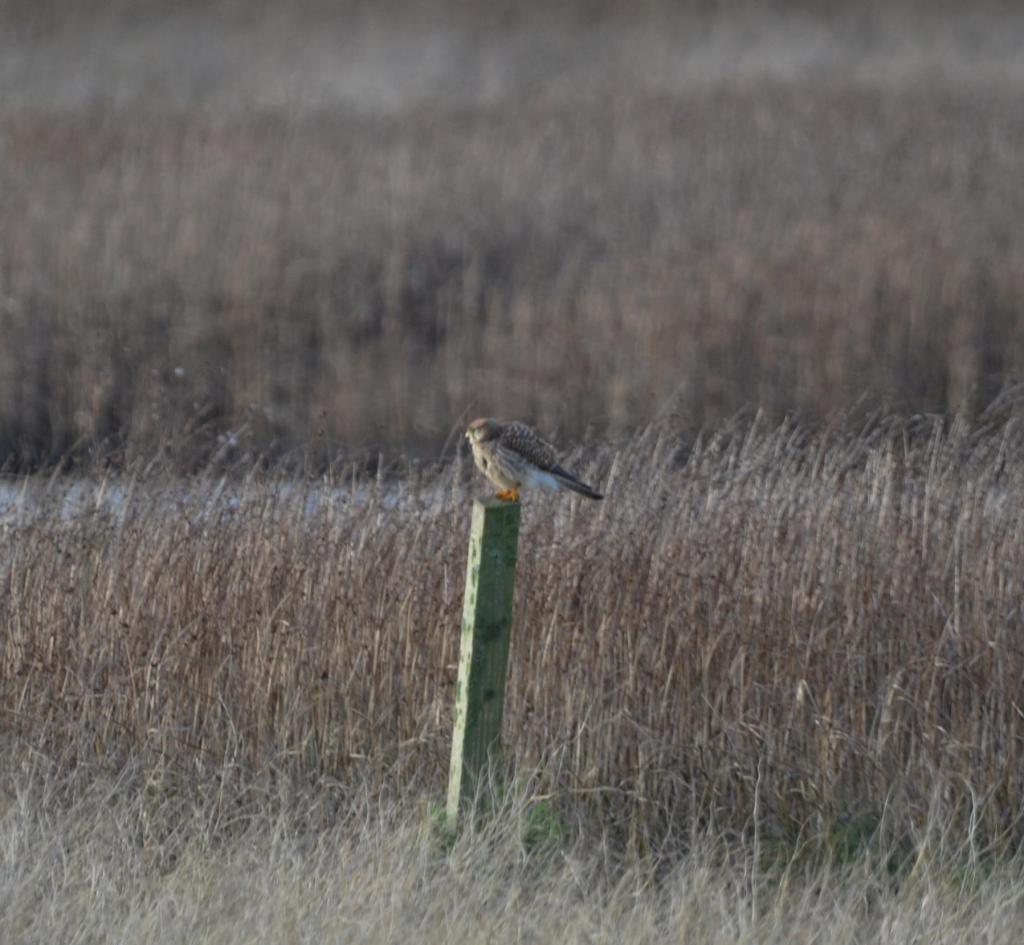
    The kestrel hovered characteristically, before dropping down and settling on the post (which I believe was where our elusive Short-eared owl perched later!) This behaviour is well established in kestrels, particularly in the winter months when the birds want to conserve energy – hovering is what Kestrels are known for (‘windhover’ is the archaic name for the bird), but it’s generally a less-preferred hunting strategy than perching. Here, we do tend to see Kestrels hovering more because there are far fewer vantage points on the marshes – apart from the odd post, of course. They’re a joy to watch when they are hovering, head down facing the ground, while they make minor aerodynamic adjustments with their wings and fanned-out tails in order to maintain their position.

    Kestrel on post at Old Baths

    Kestrel using the post as a vantage point

        Kestrels are so keen-sighted that they can see ultraviolet light, which enables them to detect urine trails left by their prey! They’ll hold their position and then suddenly swoop – they’re wonderful to watch, but you can see that these actions do take up reserves of energy.

        While we still commonly see Kestrels over the marshes – more usually hovering – their numbers declined by 37% between 1995 and 2023[1], although it’s difficult to pinpoint a specific reason. Suggestions for the decrease in number include habitat loss through farming practices; secondary poisoning (through eating voles and mice that have consumed rat-poison); and their chicks being subject to predation from corvids and other birds of prey, such as Goshawks.

        It probably doesn’t help that Kestrels don’t build nests, preferring to take over those abandoned by other birds, or to use natural cavities such as tree hollows or cliff ledges – they’re not fussy, just so long as they don’t have to do any construction work themselves!  The Kestrel population in the UK is being monitored jointly by BTO/JNCC/RSPB[2] as well as other bodies such as the Hawk Conservancy Trust.

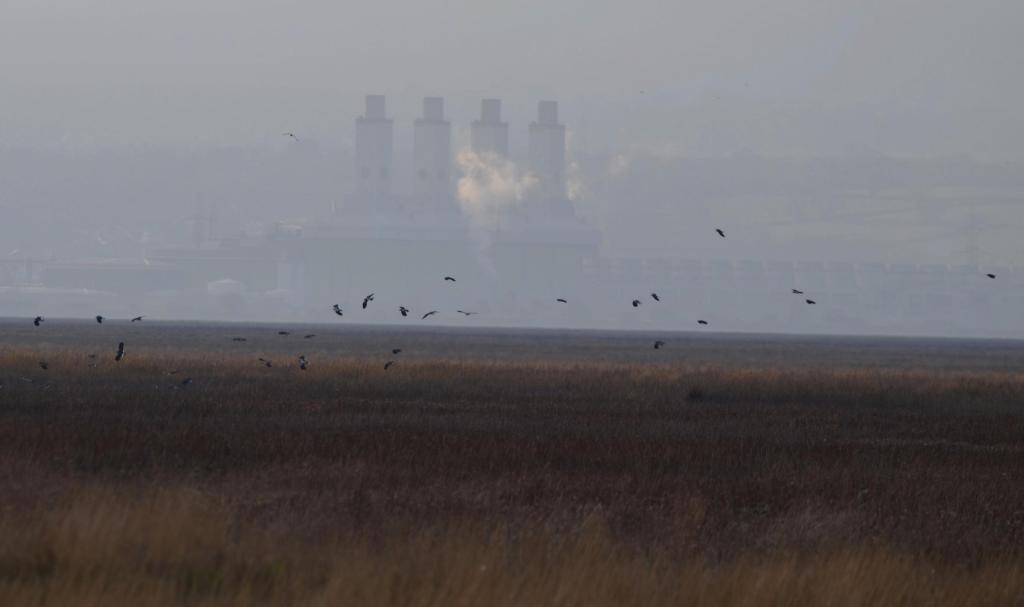
    Ghostly power station

    Ghostly power station in the mist

        Eventually, we moved to the Donkey Stand at the opposite end of The Parade, where a third female Marsh harrier appeared flying low over the marsh. (It may possibly have been one of the two that we’d seen earlier at the opposite at the Old Baths). We also saw several Mallards and some Teal on the nearby stretch of water, but no photographs I’m afraid.

    Marsh harrier at Donkey Stand

    Marsh harrier (top right) near Donkey Stand

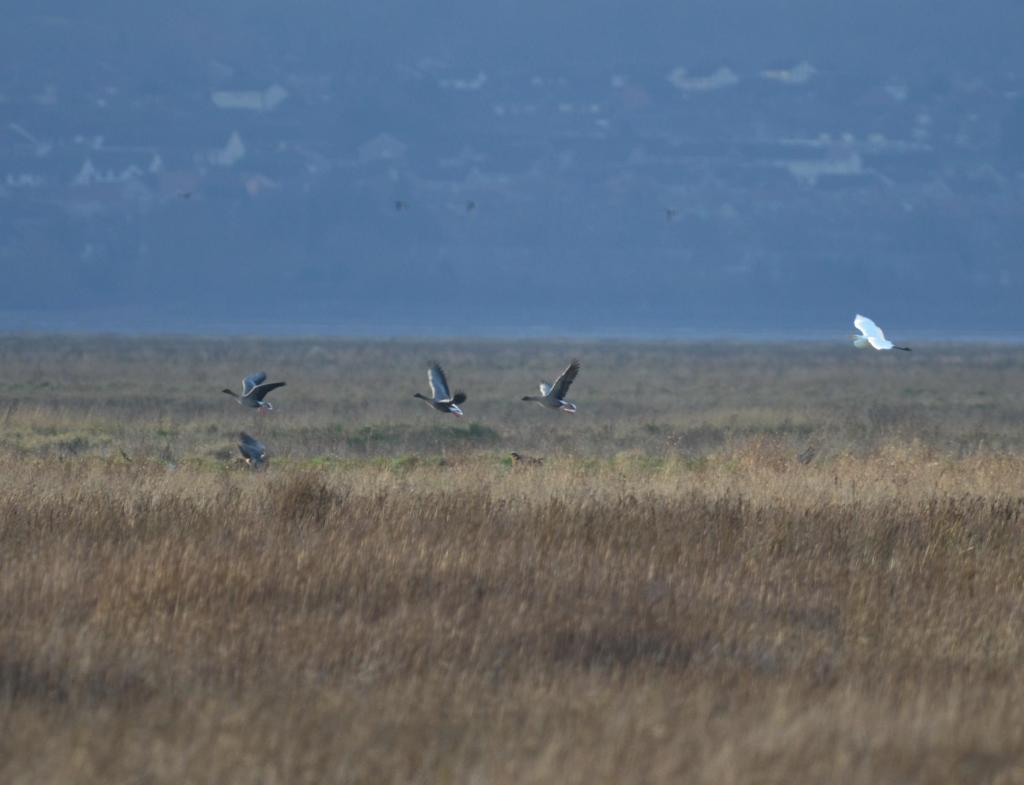
        Although I remember seeing a couple of Little egrets, I have no recollection of seeing this Great white egret below disturbing several Pink-footed geese, which Stu photographed. I must have been concentrating on something else! Talking of which…

    Great white egret and geese

    Great white egret and Pink-footed geese

    The important stuff

    Over to Ness Gardens for refreshments. A cappuccino and a generous slice of Bakewell tart each. Very nice, and well-deserved!


    [1] Information from Bird Trends Explorer, BTO data.bto.org/trends_explorer/?species=Kestrel

    [2] British Trust for Ornithology / Joint Nature Conservation Committee / Royal Society for the Protection of Birds